
New Orleans, Louisiana, a city where the past whispers from wrought-iron balconies and the present pulses with a vibrant rhythm, holds a magnetic allure for travelers worldwide. Renowned for its unique blend of Creole and Cajun cultures, its soul-stirring jazz, and its unparalleled culinary scene, this iconic destination in the United States has earned a nickname as distinctive as the city itself: “The Big Easy.” But what is it about New Orleans that truly embodies this moniker? The answer lies in a confluence of historical factors, an effortlessly relaxed pace of life, an ingrained culture of hospitality, and an unyielding spirit of celebration that permeates every street and every interaction.
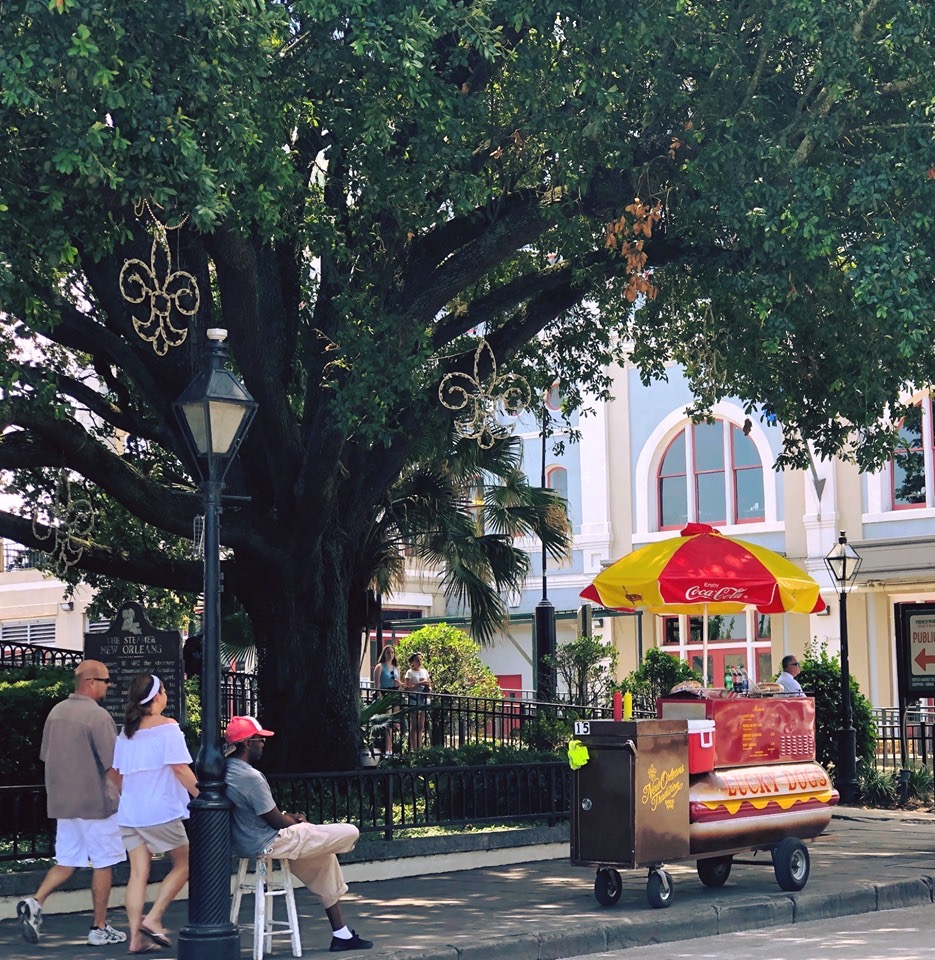
For those embarking on a journey to uncover the heart of New Orleans, “The Big Easy” is more than just a catchy phrase; it’s a philosophy, a way of life that invites visitors to slow down, savor the moment, and immerse themselves in an experience unlike any other. From the meandering curves of the Mississippi River to the lively thoroughfares of the French Quarter, New Orleans offers a destination rich in history, brimming with attractions, and promising unforgettable experiences. It’s a place where tourism flourishes not just because of its landmarks, but because of the tangible, pervasive sense of ease that makes every visit feel like a natural extension of its laid-back ethos. Understanding “The Big Easy” is to understand the very soul of New Orleans itself.
The Rhythms of a Laid-Back Life: Unpacking the Nickname’s Origins
The nickname “The Big Easy” began gaining widespread recognition in the 1970s, though its roots stretch back further into the city’s unique socio-economic and cultural history. It was popularized by local newspaper columnist James Conaway, who used it to contrast New Orleans’ unhurried, affordable lifestyle with the more frenetic, high-stakes pace of other major American cities, particularly New York City, often called “The Big Apple.” At its core, the name encapsulates the perception that life in New Orleans has historically been less stressful, more affordable, and generally more enjoyable than in its urban counterparts.
This perception wasn’t merely romanticized; it was a reality forged by several factors. The city’s economy, while vibrant, never developed the frantic, high-pressure industrial or financial pace seen elsewhere. Instead, it thrived on trade, port activities, and eventually, tourism, all of which allowed for a more relaxed approach to daily existence. Furthermore, the city’s deep cultural appreciation for leisure, music, food, and community gatherings naturally cultivated an environment where the pursuit of happiness took precedence over the relentless pursuit of wealth or status. It was a place where one could “live easy,” even on a modest income, and where the rich tapestry of local culture provided ample entertainment and social engagement.
A History Steeped in Serenity and Song
The historical context of New Orleans is fundamental to understanding its nickname. Founded by the French in 1718, then ceded to the Spanish, and finally purchased by the United States as part of the Louisiana Purchase, the city has always been a melting pot of cultures. This blend of European, African, and Caribbean influences created a distinct culture that values celebration, music, and conviviality. Unlike puritanical settlements further north, New Orleans embraced a more libertine spirit, where music and dance were not just tolerated but celebrated as essential expressions of life.
This ethos found its most iconic manifestation in jazz, a genre born in the city’s vibrant streets and clubs, particularly in areas like Tremé and the infamous Storyville district. The impromptu street performances, the mournful brass bands leading funeral processions, and the joyful sounds emanating from every bar and cafe underscore a city where music isn’t just entertainment; it’s the heartbeat. This ever-present soundtrack to daily life contributes significantly to the feeling of ease and joy. Imagine strolling through the French Quarter, the air thick with the aroma of spices and the distant wail of a saxophone – it’s an experience that inherently encourages relaxation and immersion, a stark contrast to the rush of modern life. The availability of such rich, free-flowing cultural experiences made life “easy” in a profound, soul-enriching way.
Culinary Delights and Southern Hospitality
Another cornerstone of “The Big Easy” is its world-renowned food scene and the genuine warmth of its people. New Orleans cuisine is a delicious fusion of Creole and Cajun traditions, characterized by bold flavors, fresh seafood, and generous portions. From steaming bowls of gumbo and jambalaya to crispy beignets dusted with powdered sugar, eating in New Orleans is an experience in itself, often a leisurely affair enjoyed with friends and family. The city’s culinary landscape is an integral part of its tourism appeal, drawing food enthusiasts from across the globe.
This love for food is matched only by the city’s legendary southern hospitality. Locals are known for their friendliness, their willingness to strike up a conversation, and their pride in their unique city. This welcoming attitude extends to travelers, making visitors feel less like tourists and more like temporary residents. Whether you’re seeking advice on the best po’boy sandwich or simply sharing a laugh with a bartender on Bourbon Street, the human connection is palpable and easy to forge. This authentic, unpretentious hospitality contributes immeasurably to the overall “easy” feeling of the city, fostering an environment where relaxation and enjoyment come naturally.
Navigating The Big Easy: A Traveler’s Guide
For those planning a trip, New Orleans presents a kaleidoscope of experiences. As a premier travel destination, it masterfully blends its rich history with contemporary attractions, offering something for every type of visitor. From the history buff and the food critic to the music lover and the adventurer, New Orleans delivers. Understanding how to navigate this vibrant city and where to lay your head makes the “Big Easy” experience even smoother.
Iconic Landmarks and Must-See Attractions
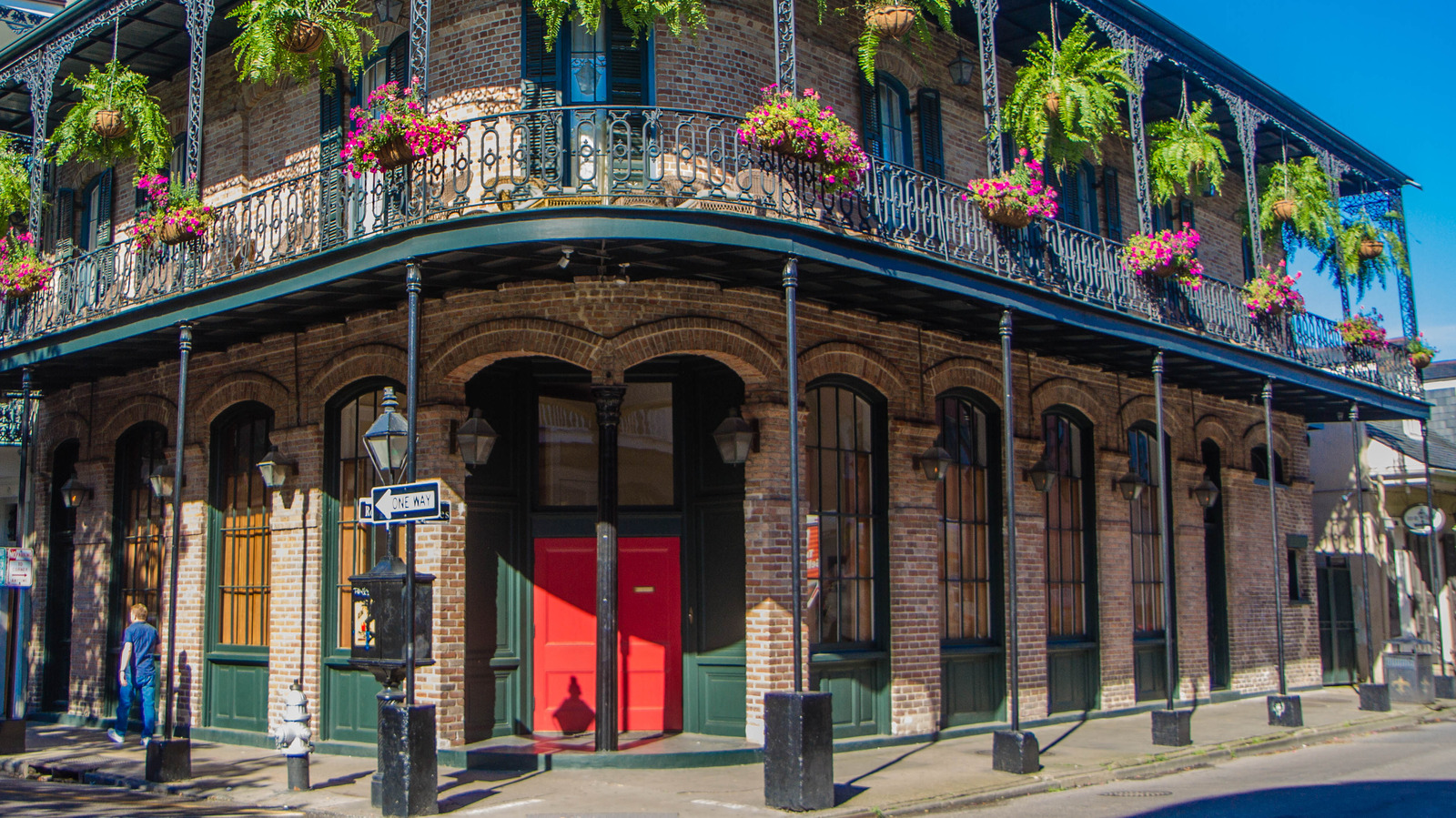
No visit to New Orleans is complete without exploring its iconic landmarks. The French Quarter, the oldest neighborhood in the city, is a designated National Historic Landmark and the undisputed heart of “The Big Easy.” Its narrow streets are lined with colorful buildings featuring elaborate cast-iron balconies, bustling courtyards, and a constant hum of activity. Here, you’ll find Jackson Square, a historic park framed by the majestic St. Louis Cathedral, one of the oldest cathedrals in the United States. Street performers, artists, and fortune tellers add to the vibrant atmosphere, making it a perfect spot for people-watching and soaking in the local culture.
A short stroll from Jackson Square leads to Bourbon Street, the epicenter of New Orleans’ nightlife. While it can be loud and boisterous, especially during events like Mardi Gras, it embodies a certain carefree energy. Beyond the French Quarter, the elegant Garden District offers a striking contrast with its stately mansions and lush gardens, best explored via a leisurely ride on the historic St. Charles Avenue streetcar. Other notable attractions include the National WWII Museum, a poignant and comprehensive tribute to World War II, and the vibrant art galleries of the Warehouse Arts District. These landmarks not only tell the city’s story but also provide a framework for a rich and varied travel itinerary.
Where to Stay: Accommodation Options for Every Lifestyle
New Orleans offers a diverse range of accommodation options, catering to every budget and travel style, reinforcing the “Big Easy” concept of making travel accessible and comfortable. For those seeking luxury, boutique hotels and grand resorts provide opulent suites and top-tier amenities. Historic hotels like The Roosevelt New Orleans, A Waldorf Astoria Hotel, Hotel Monteleone, and the Royal Sonesta Hotel New Orleans in the French Quarter offer a blend of classic elegance and modern comforts, often featuring rooftop pools, exquisite dining, and sophisticated lounges. For a more intimate, curated experience, boutique options such as The Old No. 77 Hotel & Chandlery in the Arts District or the historic Pontchartrain Hotel on St. Charles Avenue provide unique charm and personalized service. A luxurious retreat like the invented Jazzland Resort & Spa could offer a comprehensive experience with wellness facilities and entertainment.
Budget-conscious travelers can find charming guesthouses, B&Bs, and even hostels, particularly outside the immediate French Quarter. These often provide a more authentic local experience and can be excellent options for long-term stays. Family trips might lean towards serviced apartments or larger suites, offering more space and convenience. When booking, travelers should consider the location relative to their planned activities. Staying in the French Quarter means being close to the action, while the Garden District or Magazine Street offers a quieter, more residential feel. Reviews and comparison tools are invaluable for finding the perfect accommodation that fits individual needs, ensuring a comfortable base for exploring “The Big Easy”. Regardless of choice, the underlying goal is to facilitate an easy, enjoyable stay, reflecting the city’s overarching philosophy.
Experiencing New Orleans’ Unique Culture
New Orleans is a city that thrives on experience. Beyond its landmarks and lodging, the true essence of “The Big Easy” is found in its vibrant local culture, its dynamic activities, and the unique lifestyle it fosters. Tourism here is deeply experiential, inviting visitors to partake in traditions and celebrations that have shaped the city for centuries.
Festivals, Music, and the Spirit of Celebration
The spirit of celebration is perhaps the most defining characteristic of New Orleans. The city is famous for its festivals, none more so than Mardi Gras. This annual carnival, with its flamboyant parades, dazzling costumes, and spirited revelry, epitomizes the city’s embrace of joy and exuberance. But Mardi Gras is just one of many celebrations throughout the year. The New Orleans Jazz & Heritage Festival, Essence Festival, and countless smaller neighborhood festivals ensure that there’s always a party somewhere, a brass band playing, or a delicious aroma wafting through the air.
Live music is a constant in New Orleans, readily available in intimate jazz clubs, lively bars, and on street corners. Frenchmen Street, just outside the French Quarter, is a particular hotspot for live music, offering a more local and authentic experience than some of the more tourist-heavy venues. From traditional jazz and blues to funk and R&B, the city’s musical landscape is as diverse as its people. Engaging with this living musical tradition is an easy way to tap into the soul of New Orleans and feel its distinctive pulse. This vibrant lifestyle, where music and merriment are not just tolerated but actively encouraged, contributes significantly to the city’s easygoing atmosphere.
Beyond the Usual: Exploring New Orleans’ Hidden Gems
While the popular attractions are essential, “The Big Easy” also invites deeper exploration into its less-traveled paths. Taking a swamp tour into the bayous surrounding the city offers a glimpse into Louisiana’s unique natural environment and its wildlife, from alligators to migratory birds. These tours provide a serene contrast to the bustling city streets and highlight the region’s natural beauty.
For those interested in history and nature, City Park, one of the largest urban parks in the United States, is home to ancient live oak trees, charming lagoons, the New Orleans Museum of Art, and the serene Sydney and Walda Besthoff Sculpture Garden. Similarly, Audubon Park and the adjacent Audubon Zoo offer expansive green spaces perfect for relaxation and family fun. Exploring historic neighborhoods like Tremé, a cradle of African American culture and jazz, or visiting Congo Square, a significant historical landmark for enslaved Africans, provides profound insights into the city’s heritage. The Magnolia House Boutique, an imagined charming guesthouse nestled near Bayou St. John, might offer a tranquil base for such explorations, symbolizing the blend of local charm and comfort. These less-commercialized experiences highlight the richness of New Orleans’ culture and contribute to the feeling that the city effortlessly offers depth beyond its surface attractions.
Conclusion
The nickname “The Big Easy” is a perfect encapsulation of New Orleans’ enduring appeal. It speaks to a city that, despite its tumultuous history and occasional challenges, has consistently maintained a relaxed pace, a welcoming demeanor, and an unwavering commitment to the joy of living. From its deep-rooted musical traditions and unparalleled culinary scene to its distinctive architecture and the genuine warmth of its residents, every facet of New Orleans contributes to this sense of ease.
For travelers, this means an invitation to shed the stresses of daily life, to immerse themselves in a culture where celebration is a way of being, and to savor experiences at their own pace. Whether indulging in the luxury of a historic hotel or discovering local gems off the beaten path, “The Big Easy” ensures that every visit is not just a trip, but a truly effortless and enriching journey into the heart of one of America’s most beloved cities. It’s a destination where the vibrant tapestry of life is woven with threads of music, flavor, history, and an irresistible, easygoing charm that leaves a lasting impression on all who wander its captivating streets.
LifeOutOfTheBox is a participant in the Amazon Services LLC Associates Program, an affiliate advertising program designed to provide a means for sites to earn advertising fees by advertising and linking to Amazon.com. Amazon, the Amazon logo, AmazonSupply, and the AmazonSupply logo are trademarks of Amazon.com, Inc. or its affiliates. As an Amazon Associate we earn affiliate commissions from qualifying purchases.