
For countless travelers and residents alike, New York represents a mosaic of vibrant cultures, breathtaking landmarks, and unparalleled experiences. From the bustling avenues of New York City to the serene landscapes of Upstate New York, the Empire State offers an adventure for every taste. Yet, amidst the excitement of planning a trip or settling into a new routine, questions of personal safety often arise. One such question, particularly pertinent in an era where self-defense is a growing concern, is the legality of carrying Tasers within New York.
Understanding the intricate web of laws surrounding self-defense tools is crucial, not just for residents but especially for visitors who might be accustomed to different regulations in their home states or countries. For those exploring New York’s iconic destinations, staying in various accommodation types, or simply navigating daily life, clarity on this matter can significantly impact peace of mind and prevent unintentional legal complications. This comprehensive guide delves into New York’s specific laws regarding Tasers, offering insights for responsible travel and a safe lifestyle within this magnificent state.
Understanding New York’s Stance on Self-Defense Devices
The legal landscape surrounding self-defense weapons, including Tasers, in the United States is diverse, with each state and even individual municipalities often having their own specific regulations. New York has a particularly detailed and, at times, restrictive approach to these devices, shaped by both historical precedents and contemporary concerns for public safety. For anyone considering carrying a Taser or similar electronic stun gun, a thorough understanding of these nuances is not just recommended, but essential.
A Historical Overview: From Prohibition to Permittance
Historically, New York maintained a strict stance on Tasers and stun guns, categorizing them alongside firearms and other dangerous weapons. For decades, the mere possession of such a device was illegal under New York State Penal Law. This prohibition reflected a broader legislative philosophy focused on limiting potentially harmful items in public circulation, particularly in densely populated areas like New York City. The intent was to enhance public safety by reducing the availability of weapons that could be misused, regardless of their intended purpose for self-defense.
However, this long-standing prohibition faced increasing legal challenges over time, particularly in light of second amendment rights and personal safety concerns. Advocates for the legality of Tasers argued that banning them outright infringed upon an individual’s right to self-defense, especially for those who might not wish to carry a firearm or who found firearms unsuitable for their personal safety needs. They highlighted Tasers as a less-lethal alternative, capable of incapacitating an assailant without causing permanent harm, thereby providing a viable option for individuals to protect themselves without resorting to deadly force.
This legal debate eventually culminated in a landmark federal court decision in 2019. The ruling in N.Y. State Rifle & Pistol Ass’n v. Beach challenged the constitutionality of New York’s blanket ban on stun guns and Tasers. The court ultimately found that the ban was unconstitutional, citing that the devices are protected under the Second Amendment as a means of self-defense. This decision compelled New York State to revise its laws, moving from an outright prohibition to a regulated framework that allows for their possession under specific conditions. This shift marked a significant change in how the state views personal self-defense tools and has had a profound impact on residents and visitors alike who seek to enhance their personal safety.
The Current Legal Framework: What You Need to Know
Following the 2019 legal challenge, New York’s laws concerning Tasers and stun guns were updated to reflect the federal court’s ruling. As of now, it is legal to possess a Taser or stun gun in New York State, but this legality comes with specific caveats and regulations that are critical to understand. It is not a free-for-all, and substantial restrictions remain in place to ensure responsible ownership and use.
The primary condition for legal possession is that the device must be for self-defense purposes only. This immediately sets a clear boundary against using Tasers for offensive actions or any purpose other than immediate personal protection. Beyond this overarching principle, several key aspects define the current legal framework:
-
Permit Requirements: Unlike some other states where Tasers can be purchased and carried without a permit, New York still maintains a strict permitting process. To legally possess a Taser or stun gun, an individual must obtain a valid firearms license. This means that the same rigorous background checks, training requirements, and application procedures that apply to owning a handgun in New York also apply to Tasers. This requirement effectively places Tasers in a similar category to traditional firearms in terms of legal hurdles for ownership. This is a significant point for travelers, as a firearms license from another state or country will generally not suffice, and obtaining a New York State firearms license can be a lengthy and complex process, making it impractical for short-term visitors.
-
Purchase Regulations: The sale of Tasers and stun guns is also regulated. These devices can only be sold by authorized dealers who possess a federal firearms license (FFL) and a New York State dealer license. Furthermore, sales can only be made to individuals who present a valid New York State firearms license. This prevents casual purchases and ensures that only properly vetted individuals can acquire these devices.
-
Prohibited Areas and Use: Even with a permit, there are strict limitations on where Tasers can be carried and how they can be used. It is generally prohibited to carry Tasers in certain sensitive locations, such as government buildings, schools, airports, and other areas where firearms are restricted. The use of a Taser must align with self-defense principles – meaning it can only be deployed when an individual reasonably believes they are facing an imminent threat of bodily harm. Misuse of a Taser, including using it offensively or without justified cause, can lead to severe criminal charges, similar to the misuse of a firearm.
-
Age Restrictions: Only individuals 18 years of age or older are eligible to apply for a firearms license and, consequently, to possess a Taser or stun gun in New York.
This intricate legal framework underscores New York’s commitment to balancing individual self-defense rights with comprehensive public safety measures. For anyone considering a Taser as part of their personal safety strategy, whether a long-term resident of Buffalo or a visitor exploring the Brooklyn Bridge, understanding and adhering to these specific laws is paramount. Ignorance of the law is not a valid defense, and violations can lead to serious legal repercussions, including fines, imprisonment, and a criminal record.
Carrying Tasers in New York: Practicalities for Residents and Visitors
Navigating the regulations for carrying Tasers in New York requires more than just knowing they are legal under certain conditions; it demands a deep understanding of the practical implications, especially regarding permits and location-based restrictions. This is particularly relevant for those planning to immerse themselves in New York’s diverse tourism landscape, from hiking trails in the Adirondacks to cultural excursions in Manhattan.
Permit Requirements and Purchase Regulations
As established, possessing a Taser in New York necessitates a valid firearms license. This isn’t a minor administrative hurdle but a significant process, often involving:
- Application Process: Applicants must submit a detailed application to their local police department or county sheriff’s office. This typically includes personal information, references, and often an interview.
- Background Check: A thorough background check is conducted to ascertain the applicant’s criminal history, mental health status, and any other factors that might disqualify them from owning a firearm.
- Training Requirements: Many jurisdictions within New York require applicants to complete a state-approved firearms safety course. This course covers safe handling, storage, and the legal aspects of firearm ownership, which now extend to Tasers.
- Waiting Period: The processing time for a firearms license can vary significantly by county, ranging from several months to over a year in some areas, especially in more densely populated regions like New York City.
For the average tourist visiting New York, the idea of obtaining a New York State firearms license for a short trip is simply not feasible. Even for those planning an extended stay or considering long-term accommodation, the process is prohibitive for a temporary resident. This effectively means that most visitors, regardless of their home state’s laws, will not be able to legally carry a Taser in New York.
Furthermore, the purchase regulations reinforce this barrier. Tasers can only be bought from licensed dealers, who are mandated to verify a valid New York State firearms license before completing a sale. Attempting to bring a Taser purchased out-of-state into New York without the requisite license is also illegal and can lead to severe penalties, including felony charges. This detail is crucial for travelers who might legally own and carry a Taser in their home jurisdiction and assume reciprocity. New York does not offer such reciprocity for Tasers, just as it doesn’t for firearms.
Where Can You Carry? Navigating Public and Private Spaces
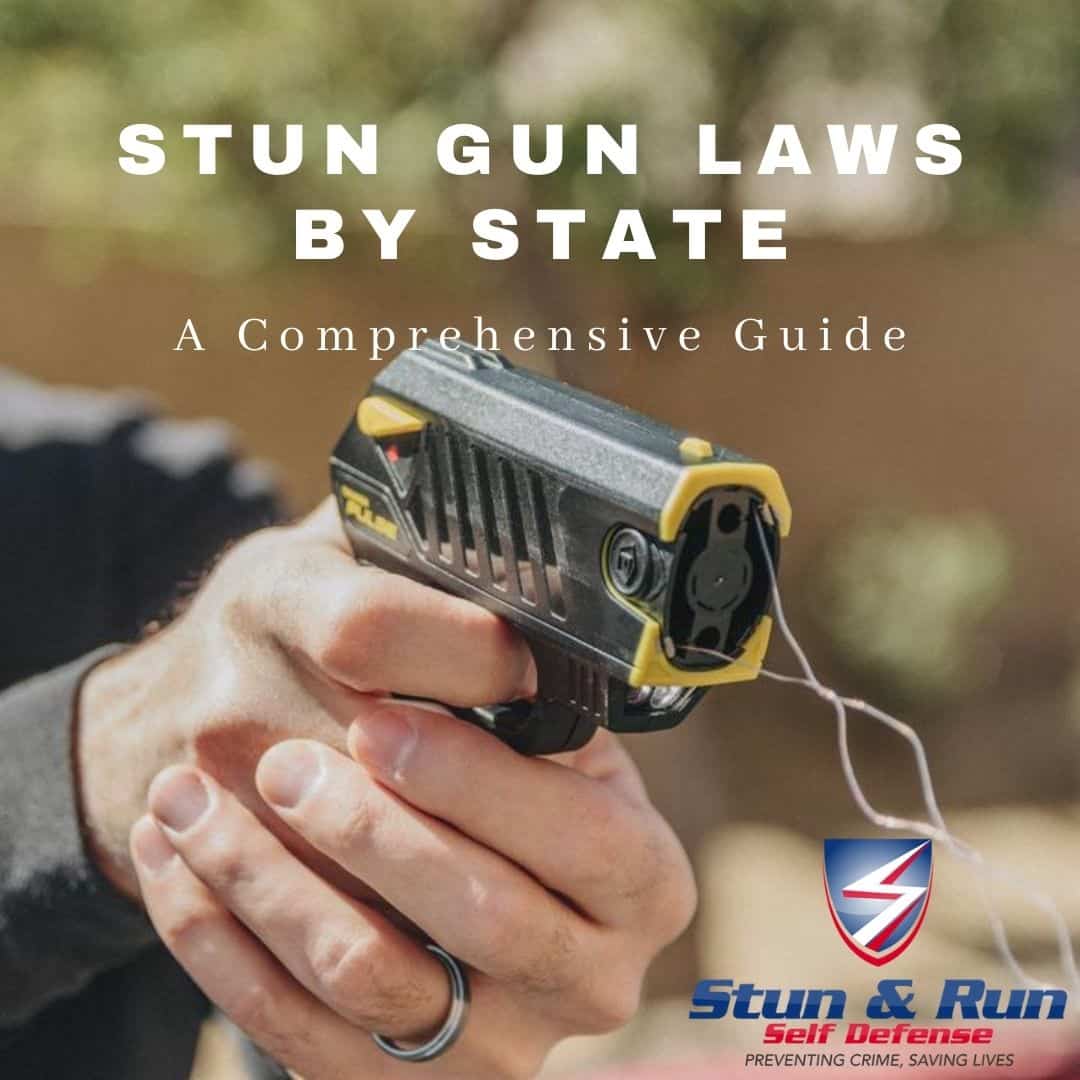
Even for those few individuals who legitimately possess a New York State firearms license allowing them to carry a Taser, the freedom to carry is not absolute. New York law imposes significant restrictions on where these devices can be carried, particularly in public spaces. These restrictions are primarily aimed at enhancing safety in areas with high pedestrian traffic or vulnerable populations.
Common prohibited locations include:
- Schools and Educational Institutions: This applies to K-12 schools, colleges, and universities.
- Government Buildings: Courthouses, administrative offices, and legislative buildings.
- Public Transportation: Subways, buses, trains, and transportation hubs like Grand Central Terminal or Penn Station in New York City.
- Airports: Within terminals and secured areas.
- Polling Places: During elections.
- Places of Worship: In many instances, especially when carrying a concealed weapon.
- Private Establishments: Many private businesses, hotels, resorts, and attractions have their own policies prohibiting weapons, even if legal under state law. For instance, a luxury hotel might have a strict “no weapons” policy that guests are expected to adhere to. Similarly, major tourist attractions like the Statue of Liberty, Empire State Building, or Times Square may have enhanced security measures and prohibitions against such devices.
For travelers, this means that even if, hypothetically, they met the permit requirements, their Taser would likely need to be left securely stored in their hotel room or vehicle for the majority of their travel itinerary. This significantly diminishes the practical utility of carrying such a device for self-defense while exploring the state’s popular sights and engaging in various activities.
The implication for both residents and visitors is clear: simply having a permit does not grant unlimited freedom to carry a Taser anywhere. A deep awareness of location-specific restrictions is paramount to avoid legal trouble, which could quickly turn a dream New York vacation into a nightmare. Responsible self-defense in New York involves far more than just possessing a tool; it requires a comprehensive understanding of where and how that tool can legally and safely be used.
Beyond Tasers: A Holistic Approach to Personal Safety in New York
Given the strict regulations surrounding Tasers in New York, it becomes evident that relying solely on such a device for personal safety is impractical for most individuals, especially visitors. Instead, a more holistic and proactive approach to safety, emphasizing situational awareness, responsible choices, and non-lethal alternatives, offers a more effective strategy for a worry-free travel or living lifestyle in the Empire State.
Essential Safety Tips for Travelers in the Empire State
Whether you’re exploring the bustling streets of New York City, enjoying the natural beauty of Upstate New York, or visiting vibrant cities like Rochester or Syracuse, adopting smart safety practices can significantly enhance your experience.
-
Situational Awareness is Key: This is arguably the most potent self-defense tool. Be aware of your surroundings at all times. Avoid distractions like constantly looking at your phone. Observe people and situations around you. Trust your instincts – if a place or situation feels unsafe, remove yourself from it. This applies whether you’re walking through a crowded Times Square or a quiet street in Albany.
-
Plan Your Routes: Especially when exploring unfamiliar areas, plan your walking or driving routes in advance. Use reliable navigation apps and stick to well-lit, populated areas, especially at night. For those relying on public transport in New York City, understand subway and bus lines before you embark.
-
Secure Your Valuables: Keep wallets, phones, and other valuables out of sight and secure. Use cross-body bags or money belts. Avoid displaying large amounts of cash or expensive jewelry. When dining out, keep your bag on your lap or hooked to your chair, not on the back of it.
-
Travel in Groups When Possible: There’s safety in numbers. If you’re out late, try to travel with companions. If solo, inform someone of your whereabouts and expected return time.
-
Utilize Ride-Sharing Safely: When using ride-sharing services, always verify the car and driver match the information provided in the app before getting in. Share your trip details with a trusted contact.
-
Emergency Preparedness:
- Know Emergency Numbers: Dial 911 for emergencies in the United States.
- Keep Your Phone Charged: A dead phone is useless in an emergency. Consider carrying a portable power bank.
- Identify Safe Havens: Mentally note nearby businesses, hotels, or police stations where you could seek help if needed.
-
Non-Lethal Alternatives (within legal bounds): While Tasers are restricted, other less-lethal self-defense items might be legal depending on local ordinances. Pepper spray, for instance, is legal for self-defense in New York with certain restrictions (e.g., must be sold by a licensed firearms dealer, limited size, intended for self-defense only, and cannot be shipped). Always verify current local laws for any device you consider carrying. Personal safety alarms are another excellent, universally legal option that can draw attention and deter an assailant.
Choosing Safe Accommodation and Exploring Neighborhoods Responsibly
Your choice of accommodation and how you interact with different neighborhoods significantly impact your safety and overall travel experience in New York.
-
Research Your Hotels and Neighborhoods: Before booking, research the safety reputation of the specific area where your hotel, suite, or apartment is located. Look for reviews that mention safety or neighborhood atmosphere. Websites specializing in neighborhood data can also provide valuable insights. A luxury resort in a well-trafficked area might offer a different sense of security than a budget villa in a less-known district.
-
Hotel Safety Practices:
- Secure Your Room: Always use all available locks on your hotel room door, including the deadbolt and security chain.
- Don’t Announce Your Room Number: Be discreet when discussing your room number in public areas.
- Use the Safe: Store valuables, including passports, extra cash, and expensive gadgets, in the in-room safe.
- Be Mindful of Strangers: Don’t let unknown individuals into your room. If someone claims to be hotel staff, verify their identity with the front desk.
- Emergency Exits: Familiarize yourself with the location of emergency exits and stairwells upon arrival.
-
Respect Local Culture and Norms: New York, especially New York City, is a melting pot of cultures. Being respectful of local customs and avoiding behavior that might be perceived as disrespectful or overtly flashy can help you blend in and avoid unwanted attention. Tourism tips often emphasize cultural sensitivity.
-
Be Cautious of Scams: Tourist areas, such as Union Square or Herald Square, can sometimes be targeted by petty scammers. Be wary of individuals offering unsolicited “help,” asking for money with elaborate stories, or engaging in street games with improbable winnings.
-
Nightlife Safety: If you plan to enjoy New York’s vibrant nightlife, drink responsibly. Never leave your drink unattended. Arrange for safe transportation home in advance, whether it’s a reputable taxi, ride-share, or public transport with a group.
By integrating these safety practices into your travel planning and daily routine, you can significantly mitigate risks and focus on enjoying the unparalleled beauty and excitement that New York has to offer. Personal safety is an ongoing commitment, and thoughtful preparation is the best self-defense tool you can carry.
In conclusion, while the answer to “Are Tasers legal in New York?” is technically “yes,” the stringent permit requirements and numerous restrictions make them an impractical and often inaccessible self-defense option for most, particularly visitors. New York’s legal framework prioritizes public safety through comprehensive regulation, demanding that residents undergo the same rigorous process as for firearms ownership. For travelers, this means the most effective strategy for personal safety lies not in attempting to carry prohibited devices, but in embracing situational awareness, diligent planning, and utilizing widely accepted, legal safety measures. By being informed and proactive, everyone can enjoy the wonders of the Empire State with confidence and peace of mind.
LifeOutOfTheBox is a participant in the Amazon Services LLC Associates Program, an affiliate advertising program designed to provide a means for sites to earn advertising fees by advertising and linking to Amazon.com. Amazon, the Amazon logo, AmazonSupply, and the AmazonSupply logo are trademarks of Amazon.com, Inc. or its affiliates. As an Amazon Associate we earn affiliate commissions from qualifying purchases.