
For anyone planning a trip to the Empire State or considering a longer stay, understanding local regulations is paramount for a smooth and enjoyable experience. When it comes to the question of concealed carry, New York presents a complex and stringent legal landscape that stands in stark contrast to many other parts of the United States. Whether you’re interested in exploring New York City’s iconic landmarks, enjoying the natural beauty of Upstate New York, or simply passing through, navigating the state’s gun laws requires careful attention and prior knowledge. This guide will delve into the intricacies of New York’s concealed carry regulations, particularly focusing on what visitors and residents need to know to ensure legal compliance while enjoying all that New York has to offer in terms of travel, tourism, accommodation, and lifestyle.
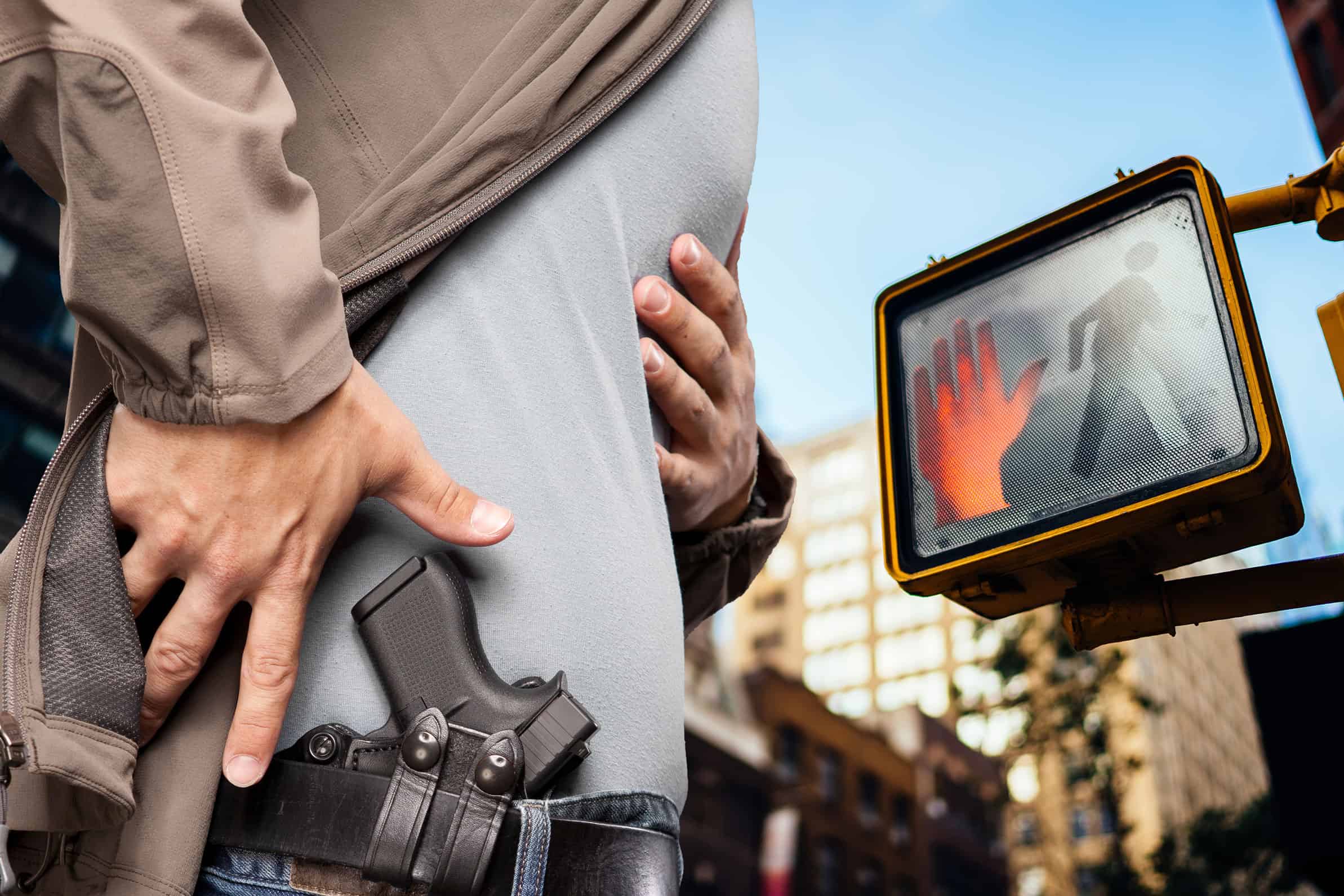
Understanding New York’s Strict Gun Control Landscape
New York has historically maintained some of the nation’s most restrictive gun laws, a stance reinforced by recent legislative actions. Unlike many states with more permissive “shall-issue” permit systems, New York has traditionally operated under a “may-issue” standard, meaning that even if an applicant meets all objective criteria, the issuing authority retains discretion to deny a permit. This fundamental approach shapes the entire concealed carry environment within the state.
The “May-Issue” Standard and Permit Requirements
Historically, obtaining a concealed carry permit in New York has been a rigorous process, particularly in densely populated areas like New York City and its surrounding counties. Applicants typically needed to demonstrate “proper cause” – a heightened need for self-defense beyond the general desire for protection. This requirement made permits exceedingly difficult for the average citizen to acquire.
However, a landmark Supreme Court decision in NYSRPA v. Bruen in June 2022 struck down New York’s “proper cause” requirement, affirming a constitutional right to carry firearms in public for self-defense. In response to this ruling, New York State quickly enacted the Concealed Carry Improvement Act (CCIA) in September 2022. The CCIA fundamentally changed the landscape, replacing the “proper cause” requirement with expanded eligibility criteria and introducing new concepts of “sensitive” and “restricted” locations.
Under the CCIA, applicants for a concealed carry permit must still meet stringent requirements, including:
- Being at least 21 years old.
- Demonstrating “good moral character.”
- Completing a comprehensive 16-hour classroom training course and a 2-hour live-fire training course.
- Undergoing a thorough background check, including social media review.
- Participating in an in-person interview.
- Providing a list of former and current social media accounts from the last three years.
Even with these requirements met, the process is lengthy, and permits are still issued by local licensing officers (judges or police chiefs), who retain some discretion based on the “good moral character” assessment. It’s crucial to understand that a permit issued in one part of New York State, such as Buffalo or Rochester, might not be honored with the same practical ease or understanding in another, particularly in New York City, which has its own distinct permit categories and even stricter enforcement.
Distinguishing Between Open and Concealed Carry
In New York, open carry of firearms is generally prohibited throughout the state, making concealed carry the only practical (and legally regulated) option for individuals authorized to carry. Even then, the regulations surrounding where and when one can concealed carry are exceptionally strict. Unlike some states where open carry is widely accepted or at least tolerated, openly displaying a firearm in New York without explicit law enforcement authorization is almost certainly a criminal offense, even if you possess a permit.
Reciprocity for Out-of-State Visitors
This is perhaps the most critical point for travelers: New York State does NOT recognize concealed carry permits from any other state. This means that a permit valid in, say, Florida, Texas, or Pennsylvania, provides no legal authority to carry a concealed firearm in New York. Bringing a firearm into New York without a valid New York State permit, even if legally owned and permitted in your home state, can lead to severe felony charges, significant fines, and potential imprisonment.
While the federal Firearm Owners’ Protection Act (FOPA) allows for the interstate transport of unloaded, cased, and inaccessible firearms (e.g., in a trunk, separate from ammunition) when traveling from a place where one can legally possess a firearm to another, this protection is extremely limited and does not grant the right to carry in New York. FOPA only protects transport through the state; any deviation from a direct route or any attempt to access the firearm within New York could expose you to prosecution. For most visitors, the safest and simplest advice is to leave firearms at home.
Navigating “Sensitive” and “Restricted” Locations Under the CCIA
The Concealed Carry Improvement Act (CCIA) introduced a broad and far-reaching framework of “sensitive” and “restricted” locations where concealed carry is explicitly prohibited, even for those with a valid New York concealed carry permit. This dramatically impacts the practical ability to carry a firearm in public spaces throughout the state.
What Constitutes a “Sensitive Location”?
“Sensitive locations” are places where the state has determined that the presence of firearms poses a heightened risk or is incompatible with the primary function of the location. Carrying a concealed firearm in any of these areas is a felony, regardless of whether you hold a valid New York permit. This extensive list includes, but is not limited to:
- Government buildings: Federal, state, and local, including courthouses, polling places, and legislative buildings (e.g., in Albany).
- Educational institutions: All schools (K-12 and colleges/universities), daycares, and children’s camps.
- Public transportation: Subways, buses, trains, ferries, and terminals, including airports (e.g., JFK, LaGuardia).
- Places of worship: Churches, synagogues, mosques, temples, etc.
- Healthcare facilities: Hospitals, clinics, nursing homes, and other healthcare settings.
- Entertainment venues: Theaters (Broadway), concert halls, stadiums, museums, art galleries, zoos, casinos.
- Public gatherings: Fairs, protests, rallies, and other events requiring permits.
- Alcohol-serving establishments: Bars and restaurants primarily serving alcohol.
- Specific public spaces: Times Square in New York City is explicitly designated as a sensitive location.
- Parks and playgrounds: Public parks, playgrounds, and recreational facilities.
The sheer breadth of this list means that even a permit holder in New York will find very few public spaces where concealed carry is actually permissible. For a tourist, nearly every destination – from the Statue of Liberty to a Broadway show, a visit to the Metropolitan Museum of Art or a stroll through Central Park – will be a “no-carry” zone.
The “Restricted Locations” and “No-Carry” Default
Beyond sensitive locations, the CCIA also established a default “no-carry” rule for all private property that is open to the public, unless the property owner explicitly posts clear and conspicuous signage indicating that firearms are permitted. This flips the traditional understanding of private property rights on its head. Instead of needing to post “no guns” signs, property owners must now post “guns allowed” signs.
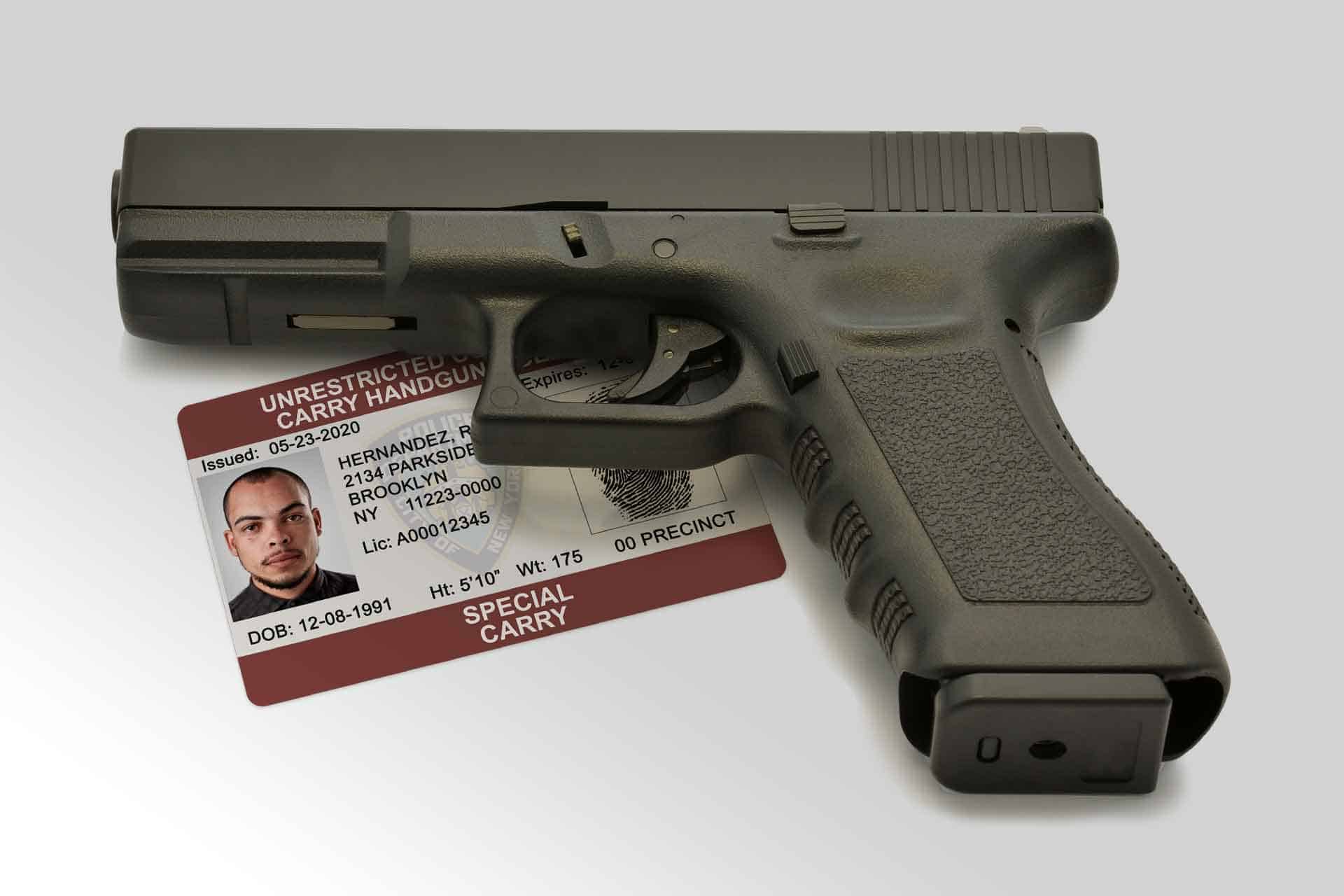
This has profound implications for businesses, including hotels, shops, restaurants, and private rental properties. Without specific signage permitting firearms, these locations are considered “restricted,” making concealed carry illegal even for New York permit holders. The vast majority of private establishments, especially in urban areas like New York City, are unlikely to post “guns allowed” signs, effectively making most commercial and residential spaces off-limits for concealed carry.
Practical Considerations for Travelers and Visitors
Given the strictness of New York’s gun laws, travelers must exercise extreme caution and make informed decisions about bringing firearms into the state.
Planning Your Trip to New York with a Firearm
For the overwhelming majority of visitors, the most straightforward and legally sound advice is to DO NOT bring a firearm to New York unless you are a New York State resident who possesses a valid New York concealed carry permit and are intimately familiar with all current state and local laws, including the extensive list of “sensitive” and “restricted” locations.
If you are merely transiting through New York to another state where you can legally possess a firearm, ensure strict adherence to federal FOPA guidelines: the firearm must be unloaded, stored in a locked container, and kept in a part of the vehicle not readily accessible (e.g., the trunk). Ammunition must be stored separately. Any stop beyond basic necessities (gas, food, restroom) could be interpreted as a deviation, potentially voiding FOPA protection. Even with FOPA, carrying the firearm on your person within New York is strictly prohibited.
For any specific questions or complex travel scenarios, it is highly recommended to consult a legal professional specializing in New York gun law before your trip. Ignorance of the law is not a defense, and the consequences of non-compliance are severe.
Accommodation and Hotel Policies
The “restricted locations” provision of the CCIA has direct implications for where you might stay. Most hotels, motels, and other accommodations in New York will likely be considered “no-carry” zones unless they explicitly post signage allowing firearms. This means that even if you somehow manage to legally possess a firearm in New York, carrying it into your hotel room or public areas of the hotel would be unlawful without explicit permission.
Guests should inquire directly with their chosen accommodation provider about their specific policies regarding firearms, though it’s prudent to assume a “no-carry” default. Similarly, if you are utilizing platforms like Airbnb or other vacation rental properties, be aware that the property owner’s specific rules will apply in addition to state law. It is highly unlikely that any host in New York would explicitly permit firearms, and violating their rules could lead to immediate cancellation of your stay and further legal issues.
Navigating New York City and Its Landmarks
New York City is unique in its density and strict enforcement, often adding another layer of complexity. As mentioned, Times Square is a specifically designated “sensitive location,” making carry there illegal even with a New York permit. Beyond this, virtually all major New York City landmarks and tourist attractions fall under the umbrella of “sensitive locations” or are private properties unlikely to allow firearms.
Consider famous sites like:
- The Statue of Liberty and Ellis Island (federal property, sensitive location).
- The Empire State Building (private commercial building, likely restricted).
- Central Park (public park, sensitive location).
- Broadway theaters (entertainment venues, sensitive location).
- Museums like the Metropolitan Museum of Art or the Museum of Modern Art (sensitive locations).
For travelers focused on experiencing New York’s vibrant tourism and rich culture, the safest approach is to assume that firearms are prohibited in nearly every public and commercial space you will encounter.
Consequences of Non-Compliance and Best Practices
The penalties for violating New York’s gun laws are severe, particularly for unlawful concealed carry.
Severe Penalties for Violations
Bringing a firearm into New York without a valid New York State permit, or carrying one in a prohibited “sensitive” or “restricted” location, can result in felony charges. A conviction can lead to:
- Substantial jail time: Ranging from several years to potentially more than a decade, depending on the specific charge (e.g., felony possession).
- Significant fines: Tens of thousands of dollars.
- Permanent criminal record: This can impact future travel, employment, and the ability to own firearms in the future, even in your home state.
- Confiscation of the firearm: The firearm will be seized and not returned.
Law enforcement in New York and New York City are known for their aggressive enforcement of gun laws. An arrest for a gun-related offense, even if unintentional, will be a lengthy, costly, and extremely stressful ordeal.

Prioritizing Safety and Legal Compliance
For most travelers and visitors, the answer to “Can you conceal carry in New York?” is a resounding NO, unless you are a New York resident with a valid permit and an in-depth understanding of the CCIA’s limitations. Even then, the practical ability to carry is extremely restricted.
To ensure a worry-free and enjoyable visit to New York, prioritize legal compliance and responsible travel planning:
- Leave Firearms at Home: Unless you possess a valid New York State concealed carry permit, the safest course of action is to not bring any firearms into the state.
- Educate Yourself: If you are a New York permit holder, regularly review the latest statutes and understand all “sensitive” and “restricted” locations. Check the official New York State Police website for the most current information.
- Consult Legal Counsel: For any doubts or complex scenarios, seek advice from a New York attorney specializing in firearms law.
- Enjoy New York Responsibly: Focus on experiencing the unique attractions, diverse culture, and world-class tourism New York has to offer, confident that you are doing so within the bounds of the law.
In conclusion, while the question of concealed carry often sparks debate, the legal reality in New York is clear: it is one of the most restrictive states in the nation. For travelers, understanding and respecting these laws is crucial for a safe, legal, and truly memorable New York experience.
LifeOutOfTheBox is a participant in the Amazon Services LLC Associates Program, an affiliate advertising program designed to provide a means for sites to earn advertising fees by advertising and linking to Amazon.com. Amazon, the Amazon logo, AmazonSupply, and the AmazonSupply logo are trademarks of Amazon.com, Inc. or its affiliates. As an Amazon Associate we earn affiliate commissions from qualifying purchases.