
The bustling energy of New York City and the monumental grandeur of Washington D.C. stand as two of the United States’ most iconic urban centers, each offering a distinct yet equally captivating experience. For travelers eager to explore the diverse tapestry of the East Coast, the question of “How far is DC from New York City?” is often the first step in planning an unforgettable journey. While seemingly distant in their respective roles – NYC as a global financial and cultural hub, and DC as the nation’s political heart – these two metropolises are remarkably well-connected, making a combined itinerary not only feasible but highly recommended.
The journey between these two powerhouses is more than just a matter of miles; it’s an opportunity to traverse a corridor rich in history, culture, and scenic beauty. Whether you’re a history buff, an art aficionado, a business traveler, or a family seeking adventure, understanding the distance, travel times, and various transportation options is crucial for maximizing your travel experience. This guide delves into the logistics of traveling between New York and Washington, offering insights into travel modes, exploring the unique attractions of each city, and providing essential tips for accommodation and an enriching lifestyle on the road.
The Journey Between Two Iconic Cities: Distance and Travel Time
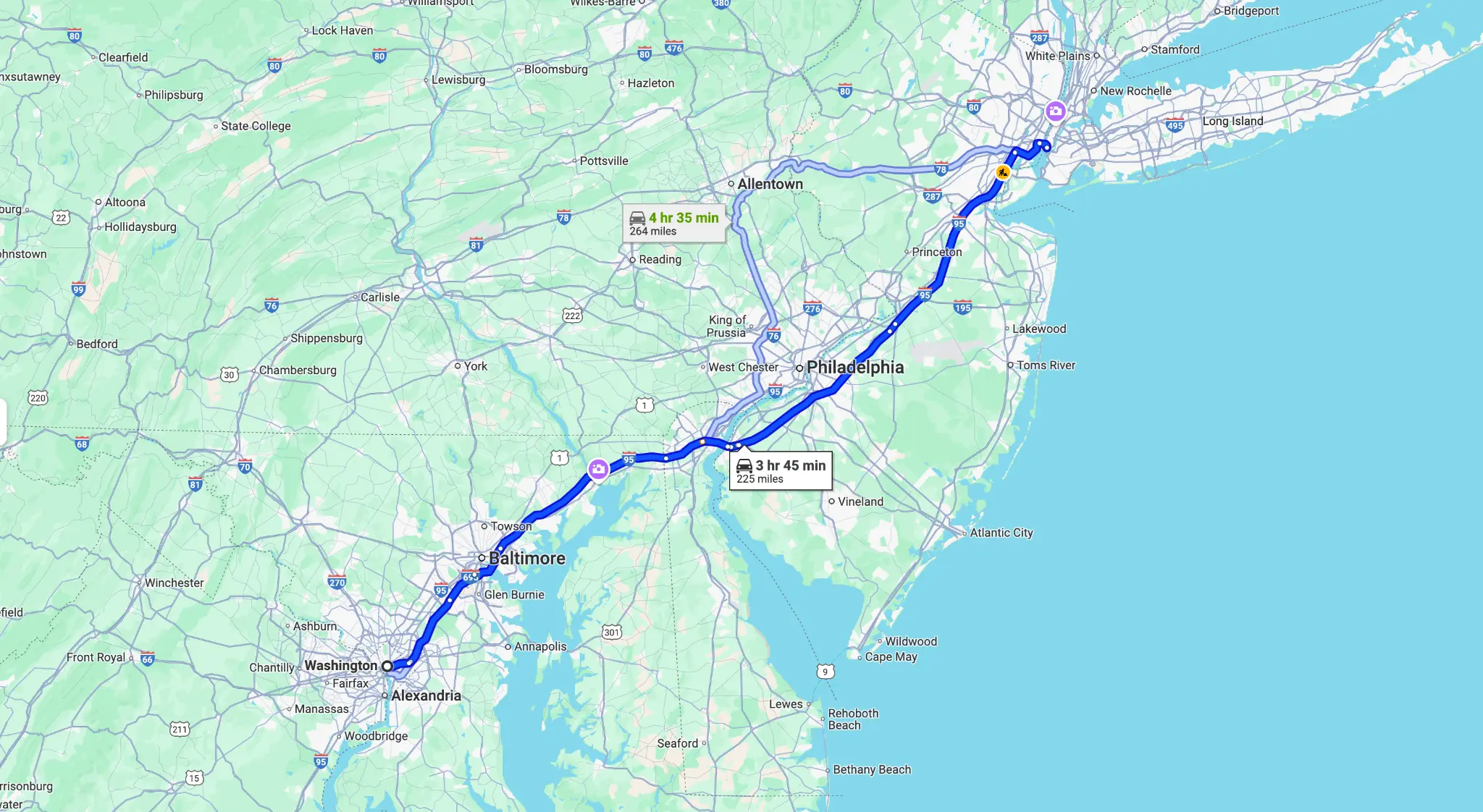
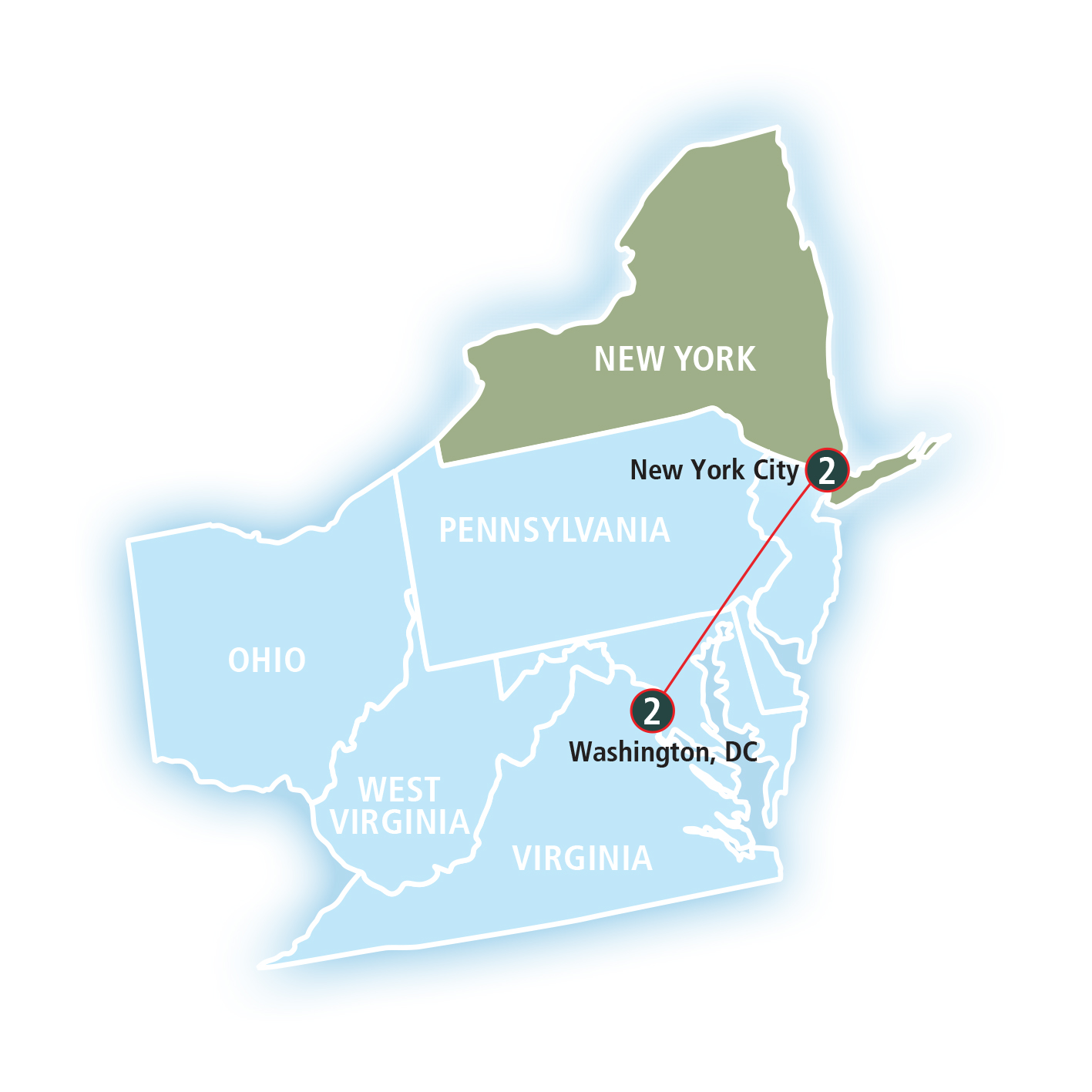
At its core, the distance between Washington D.C. and New York City is approximately 200 to 230 miles (320 to 370 kilometers), depending on the specific starting and ending points within each urban sprawl. This relatively short distance makes it an ideal route for various modes of transportation, each offering its own blend of convenience, cost, and comfort. The choice of travel dictates not only the time spent in transit but also the overall experience of the journey itself.
By Road: Driving the Scenic Route
For those who prefer the flexibility and freedom of personal transport, driving from DC to NYC is a popular option. The drive typically takes 3.5 to 5 hours under ideal traffic conditions. However, it’s crucial to factor in potential delays, especially during peak travel times, holidays, or adverse weather. The primary route involves taking I-95 North, a major interstate highway that connects much of the East Coast.
Driving offers the distinct advantage of being able to stop at interesting points along the way. Philadelphia, known for its rich historical significance, including the Liberty Bell and Independence Hall, is roughly halfway and makes for an excellent lunch break or a brief sightseeing detour. Baltimore, with its charming Inner Harbor, is another viable stop. For families, having a car allows for easier transport of luggage and the flexibility to deviate from the main route to explore smaller towns or attractions. However, be prepared for tolls, particularly in Delaware, New Jersey, and around New York City, and the challenge of parking, which can be expensive and difficult to find in both destination cities.
Riding the Rails: Amtrak’s Northeast Corridor
Traveling by train along Amtrak’s Northeast Corridor is arguably one of the most efficient and comfortable ways to commute between Washington D.C. and New York City. Amtrak offers several services, including the high-speed Acela Express and the more economical Northeast Regional train.
- Acela Express: This premium service boasts a travel time of approximately 2 hours and 50 minutes to 3 hours. It’s the fastest option, ideal for business travelers or those willing to pay a bit more for speed and comfort. Amenities typically include spacious seating, Wi-Fi, and a cafe car.
- Northeast Regional: This service takes a bit longer, usually around 3 hours and 30 minutes to 4 hours. It’s a more budget-friendly option, still offering comfortable seating and Wi-Fi.
Both services depart from Washington D.C.’s historic Union Station and arrive at New York City’s Moynihan Train Hall (and formerly Penn Station), placing you directly in the heart of downtown, ready to connect to local transportation. The train journey allows passengers to relax, work, or enjoy the passing scenery without the stress of traffic or navigation, making it a popular choice for many.
Bus Travel: An Economical Option
For budget-conscious travelers, bus services provide the most economical way to travel between DC and NYC. Several reputable companies, including Greyhound, Megabus, and Peter Pan Bus Lines, operate frequent daily routes.
- Duration: Bus journeys typically range from 4.5 to 6 hours, heavily dependent on traffic conditions, particularly when entering or exiting major cities.
- Cost: Tickets can be significantly cheaper than train or airfare, especially if booked in advance.
Buses usually offer amenities like Wi-Fi, power outlets, and reclining seats. They depart from central locations like Union Station in Washington D.C. and arrive at various points in New York City, including Port Authority Bus Terminal or curbside stops. While slower than trains, buses are a practical choice for students, backpackers, or anyone looking to minimize travel expenses without sacrificing convenience.
Taking to the Skies: Flights for the Time-Conscious
While the flight time itself is incredibly short – typically around 1 hour to 1 hour and 15 minutes – air travel between Washington D.C. and New York City often takes longer overall due to the time spent on airport logistics. When accounting for travel to and from airports, security checks, boarding, and potential delays, the total journey time can easily extend to 3 to 5 hours, sometimes even matching or exceeding train travel.
- Washington D.C. Airports: Travelers can choose from Ronald Reagan Washington National Airport (DCA), which is closest to Downtown DC and easily accessible via metro, or Dulles International Airport (IAD), located further out in Virginia.
- New York City Airports: NYC is served by three major airports: John F. Kennedy International Airport (JFK), LaGuardia Airport (LGA), and Newark Liberty International Airport (EWR) in New Jersey. Each has varying accessibility to Manhattan and other boroughs.
Flights are generally recommended only if you find a particularly good deal or if your travel plans involve connecting flights beyond NYC or DC. Otherwise, the train often offers a more seamless and less stressful city-to-city experience.
Exploring Washington D.C.: A Capital of Culture and History
Once you arrive in Washington D.C., you step into the heart of American democracy and history. The city is meticulously planned, with its most famous landmarks often within walking distance of each other, particularly around the iconic National Mall.

Must-See Landmarks and Attractions
Washington D.C. is a treasure trove of historical sites and world-class museums, many of which offer free admission.
- The National Mall: This expansive green space is home to the Lincoln Memorial, Washington Monument, World War II Memorial, and Reflecting Pool. It’s the perfect place for a leisurely stroll and reflection on American history.
- Smithsonian Museums: A collection of 19 museums and galleries, the Smithsonian Institution offers something for everyone. Highlights include the National Air and Space Museum, the National Museum of Natural History, and the National Museum of American History.
- U.S. Capitol Building and Library of Congress: Marvel at the neoclassical architecture of the Capitol and explore the vast intellectual riches within the neighboring Library of Congress, a truly stunning building.
- The White House: While tours require advance planning through your congressional representative, even viewing the iconic residence from outside its perimeter is a memorable experience.
- Georgetown: Beyond the monuments, Georgetown offers a charming escape with its historic streets, upscale boutiques, and diverse dining options. It’s ideal for an afternoon of shopping and enjoying the local ambiance.
Where to Stay: Accommodation in the Nation’s Capital
Washington D.C. provides a range of accommodation options to suit every budget and travel style, from luxurious hotels to cozy boutique stays and extended-stay apartments.
- Luxury Travel: For an opulent experience, consider hotels near the White House or Lafayette Square, such as The Hay-Adams or The St. Regis Washington, D.C.. These offer unparalleled service and prime locations.
- Boutique and Mid-Range: Areas like Dupont Circle, Logan Circle, and Penn Quarter are home to numerous stylish boutique hotels and reputable chain hotels like those under the Kimpton Hotels brand. These neighborhoods offer vibrant nightlife, excellent restaurants, and good access to public transport.
- Budget Travel and Long-Term Stay: For those on a tighter budget or planning a longer visit, consider areas slightly further out but still well-connected by metro, such as Adams Morgan or even Arlington, Virginia. Extended-stay hotels or apartment rentals can also provide more space and amenities like kitchens, ideal for family trips or business stays. Booking in advance, especially during peak legislative sessions or major events, is highly recommended.
Culinary Delights and Local Experiences
Washington D.C.’s culinary scene is as diverse as its population. From high-end dining experiences catering to diplomats and politicians to casual eateries beloved by locals, there’s a flavor for every palate. Don’t miss trying a classic D.C. half-smoke hot dog from Ben’s Chili Bowl for an authentic local taste. The city also boasts an impressive array of international cuisines, particularly in neighborhoods like Adams Morgan and Columbia Heights. Beyond food, explore the vibrant arts scene, catch a performance at the Kennedy Center, or simply soak in the dynamic atmosphere of a city where history is made daily.
Discovering New York City: The Ultimate Urban Adventure
Arriving in New York City is an experience in itself, a sensory overload of towering skyscrapers, bustling streets, and an unmistakable energy that pulses through every borough. NYC truly lives up to its reputation as the “city that never sleeps,” offering an endless array of attractions, entertainment, and culinary experiences.
Iconic Sights and Sounds of the Big Apple
New York City’s landmarks are globally recognized, drawing millions of visitors each year.
- Times Square: Immerse yourself in the dazzling lights and vibrant billboards of Times Square, the epicenter of Broadway and commercial activity.
- Statue of Liberty and Ellis Island: Take a ferry to visit the iconic Statue of Liberty, a symbol of freedom, and explore Ellis Island, the historic gateway for immigrants to America.
- Empire State Building and One World Trade Center: Ascend to the observation decks of these architectural marvels for breathtaking panoramic views of the city skyline.
- Central Park: Find a serene escape in the sprawling Central Park, an urban oasis perfect for walking, jogging, or simply relaxing amidst nature.
- Broadway: No visit to NYC is complete without catching a world-class show on Broadway.
- Museums: Explore world-renowned institutions like the Metropolitan Museum of Art, the Museum of Modern Art (MoMA), and the American Museum of Natural History.
- Brooklyn Bridge: Walk or bike across the historic Brooklyn Bridge for stunning views of the Manhattan skyline and to explore the vibrant borough of Brooklyn.
Finding Your Perfect Stay: NYC Accommodation Guide
Accommodation in New York City is diverse and can cater to any budget, though prices are generally higher than in DC. The key is to choose a neighborhood that aligns with your travel plans and lifestyle preferences.
- Luxury Stays: For an iconic experience, The Plaza Hotel overlooking Central Park or the St. Regis New York in Midtown offer unparalleled luxury and service. Many luxury resorts and suites are concentrated in Midtown and Upper East Side.
- Boutique Hotels: Neighborhoods like Greenwich Village, SoHo, and the Lower East Side are renowned for their unique boutique hotels, each with its distinct character and charm. These are excellent choices for travelers seeking a more localized and stylish experience.
- Mid-Range and Budget-Friendly: While true budget hotels are harder to find in Manhattan, looking slightly outside the absolute center or in outer boroughs like Brooklyn (e.g., Williamsburg) or Queens (e.g., Long Island City) can yield more affordable options, often with easy subway access to key attractions. Hostels are also available for the most budget-conscious.
- Apartments and Long-Term: For families or longer stays, consider booking an apartment through various platforms, providing more space and the option to self-cater, which can save on dining expenses. Always compare booking platforms and read reviews carefully.
From Broadway to Brunch: Lifestyle and Leisure
New York City’s lifestyle is synonymous with its vibrant culinary scene, world-class entertainment, and endless shopping opportunities. Sample everything from a classic New York-style pizza to Michelin-starred dining experiences. Explore diverse neighborhoods like Chinatown or Little Italy for authentic cultural immersion. Beyond Broadway, discover off-Broadway productions, live music venues, comedy clubs, and art galleries. Shopping ranges from luxury brands on Fifth Avenue to unique boutiques in the Village. Whether your interests lie in fashion, food, art, or nightlife, NYC offers an unmatched urban adventure.
Planning Your Trip: Tips for a Seamless Experience
Traveling between DC and NYC can be incredibly rewarding with the right planning. A seamless trip involves strategic booking, understanding local transportation, and tailoring your itinerary to your travel style.
Budgeting and Booking Strategies
- Book in Advance: Regardless of your chosen mode of transport, booking train, bus, or flight tickets well in advance, especially for popular times, can lead to significant savings. This also applies to popular hotels and attractions, as many require timed entry tickets.
- Accommodation Comparison: Use comparison websites to find the best deals on hotels, suites, or apartments. Consider staying just outside the main tourist zones for better value, ensuring easy access to public transportation.
- Public Transport Passes: Both Washington D.C. and New York City have excellent public transportation systems (Metro in DC, Subway in NYC). Purchasing multi-day passes or using contactless payment options like OMNY in NYC can be more cost-effective than individual fares.
- Free Attractions: Take advantage of the numerous free attractions, particularly the Smithsonian Museums in DC and walking through Central Park or across the Brooklyn Bridge in NYC.
Combining Business with Leisure
For business travelers, the proximity of DC and NYC offers a unique opportunity to blend professional commitments with leisure and tourism.
- Strategic Planning: Schedule meetings efficiently to free up afternoons or evenings for sightseeing. The Acela Express is particularly beneficial for this, allowing work on the go and quick transit.
- Business-Friendly Hotels: Many hotels in both cities cater to business travelers, offering amenities like executive lounges, high-speed Wi-Fi, and meeting rooms. Consider hotels near your meeting locations for convenience.
- Cultural Experiences: After a day of meetings, unwind by exploring a museum, catching a Broadway show, or enjoying a gourmet dinner. These experiences can enhance productivity and provide a valuable cultural break.
Family-Friendly Adventures
Both Washington D.C. and New York City offer countless activities for families, ensuring a memorable trip for all ages.
- Interactive Museums: In DC, the National Air and Space Museum and National Museum of Natural History are huge hits with children. In NYC, the American Museum of Natural History and the Intrepid Sea, Air & Space Museum are fantastic.
- Parks and Playgrounds: Utilize the green spaces like Central Park in NYC and the National Mall in DC for kids to run around and enjoy some fresh air.
- Kid-Friendly Shows: Broadway in NYC often features family-oriented musicals, while DC has various theaters with youth programming.
- Accommodation with Amenities: When booking accommodation, look for hotels or apartments that offer family-friendly amenities like pools, connecting rooms, or kitchenettes to make your stay more comfortable.
The journey between Washington D.C. and New York City is more than just a commute; it’s an integral part of an enriching East Coast travel experience. Whether you seek the solemn beauty of national monuments or the exhilarating pulse of an international metropolis, these two cities, though distinct, complement each other perfectly. Armed with this knowledge of distances, travel options, and local insights, you’re well-equipped to plan a memorable adventure that seamlessly blends history, culture, and urban excitement.
LifeOutOfTheBox is a participant in the Amazon Services LLC Associates Program, an affiliate advertising program designed to provide a means for sites to earn advertising fees by advertising and linking to Amazon.com. Amazon, the Amazon logo, AmazonSupply, and the AmazonSupply logo are trademarks of Amazon.com, Inc. or its affiliates. As an Amazon Associate we earn affiliate commissions from qualifying purchases.