
The journey between Washington D.C., the political heart of the United States, and New York City, its bustling economic and cultural capital, is one of the most frequently traversed routes on the East Coast. For travelers, whether embarking on a business trip, a family vacation, or a solo adventure, understanding the distance, travel options, and potential experiences along this corridor is essential for planning a seamless and enjoyable journey. This article delves into the specifics of this popular route, offering insights into travel logistics, accommodation choices, and opportunities to enrich your overall experience.

The Distance Between Two Iconic Cities
The question of “how far” between these two monumental cities isn’t just about miles; it’s about the journey itself, the time it takes, and the myriad of experiences that can be woven into the travel fabric.
Understanding the Geographical Divide
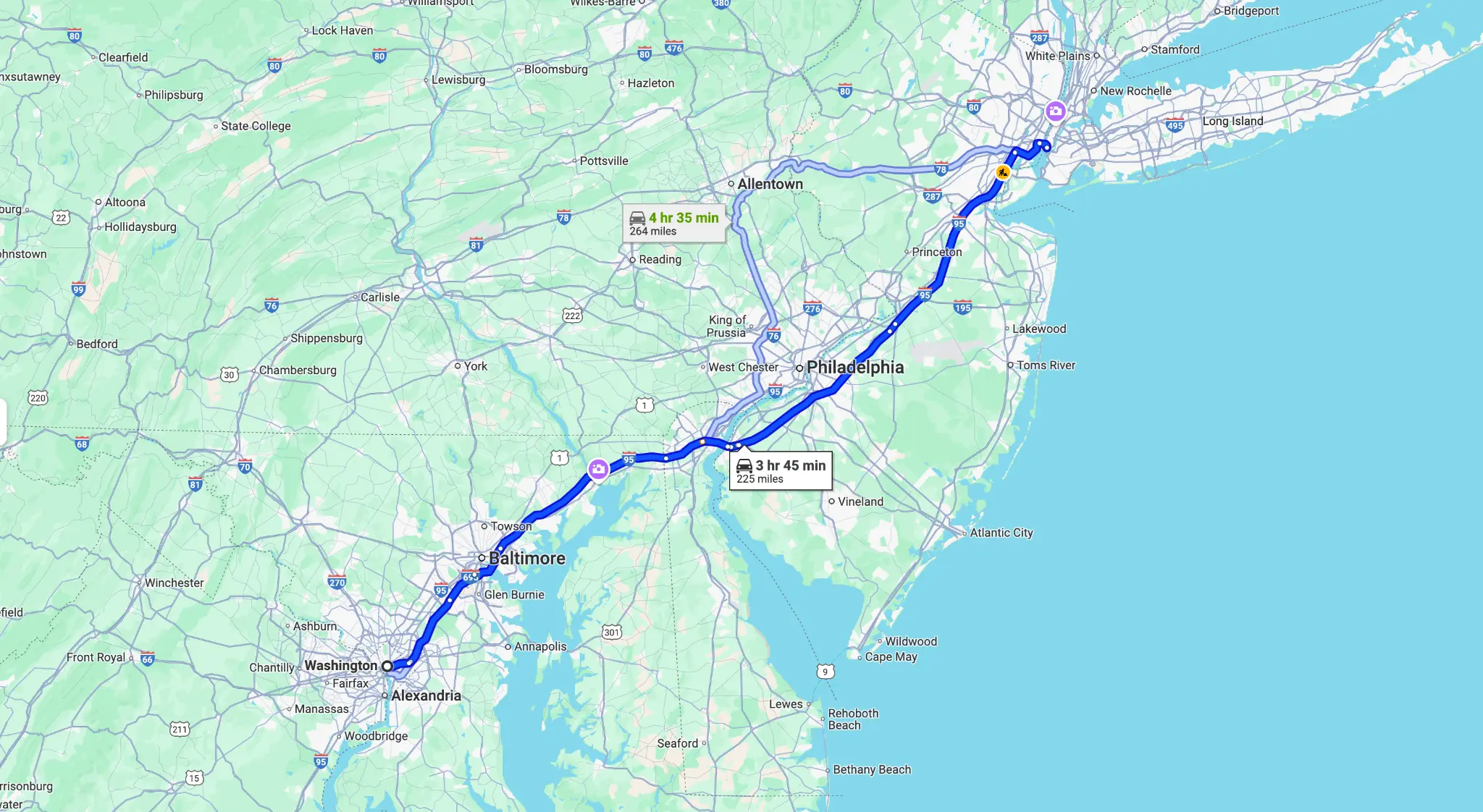
Geographically, the distance between Washington D.C. and New York City varies slightly depending on the exact starting and ending points within each metropolitan area and the mode of transportation.
- By road, the approximate driving distance is around 200 to 230 miles (320 to 370 kilometers). This primarily follows the I-95 corridor, cutting through parts of Maryland, Delaware, Pennsylvania, and New Jersey before reaching New York City.
- As the crow flies (a straight-line distance), it’s roughly 185 to 200 miles (298 to 322 kilometers). This is relevant for air travel, though actual flight paths will be slightly longer.
The travel time can range significantly based on your chosen method. Driving typically takes 3.5 to 5 hours without significant traffic or stops, while high-speed rail can connect the cities in under 3 hours. Buses offer a more economical but generally longer trip, and flying, while shortest in actual airtime, often involves considerable time spent at airports.
Navigating the Journey: Transportation Options
Choosing the right mode of transportation is crucial for any trip, especially when balancing cost, time, and comfort. Between Washington D.C. and New York City, travelers have several excellent options, each with its own set of advantages and considerations.
Driving: Flexibility and Scenic Routes
Driving offers unparalleled flexibility, allowing travelers to set their own pace, make impromptu stops, and explore off-the-beaten-path attractions. The primary route is Interstate 95 (I-95), a major north-south artery on the East Coast.
- Pros: Freedom to explore, convenient for carrying luggage, suitable for families with children, and the possibility of scenic detours.
- Cons: Traffic congestion, especially around major cities like Baltimore, Philadelphia, and entering New York City; tolls can accumulate, and parking in New York City is notoriously expensive and challenging to find. Fuel costs are also a factor.
- Estimated Time: 3.5 to 5 hours under ideal conditions, but easily extended to 6-8 hours with traffic or stops.
Tips for Drivers: Consider traveling during off-peak hours to avoid heavy traffic. Utilize GPS apps that provide real-time traffic updates. If you plan to park in New York City, research parking garages and their rates in advance, or consider parking outside Manhattan and taking public transport in.
Rail Travel: Comfort and Convenience
Train travel between Washington D.C. and New York City is a popular choice, renowned for its comfort, convenience, and efficiency. Amtrak operates frequent services along this corridor.
-
Acela Express: This high-speed service is the fastest option, connecting Washington D.C. to New York City in approximately 2 hours and 50 minutes to 3 hours. It offers business and first-class seating, Wi-Fi, and a cafe car. Ideal for business travelers or those prioritizing speed.
-
Northeast Regional: A more economical and frequent option, taking around 3.5 to 4 hours. It makes more stops but still provides a comfortable journey with amenities like Wi-Fi and a cafe car.
-
Stations: In Washington D.C., trains depart from the historic Union Station. In New York City, they arrive at Moynihan Train Hall, a stunning new facility across from the iconic Penn Station, both centrally located in Manhattan.
-
Pros: Avoids traffic, comfortable seating, city-center to city-center travel, allowing immediate access to public transportation upon arrival. Offers a productive environment for work or relaxation.
-
Cons: Can be more expensive than bus travel, especially for Acela Express tickets booked last minute.
Bus Services: Budget-Friendly and Accessible
Bus travel offers the most economical way to journey between Washington D.C. and New York City. Several companies operate along this route, providing frequent departures throughout the day.
-
Major Operators: Greyhound, Megabus, and Peter Pan Bus Lines are among the most popular. Many offer amenities such as Wi-Fi, power outlets, and reclining seats.
-
Estimated Time: Approximately 4 to 5.5 hours, depending on traffic, stops, and the specific service.
-
Terminals: Buses typically depart from various locations in Washington D.C., including near Union Station, and arrive at Port Authority Bus Terminal in New York City, a central hub in Manhattan.
-
Pros: Significantly cheaper than train or air travel, frequent schedules, and generally direct routes.
-
Cons: Longer travel times due to traffic, less personal space compared to trains, and can be less comfortable for some travelers.
Flying: The Fastest, But Not Always the Easiest
While the actual flight time between Washington D.C. and New York City is only about 1 hour, the total travel time often negates the speed advantage due to airport procedures.
-
Airports:
- D.C. Area: Ronald Reagan Washington National Airport (DCA) is closest to downtown and offers direct metro access. Washington Dulles International Airport (IAD) and Baltimore/Washington International Thurgood Marshall Airport (BWI) are further out but serve more airlines and routes.
- NYC Area: LaGuardia Airport (LGA) is closest to Manhattan. John F. Kennedy International Airport (JFK) and Newark Liberty International Airport (EWR) (in New Jersey) are larger international hubs with more flight options but require longer travel to/from Manhattan.
-
Total Travel Time: Expect 3.5 to 5 hours minimum, accounting for travel to and from airports, check-in, security, and potential delays.
-
Pros: Shortest in-air travel time, can be competitive in price if booked far in advance, especially from BWI or EWR.
-
Cons: The most expensive option when considering total costs (airfare, airport transfers, baggage fees). Time-consuming due to airport logistics. Environmentally less friendly than ground transport.
Enhancing Your Journey: Travel Experiences and Accommodation
Beyond simply getting from point A to point B, the journey between Washington D.C. and New York City offers ample opportunities for cultural immersion, historical exploration, and luxurious or budget-friendly stays.
Making the Most of Your Trip: Stopovers and Attractions
For those choosing to drive, or even if traveling by bus or train and wishing to extend their trip, several compelling stopover options can enrich the experience.
- Baltimore, Maryland: A vibrant city just an hour’s drive north of Washington D.C.. Its Inner Harbor is a major tourist destination, featuring attractions like the National Aquarium, the historic ships of Fell’s Point, and a lively culinary scene.
- Philadelphia, Pennsylvania: Roughly halfway between D.C. and NYC, Philadelphia is steeped in American history. A stop here allows you to visit Independence Hall, the Liberty Bell, and explore the charming Philadelphia’s Historic District. Don’t forget to try a famous cheesesteak!
- Gettysburg Battlefield, Pennsylvania: For history buffs, a detour slightly west of I-95 to Gettysburg offers a profound look into one of the most pivotal battles of the American Civil War. This National Military Park is an incredibly moving and educational experience.
These stops transform a simple commute into a rich cultural and historical journey, aligning perfectly with the tourism aspect of travel.
Accommodation in Washington D.C. and New York City
Both Washington D.C. and New York City are major global destinations, offering an extensive range of accommodation options to suit every preference and budget. Whether you’re seeking luxury travel or budget-friendly stays, a memorable experience awaits.
- Hotels: From grand, historic hotels like The Willard InterContinental in D.C. or The Plaza Hotel in NYC to modern boutique hotels in neighborhoods like SoHo or Georgetown, the choices are vast. Many offer a range of amenities, including spas, fine dining, and business centers.
- Suites and Apartments: For longer stays, families, or those desiring more space and a kitchen, serviced apartments or extended-stay suites provide a home-away-from-home feel. These can be found throughout both cities, offering a more localized experience.
- Resorts and Villas: While more common outside the immediate city centers, some upscale options in surrounding areas offer resort-like amenities. In New York City, particularly, some luxury hotels offer expansive suites that mimic the privacy and exclusivity of villas.
- Budget Accommodation: Hostels, guesthouses, and economy hotels provide excellent options for budget travelers without compromising on access to key attractions. Websites for booking and comparison are essential tools for finding the best deals and reading reviews.
When booking, consider the proximity to public transportation, specific attractions you plan to visit, and the type of experience you desire. Reviews and comparisons are invaluable for making informed decisions on amenities, location, and overall value.
Lifestyle and Travel Styles
The contrast between Washington D.C. and New York City extends beyond their primary functions; it also shapes the lifestyle and travel styles they cater to.
- Washington D.C.: Often perceived as more stately and refined, D.C. offers a wealth of free museums (Smithsonian Institutions), historic monuments (Lincoln Memorial, Washington Monument), and beautiful green spaces. It’s ideal for those interested in history, politics, and culture, often attracting business travelers and family trips focused on education.
- New York City: A city of unparalleled energy, New York City is a hub for arts (Broadway), fashion, finance, and food. Its dynamic pace and diverse neighborhoods (Times Square, Central Park, Greenwich Village) appeal to luxury travelers seeking exclusive experiences, budget travelers looking for endless free activities, and solo adventurers immersing themselves in urban exploration.
Understanding these distinct vibes helps in tailoring your activities and choosing your accommodation, ensuring your trip aligns with your personal lifestyle and travel preferences.
Planning Your Perfect Getaway: Tips and Considerations
A well-planned trip enhances the entire experience. From understanding the best time to visit to managing your budget, a few key considerations can make your journey between Washington D.C. and New York City even more enjoyable.
Best Time to Travel
The seasons significantly impact the travel experience, affecting weather, crowd levels, and pricing.
- Spring (April-May): Generally considered the best time to visit both cities. The weather is mild and pleasant, cherry blossoms bloom in Washington D.C. (late March to mid-April), and outdoor activities in New York City are delightful. Expect moderate crowds and prices.
- Fall (September-October): Another excellent period with crisp weather, beautiful foliage, and cultural events. Tourist numbers are high but manageable, and prices can be competitive.
- Summer (June-August): Hot and humid, especially in D.C., but bustling with tourists. Airfare and hotel prices tend to be higher due to peak vacation season. Attractions are crowded.
- Winter (November-March): Cold, with chances of snow, particularly in New York City. This is often the cheapest time to travel, except for the holiday season (late November-December), when prices surge for festive events. Attractions are less crowded, offering a unique, often magical, experience (especially New York City at Christmas).
Consider your tolerance for heat, crowds, and budget when deciding on your travel dates.
Budgeting Your Trip
Costs can vary widely depending on your chosen travel style and accommodation.
- Transportation: Bus is generally the cheapest, followed by off-peak train tickets, then flying (if booked well in advance and including all fees), and finally driving (when factoring in fuel, tolls, and parking).
- Accommodation: This will likely be your largest expense. Booking in advance, especially during peak season, can secure better rates. Consider staying slightly outside the most central areas for more affordable options, relying on excellent public transport.
- Food and Activities: Both cities offer a spectrum from street food and free museums to Michelin-starred restaurants and Broadway shows. Plan your itinerary to balance paid attractions with free ones, and explore diverse culinary options.
- Local Transport: Utilize public transportation (metro, subway, buses) in both cities. They are efficient and cost-effective ways to navigate, especially in New York City, where driving and parking are impractical.

Essential Packing and Local Insights
- Packing: Pack according to the season. Comfortable walking shoes are a must for exploring both pedestrian-friendly cities. Layering is always a good idea, as temperatures can fluctuate, even within a single day.
- Public Transport: Familiarize yourself with the public transport systems. In D.C., the Metro is clean and efficient. In NYC, the subway runs 24/7 and is the quickest way to get around. Purchase a SmarTrip card for D.C. and a MetroCard for NYC.
- Safety: Both cities are generally safe for tourists, but always be aware of your surroundings, especially in crowded areas or late at night. Keep valuables secure.
- Local Culture: Embrace the distinct cultures of each city. D.C.’s focus on history and government contrasts with NYC’s vibrant arts and multiculturalism. Engaging with local food scenes, from D.C.’s Ethiopian restaurants to NYC’s diverse delis, adds a rich layer to your travel experience.
The journey between Washington D.C. and New York City is more than just a commute; it’s an opportunity to traverse a significant historical and cultural corridor of the United States. With approximately 200-230 miles separating them, a variety of transportation modes cater to every need, from the rapid Acela Express to the scenic freedom of a road trip. Whether you’re drawn by the solemn monuments of D.C. or the glittering skyscrapers of NYC, careful planning and an openness to discovery will ensure a memorable and enriching travel experience.
LifeOutOfTheBox is a participant in the Amazon Services LLC Associates Program, an affiliate advertising program designed to provide a means for sites to earn advertising fees by advertising and linking to Amazon.com. Amazon, the Amazon logo, AmazonSupply, and the AmazonSupply logo are trademarks of Amazon.com, Inc. or its affiliates. As an Amazon Associate we earn affiliate commissions from qualifying purchases.