
The question “How far is Michigan from New York?” might seem straightforward, but it opens up a world of travel possibilities, revealing diverse landscapes, vibrant cities, and unique cultural experiences across the northeastern and Great Lakes regions of the United States. For travelers planning an adventure, understanding the distance is merely the first step. The true journey lies in exploring the various ways to connect these two dynamic states, the attractions that lie between them, and the distinct charms each has to offer. Whether you’re a luxury traveler seeking bespoke experiences, a budget-conscious adventurer, a family on vacation, or a business professional, the route from Michigan to New York can be tailored to fit your preferences, offering everything from bustling urban explorations to serene natural retreats.

This comprehensive guide will delve into the geographical realities, explore the myriad transportation options, highlight key destinations and landmarks in both states, and provide essential tips for planning your perfect trip. From the iconic skyline of New York City to the pristine shores of Lake Michigan, prepare to embark on a journey that blends practical travel advice with inspiring destination insights, helping you navigate the distance and discover the unforgettable experiences awaiting you.
The Geographic Reality: Distance and Driving Time
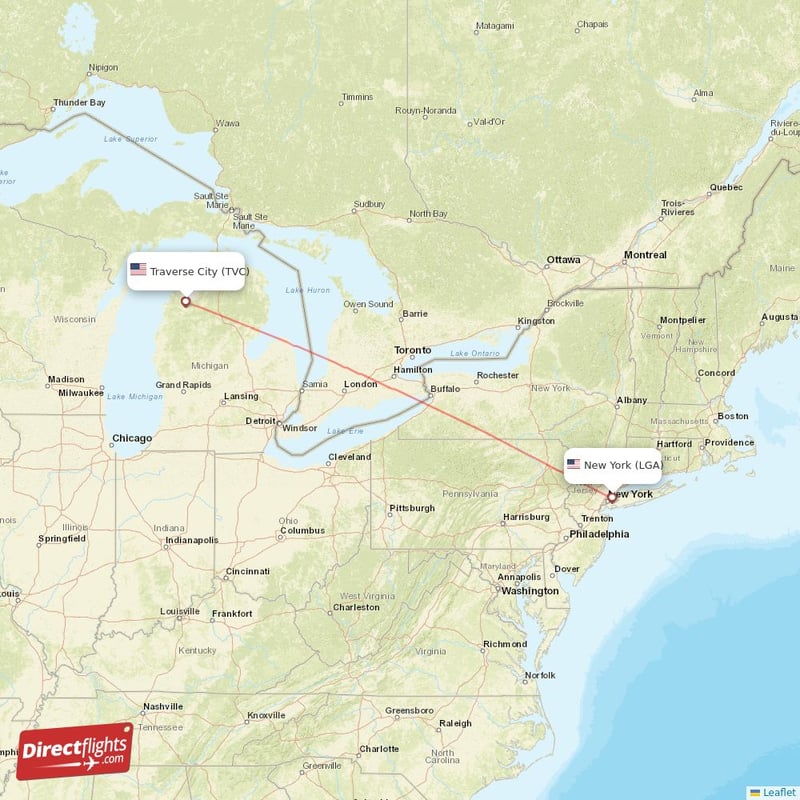
At its core, the distance between Michigan and New York varies significantly depending on your specific starting and ending points. Both states are large, encompassing a wide array of cities and regions. For instance, traveling from Detroit, Michigan to New York City is a much different proposition than going from Traverse City, Michigan to Buffalo, New York. Generally, the most common travel routes connect major metropolitan areas, providing the clearest picture of the distance and time involved.
Key Routes and Mileage Estimates
Most journeys between these two states involve traversing parts of Ohio and Pennsylvania. The typical driving distance between Detroit and New York City is approximately 600 to 650 miles (965 to 1045 kilometers). This central route provides a good benchmark.
- Detroit to New York City: The most direct path often involves taking Interstate 80 East through Ohio and Pennsylvania, connecting to Interstate 78 or Interstate 81 into New Jersey and then across to Manhattan. This journey typically takes 9 to 11 hours of pure driving time.
- Grand Rapids, Michigan to New York City: If starting from western Michigan, the distance increases slightly to around 700-750 miles (1125 to 1207 kilometers), with a driving time of 11 to 13 hours.
- Ann Arbor, Michigan to Buffalo, New York: For a shorter cross-state trip, consider the route from southeastern Michigan to western New York. This journey is closer to 250-300 miles (400-480 kilometers) and can be completed in 4 to 5 hours of driving.
These estimates are for continuous driving and do not account for stops for fuel, food, rest, or potential traffic delays.
Factors Influencing Driving Time
Several elements can significantly impact your total travel time:
- Traffic: Urban centers like Detroit, Cleveland, Pittsburgh, and particularly the approaches to New York City, are prone to heavy traffic during peak hours, weekends, and holidays. Factor in extra time, especially if arriving or departing during these periods.
- Road Construction: Major interstates are constantly undergoing maintenance. Checking real-time traffic apps before and during your journey is crucial.
- Weather Conditions: Snow and ice in winter, or heavy rain and fog in other seasons, can slow down travel considerably and make driving hazardous.
- Personal Pace: Some travelers prefer to make the drive in one long push, while others opt for an overnight stop, particularly for journeys exceeding 8-9 hours. This can transform a 10-hour drive into a two-day scenic road trip.
Navigating the Journey: Transportation Options
While driving offers flexibility, it’s certainly not the only way to travel between Michigan and New York. Depending on your budget, time constraints, and travel preferences, you have several viable options, each offering a distinct experience.
Flying: The Fastest Connection
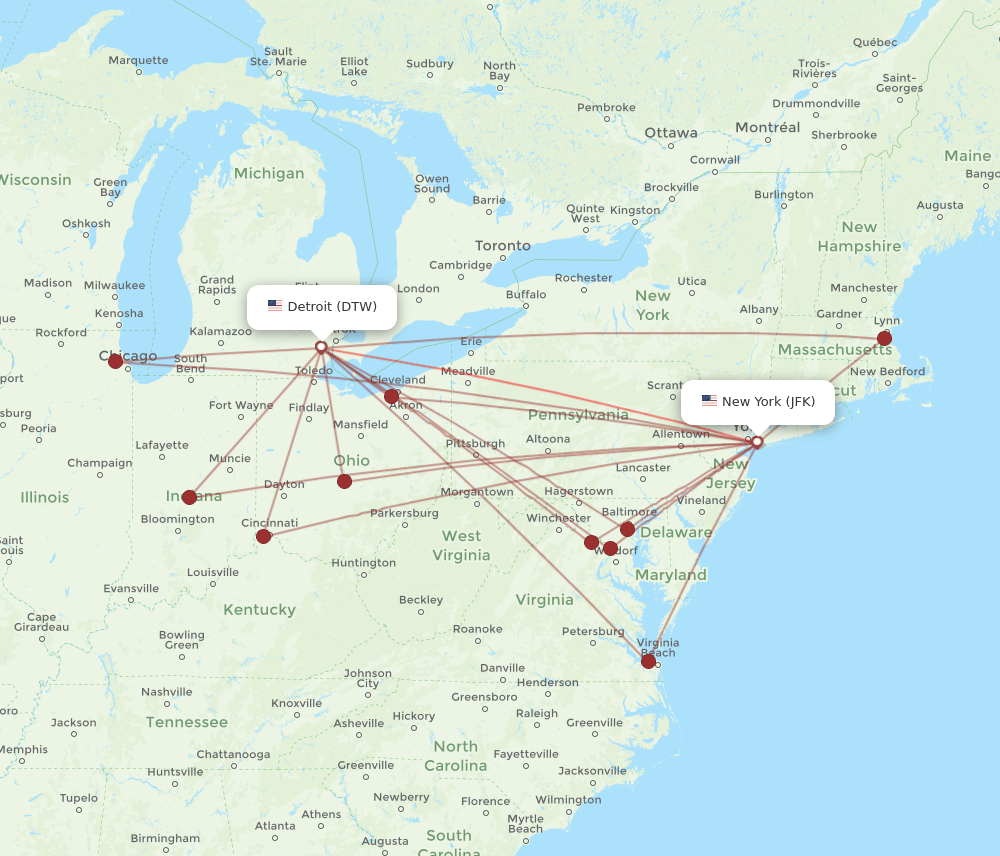
For those prioritizing speed, flying is undoubtedly the most efficient way to bridge the distance. Non-stop flights between major airports typically take around 1.5 to 2 hours in the air.
- Major Airports in Michigan: The primary hub is Detroit Metropolitan Wayne County Airport (DTW), offering numerous daily flights to New York. Other regional airports like Gerald R. Ford International Airport (GRR) in Grand Rapids also provide connections, often with one stop.
- Major Airports in New York: The New York City area is served by three major airports: John F. Kennedy International Airport (JFK), Newark Liberty International Airport (EWR) in New Jersey (but serving the New York City metro area), and LaGuardia Airport (LGA). Upstate New York also has international airports in Buffalo (BUF), Rochester (ROC), and Syracuse (SYR), which can be convenient for destinations like Niagara Falls or the Finger Lakes.
- Overall Travel Time: While the flight itself is short, remember to account for airport check-in, security, boarding, and travel to and from the airports. This can add 3-4 hours to your journey, making the total door-to-door travel time comparable to a long drive, but with less personal effort behind the wheel.
- Booking and Amenities: Airlines like Delta, American, United, and Southwest frequently offer flights. Booking in advance can secure better fares, and considering amenities like extra legroom or in-flight entertainment can enhance the experience, especially for business travelers or those seeking luxury travel options.
Train and Bus: Scenic and Economical Alternatives
For a more relaxed pace or budget-conscious travel, trains and buses present excellent alternatives. While slower than flying, they offer the opportunity to sit back, enjoy the scenery, and avoid the stresses of driving.
- Train Travel (Amtrak): Amtrak provides service between Michigan and New York. For example, a journey from Detroit to New York City with transfers (often in Chicago or Toledo) can take anywhere from 12 to 18 hours or more. While longer, it offers comfortable seating, dining cars, and a unique perspective on the landscape. This can be a great option for travelers who prefer slow travel or those looking to connect with the journey itself.
- Bus Travel (Greyhound, Megabus): Bus services like Greyhound and Megabus offer the most economical way to travel. A bus trip from Detroit to New York City typically ranges from 12 to 15 hours, depending on the route and number of stops. While less luxurious, modern buses often come equipped with Wi-Fi and power outlets, making them suitable for students, budget travelers, or those who enjoy the simplicity of bus travel.
Road Tripping: The Ultimate American Adventure
For many, the appeal of a road trip is undeniable. It offers unparalleled flexibility, allowing you to create your own itinerary, explore hidden gems, and experience the journey at your own pace.
- Flexibility and Discovery: A road trip allows for spontaneous detours to charming small towns, roadside attractions, or scenic overlooks. You can stop at your leisure, whether it’s for a meal at a local diner, a quick hike, or an overnight stay in a quaint B&B.
- Potential Stopovers: Given the 9-11 hour driving time to New York City, an overnight stop can enhance the experience. Popular midway points include cities in Ohio like Cleveland or Akron, or in Pennsylvania like Pittsburgh or Harrisburg. These cities offer their own attractions, from museums and historical sites to diverse culinary scenes, transforming a long drive into a multi-destination adventure.
- Car Rental Considerations: If you don’t own a car or prefer not to put miles on yours, car rental services are widely available. Consider rental companies that offer one-way rentals if you plan to fly back or vice versa. Ensure your rental includes unlimited mileage and check for any additional fees.
- Essential Packing: For a road trip, prepare a cooler with snacks and drinks, a first-aid kit, a car charger, and entertainment for passengers. GPS navigation is a must, though traditional maps can be a fun backup.
Exploring the Destinations: What Awaits in Michigan and New York?
Both Michigan and New York are incredibly diverse states, offering a rich tapestry of experiences for every type of traveler. From world-class urban centers to breathtaking natural wonders, your journey can be filled with discovery.
Discovering New York: Beyond the Big Apple
While New York City often dominates the perception of the state, the rest of New York offers a wealth of attractions, blending history, nature, and unique local cultures.
- New York City: The undisputed capital of culture, finance, and fashion. Visitors can spend weeks exploring Manhattan’s iconic landmarks: the Empire State Building, Times Square, Central Park, and the Statue of Liberty. Beyond these, delve into vibrant neighborhoods like Greenwich Village, SoHo, and Brooklyn’s Dumbo for diverse culinary experiences, world-class museums, and unforgettable nightlife. Accommodation ranges from luxury hotels like The Plaza to boutique hotels in Brooklyn and budget-friendly hostels.
- Niagara Falls: On the western border with Canada, the thundering Niagara Falls is a natural wonder that draws millions annually. Experience the falls up close on the Maid of the Mist boat tour or explore Niagara Falls State Park.
- Finger Lakes: A picturesque region known for its eleven long, narrow lakes, rolling hills, and award-winning wineries. It’s a prime destination for wine tasting, boating, hiking, and exploring charming towns like Skaneateles and Ithaca. Many boutique hotels and resorts dot the lakeside.
- Adirondack Mountains: Covering a vast area of northern New York, the Adirondacks offer unparalleled opportunities for outdoor enthusiasts. Think hiking, kayaking, skiing, and camping amidst pristine forests and crystal-clear lakes. Lake Placid, a two-time Winter Olympics host, is a popular gateway.
- Historic Cities: Cities like Albany (the state capital), Rochester, and Syracuse boast rich histories, impressive architecture, and cultural institutions worth exploring.
Unveiling Michigan: The Great Lakes State
Michigan’s identity is deeply intertwined with the Great Lakes, offering endless freshwater coastline, dense forests, and a unique blend of industrial heritage and natural beauty.
- Detroit: The Motor City, Detroit is experiencing a powerful resurgence, blending its rich automotive history with a burgeoning arts, food, and entertainment scene. Explore the Henry Ford Museum and Greenfield Village, visit the Motown Museum, or catch a game at Comerica Park. The city offers a range of accommodations, from luxury hotels in the revitalized downtown core to trendy boutique options in Corktown.
- Sleeping Bear Dunes National Lakeshore: Located on the northwest coast of the Lower Peninsula, these towering sand dunes offer breathtaking views of Lake Michigan. It’s a prime spot for hiking, dune climbing, and enjoying stunning sunsets.
- Mackinac Island: A car-free island in Lake Huron, Mackinac Island is a step back in time. Famous for its horse-drawn carriages, fudge shops, and the historic Grand Hotel, it offers a unique, tranquil escape.
- Traverse City: Often hailed as one of America’s best small towns, Traverse City is a hub for cherry orchards, vineyards, craft breweries, and beautiful freshwater beaches on Grand Traverse Bay.
- The Upper Peninsula (U.P.): For true wilderness and outdoor adventure, the Upper Peninsula is a gem. Home to Pictured Rocks National Lakeshore, the Porcupine Mountains, and vast forests, it’s perfect for hiking, kayaking, and experiencing pristine natural beauty.
Planning Your Trip: Accommodation, Budget, and Experience
Once you’ve decided on your mode of transport and desired destinations, the next step is to solidify your travel plans. Thoughtful planning can transform a good trip into an unforgettable experience.
Choosing Your Stay: From Luxury to Budget-Friendly
Accommodation is a cornerstone of any travel experience, and both Michigan and New York offer a spectrum of choices to suit every budget and style.
- Luxury Travel: For those seeking indulgence, New York City boasts world-renowned hotels like The St. Regis or The Ritz-Carlton, offering impeccable service, gourmet dining, and spa amenities. In Michigan, the Grand Hotel on Mackinac Island provides a historic, opulent escape, while luxury resorts can be found near popular areas like Traverse City or along the Lake Michigan coastline.
- Mid-Range Options: Most cities offer a wide selection of chain hotels (e.g., Hilton, Marriott) that provide consistent quality, comfortable rooms, and essential amenities like Wi-Fi and breakfast. Boutique hotels in urban centers like Detroit or Brooklyn offer unique character and local flair.
- Budget Travel: Hostels, particularly in New York City, offer affordable dormitory-style accommodation, ideal for solo travelers or groups. In more rural areas of Michigan and Upstate New York, camping, cabin rentals, or more modest motels can provide a cost-effective stay.
- Alternative Accommodations: Consider vacation rentals (apartments, villas) through platforms like Airbnb or VRBO for longer stays, family trips, or a more authentic local experience. This can be especially good for groups looking for self-catering options.
- Booking Tips: Always book your accommodation in advance, especially during peak season or for popular events. Compare prices across various booking sites and consider loyalty programs for potential discounts or upgrades. Read recent reviews to ensure the property meets your expectations for cleanliness, service, and amenities.
Crafting Your Itinerary: Tips for an Unforgettable Journey
A well-structured itinerary balances exploration with relaxation, ensuring you make the most of your time and resources.
- Define Your Focus: Are you primarily interested in urban exploration, outdoor adventures, historical sites, culinary experiences, or a mix? Tailor your destinations accordingly.
- Allocate Time Wisely: New York City alone could easily fill a week, while a comprehensive Michigan road trip might require 7-10 days. Be realistic about what you can comfortably achieve without feeling rushed.
- Factor in Travel Time: Remember to account for the time spent traveling between locations, not just the time spent at a destination. This is especially true for road trips where scenic routes, traffic, and unexpected stops can add hours.
- Budgeting: Create a realistic budget that includes transportation, accommodation, food, activities, and a contingency fund for unforeseen expenses. Prices for dining, attractions, and lodging can vary wildly between New York City and smaller towns in Michigan.
- Local Culture and Food: Don’t miss the opportunity to immerse yourself in local culture. In New York, this might mean Broadway shows, diverse ethnic cuisines, or exploring art galleries. In Michigan, it could involve tasting local craft beers, sampling fresh cherries, or learning about the state’s automotive heritage.
- Travel Insurance: For longer or more complex trips, especially those involving flights and multiple bookings, consider travel insurance to protect against cancellations, medical emergencies, or lost luggage.
- Stay Flexible: While planning is key, allow for some spontaneity. You might discover a local festival, a charming cafe, or a scenic overlook not on your original plan. Embrace these unexpected moments!
In conclusion, the distance between Michigan and New York is more than just miles; it’s a gateway to diverse experiences waiting to be explored. Whether you opt for the swiftness of air travel, the immersive journey of a train, or the freedom of a road trip, both states promise rich rewards for every traveler. By understanding the practicalities of travel and embracing the unique offerings of each region, you can craft a journey that is not only efficient but also deeply enriching and memorable.
LifeOutOfTheBox is a participant in the Amazon Services LLC Associates Program, an affiliate advertising program designed to provide a means for sites to earn advertising fees by advertising and linking to Amazon.com. Amazon, the Amazon logo, AmazonSupply, and the AmazonSupply logo are trademarks of Amazon.com, Inc. or its affiliates. As an Amazon Associate we earn affiliate commissions from qualifying purchases.