
The question “How far is New Jersey from New York City?” is one that often sparks curiosity, not just from first-time visitors to the Northeast United States, but also from seasoned travelers and prospective residents. While the two entities are distinct states, their geographical proximity and intertwined cultural, economic, and social fabric mean that the “distance” is often more conceptual than physical. For many, New Jersey serves as a convenient, often more affordable, gateway to the vibrant energy of New York City, offering a unique blend of urban excitement and accessible tranquility.
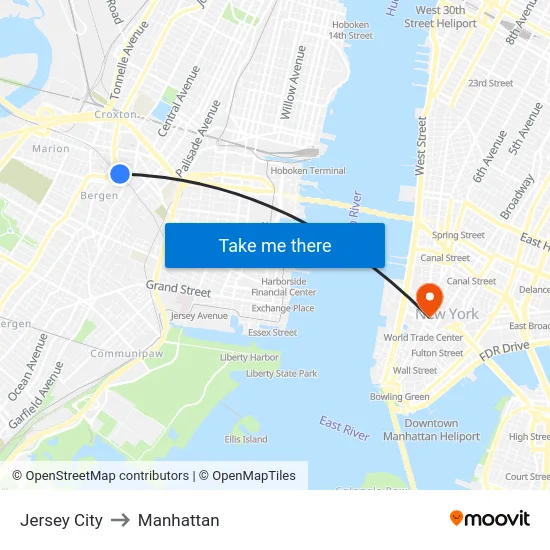
Understanding this relationship is key for anyone planning a trip, seeking accommodation, or even considering a lifestyle change that balances big-city opportunities with suburban comforts. The distance isn’t merely measured in miles or minutes; it’s defined by an intricate network of transportation, shared landmarks, and a symbiotic relationship that benefits both states. From bustling transit hubs to scenic ferry rides, the journey between NJ and NYC is remarkably seamless, making dual-destination travel not just feasible but highly recommended for an enriched experience. This article delves into the various facets of this proximity, exploring everything from geographical realities and diverse travel options to iconic attractions, strategic accommodation choices, and the lifestyle advantages of having two dynamic regions within arm’s reach.
The Geographical Tapestry: Bridging the Hudson River
The very first step to understanding the relationship between New Jersey and New York City is to grasp their immediate geographical layout. It’s not a matter of hundreds of miles, but rather a narrow body of water – the majestic Hudson River – that separates them, particularly along the most densely populated eastern edge of New Jersey and the western side of Manhattan.
More Than Just Miles: Understanding Proximity
When you talk about the distance from New Jersey to New York City, it’s important to specify which parts you’re referring to. The closest points are incredibly near. For instance, Jersey City and Hoboken, two of New Jersey’s most populous cities, sit directly across the Hudson River from Lower Manhattan and Midtown. From the waterfront parks in these NJ cities, the skyline of Manhattan appears so close you feel as though you could reach out and touch it. In actual distance, the shortest points across the Hudson can be less than a mile.
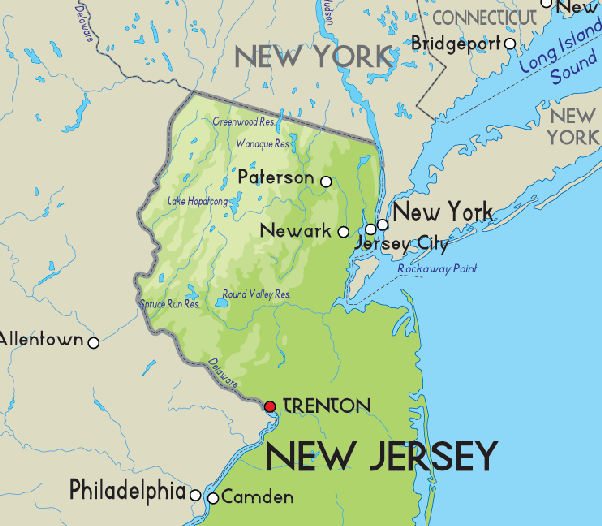
This extreme proximity means that cities like Jersey City, Hoboken, Weehawken, and West New York are effectively extensions of the greater New York City metropolitan area. Many residents of these New Jersey towns commute daily into NYC for work, and tourists often opt for hotels in NJ due to their competitive pricing and unbeatable views. The concept of “cross-river” travel is ingrained in the daily life of millions, blurring the lines between the two states. Even destinations further afield in New Jersey, such as the state capital of Trenton or the academic hub of Princeton, are still within a manageable train ride from Manhattan, making day trips or longer stays in NYC entirely feasible.
A Network of Connectors: Tunnels, Bridges, and Waterways
The strategic location of New Jersey has necessitated the development of an impressive infrastructure designed to facilitate smooth travel across the Hudson River. These connectors are not just engineering marvels but vital arteries that pump life between the two regions, offering a diverse range of transportation options for every type of traveler.
For drivers, two major underwater tunnels connect New Jersey to Manhattan. The Holland Tunnel links Jersey City directly to Lower Manhattan’s Financial District, a bustling area home to Wall Street and the World Trade Center. Further north, the Lincoln Tunnel provides a direct route from Weehawken to Midtown Manhattan, placing travelers right in the heart of the theater district and major commercial areas. For those heading to Upper Manhattan or beyond, the iconic George Washington Bridge spans the Hudson, connecting Fort Lee, NJ, with Washington Heights in New York City. These vehicular routes are crucial for commerce and personal travel, though they are also notorious for traffic during peak hours, a testament to the sheer volume of movement between the states.
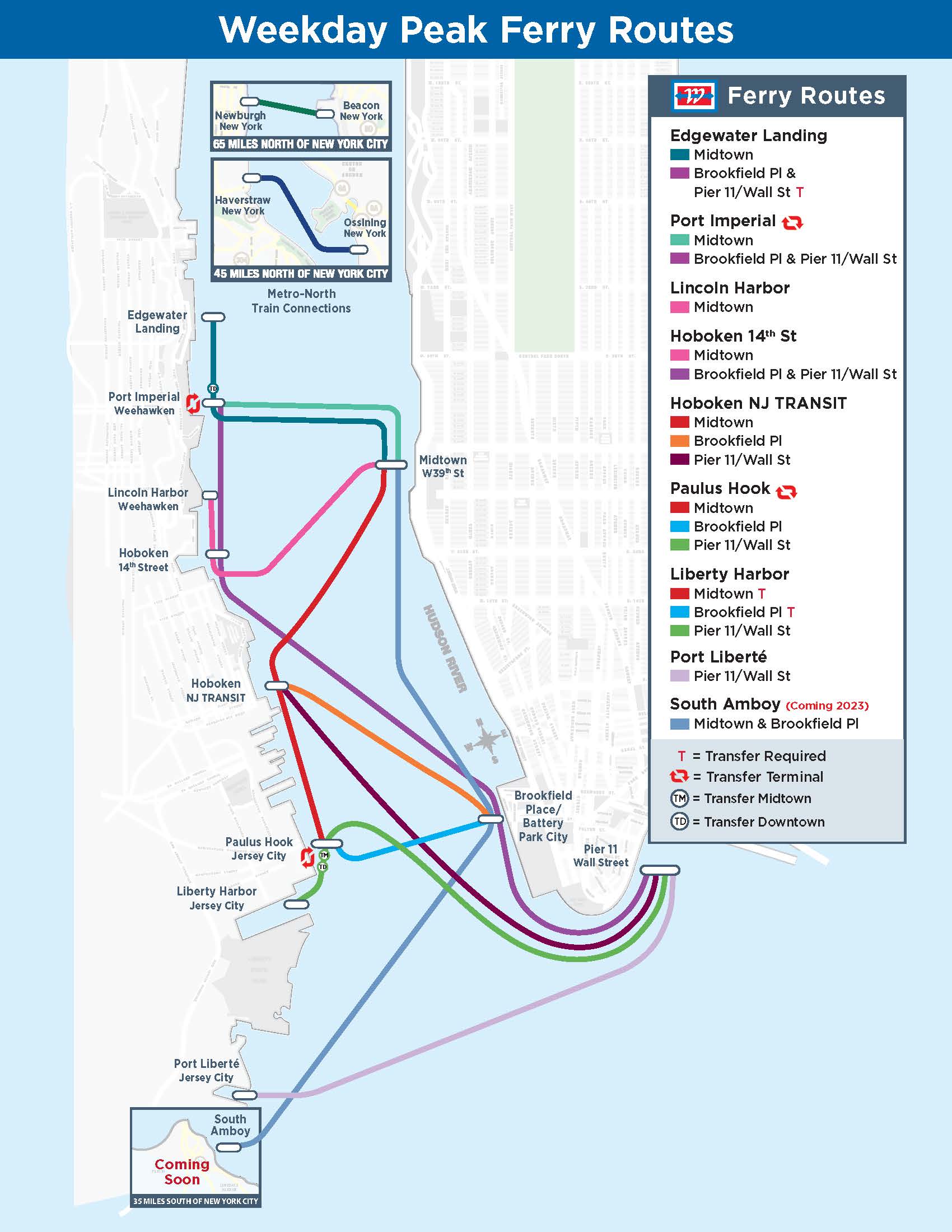
Beyond roadways, the waterways themselves offer efficient and scenic alternatives. The NY Waterway ferry system operates multiple routes from various New Jersey terminals in Jersey City, Hoboken, and Weehawken directly to Manhattan ferry terminals along the west side. These ferries offer not only a fast commute but also unparalleled panoramic views of the NYC skyline, Ellis Island, and the Statue of Liberty, transforming a simple commute into a memorable part of the travel experience.
Seamless Travel: Navigating Between Two Worlds
The ease of movement between New Jersey and New York City is a defining characteristic of the region, influencing everything from daily commutes to tourism strategies. A robust and interconnected transportation network ensures that visitors and residents can effortlessly traverse the geographic divide, unlocking the diverse attractions and opportunities each state offers.
Public Transportation: Your Gateway to NYC
Public transportation is undeniably the most popular and often most efficient way to travel between New Jersey and New York City. At the heart of this network is the PATH Train (Port Authority Trans-Hudson), a rapid transit system that operates 24/7. Connecting Jersey City, Hoboken, and Newark to key Manhattan destinations like the World Trade Center and Herald Square (33rd Street/Park Avenue), the PATH offers subway-like convenience and speed. A journey from Hoboken to Manhattan can take as little as 10-15 minutes, making it an incredibly attractive option for commuters and tourists staying in New Jersey who wish to explore NYC’s vibrant neighborhoods.
Complementing the PATH is NJ Transit, New Jersey’s statewide public transportation system. NJ Transit operates extensive bus and train services, with many lines terminating at New York Penn Station in Midtown Manhattan. This allows access from a wider array of New Jersey towns, including those further west and south. Key transfer points like Secaucus Junction streamline connections, making it easy to reach NYC from various parts of the Garden State. For example, visitors staying in Newark can take a direct train to New York Penn Station in under 30 minutes, an ideal arrangement for business travelers or those seeking budget-friendly accommodation.
The aforementioned NY Waterway ferries also form a crucial part of this public transport tapestry, providing both a practical commute and an unforgettable sightseeing experience. These ferries offer frequent departures and arrivals, linking NJ’s waterfront communities to Midtown and Downtown Manhattan.
Driving, Ride-Sharing, and Airports
While public transportation is often recommended, driving remains an option for those who prefer personal vehicles or are traveling with extensive luggage. However, be prepared for potential traffic congestion, especially during rush hours, and the cost of tolls for bridges and tunnels, as well as exorbitant parking fees in New York City. Ride-sharing services like Uber and Lyft are readily available on both sides of the Hudson, offering a convenient door-to-door experience, though prices can surge during high demand.
For air travelers, New Jersey is home to one of the region’s primary international gateways: Newark Liberty International Airport (EWR). Located just southwest of Jersey City and easily accessible via NJ Transit trains directly to New York Penn Station or the PATH Train, EWR is often a preferred choice for visitors to the NYC area. New York State also hosts LaGuardia Airport (LGA) in Queens and John F. Kennedy International Airport (JFK) also in Queens, both accessible from New Jersey via a combination of public transport and/or ride-sharing services, though the journey can be longer and more complex depending on traffic.
A Traveler’s Perspective: Attractions, Accommodation, and Experiences
The closeness between New Jersey and New York City creates a unique dynamic for travelers, offering a duality of experiences. Whether you’re drawn by the bright lights of Broadway or the serene beauty of a waterfront park, this proximity means you don’t have to choose; you can embrace both.
Unlocking New York City’s Wonders from New Jersey
Staying in New Jersey provides an excellent base for exploring all that New York City has to offer. World-renowned landmarks like Times Square with its dazzling billboards, the historic theaters of Broadway, and the majestic Empire State Building are just a short train or ferry ride away. Cultural institutions such as the Metropolitan Museum of Art, the Museum of Modern Art, and the American Museum of Natural History are easily accessible for art and history enthusiasts. Even the vast green expanse of Central Park or the poignant exhibits at the 9/11 Memorial & Museum (which could be another link) in Lower Manhattan are well within reach.
One of the most significant benefits of staying in New Jersey is the unparalleled view of the New York City skyline. From the waterfront parks in Jersey City or Hoboken, you get breathtaking panoramic vistas that often surpass those from within Manhattan itself. The iconic profiles of the Empire State Building, the One World Trade Center, and the full sweep of the Manhattan skyline glitter across the Hudson, especially stunning at sunrise, sunset, or night. These vantage points are also perfect for viewing the Statue of Liberty and Ellis Island across New York Harbor, often providing a more comprehensive perspective than tours directly from NYC.
Exploring New Jersey’s Unique Allure
While New York City often takes center stage, New Jersey itself boasts a wealth of attractions and experiences worth exploring. Just a stone’s throw from Manhattan, Liberty State Park in Jersey City offers direct ferry access to the Statue of Liberty and Ellis Island, along with stunning skyline views and the poignant Empty Sky Memorial, a tribute to New Jersey victims of 9/11. The Liberty Science Center, also within the park, provides interactive educational fun for families.
Further inland, Hoboken charm with its brownstones, bustling Washington Street, and delicious eateries (including the famous Carlo’s Bakery) is a destination in itself. Jersey City has rapidly evolved into a cultural hotspot with a vibrant arts scene, diverse culinary offerings, and trendy neighborhoods like the Powerhouse Arts District. Beyond the immediate waterfront, New Jersey offers a myriad of attractions, from the historic battles sites in Morristown to the charming downtowns of Red Bank and Montclair. And while further drives, the famous Jersey Shore beaches and the vibrant casinos and entertainment of Atlantic City are quintessential NJ experiences that can easily complement an NYC trip for those with more time.
Lifestyle & Accommodation: The Best of Both Worlds
For many, the close proximity of New Jersey to New York City isn’t just a matter of tourist convenience; it’s a strategic lifestyle choice. It offers an appealing balance of urban accessibility, diverse accommodation options, and a quality of life that often presents a compelling alternative to residing directly within NYC’s five boroughs.
Strategic Stays: Hotels and Apartments in New Jersey
When it comes to accommodation, New Jersey presents a distinct advantage, particularly for budget-conscious travelers or those seeking more space and amenities. Hotels in waterfront cities like Jersey City and Hoboken often offer significantly lower rates than their Manhattan counterparts, without sacrificing convenience or quality. Establishments such as the Hyatt Regency Jersey City on the Hudson or the W Hoboken provide luxury accommodations with direct river views and easy access to PATH or ferry services. Other excellent options include the DoubleTree by Hilton Hotel & Suites Jersey City or various boutique hotels and independent stays that offer a more local feel.
Beyond traditional hotels, the New Jersey side of the Hudson also offers a wider range of serviced apartments and vacation rentals. These are ideal for longer stays, family trips, or business travelers seeking the comfort and flexibility of a home-away-from-home, often equipped with kitchens and more living space. The availability of diverse accommodation options in New Jersey allows visitors to tailor their stay to their budget and preferences, ensuring a comfortable base from which to explore both states. For those interested in budget travel, hostels and more economical hotels are also plentiful, particularly in Newark and areas slightly further from the immediate waterfront, but still with good transit connections.
A Lifestyle Choice: Balancing Urban Excitement with Suburban Comfort
The ability to live in New Jersey and work or regularly visit New York City has cultivated a unique lifestyle for many. It offers the enticing prospect of enjoying NYC’s world-class dining, entertainment, and career opportunities while returning to a less frenetic environment. Many New Jersey communities boast excellent public schools, more spacious housing options, and abundant green spaces, making them attractive for families or individuals seeking a quieter residential experience. The cost of living, while still high compared to other parts of the United States, is generally more affordable than in Manhattan or Brooklyn.
This lifestyle also extends to the culinary scene. New Jersey’s urban centers, particularly Jersey City and Hoboken, have developed their own thriving food scenes, offering everything from international cuisine to classic American diners. Food tourism here has seen significant growth, with many local restaurants attracting discerning palates. Additionally, New Jersey’s diverse landscape provides ample opportunities for outdoor activities, from hiking in its northern mountains to enjoying its beautiful beaches along the Jersey Shore. For those pursuing luxury travel, New Jersey offers high-end resorts and exclusive residential areas that provide privacy and amenities while maintaining effortless access to NYC’s luxury offerings. Conversely, budget travelers can find equally enriching experiences by exploring NJ’s local culture and food scenes without the typical NYC price tag.
In conclusion, the “distance” between New Jersey and New York City is minimal in practical terms. It’s a relationship of close neighbors connected by efficient transportation, shared economic interests, and a vibrant cultural exchange. Whether for a short visit, a long-term stay, or a new lifestyle, the proximity offers an unparalleled advantage, allowing individuals to tap into the best of both dynamic states.
LifeOutOfTheBox is a participant in the Amazon Services LLC Associates Program, an affiliate advertising program designed to provide a means for sites to earn advertising fees by advertising and linking to Amazon.com. Amazon, the Amazon logo, AmazonSupply, and the AmazonSupply logo are trademarks of Amazon.com, Inc. or its affiliates. As an Amazon Associate we earn affiliate commissions from qualifying purchases.