
Embarking on a journey along the United States East Coast often brings travelers to two of its most iconic and influential cities: Washington D.C. and New York City. Whether you’re a history buff eager to explore the nation’s capital or a culture enthusiast yearning for the vibrant pulse of the Big Apple, the allure of both destinations is undeniable. For many, the question isn’t whether to visit, but how to seamlessly travel between these urban giants and what to expect along the way. Understanding the distance, travel times, and available transportation options is the first step in planning an unforgettable East Coast adventure. This article will serve as your ultimate guide, covering everything from the precise mileage to the best ways to travel, where to stay, and what to experience in these remarkable cities, ensuring your trip is as smooth and enjoyable as possible.

The Distance and Travel Time: An Overview
The geographical proximity of Washington D.C. and New York City makes a dual-city exploration not only feasible but highly recommended. While they share the same coastline, each city offers a distinct charm and a unique blend of culture, history, and modern marvels.
The Straight-Line Distance
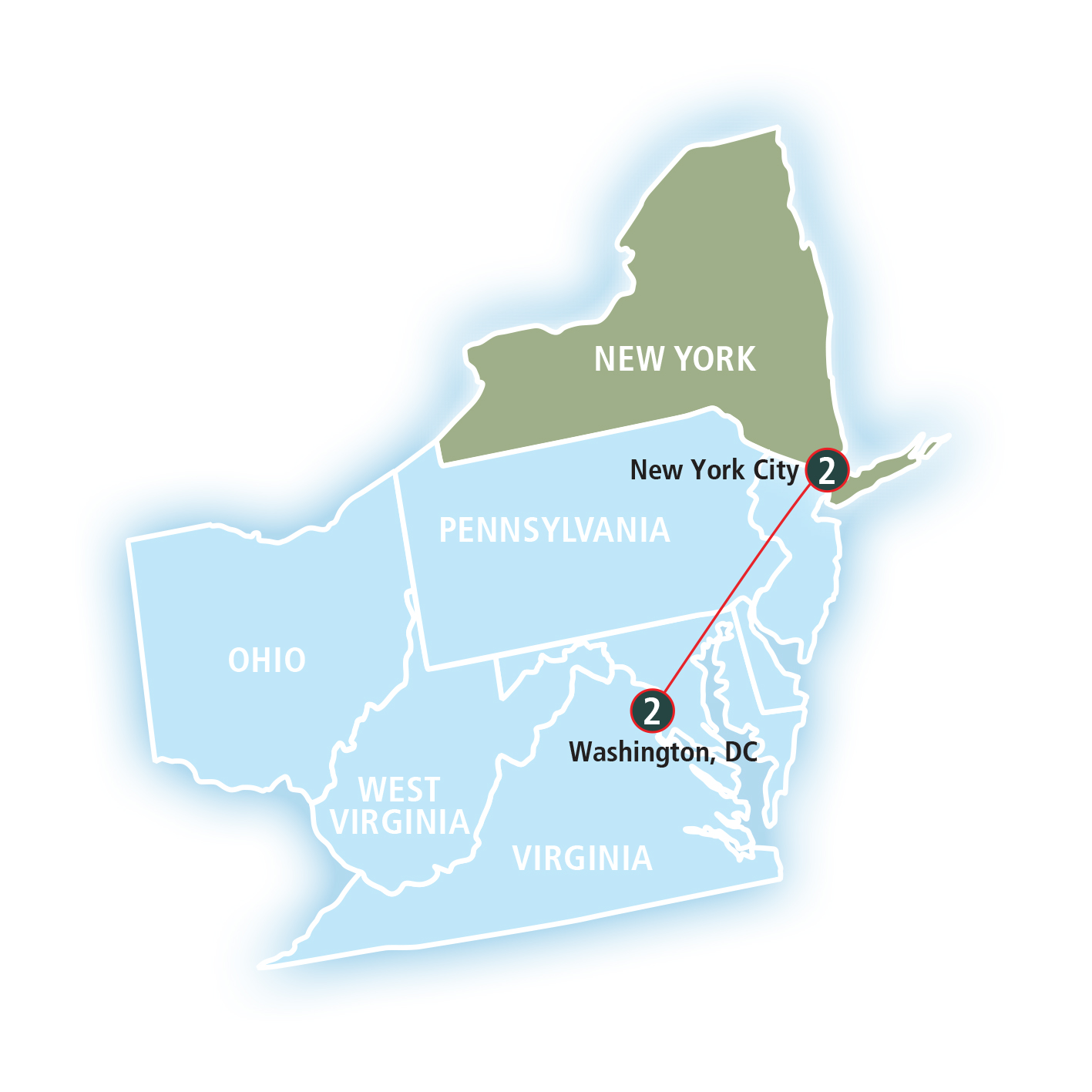
As the crow flies, the air distance between the heart of Washington D.C. and New York City is approximately 204 miles (328 kilometers). This direct measurement provides a good baseline for understanding their closeness but doesn’t account for the winding roads, railway lines, or flight paths that actual travel entails.
Driving Distance and Time
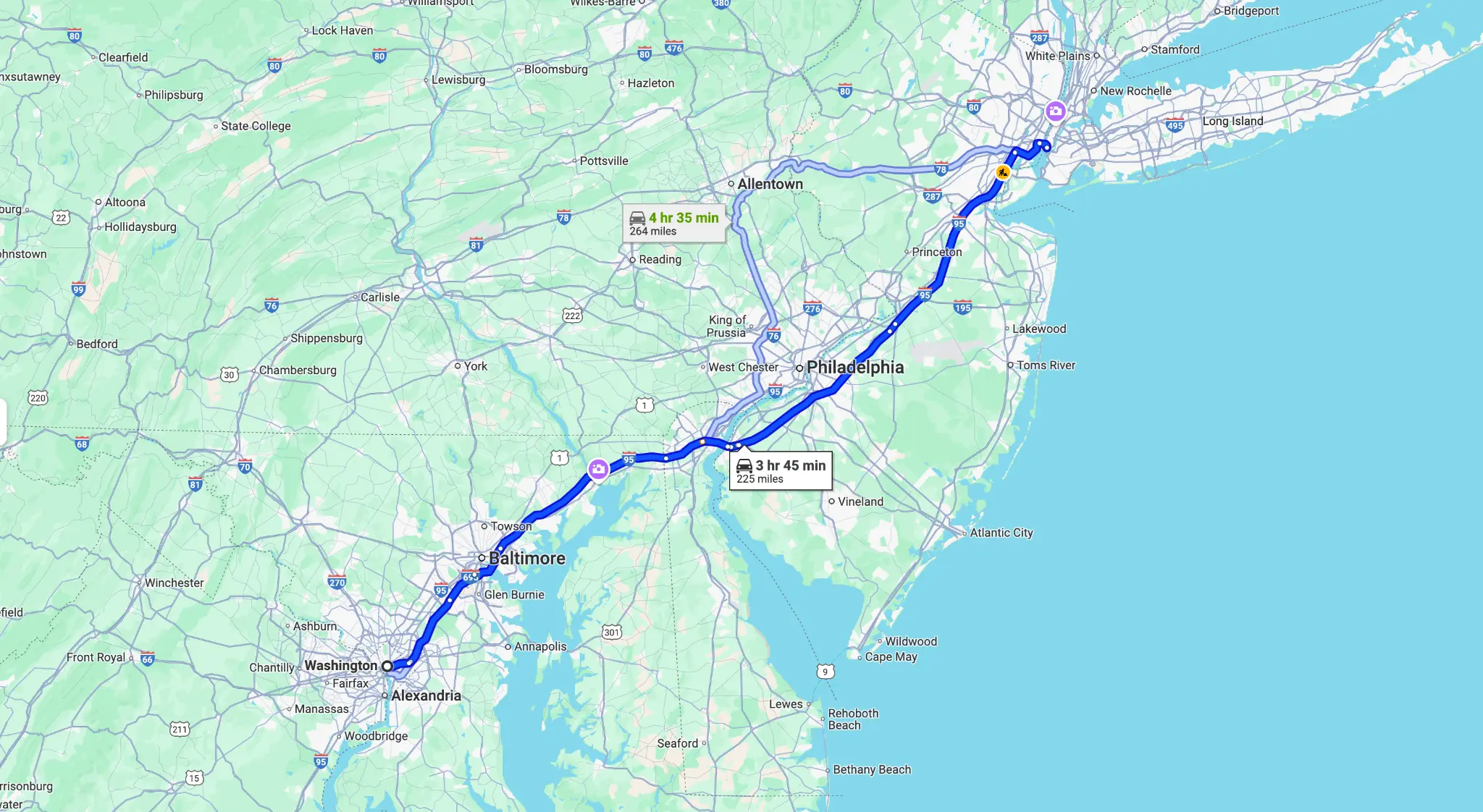
For those who prefer the open road, the driving distance typically ranges from 225 to 235 miles (362 to 378 kilometers), depending on the specific route taken and starting/ending points within each metropolitan area. The most common and direct route is via I-95, a major interstate highway that connects much of the East Coast.
Under ideal conditions, with minimal traffic and good weather, the drive can take approximately 3.5 to 4 hours. However, travelers should always factor in potential delays, especially when passing through densely populated areas like Baltimore, Philadelphia, and throughout New Jersey. Peak travel times, such as holiday weekends or rush hour, can easily extend this journey to 5-6 hours or even longer. Additionally, tolls are prevalent along the I-95 corridor, particularly in Maryland, Delaware, and New Jersey, so budgeting for these costs is essential for drivers.
Navigating the Journey: Your Transportation Options
The vibrant corridor between Washington D.C. and New York City is well-served by a variety of transportation modes, each offering distinct advantages in terms of cost, comfort, and convenience. Your choice will largely depend on your travel style, budget, and desired experience.
Traveling by Car: Flexibility and Scenic Routes
Driving offers unparalleled flexibility, allowing you to depart and arrive on your own schedule and make spontaneous stops along the way. While I-95 is the quickest route, more scenic options exist if time permits, taking you through charming towns and coastal landscapes in Maryland and Delaware. However, parking in both Washington D.C. and New York City can be challenging and expensive, particularly in Manhattan. Consider the cost of gas, tolls, and parking when evaluating this option. For those traveling with families or a significant amount of luggage, a car can be a practical choice, providing ample space and comfort. Car rental services are readily available in both cities for those who prefer not to use their own vehicle.
Rail Travel: Comfort and Convenience with Amtrak
For many, train travel is the preferred mode between these two metropolises. Amtrak operates frequent services along the Northeast Corridor, connecting Washington D.C.’s historic Union Station with New York City’s Moynihan Train Hall (adjacent to Penn Station).
The high-speed Acela Express offers the fastest journey, typically completing the trip in about 2 hours and 50 minutes. It provides a comfortable experience with spacious seating, power outlets, and Wi-Fi, ideal for business travelers or those seeking a premium experience. The more economical Northeast Regional service takes slightly longer, usually around 3.5 to 4 hours, but offers a comfortable ride at a lower price point. Both services allow passengers to avoid traffic headaches and enjoy the scenery, arriving directly into the heart of Manhattan, with easy access to public transportation for onward travel. Booking in advance is highly recommended, especially for Acela Express and during peak travel times, as fares can increase closer to the departure date.
Bus Services: Budget-Friendly and Accessible
Bus travel is often the most budget-friendly option for getting from Washington D.C. to New York City. Several companies operate along this route, including Greyhound, Megabus, and Peter Pan Bus Lines. The journey typically takes between 4 to 5 hours, but can be longer due to traffic.
While bus travel might lack the luxury of a train or the flexibility of a car, it offers a practical and economical solution. Many modern buses come equipped with amenities such as Wi-Fi, power outlets, and comfortable seating, making the journey pleasant. Buses usually depart from major transportation hubs in Washington D.C., such as Union Station, and arrive at central locations in New York City, often near Penn Station or the Port Authority Bus Terminal, providing convenient access to the city’s extensive public transit network. This option is particularly popular among students, backpackers, and budget-conscious travelers.
Flying: The Fastest, But Not Always the Easiest
While the flight itself between Washington D.C. and New York City is short, often less than an hour, the overall travel time can be comparable to or even longer than train travel when factoring in airport commutes, security checks, and potential delays.
From the Washington D.C. area, you can fly from Reagan National Airport (DCA), Dulles International Airport (IAD), or Baltimore-Washington International Airport (BWI). In New York City, major airports include LaGuardia Airport (LGA), John F. Kennedy International Airport (JFK), and Newark Liberty International Airport (EWR) in New Jersey.
The actual flight time is approximately 1 hour. However, consider:
- Airport Commute: Getting to and from airports can add 1-2 hours on each end.
- Check-in & Security: Arriving 1-2 hours before departure for domestic flights.
- Gate Time: Boarding and taxiing.
When you add these factors, the door-to-door travel time can easily stretch to 4-6 hours. Therefore, flying is generally recommended only if you find a particularly good deal on airfare, are connecting to another flight, or have specific reasons to prefer air travel.
Maximizing Your Trip: What to See and Where to Stay
Once you’ve decided on your mode of transport, the real excitement begins: planning your exploration of these two magnificent cities. Each offers a distinct array of attractions, culinary delights, and accommodation options to suit every taste and budget.
Exploring Washington D.C.: History, Culture, and Monuments
Washington D.C., the capital of the United States, is a city steeped in history and patriotism. Most of its iconic landmarks are concentrated around the National Mall, making it incredibly walkable and easy to navigate for tourists. You can spend days exploring the free Smithsonian Museums, including the National Museum of Natural History and the National Air and Space Museum. Don’t miss a visit to the White House, the majestic Capitol Building, and the poignant memorials like the Lincoln Memorial, Washington Monument, and the Martin Luther King, Jr. Memorial. Beyond the political heart, neighborhoods like Georgetown offer charming cobblestone streets, high-end boutiques, and exquisite dining. The Dupont Circle area is known for its vibrant nightlife and art galleries, while Penn Quarter boasts theaters and diverse restaurants.
When it comes to accommodation, Washington D.C. provides a wide spectrum. For luxury, consider the Four Seasons Hotel Washington D.C. in Georgetown or The Hay-Adams near the White House. Mid-range options like the Kimpton Hotel Monaco Washington D.C. in Penn Quarter offer stylish stays with excellent service. Budget travelers can find comfortable rooms at places like Hostelling International Washington D.C. or various hotels near the District of Columbia metro stations, allowing easy access to all attractions.
Discovering New York City: The Metropolis of Dreams
New York City is a world unto itself, a dazzling mosaic of cultures, cuisines, and iconic sights. From the dazzling billboards of Times Square to the serene pathways of Central Park, there’s an endless array of experiences. Must-see landmarks include the Statue of Liberty, the panoramic views from the Empire State Building or Top of the Rock, and a thrilling Broadway show. Explore diverse neighborhoods like trendy SoHo for shopping, artistic Greenwich Village for bohemian vibes, or vibrant Chinatown for authentic culinary adventures. Don’t forget to visit the Metropolitan Museum of Art or the Museum of Modern Art (MoMA) for world-class art. The vibrant borough of Brooklyn also offers fantastic views of the Manhattan skyline, trendy eateries, and unique cultural experiences.
Accommodation in New York City is as diverse as its population. For an opulent stay, the historic The Plaza Hotel overlooking Central Park or the elegant St. Regis New York offer unparalleled luxury. Boutique hotels like The Ludlow Hotel on the Lower East Side provide a more intimate experience. Mid-range options abound, with stylish and modern hotels like citizenM New York Times Square offering comfort and prime locations. Budget-conscious travelers can find great value in micro-hotels such as Pod 39 or hotels in areas outside central Manhattan, like Long Island City in Queens or downtown Brooklyn, which offer easy subway access to the city’s main attractions.
Planning Your Perfect East Coast Adventure
Making the most of your trip between these two iconic cities involves thoughtful planning, especially concerning budget, travel style, and the time of year you choose to visit.
Tips for Budget-Friendly Travel
Traveling between Washington D.C. and New York City doesn’t have to break the bank. Opt for bus travel as your primary mode of transportation, as it’s typically the most affordable. Book tickets well in advance, especially for trains and buses, as early bird discounts can be significant. When it comes to accommodation, consider hostels, guesthouses, or hotels slightly outside the absolute city centers but with good public transport links. Both cities offer numerous free attractions, particularly the Smithsonian Museums in Washington D.C. and wandering through Central Park or across the Brooklyn Bridge in New York City. Eating like a local at food trucks or neighborhood eateries can also significantly cut down on food costs while offering authentic culinary experiences.
Luxury Travel Between the Cities
For those seeking a more opulent experience, both the journey and the destination can be tailored for luxury. Opt for Acela Express first-class tickets on Amtrak for spacious seating, complimentary meals, and a quieter ride. Consider hiring a private car service for door-to-door convenience, eliminating the stress of driving and parking. Indulge in stays at renowned five-star hotels like The St. Regis New York or the Four Seasons Hotel Washington D.C., which offer impeccable service, gourmet dining, and lavish amenities. Enjoy fine dining experiences, private guided tours of landmarks, and exclusive Broadway shows for a truly unforgettable trip.
Ideal Times to Visit
The best time to travel between Washington D.C. and New York City depends largely on your preferences.
- Spring (April-May): Generally considered the most pleasant time, with mild temperatures, blooming cherry blossoms in Washington D.C., and outdoor activities coming alive in New York City.
- Fall (September-October): Offers comfortable weather, beautiful autumn foliage, and fewer crowds than the summer. This is an excellent time for walking tours and enjoying outdoor cafes.
- Summer (June-August): While popular, summer can be hot and humid, especially in Washington D.C.. However, both cities buzz with festivals, outdoor concerts, and vibrant street life. Be prepared for larger crowds and higher prices for flights and accommodations.
- Winter (November-March): Can be cold, but also magical, especially during the holiday season in New York City with its festive decorations, ice skating rinks, and window displays. Washington D.C. is quieter, offering a more serene experience of its indoor museums. Travel during this period can sometimes yield lower prices, outside of the holiday peak.
Regardless of when you choose to visit or how you decide to travel, the journey from Washington D.C. to New York City is an exciting part of the adventure. Each city promises a wealth of experiences, from historical deep dives to modern cultural immersion. With proper planning and an understanding of the travel logistics, you’re set for an incredible East Coast exploration, creating memories that will last a lifetime.
LifeOutOfTheBox is a participant in the Amazon Services LLC Associates Program, an affiliate advertising program designed to provide a means for sites to earn advertising fees by advertising and linking to Amazon.com. Amazon, the Amazon logo, AmazonSupply, and the AmazonSupply logo are trademarks of Amazon.com, Inc. or its affiliates. As an Amazon Associate we earn affiliate commissions from qualifying purchases.