
Embarking on a journey from New York to Japan is a quintessential long-haul experience, a grand transatlantic and transpacific adventure that connects the vibrant energy of the United States’ East Coast with the rich, intricate cultural tapestry of Japan. This isn’t just a flight; it’s a significant crossing that spans continents, oceans, and multiple time zones, promising an unforgettable start to any Japanese escapade. For many travelers, the primary concern revolves around the practicalities of such a long journey, especially the question of flight duration. Understanding how long you’ll be airborne and what factors influence this travel time is crucial for meticulous trip planning, ensuring a smooth and comfortable transition from your departure city to your dream destination.
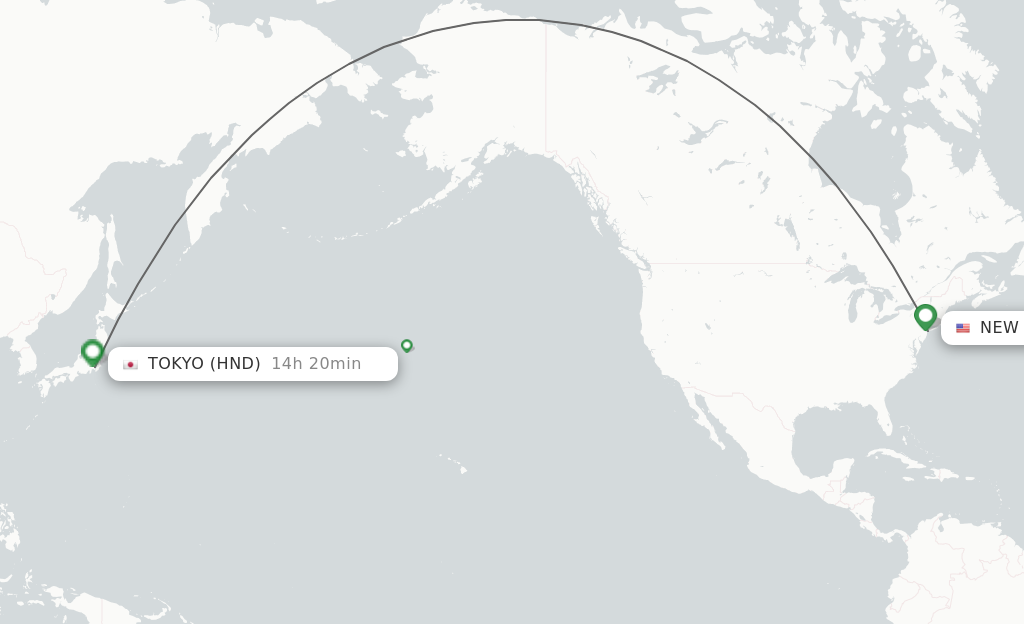
The duration of a flight from New York to Japan isn’t a fixed number but rather a variable influenced by a spectrum of elements. These include the choice between direct and connecting flights, the specific departure and arrival airports involved, the airline operating the service, the type of aircraft being utilized, and even the capricious nature of prevailing wind conditions high above the Pacific Ocean. As part of our comprehensive travel guides, we delve into these details to help you prepare for an epic voyage, whether you’re planning a bustling business trip, a luxurious getaway, or a memorable family vacation.
Understanding Flight Durations: The Journey Across the Pacific
The vast expanse between New York and Japan necessitates a considerable amount of time in the air. This section will break down the expected flight times for different types of itineraries, giving you a clearer picture of what to anticipate.
Direct Flights: Efficiency and Comfort
For travelers prioritizing speed and convenience, a direct flight is almost always the preferred option. These non-stop services offer the most efficient way to traverse the globe, minimizing delays and reducing the overall travel time. From major departure hubs in New York, such as John F. Kennedy International Airport (JFK) or Newark Liberty International Airport (EWR), to key arrival gateways in Japan like Tokyo Narita International Airport (NRT) or Tokyo Haneda Airport (HND), a direct flight typically spans between 13 to 14.5 hours.
These impressive flight times are often achieved by utilizing what are known as “polar routes.” These flight paths take aircraft over the northern regions of the globe, specifically across the Arctic, presenting the most direct aerial line between the East Coast of the United States and Northeast Asia. Airlines renowned for offering direct services on this demanding but popular route include leading carriers such as Japan Airlines (JAL), All Nippon Airways (ANA), and United Airlines. Opting for a direct flight means fewer interruptions, less time spent in airports during layovers, and a quicker arrival at your destination, allowing you to begin your exploration of Japan sooner. For those valuing comfort and efficiency on a long-haul flight, the direct option often represents a superior travel experience.
Connecting Flights: Flexibility and Potential Savings
While direct flights offer unparalleled speed, connecting flights present a viable alternative, often appealing to travelers seeking more flexible scheduling or more attractive pricing. As expected, introducing layovers significantly extends the total travel time. Depending on the duration of your stopover and its location, the entire journey can range anywhere from 16 to 20+ hours. Common layover cities for flights between New York and Japan frequently include major airline hubs on the West Coast of the United States, such as Los Angeles (often via Los Angeles International Airport – LAX), San Francisco (through San Francisco International Airport – SFO), or even Canadian cities like Vancouver (Vancouver International Airport – YVR).
Despite the extended duration, connecting flights offer several distinct advantages. They can often be more cost-effective than direct routes, presenting an opportunity for budget travelers to save on airfare. Furthermore, a layover can sometimes be seen as a welcome break, allowing passengers to stretch their legs, grab a meal, and momentarily escape the confines of the aircraft cabin. Some even turn longer layovers into mini-adventures, exploring the layover city for a few hours or even a day, adding another dimension to their overall trip. However, it’s essential to factor in the potential for delays, which can be more pronounced with multiple flight segments, and to ensure you have ample time between connections to avoid rushing or missing subsequent flights. Carefully weighing the trade-offs between time, cost, and flexibility will guide you in choosing the best option for your journey.
Navigating the Skies: Airlines, Airports, and Aircraft
The quality of your long-haul flight experience is significantly shaped by the airports you depart from and arrive at, as well as the airline and aircraft type you choose. Understanding these components is key to planning a comfortable and efficient journey.
Key Departure Hubs in New York
The gateway to your Japanese adventure from the New York metropolitan area primarily consists of two major international airports, both renowned for their extensive global networks and amenities.
-
John F. Kennedy International Airport (JFK): Located in Queens, New York City, JFK is one of the busiest international airports in the world and serves as a major hub for numerous airlines. Its extensive range of services, including a multitude of dining options, retail stores, lounges, and diverse transportation links to Manhattan and beyond, make it a popular choice for international travelers. JFK is often the primary departure point for direct flights to Japan with airlines like Japan Airlines (JAL), All Nippon Airways (ANA), and United Airlines.
-
Newark Liberty International Airport (EWR): Situated in Newark, New Jersey, EWR is another vital international airport serving the New York City area. It is a major hub for United Airlines and also offers a wide array of amenities and services. EWR provides convenient access for travelers residing in New Jersey or the western parts of New York and is another common starting point for flights heading towards Asia.
Both airports are well-equipped to handle the demands of international travel, offering various facilities to make your pre-flight experience as comfortable as possible, from duty-free shopping to executive lounges.
Major Arrival Gates in Japan
Upon arriving in Japan, you’ll likely land at one of Tokyo’s two primary international airports, both expertly designed to welcome global travelers.
-
Tokyo Narita International Airport (NRT): Historically, Narita has been Japan’s main international gateway, handling the majority of long-haul flights from abroad. Located approximately 60 kilometers (37 miles) east of central Tokyo in Chiba Prefecture, NRT is a sprawling facility with multiple terminals, offering extensive amenities, shops, and dining options. Excellent transportation links, including the Narita Express (N’EX) and various bus services, connect it efficiently to different parts of Tokyo and surrounding regions.
-
Tokyo Haneda Airport (HND): Located much closer to downtown Tokyo, about 14 kilometers (9 miles) south of Tokyo Station in Ōta, Haneda was traditionally Tokyo’s primary domestic airport. However, in recent years, it has significantly expanded its international operations, now handling a growing number of long-haul flights. Its proximity to the city center makes it an incredibly convenient choice for travelers, with rapid train connections like the Keikyu Line and Tokyo Monorail providing quick access. Many airlines now offer direct flights from New York to Haneda due to its superior convenience.
Both airports offer exceptional efficiency and the renowned Japanese hospitality, ensuring a smooth transition upon arrival, whether you’re heading straight into the bustling heart of Tokyo or venturing further afield.
Renowned Airlines for Trans-Pacific Travel
Choosing the right airline for your long-haul journey is paramount, as the in-flight experience can significantly impact your overall trip enjoyment. Several world-class carriers operate routes between New York and Japan, each offering distinct levels of service, comfort, and amenities.
-
Japan Airlines (JAL): A flagship carrier of Japan, JAL is celebrated for its exceptional service, comfortable seating, and authentic Japanese cuisine even in economy class. They offer direct flights from JFK to both Narita and Haneda, providing a taste of Japanese hospitality from the moment you step on board. Their business class and first class products are particularly highly rated for their spaciousness and luxury.
-
All Nippon Airways (ANA): Another leading Japanese airline, ANA consistently ranks among the world’s best for cleanliness, service, and safety. Operating direct flights from JFK to Tokyo Narita and Haneda, ANA provides a similarly high-quality experience to JAL, with excellent entertainment systems, comfortable seating, and delectable meals that cater to various dietary needs.
-
United Airlines: A major U.S. carrier, United Airlines offers direct flights from both JFK and EWR to Tokyo Narita and Haneda. As part of the Star Alliance, United provides extensive connectivity and benefits for frequent flyers. Their Polaris business class is specifically designed for long-haul comfort, offering lie-flat seats and enhanced amenities.

- Other Airlines (with connecting flights): For those opting for connecting flights, a wider array of airlines becomes available. These can include Delta Air Lines (often via Seattle), American Airlines (via Dallas or Los Angeles), Korean Air (via Seoul), and Cathay Pacific (via Hong Kong), among others. While these involve a stopover, they can sometimes offer competitive pricing or unique routing options.
When selecting an airline, consider not just the price but also factors like seat pitch, meal quality, in-flight entertainment, baggage allowance, and your loyalty program affiliations. Reading recent reviews can also provide valuable insights into the actual passenger experience.
Mastering the Long-Haul Experience
A flight of 13 hours or more requires preparation to ensure a tolerable, if not enjoyable, journey. The significant time difference also presents a challenge that proactive measures can alleviate.
Conquering Jet Lag: Strategies for a Smooth Transition
One of the most profound impacts of traveling across 13 to 14 time zones is jet lag. Japan is typically 13 or 14 hours ahead of New York, depending on whether Daylight Saving Time is in effect in the United States. This means that if it’s 10:00 AM in New York, it’s 11:00 PM or midnight in Tokyo on the same day. Such a drastic shift can disrupt your body’s natural circadian rhythm, leading to fatigue, disorientation, disturbed sleep, and reduced mental alertness upon arrival.
However, with a few strategic approaches, you can significantly mitigate the effects of jet lag:
- Pre-Flight Adjustment: Start adjusting your sleep schedule a few days before departure. Gradually shift your bedtime and wake-up time closer to Japan’s local time. Even an hour or two can make a difference.
- Stay Hydrated: Dehydration can exacerbate jet lag symptoms. Drink plenty of water before, during, and after your flight. Avoid excessive alcohol and caffeine, which can interfere with sleep and hydration.
- Adjust to Local Time Immediately: Upon boarding, set your watch to Japanese time. Try to eat and sleep according to your destination’s schedule, even if it feels counterintuitive.
- Seek Sunlight: Natural light is a powerful tool for resetting your body clock. Once you arrive, try to get outside into the sunlight, especially in the morning, to signal to your body that it’s daytime.
- Gentle Activity: Engage in light exercise or walking upon arrival to boost energy levels and promote better sleep at night.
- Melatonin (Optional): Some travelers find melatonin supplements helpful for regulating sleep patterns in the first few days after arrival. Consult with a healthcare professional before taking any supplements.
- Prioritize Sleep: Resist the urge to nap excessively during the day. Push through to the local bedtime, and try to get a full night’s sleep to help your body acclimate faster.
Managing jet lag effectively means you can maximize your time exploring Japan and truly immerse yourself in the culture without feeling constantly tired.
Essential Tips for Onboard Comfort
Thirteen to fourteen hours in an airplane cabin can be challenging, but thoughtful preparation can transform the experience from arduous to enjoyable. Here are some essential tips for maximizing your onboard comfort:
- Choose Your Seat Wisely: If possible, select a seat with extra legroom (e.g., exit rows or bulkhead seats) or opt for an aisle seat for easier access to the lavatory and the ability to stretch your legs without disturbing others. Window seats offer views and a wall to lean against for sleep, but restrict movement.
- Dress in Layers: Airplane cabins can fluctuate in temperature. Wearing loose, comfortable clothing in layers allows you to adjust to changing conditions.
- Stay Hydrated and Nourished: Continue drinking water throughout the flight. Bring your own reusable water bottle to refill. While airline meals are provided, consider bringing healthy snacks like nuts, fruit, or energy bars to stave off hunger between services.
- Movement is Key: Long periods of sitting can lead to discomfort and even health risks. Get up and walk around the cabin every few hours, and perform simple in-seat exercises to promote circulation.
- Entertainment and Distraction: Load your devices with movies, TV shows, podcasts, audiobooks, or e-books. Don’t rely solely on the in-flight entertainment system, which can sometimes be limited or experience technical issues. Noise-canceling headphones are a game-changer for blocking out engine hum and cabin noise.
- Sleep Aids: For those aiming to sleep, bring an eye mask, earplugs, and a comfortable travel pillow. Creating a dark, quiet, and comfortable environment is crucial for catching some rest.
- Personal Hygiene: Pack a small toiletry bag with essentials like a toothbrush, toothpaste, moisturizer, lip balm, and hand sanitizer. Freshening up can make a big difference to how you feel.
- Connectivity: While many airlines offer Wi-Fi, it can be expensive and unreliable. Plan to be offline for most of the journey, using the time to relax or work on tasks that don’t require internet access.
By taking these steps, you can turn a long-haul flight into a manageable and even productive part of your journey to Japan.
Planning Your Dream Trip: Beyond the Flight
While the flight itself is a significant component, the true essence of your trip lies in the experiences awaiting you in Japan. Comprehensive planning ensures that every aspect of your visit, from arrival to departure, is seamless and memorable.
When to Visit and What to Explore in Japan
Japan offers distinct attractions throughout its four seasons, each providing a unique perspective on its natural beauty and cultural heritage. The spring (March to May) is perhaps the most iconic, with the country bursting into bloom during the cherry blossom (sakura) season. This period, while breathtaking, is also the most popular and can be crowded, requiring advanced bookings for flights and accommodation. The autumn (September to November) is equally stunning, as the foliage transforms into vibrant shades of red, orange, and gold, offering cooler temperatures perfect for sightseeing.
The summer (June to August) brings warmth and humidity, along with numerous festivals (matsuri) and opportunities to explore coastal areas or mountainous regions. The winter (December to February) is ideal for those interested in skiing and snowboarding in regions like Hokkaido or enjoying traditional hot springs (onsen) in a serene, snowy landscape.
Once in Japan, the possibilities for exploration are endless:
- Tokyo: Immerse yourself in the futuristic neon glow of Shinjuku, find tranquility in the Meiji Jingu Shrine, explore the historical Asakusa district, or dive into the pop culture hub of Harajuku.
- Kyoto: The ancient capital, Kyoto, is a treasure trove of temples, geisha districts, and traditional gardens. Visit Kinkaku-ji (Golden Pavilion), stroll through the Arashiyama Bamboo Grove, or experience a traditional tea ceremony.
- Osaka: Known for its vibrant food scene and lively atmosphere, Osaka offers Osaka Castle, the bustling Dotonbori district, and Universal Studios Japan.
- Mount Fuji: Japan’s iconic peak can be admired from various vantage points, especially from the Fuji Five Lakes region or even from the Shinkansen (bullet train) on a clear day.
- Hiroshima and Miyajima Island: A poignant reminder of history, Hiroshima offers the Peace Memorial Park, while nearby Miyajima is famous for its “floating” torii gate of Itsukushima Shrine.
For efficient travel between major cities, the Shinkansen is an unparalleled experience, offering speed, comfort, and breathtaking views. Consider purchasing a Japan Rail Pass if you plan extensive train travel.
Accommodation Choices: From Ryokans to Luxury Hotels
Japan offers a diverse range of accommodation options to suit every budget and travel style, from traditional experiences to modern luxury.
- Ryokans: For a truly authentic Japanese experience, staying in a ryokan is a must. These traditional inns often feature tatami mat rooms, futon bedding, communal onsen (hot springs), and exquisite multi-course dinners (kaiseki) and breakfasts. They provide a glimpse into traditional Japanese lifestyle and hospitality.
- Western-style Hotels: In major cities, you’ll find a plethora of international and domestic hotel chains, ranging from luxury hotels like the Park Hyatt Tokyo or Imperial Hotel to mid-range options like APA Hotel or Toyoko Inn. These offer familiar comforts and amenities.
- Business Hotels: These are compact, efficient, and well-located hotels, perfect for budget travelers or those on a business stay. They offer clean rooms, essential amenities, and are often situated near train stations.
- Capsule Hotels: A unique Japanese accommodation experience, capsule hotels offer small, individual sleeping pods with shared bathrooms. They are extremely cost-effective and provide a novel stay for adventurous travelers.
- Hostels and Guesthouses: For the most budget-friendly options, hostels and guesthouses are available in most cities, offering dormitory-style rooms or private rooms with shared facilities.
- Apartment Rentals: For longer stays or family trips, renting an apartment via platforms like Airbnb can provide more space and a kitchen, allowing for a more localized experience.
When booking accommodation, especially during peak seasons, it is highly recommended to do so well in advance. Consider the location relative to public transport and the attractions you wish to visit. Reviews and comparisons on our website can help you make an informed choice.
Making the Most of Your Japanese Adventure
The journey from New York to Japan is undoubtedly a long one, demanding patience and preparation. However, the destination itself offers a reward that far outweighs the travel time. From the moment you touch down in Tokyo or Osaka, you’ll be enveloped in a world that blends ancient traditions with cutting-edge modernity, serene natural landscapes with bustling cityscapes.
Whether you’re marveling at the vibrant energy of Shibuya Crossing, finding peace in a Kyoto zen garden, savoring the delicate flavors of authentic sushi, or simply observing the unparalleled politeness and efficiency of Japanese society, every moment promises to be an enriching experience. By understanding the intricacies of the flight, meticulously planning your itinerary, and preparing for the cultural shift, your trip from the Big Apple to the Land of the Rising Sun will be more than just a flight; it will be the beginning of an extraordinary adventure. Embrace the journey, conquer the jet lag, and prepare to be captivated by all that Japan has to offer.
LifeOutOfTheBox is a participant in the Amazon Services LLC Associates Program, an affiliate advertising program designed to provide a means for sites to earn advertising fees by advertising and linking to Amazon.com. Amazon, the Amazon logo, AmazonSupply, and the AmazonSupply logo are trademarks of Amazon.com, Inc. or its affiliates. As an Amazon Associate we earn affiliate commissions from qualifying purchases.