
Embarking on a journey to New York City, often affectionately called The Big Apple, is an exciting prospect for travelers worldwide. Whether you’re planning a whirlwind business trip, a vibrant family vacation, or an immersive cultural escape, understanding the duration of your flight is paramount for effective planning. Flight times can vary significantly based on numerous factors, transforming what might seem like a simple question into a multifaceted exploration of global aviation. This comprehensive guide will delve into the elements that dictate how long you’ll spend airborne, provide typical flight durations from various corners of the globe, and offer insights into making your travel experience as smooth and enjoyable as possible. From selecting the ideal airport to minimizing jet lag, we’ll equip you with the knowledge to make your journey to this iconic United States destination seamless, allowing you to maximize your time exploring its renowned landmarks and vibrant local culture.
Understanding Flight Duration: Key Factors
The seemingly straightforward question of “How long is a flight to New York City?” is, in reality, quite complex. Several critical factors converge to determine the actual time you’ll spend traveling. Understanding these variables is crucial for travelers to set realistic expectations and plan their itineraries effectively.
The Impact of Origin City
Unsurprisingly, the geographical distance between your departure point and New York City is the most significant determinant of flight duration. A direct flight from a major East Coast city in the United States will naturally be much shorter than one originating from Europe, Asia, or Oceania. For instance, a flight from Boston is a mere hop compared to the transatlantic journey from London or the trans-Pacific epic from Tokyo or Sydney. The specific city within a region also matters; for example, a flight from Miami will be shorter than one from Los Angeles, even though both are domestic flights within the United States.
Aircraft Type and Airspace
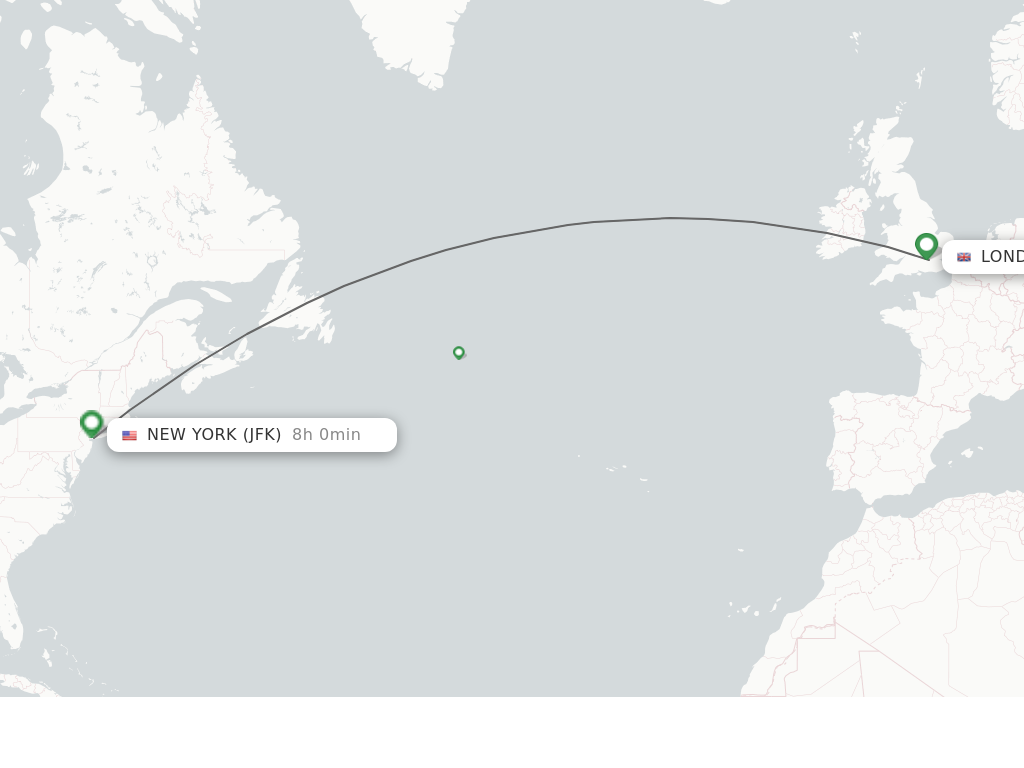
Different aircraft models boast varying cruising speeds and operational efficiencies. A Boeing 747 or Airbus A380, commonly used for long-haul international routes, can maintain high speeds for extended periods. Smaller, regional jets used for shorter domestic hops might have different performance characteristics. Furthermore, the specific flight path, dictated by air traffic control, can influence duration. Flights often follow great-circle routes, which are the shortest distance between two points on a sphere, but these can be adjusted for factors like prevailing winds (jet streams), weather patterns, or political airspace restrictions. For example, flying from Europe to New York City often benefits from tailwinds, potentially shortening the flight, while the return journey might be longer against headwinds.
Layovers and Connections
While direct flights offer the quickest journey, many travelers opt for, or are necessitated into, flights with one or more layovers. Each connection adds not only the flight time of the additional segments but also the time spent on the ground between flights. This can range from a quick 60-minute sprint through an airport to a leisurely multi-hour wait, potentially stretching the overall travel experience significantly. While connecting flights can sometimes be more cost-effective, they invariably extend the total duration of your trip. When planning, always factor in the layover time, potential delays, and the time needed to transfer between terminals or even airports.
Weather and Air Traffic Control
Unpredictable elements like severe weather conditions (e.g., thunderstorms, heavy snow, high winds) can lead to delays, diversions, or rerouting, adding extra time to a flight. Similarly, congestion in the airspace around busy hubs like New York City’s airports (JFK, LGA, EWR) can cause holds, forcing planes to circle or wait on the tarmac, thereby extending the total journey time. Air traffic control plays a crucial role in managing these factors, prioritizing safety and efficiency, but sometimes at the cost of additional flight duration.
Typical Flight Times to New York City
Understanding the variables is helpful, but what about concrete examples? Here’s a breakdown of typical flight durations to New York City from various key destinations around the world. These times generally refer to direct flights; layovers will, of course, add to the overall travel time.
Domestic Flights to NYC
For travelers within the United States, New York City is relatively accessible.
- East Coast: From nearby cities like Boston or Washington D.C., flights are typically very short, around 1 to 1.5 hours. From Orlando or Miami in Florida, expect 2.5 to 3 hours.
- Midwest: Flights from cities such as Chicago, Detroit, or Atlanta generally range from 2 to 3 hours. From further west in the Midwest, like Denver, it’s closer to 4 hours.
- West Coast: Traveling from the West Coast involves a cross-country journey. Flights from major hubs like Los Angeles, San Francisco, or Seattle typically take between 5.5 to 6.5 hours on a direct route.
International Flights to NYC
New York City is a global hub, attracting visitors from every continent.
- From Europe: Transatlantic flights are a common route.
- Western Europe: From major cities like London, Paris, Frankfurt, Amsterdam, or Dublin, direct flights typically last between 7 to 8 hours.
- Southern Europe: From Rome, Madrid, or Lisbon, it’s generally 7.5 to 9 hours.
- Eastern Europe/Scandinavia: From Warsaw, Prague, or Copenhagen, flights are usually 8 to 9.5 hours.
- From Asia: These are some of the longest flights due to the immense distance.
- East Asia: From Tokyo, Seoul, or Beijing, expect a journey of 13 to 15 hours on a direct flight. Flights from Hong Kong or Taipei can be similar or slightly longer.
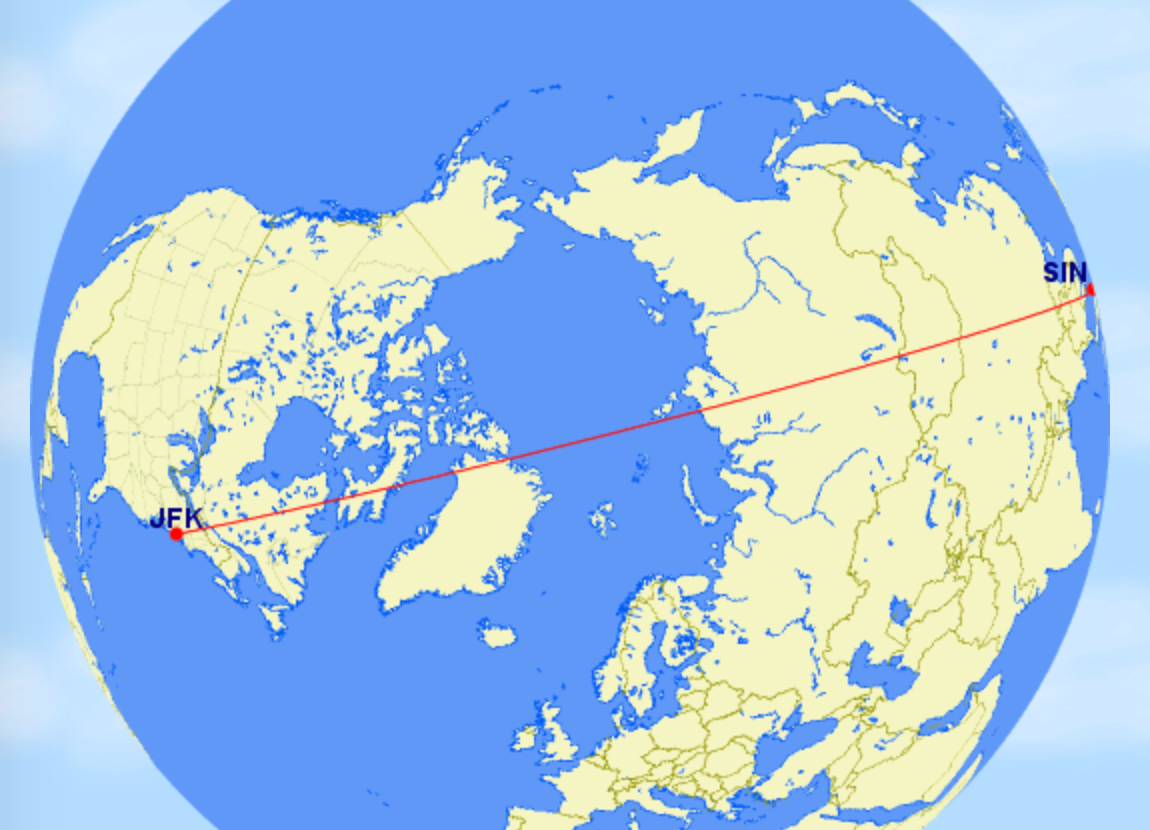
- Southeast Asia/India: Flights from cities like Singapore, Bangkok, or Mumbai will often involve one or more layovers and total travel times of 18 to 24+ hours.
- From South America:
- Northern South America: From Bogotá or Caracas, direct flights are around 5 to 6 hours.
- Southern South America: From São Paulo or Buenos Aires, journeys can range from 9 to 11 hours.
- From Africa: Direct flights are less common, often involving a stop in Europe or the Middle East. From major hubs like Johannesburg or Cairo, total travel time can be 15 to 20+ hours.
- From Oceania (Australia/New Zealand): These represent some of the longest routes in the world. Direct flights are rare; most involve at least one stop, often on the West Coast US or in Asia. Expect total travel times ranging from 18 to 24+ hours, including layovers, from cities like Sydney or Auckland.
Maximizing Your Flight Experience to the Big Apple
A long flight doesn’t have to be an ordeal. With careful planning and attention to detail, you can transform your journey into a comfortable and even enjoyable part of your New York City adventure.
Choosing the Right Airport (JFK, LGA, EWR)
New York City is served by three major airports, each with its own advantages and disadvantages depending on your origin, destination within the city, and airline choice:
- John F. Kennedy International Airport (JFK): Located in Queens, JFK is the largest and busiest of the three, handling the majority of international flights and a significant number of domestic routes. It offers the most extensive range of airlines and global destinations. Travel into Manhattan can take 45-75 minutes via taxi or ride-share, or using the AirTrain JFK connecting to the subway or Long Island Rail Road.
- Newark Liberty International Airport (EWR): Situated in Newark, New Jersey, EWR is a major hub for United Airlines and serves both domestic and international flights. It’s a convenient option for those staying on the west side of Manhattan or in New Jersey. Transportation to Manhattan typically involves the AirTrain Newark connecting to NJ Transit trains to Penn Station, taking 45-60 minutes.
- LaGuardia Airport (LGA): Also in Queens, LGA primarily handles domestic flights and is undergoing significant modernization. It’s generally the closest airport to Manhattan, making it popular for internal US travelers. Travel by taxi or bus to Manhattan can take 30-50 minutes, depending on traffic.
Consider your final destination in New York City when choosing your airport to minimize post-flight travel time.
Comfort and Amenities on Long-Haul Flights
For longer flights, particularly those crossing time zones, comfort is key.
- Seat Selection: If possible, choose seats with extra legroom or in exit rows for a more comfortable journey. Consider upgrading to premium economy, business class, or first class if your budget allows, especially for very long journeys. These often include lie-flat seats, enhanced meal service, and superior hotel amenities.
- In-Flight Entertainment: Most modern long-haul aircraft offer extensive in-flight entertainment systems with movies, TV shows, music, and games. Bring your own headphones (noise-canceling are a bonus) and consider pre-downloading content on your devices.
- Packing Essentials: A small bag with essentials like a neck pillow, eye mask, earplugs, warm socks, a light blanket or shawl, and toiletries (travel-sized moisturizer, toothbrush, toothpaste) can significantly enhance comfort. Stay hydrated by drinking plenty of water and limiting caffeine and alcohol.
- Movement: Get up and move around the cabin every couple of hours to improve circulation and prevent stiffness. Simple stretches in your seat can also help.
Beating Jet Lag and Arriving Refreshed
Jet lag is a common adversary for those crossing multiple time zones. However, several strategies can help mitigate its effects:
- Adjust Before You Fly: A few days before your trip, try to gradually shift your sleep schedule towards New York City time.
- Hydration: Drink plenty of water throughout your flight. Dehydration can exacerbate jet lag symptoms.
- Onboard Strategy: Set your watch to New York City time as soon as you board. Try to sleep when it’s nighttime in NYC and stay awake when it’s daytime.
- Upon Arrival: Expose yourself to natural light as much as possible during the day. Avoid heavy meals and excessive caffeine/alcohol. Try to stick to the local sleep schedule, even if you’re tired. Short naps (20-30 minutes) can be helpful, but avoid long ones.
Beyond the Flight: Immersing Yourself in New York City
Once you’ve successfully navigated your flight, the real adventure begins. New York City offers an unparalleled array of travel experiences, from iconic landmarks to diverse cultural offerings and world-class food.
Top Landmarks and Attractions
New York City is a treasure trove of famous sites, each telling a story of history, ambition, and cultural impact.
- Statue of Liberty & Ellis Island: A ferry ride to these historic islands offers breathtaking views of the Manhattan skyline and a profound connection to American history and immigration.
- Empire State Building & One World Trade Center: Ascend to the observation decks of these architectural marvels for panoramic views of the city that never sleeps.
- Times Square: Immerse yourself in the dazzling lights and vibrant energy of Times Square, the heart of Broadway and a global entertainment hub.
- Central Park: Escape the urban bustle in Central Park, an expansive oasis perfect for strolling, picnicking, or simply people-watching.
- Museums: Explore world-renowned institutions like the Metropolitan Museum of Art, the Museum of Modern Art (MoMA), and the American Museum of Natural History, offering diverse collections for every interest.
- Brooklyn Bridge: Walk or bike across this iconic structure for stunning views of the Manhattan and Brooklyn skylines.
Navigating Accommodation Options
New York City offers a vast spectrum of accommodation choices to suit every preference and budget, from opulent luxury hotels to cozy boutique apartments.
- Hotels: From historic establishments like The Plaza Hotel to modern suites in Midtown Manhattan, hotels provide a traditional stay with various amenities. Popular areas include Times Square, Midtown, and the Financial District.
- Apartments and Villas: For a more local experience or long-term stay, consider renting a private apartment through platforms like Airbnb. This can be particularly appealing for family trips or those seeking kitchen facilities.
- Resorts and Boutique Hotels: For a more specialized or luxury travel experience, New York City boasts numerous boutique hotels offering unique design and personalized service in neighborhoods like SoHo, Greenwich Village, or the Meatpacking District.
When making your booking, compare reviews and locations carefully to ensure your choice aligns with your itinerary and budget.
Exploring NYC’s Diverse Culture and Cuisine
New York City is a melting pot of cultures, reflected in its diverse neighborhoods and unparalleled food scene.
- Food Experiences: From Michelin-starred restaurants to iconic street food vendors, NYC is a culinary paradise. Don’t miss out on classic New York-style pizza, bagels, hot dogs from a street cart, and fine dining across various global cuisines. Explore Chinatown, Little Italy, and diverse ethnic enclaves in Queens for authentic culinary adventures.
- Arts and Entertainment: Beyond Broadway shows, immerse yourself in live music venues, comedy clubs, and performance art spaces throughout the city. The Lincoln Center and Carnegie Hall host world-class orchestral and operatic performances.
- Neighborhood Exploration: Each New York City neighborhood has its own distinct character. Wander through the charming streets of Greenwich Village, shop the boutiques of SoHo, experience the vibrant history of Harlem, or enjoy the artistic vibe of Bushwick in Brooklyn. Utilize detailed travel guides to make the most of your exploration.

Tailoring Your NYC Trip: Lifestyle and Budget Considerations
New York City can cater to a wide range of lifestyles and budgets.
- Luxury Travel: For those seeking an opulent experience, NYC offers five-star hotels, private shopping experiences, exclusive dining, and private tours of landmarks. Consider personalized travel guides and concierge services.
- Budget Travel: It’s entirely possible to experience New York City without breaking the bank. Utilize public transportation, seek out free activities (like walking the Brooklyn Bridge or exploring Central Park), take advantage of happy hour deals, and look for affordable accommodation outside Manhattan. Many museums offer free or pay-what-you-wish days.
- Family Trips: New York City has countless kid-friendly attractions, from the American Museum of Natural History to Coney Island and FAO Schwarz. Plan activities that cater to all ages.
- Business Stays: For corporate travelers, focus on hotels with good business amenities and proximity to your meetings. Efficient transportation to and from airports and within the city is key.
In conclusion, while the question “How long is a flight to New York City?” has varied answers, the journey is always the prelude to an extraordinary travel experience. By understanding flight dynamics, choosing wisely, and preparing for your trip, you can ensure a comfortable journey that sets the stage for an unforgettable exploration of one of the world’s most dynamic cities.
LifeOutOfTheBox is a participant in the Amazon Services LLC Associates Program, an affiliate advertising program designed to provide a means for sites to earn advertising fees by advertising and linking to Amazon.com. Amazon, the Amazon logo, AmazonSupply, and the AmazonSupply logo are trademarks of Amazon.com, Inc. or its affiliates. As an Amazon Associate we earn affiliate commissions from qualifying purchases.