
The question “How long is a New York Marathon?” might seem straightforward, with a quick answer of 26.2 miles or 42.195 kilometers. However, for anyone contemplating the journey – whether as a participant, a supporter, or a curious traveler – the true “length” of this iconic event stretches far beyond mere physical distance. It encompasses months of training, the intricate logistics of travel and accommodation in one of the world’s busiest cities, the cultural immersion into New York City‘s diverse neighborhoods, and the profound personal transformation that defines the marathon experience.
The New York Marathon is not just a race; it’s a global spectacle, drawing over 50,000 runners from every corner of the planet and watched by millions. It represents the pinnacle of urban marathons, weaving through all five boroughs and showcasing an unparalleled tapestry of human spirit, architectural marvels, and vibrant communities. For travel enthusiasts, it’s an exceptional opportunity to combine a sporting challenge with an unforgettable exploration of a world-class destination. From meticulous travel planning and securing the perfect hotel suite to discovering hidden local gems and embracing the city’s unique lifestyle, understanding the “length” of this marathon means appreciating every facet of the adventure it promises. This article delves into the various dimensions of the New York Marathon, providing insights for runners, tourists, and anyone dreaming of experiencing this monumental event.

The Iconic Distance: More Than Just Miles
At its core, a marathon is a test of endurance covering a specific distance. But the New York Marathon transforms this standard into an epic narrative, a journey through the heart of a city that never sleeps. The physical length is just the beginning; the emotional, logistical, and experiential “length” is what truly defines it.
Understanding the Marathon Standard
The official distance of any marathon, including the New York Marathon, is precisely 26 miles and 385 yards (42.195 kilometers). This specific length dates back to the 1908 London Olympics, where the race started at Windsor Castle and finished at the Olympic Stadium, with an additional 385 yards added so the finish line could be in front of the Royal Box. This distance was eventually standardized in 1921. For participants, understanding this precise measurement is crucial for training and pacing strategies, but for tourists, it’s the sheer scale of such a feat, especially within a bustling urban environment, that captures the imagination. Imagine covering that distance through diverse terrains, from the incline of bridges to the long stretches of city avenues, all while navigating crowds and battling personal limits. The very concept of this distance sets the stage for an extraordinary travel experience, where one gets to witness or even be part of a human endeavor of immense scale.
The TCS New York City Marathon Course: A Five-Borough Journey
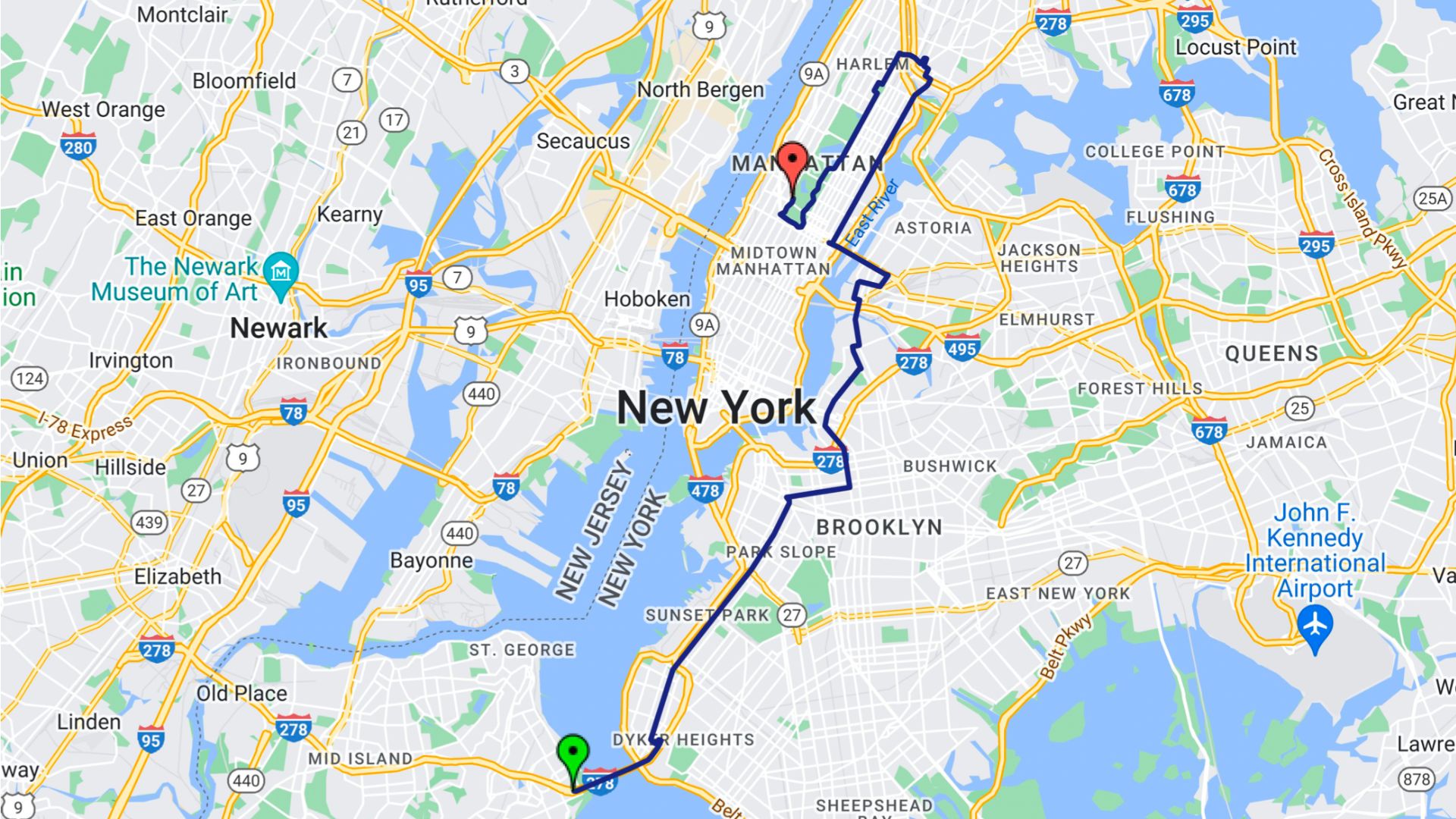
What makes the New York Marathon truly unique is its unparalleled course, which proudly winds through all five boroughs of New York City: Staten Island, Brooklyn, Queens, the Bronx, and Manhattan. This isn’t just a race; it’s a comprehensive tour, showcasing the city’s incredible diversity, its iconic landmarks, and the fervent spirit of its residents who line the streets to cheer on the runners.
The race famously begins on Staten Island at the foot of the Verrazzano-Narrows Bridge. The initial miles across this magnificent double-decked bridge offer breathtaking panoramic views of the Manhattan skyline and the Statue of Liberty – a truly iconic start for any race. After descending the bridge, runners enter Brooklyn, a borough known for its vibrant neighborhoods and enthusiastic crowds. They traverse lengthy stretches of Fourth Avenue and Lafayette Avenue, passing through areas like Bay Ridge, Sunset Park, and Fort Greene, each offering a distinct cultural flavor. The sheer energy of the crowds in Brooklyn is legendary, providing a crucial boost to runners in the early stages.
From Brooklyn, the course crosses the Pulaski Bridge into Queens, a diverse melting pot of cultures. This section is relatively short but significant, leading runners over the Queensboro Bridge – one of the most challenging yet rewarding parts of the race. The silence of the bridge, devoid of cheering crowds, offers a moment of introspection before the roar of Manhattan erupts. Emerging from the bridge onto First Avenue in Manhattan is often described as an electrifying experience, where huge crowds provide an incredible surge of adrenaline.
The journey continues north through Manhattan, taking runners through Upper East Side and then briefly into the Bronx via the Willis Avenue Bridge and then the Madison Avenue Bridge for a short loop before returning to Manhattan’s Harlem. This segment offers a change of scenery and a powerful reminder of the city’s rich history and diverse communities. The final stretch down Fifth Avenue is renowned for its subtle incline and the stunning backdrop of Upper East Side architecture, leading runners into the triumphant finish line within Central Park. The park provides a picturesque and emotional conclusion, with thousands of spectators cheering as runners complete their monumental achievement. This journey through five boroughs, spanning the length of 26.2 miles, offers an unparalleled opportunity for participants and spectators alike to experience the true heartbeat of New York City.
Navigating New York: Travel, Accommodation, and Logistics for Marathoners
Participating in or even just spectating the New York Marathon requires meticulous planning, especially when it comes to travel and accommodation. Given the event’s global appeal, New York City becomes a bustling hub for visitors, making early booking and strategic choices paramount for a smooth and enjoyable experience. The “length” of the preparation phase for this marathon is arguably as significant as the race itself.
Planning Your Marathon Trip
Travel to New York City for the marathon weekend typically involves flying into one of its major international airports: JFK, LaGuardia, or Newark Liberty International Airport in New Jersey. Each offers various transportation options into Manhattan and other boroughs, including express trains, buses, and taxis. Given the influx of visitors, particularly during the marathon weekend (usually the first Sunday in November), flight prices can soar, and availability can dwindle quickly. It is highly advisable to book airfare several months in advance to secure reasonable rates and preferred schedules.
Beyond flights, navigating the city requires an understanding of its public transportation system. The subway and bus network is extensive and efficient, offering the best way to get around without battling traffic. For marathoners, planning routes to the race expo (typically at the Jacob K. Javits Convention Center) and to the various start villages on Staten Island is critical. Spectators also need to plan their viewing spots along the course, often involving multiple subway hops to catch their runners at different points. Utilizing online guides and mobile apps for public transit can significantly streamline the travel experience, transforming potential stress into an opportunity for seamless exploration.
Choosing Your Stay: Hotels and Beyond

Accommodation is another crucial aspect of the marathon trip, with options ranging from luxurious hotel suites to budget-friendly hostels and serviced apartments. New York City boasts an unparalleled selection of hotels, but during marathon weekend, demand is exceptionally high. Many runners seek hotels in Manhattan that offer easy access to the finish line in Central Park for post-race recovery, and convenient subway lines to reach the bus departures for Staten Island on race morning.
Luxury options like The St. Regis New York or the Mandarin Oriental, New York offer exquisite amenities, including spa services and fine dining, which can be particularly appealing for a post-marathon pampering session. These establishments often provide spectacular views and are located strategically close to major attractions. For those preferring a more independent or extended stay, serviced apartments or boutique hotels can offer a home-away-from-home feel, often with kitchenettes ideal for pre-race meal preparation. Budget travelers can find numerous hostels and smaller hotels, particularly in areas like Long Island City (in Queens) or downtown Manhattan, which still offer good subway access to the course and attractions.
Regardless of budget, booking accommodation well in advance – often up to a year out – is strongly recommended. Many hotels offer special marathon packages, and checking reviews on platforms like lifeoutofthebox.com can help identify properties that cater well to runners, perhaps offering early breakfast hours or late checkout. Proximity to subway stations, quiet rooms for crucial pre-race sleep, and comfortable beds for recovery are key considerations.
Race Day Logistics and Transportation
Race day logistics for the New York Marathon are meticulously organized but require participants to be well-informed. Runners typically board designated buses from various pick-up points in Manhattan (or take the ferry) to reach the start villages on Staten Island in the early morning. These arrangements are part of the detailed race instructions provided by the New York Road Runners (NYRR). The sheer scale of moving tens of thousands of runners efficiently is a logistical marvel, but runners must follow instructions precisely to avoid missing their wave start.
For spectators, planning their race-day route is equally important. Identifying strategic viewing spots that are easily accessible by subway or foot, and anticipating road closures, are essential. Popular cheering spots include Fourth Avenue in Brooklyn, First Avenue in Manhattan, and the final stretch in Central Park. Many families and friends plan to meet their runners at designated post-finish areas, which also requires pre-planning due to the large crowds and temporary barriers. The intricate dance of travel, accommodation, and race-day logistics adds another layer to the “length” of the marathon experience, highlighting the importance of thorough preparation for an unforgettable event.
Beyond the Race: Experiencing New York’s Tourism, Landmarks, and Lifestyle
While the New York Marathon is a monumental athletic achievement, it’s also an unparalleled gateway to experiencing the vibrant tourism, iconic landmarks, and dynamic lifestyle of New York City. For many, the race is just one component of a broader travel adventure, offering a perfect blend of physical challenge and cultural exploration.
Iconic Landmarks Along the Course and Beyond
The marathon course itself is a journey through a living museum of New York City’s most famous landmarks. From the majestic Verrazzano-Narrows Bridge at the start, offering views of the Statue of Liberty, to the finish line in Central Park, runners and spectators are treated to a continuous panorama of urban splendor. Along the way, they pass by the impressive architecture of Midtown Manhattan as they approach the Queensboro Bridge, catch glimpses of the United Nations Headquarters along First Avenue, and traverse segments near Museum Mile on Fifth Avenue, culminating at the iconic Columbus Circle before entering Central Park.
However, the adventure extends far beyond the race route. Visitors to New York City have an endless array of attractions to explore. A post-race recovery walk could lead to the towering heights of the Empire State Building or the modern grandeur of One World Observatory. No trip is complete without experiencing the dazzling lights and energy of Times Square, catching a world-class show on Broadway, or taking a ferry to see the Statue of Liberty and Ellis Island. Exploring diverse neighborhoods like Greenwich Village, SoHo, and DUMBO (in Brooklyn) offers unique shopping, dining, and photo opportunities. Each landmark and neighborhood adds to the expansive “length” of the New York Marathon experience, transforming a sporting event into a comprehensive tourist itinerary.
Immerse in Local Culture and Culinary Delights
New York City is a global epicurean capital, and the marathon provides a perfect excuse to dive into its diverse culinary scene. From classic New York-style pizza and bagels, which are almost mandatory post-race indulgences, to Michelin-starred dining experiences, the city caters to every palate and budget. Exploring ethnic enclaves like Chinatown, Little Italy, or the incredible array of international restaurants in Queens offers an authentic taste of local culture. Marathoners, in particular, will appreciate the variety of carb-loading options available, from Italian pasta houses to trendy ramen spots.
Beyond food, the city’s cultural offerings are boundless. World-renowned museums like the Metropolitan Museum of Art and the Museum of Modern Art provide intellectual and artistic stimulation. Live music venues, comedy clubs, and the vibrant street art scene ensure there’s always something engaging to experience. Tips for tourists often include embracing public transport, walking to truly appreciate the city’s scale, and being open to spontaneous discoveries. Engaging with locals in different neighborhoods can provide unique insights and recommendations, enriching the travel experience beyond typical tourist traps. This cultural and culinary immersion significantly extends the “length” of the marathon trip, making it a rich and multifaceted journey.
The Lifestyle of a Marathoner and a Tourist
The New York Marathon seamlessly blends the demanding lifestyle of a dedicated runner with the leisurely exploration of a tourist. For many participants, the trip is a reward for months of grueling training, offering a chance to celebrate their achievement in one of the world’s most exciting cities. This fusion creates a unique lifestyle experience.
Runners often arrive a few days before the race, using this time to visit the expo, attend pre-race events, and gently explore the city’s sights, carefully balancing excitement with rest. Post-race, the emphasis shifts to recovery and celebration. A luxurious stay at a high-end hotel with amenities like a spa can be the perfect way to soothe tired muscles, while enjoying exquisite dining marks a well-deserved indulgence. For budget-conscious travelers, exploring free attractions like walking across the Brooklyn Bridge or picnicking in Central Park can be equally rewarding.
The marathon also presents opportunities for family trips, where non-running family members can enjoy the city’s attractions while their loved one prepares for the race. Business travelers might even schedule their trip around the marathon, combining professional commitments with the exhilarating atmosphere of the event. The “lifestyle” component of the marathon experience is about finding balance – pushing physical limits while embracing the joy of travel, recovering and celebrating in style, and soaking in the energy of a city that constantly inspires. This holistic approach ensures that the “length” of the New York Marathon experience is measured not just in miles, but in memories, achievements, and unforgettable moments of discovery.
Ultimately, the question of “How long is a New York Marathon?” transcends its numerical answer. It’s a journey that commences long before race day, extends through the challenging 26.2 miles across five boroughs, and lingers in the vibrant memories created while exploring New York City’s iconic landmarks, diverse culture, and captivating lifestyle. Whether you’re chasing a personal best, cheering on a loved one, or simply immersing yourself in the electric atmosphere, the New York Marathon offers an expansive, unforgettable adventure measured in experiences, rather than just kilometers. It stands as a testament to human endurance, the spirit of community, and the magnetic allure of one of the world’s greatest cities, inviting everyone to discover its multifaceted “length.”
LifeOutOfTheBox is a participant in the Amazon Services LLC Associates Program, an affiliate advertising program designed to provide a means for sites to earn advertising fees by advertising and linking to Amazon.com. Amazon, the Amazon logo, AmazonSupply, and the AmazonSupply logo are trademarks of Amazon.com, Inc. or its affiliates. As an Amazon Associate we earn affiliate commissions from qualifying purchases.