
The New York City Marathon is not just a race; it’s a global phenomenon, a vibrant spectacle that captures the heart and soul of New York City. For those planning to run, spectate, or simply visit during this iconic event, a fundamental question often arises: exactly how long is this legendary marathon? The answer, steeped in tradition and universally recognized, is 26.2 miles (or 42.195 kilometers). This specific distance is the standard for all marathons worldwide, yet the New York City Marathon elevates it into an unparalleled journey through one of the most dynamic cities on Earth.

This article delves deep into what makes the New York City Marathon an essential experience, exploring its challenging yet rewarding distance, its scenic route through the city’s diverse boroughs, and the comprehensive travel and lifestyle considerations for anyone wishing to be a part of it. Whether you’re an aspiring runner, a dedicated supporter, or a curious traveler seeking to immerse yourself in New York culture, understanding the scope and spirit of this event is key to unlocking an unforgettable adventure in the Big Apple.
The Iconic Distance: A Marathon’s True Measure
The 26.2-mile distance of a marathon is far from arbitrary; it’s a measure steeped in ancient history and solidified by modern athletic tradition. For the New York City Marathon, this distance represents not just a physical challenge but a symbolic journey that takes participants through a tapestry of cultures and communities.
Unpacking the 26.2 Miles
To truly grasp the magnitude of 26.2 miles, consider it as approximately 42 kilometers – a distance that tests the limits of human endurance, mental fortitude, and strategic planning. For the thousands of runners who toe the starting line each year, these miles are meticulously mapped out, each one presenting its own unique character, elevation changes, and urban backdrop. From the adrenaline-fueled ascent of the Verrazzano-Narrows Bridge to the triumphant dash through Central Park, every mile is a story, a struggle, and ultimately, a victory.
For spectators, understanding this distance means appreciating the immense effort involved and knowing where to position themselves for the best views and to provide the most impactful cheers. It dictates travel plans, suggests appropriate footwear for a day of standing and walking, and frames the entire day’s experience around the incredible feat taking place on the city streets.
A Historical Journey of Athletic Endurance
The marathon’s unique distance traces its roots back to ancient Greece, commemorating the legendary run of Pheidippides from the Battle of Marathon to Athens in 490 BC. While the exact historical accuracy of his 25-mile run is debated, the modern marathon distance was formally established at the 1908 London Olympic Games. An additional 385 yards were added to the original 26 miles to ensure the race would finish directly in front of the Royal Box at White City Stadium. This seemingly small addition cemented the now-famous 26 miles and 385 yards, or 42.195 kilometers, as the official marathon distance.
The New York City Marathon, first held in 1970, embraces this rich history, transforming the urban landscape of New York City into a modern-day arena for human achievement. It’s one of the six Abbott World Marathon Majors, signifying its elite status among global long-distance running events. Its history is intertwined with the city’s own narrative, evolving from a local event held entirely within Central Park to the sprawling five-borough spectacle it is today. This evolution underscores the marathon’s growth into a truly international celebration of sport, culture, and community spirit, attracting participants from virtually every country in the world to the United States.
Tracing the Legendary Route: A Five-Borough Spectacle
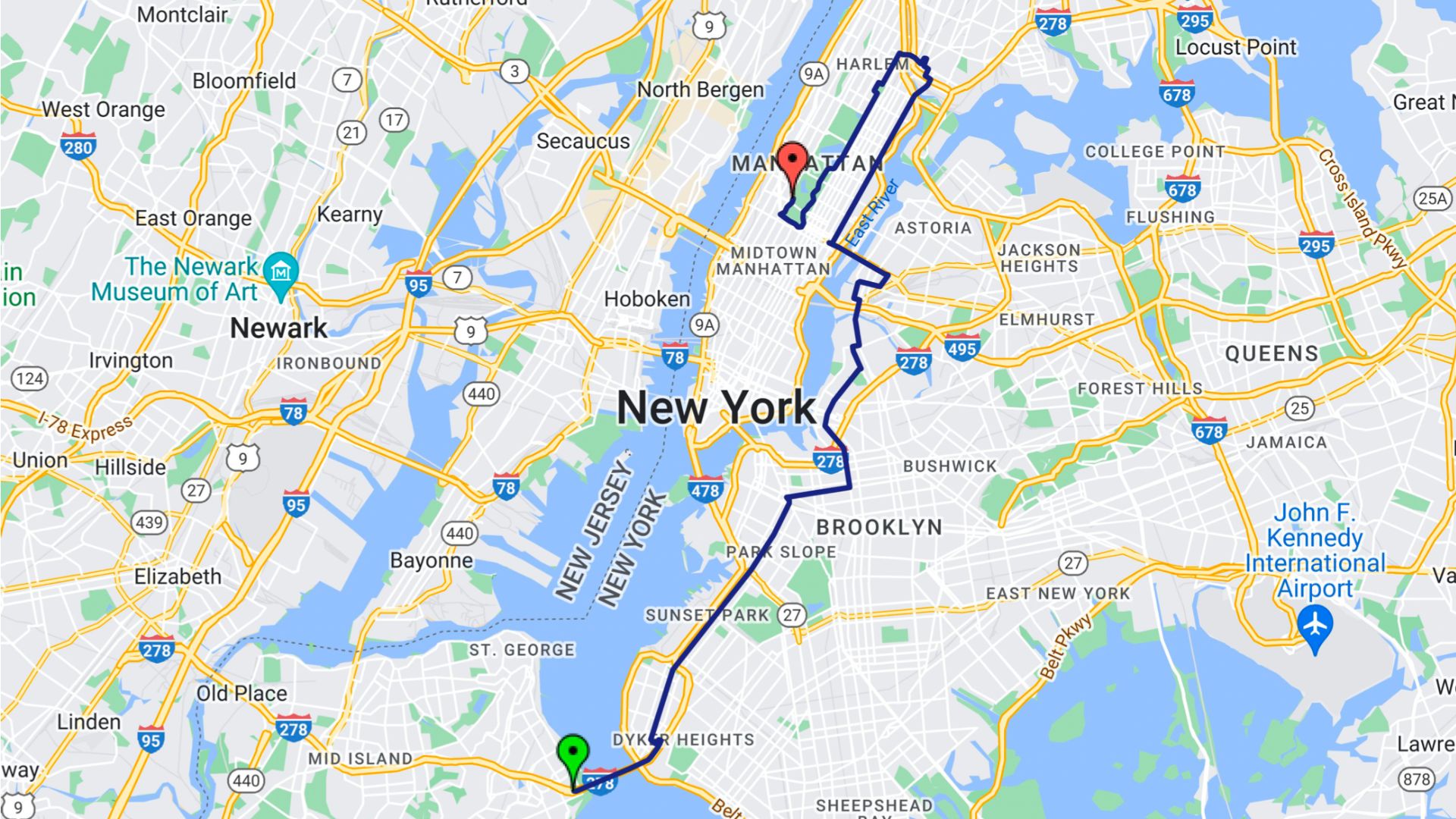
The route of the New York City Marathon is arguably its most defining feature, offering runners and spectators an unparalleled tour through the diverse fabric of New York City. This carefully planned course traverses all five boroughs, creating a dynamic backdrop of iconic landmarks, bustling neighborhoods, and enthusiastic crowds.
From Staten Island to Central Park: A Geographical Overview
The journey begins on Staten Island, specifically on the upper level of the Verrazzano-Narrows Bridge. The early morning spectacle of thousands of runners crossing this majestic bridge, with panoramic views of the New York Harbor and the Manhattan skyline, is one of the most iconic images in sports.
After descending into Brooklyn, runners embark on a long and winding journey through diverse neighborhoods. For approximately 11 miles, the race navigates Brooklyn’s vibrant communities, including Bay Ridge, Sunset Park, Park Slope, Fort Greene, and Williamsburg. The energy here is palpable, with residents lining Fourth Avenue and Lafayette Avenue, offering cheers, music, and moral support.
From Brooklyn, the course crosses the Pulaski Bridge into Long Island City in Queens. This short but impactful stretch offers a different perspective, with industrial backdrops giving way to residential areas before leading to the Ed Koch Queensboro Bridge.
The ascent of the Queensboro Bridge is notoriously challenging, known for its quiet, enclosed nature before the exhilarating descent into Manhattan. The roar of the crowd on First Avenue in Manhattan is legendary, often described as a wave of sound that carries runners forward after miles of isolated effort. Runners head north on First Avenue through East Harlem before crossing into the Bronx via the Willis Avenue Bridge.
The brief tour through the Bronx via 138th Street and the Madison Avenue Bridge leads runners back into Manhattan. The final stretch involves a triumphant run down Fifth Avenue, bordering Central Park, before entering the park itself for the iconic finish line near Tavern on the Green. This winding, emotional finish provides one of the most memorable moments for runners and spectators alike.
Key Landmarks and Crowd Hotspots Along the Way
The New York City Marathon is a moving tour of some of New York’s most famous and lesser-known landmarks. Beyond the starting point on the Verrazzano-Narrows Bridge and the finish in Central Park, several points along the route offer unique spectator experiences and memorable moments for runners.
In Brooklyn, the vibrant stretch along Fourth Avenue is packed with cheering fans, local bands, and community groups, providing an incredible energy boost. The journey through Williamsburg often showcases the borough’s artistic flair and diverse cultural tapestry. The approach to the Pulaski Bridge offers impressive views of the Manhattan skyline, a preview of what’s to come.
The crossing of the Queensboro Bridge, while physically taxing and atmospherically quiet, offers a stunning panorama upon descent into Manhattan. The sudden eruption of sound from the crowds on First Avenue is a legendary experience, often described as overwhelming and incredibly motivating. Further north, passing through Harlem, runners are met with powerful gospel choirs and lively street parties, reflecting the rich cultural heritage of the neighborhood.
The ascent of Fifth Avenue alongside Central Park is a final challenging climb, yet the sight of the park and the nearing finish line electrifies the atmosphere. The final miles inside Central Park are lined with deep crowds, providing an emotional final push towards the finish. Each section of the course, with its distinct character and landmarks, contributes to the marathon’s unparalleled allure, making it a truly immersive experience of New York City’s geography and spirit.
Experiencing the Marathon: More Than Just a Race
The New York City Marathon is a multifaceted event, offering distinct yet equally profound experiences for both those who run it and those who cheer them on. It transcends a mere athletic competition, evolving into a cultural happening that defines a weekend in the Big Apple.

For Runners: Training, Tapering, and Triumph
For runners, the 26.2 miles of the New York City Marathon represent the culmination of months, sometimes years, of dedicated training. This journey begins long before race day, involving rigorous physical conditioning, careful nutrition planning, and mental preparation for the challenge ahead. The “tapering” phase in the weeks leading up to the race is crucial, allowing the body to recover and store energy, while the mind grapples with anticipation and nerves.
On race day, the experience is a roller coaster of emotions. The nervous excitement at the start village on Staten Island, the camaraderie among fellow runners, and the sheer scale of the event set the stage. The course itself is a test of strategy and resilience, with infamous hills like the bridges and the final push up Fifth Avenue. Yet, it’s the roar of the crowds, especially at the Mile 20 Wall on First Avenue and within Central Park, that often carries runners through their toughest moments. Crossing that finish line is an unparalleled moment of triumph, a testament to personal dedication and the indomitable human spirit. It’s an experience that runners cherish for a lifetime, often describing it as one of their most significant life achievements.
For Spectators: Where to Watch and What to Expect
Being a spectator at the New York City Marathon is an event in itself. The city transforms into a massive street party, with millions of people lining the streets to cheer on the runners. To make the most of the experience, strategic planning is essential. Popular viewing spots include:
- Fourth Avenue, Brooklyn: Early in the race, this long stretch is packed with enthusiastic crowds and offers an excellent chance to see runners early on.
- First Avenue, Manhattan: Arguably the most famous spectator spot. After the quiet of the Queensboro Bridge, the cheers here are deafening and invigorating. Arrive early to secure a good spot.
- Fifth Avenue (Miles 23-24): This uphill climb is where runners often need the most encouragement. The atmosphere is intense and supportive.
- Central Park South / Finish Line Area: While access to the immediate finish line is restricted, the final approach into Central Park offers incredibly emotional moments. Public viewing areas are available along the park perimeter, creating a truly memorable conclusion.
Spectators should expect large crowds, significant street closures, and heavy reliance on public transportation. Dressing in layers, bringing snacks, and having a portable charger for your phone are practical tips. Most importantly, bring your voice and infectious enthusiasm – your cheers are a critical part of the marathon experience for the runners.
Cultural Immersion and Local Festivities
Beyond the race itself, the New York City Marathon weekend is a celebration of New York City’s vibrant culture and community spirit. The pre-race expo at the Jacob K. Javits Convention Center is a major event, bustling with vendors, educational seminars, and opportunities to soak in the athletic atmosphere. Many neighborhoods along the route host their own unofficial festivities, from block parties to street performances, showcasing the city’s diverse heritage.
Restaurants and bars across the city offer special menus and viewing parties. Post-race celebrations abound, with runners proudly displaying their medals and sharing stories of their epic journey. This entire weekend offers a unique opportunity for cultural immersion, allowing visitors to experience the true local flavor of New York City through the lens of one of its most cherished annual traditions. It’s a chance to see New York not just as a city of landmarks, but as a living, breathing community united by a single, incredible event.
Planning Your Marathon Experience: Travel, Stay, and Lifestyle
Participating in or spectating the New York City Marathon requires careful planning, transforming the event into a comprehensive travel experience. From navigating the bustling streets to finding the perfect place to stay, a successful marathon weekend blends athletic pursuit with an exploration of one of the world’s greatest cities.
Navigating New York City: Travel Tips and Transportation
Traveling around New York City during marathon weekend demands foresight. Street closures are extensive, especially on race day, making the subway the most reliable mode of transportation. Purchase a MetroCard or use contactless payment options (like OMNY) in advance. Plan your routes, especially if you intend to move between different spectator spots, using apps like Google Maps or Citymapper, which update in real-time with transit information and delays.
For out-of-town visitors, arriving a few days before the race allows for acclimatization and exploration without the immediate pressure of race-day logistics. Consider flying into JFK, LaGuardia, or Newark Liberty International Airport, all offering convenient connections to Manhattan and other boroughs. Early booking for flights and accommodation is paramount, as prices surge closer to the event.
Accommodation Options for Every Budget and Style
New York City offers an unparalleled range of accommodation, catering to every lifestyle and budget, though marathon weekend sees high demand.
- Luxury Travel: For those seeking opulent experiences, hotels like The Plaza Hotel or the St. Regis New York offer prime locations, world-class amenities, and impeccable service, often near Central Park for easy race access. These resorts provide a lavish base from which to enjoy the marathon and the city’s upscale offerings.
- Mid-Range Comfort: Many chain hotels, such as the Grand Hyatt New York or those in Times Square or Midtown, strike a balance between comfort and cost. Look for hotels with good subway access to minimize travel time to spectator spots or race-related events. Suites and apartments can also be found, offering more space and flexibility.
- Budget Travel: Affordable options include hostels, boutique hotels in outer boroughs like Brooklyn or Queens (with excellent subway links), or rooms through platforms like Airbnb. Even organizations like the YMCA offer budget-friendly rooms. Booking well in advance is crucial for securing competitive rates during this peak period.
Consider your priorities: proximity to the finish line, access to specific subway lines, or the ambiance of a particular neighborhood. Long-term stays might even consider serviced apartments for a more home-like experience. Always check reviews and compare prices across different booking platforms to ensure the best deal.
Beyond the Finish Line: Exploring the Big Apple
The New York City Marathon provides an excellent excuse to extend your stay and explore the countless attractions New York City has to offer. Whether it’s a family trip, a business stay, or a solo adventure, the city buzzes with possibilities.
- Landmarks: Visit the Statue of Liberty, ascend the Empire State Building or Top of the Rock at Rockefeller Center for breathtaking views, or wander through Times Square’s dazzling lights.
- Culture and Arts: Explore world-class museums like the Metropolitan Museum of Art or the Museum of Modern Art. Catch a Broadway show, immerse yourself in the jazz clubs of Greenwich Village, or discover the vibrant street art in SoHo and the East Village.
- Food and Drink: New York is a culinary paradise. From Michelin-starred dining to iconic street food, explore diverse cuisines in neighborhoods like Chelsea Market, Little Italy, or the bustling eateries of the Lower East Side.
- Relaxation: After the marathon’s intensity, unwind with a stroll through Central Park, a ferry ride past the Statue of Liberty, or simply enjoy people-watching from a cozy cafe.
Embrace the unique energy of New York City, leveraging your marathon visit to craft a memorable and enriching travel experience that extends far beyond the 26.2 miles.
The Enduring Legacy of the New York City Marathon
The New York City Marathon, with its definitive 26.2-mile distance, is far more than an athletic event; it’s a testament to the human spirit, a celebration of community, and a vibrant showcase of one of the world’s most incredible cities. Each year, it draws thousands of runners, millions of spectators, and countless volunteers, all united by a shared sense of challenge and triumph.
From the first steps on the Verrazzano-Narrows Bridge to the jubilant finish line in Central Park, the marathon weaves through the diverse tapestry of New York City’s five boroughs, offering an intimate glimpse into its neighborhoods, cultures, and iconic landmarks. It’s an event that resonates deeply, leaving an indelible mark on all who participate or witness its grandeur.
For travelers, the marathon provides an unparalleled opportunity to experience New York City with an added layer of excitement and purpose. Planning your trip around this event allows for not only engaging with a world-class sporting spectacle but also exploring the city’s rich history, diverse culinary scene, and endless attractions. Whether you’re aiming for a personal best, cheering on a loved one, or simply soaking in the atmosphere, the New York City Marathon offers a powerful blend of travel, tourism, and lifestyle experiences that are truly unique. Its legacy continues to grow, inspiring endurance, celebrating diversity, and showcasing the unstoppable energy of the Big Apple year after year.
LifeOutOfTheBox is a participant in the Amazon Services LLC Associates Program, an affiliate advertising program designed to provide a means for sites to earn advertising fees by advertising and linking to Amazon.com. Amazon, the Amazon logo, AmazonSupply, and the AmazonSupply logo are trademarks of Amazon.com, Inc. or its affiliates. As an Amazon Associate we earn affiliate commissions from qualifying purchases.