
The tantalizing aroma of a perfectly cooked steak is a universal language, transcending borders and cultures. For many travelers and culinary enthusiasts, the New York Strip steak stands as a pinnacle of flavor and texture. Whether you’re a seasoned chef in your own kitchen or an adventurous foodie exploring the diverse dining scenes of New York City, Chicago, or Las Vegas, mastering the art of cooking this iconic cut is a truly rewarding experience. This guide will take you on a journey from selecting the ideal New York Strip to achieving your desired doneness, all while weaving in the rich tapestry of travel, tourism, and lifestyle that makes such culinary pursuits so fulfilling.
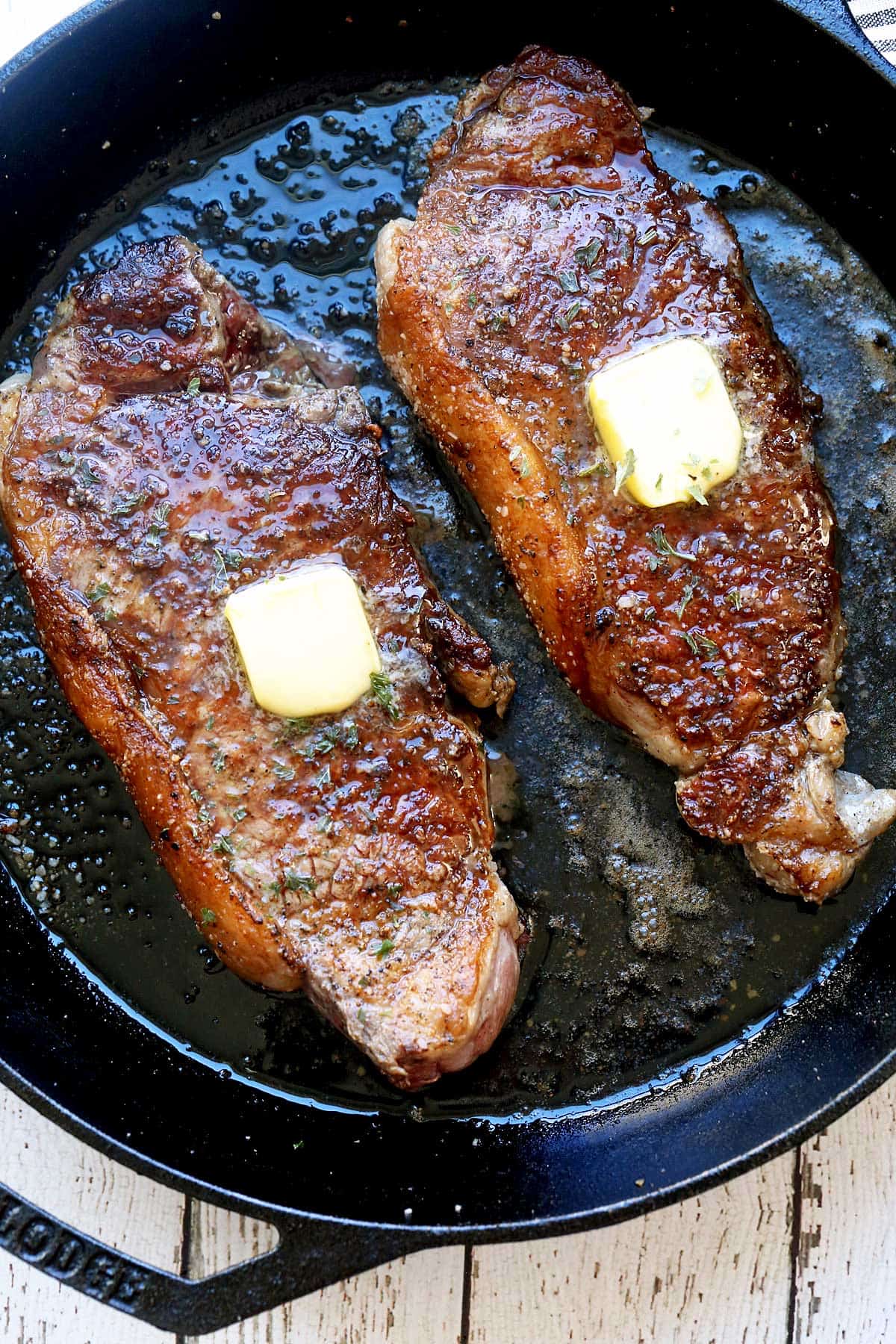
The Iconic New York Steak: A Culinary Journey for the Discerning Traveler
The New York Strip, often referred to as a shell steak, Kansas City strip, or ambassador steak, holds a revered place in the world of gastronomy. Its origins are steeped in the rich culinary history of the United States, particularly associated with the classic steakhouses of the East Coast. This boneless cut from the short loin of the cow is celebrated for its fine texture, robust beefy flavor, and ideal balance of tenderness and chew. Unlike the more tender filet mignon or the heavily marbled ribeye, the New York Strip strikes a perfect equilibrium, making it a favorite among those who appreciate a substantial, flavorful steak without excessive richness.
For the modern traveler, indulging in a New York Strip isn’t just about satisfying a craving; it’s often a central part of the travel experience. Imagine dining in a historic steakhouse in the heart of Manhattan, or perhaps a modern, upscale eatery overlooking the glittering lights of the Las Vegas Strip. These moments become cherished memories, blending local culture, exquisite food, and the unique atmosphere of your chosen destination. Understanding how to cook this steak to perfection not only empowers you to recreate these experiences at home but also enhances your appreciation for the culinary craftsmanship encountered during your travels.
Understanding Your Steak: Cut, Thickness, and Marbling
Before we dive into cooking times, it’s crucial to understand the characteristics of your New York Strip. The quality of the raw ingredient is paramount to the final result.
- The Cut: The New York Strip comes from the Loin Primal, specifically the short loin. It’s characterized by a strip of fat along one edge, which renders beautifully during cooking, adding flavor and juiciness.
- Thickness Matters: For optimal cooking, aim for a steak that is 1 to 1.5 inches thick. Thinner steaks cook too quickly, making it difficult to achieve a good sear without overcooking the interior. Thicker steaks (over 1.5 inches) might require a reverse sear or an oven-finishing technique to ensure even cooking throughout. When selecting a steak at a local butcher during your travels or at a gourmet market, always ask for a specific thickness if you have one in mind. This attention to detail is part of the lifestyle of a true food connoisseur.
- Marbling: This refers to the intramuscular fat visible as white flecks within the lean muscle. Marbling is key to flavor, tenderness, and juiciness. Higher grades of beef (like USDA Prime or Choice) will have more pronounced marbling. When exploring different destinations, particularly those known for their beef production like Argentina or Texas in the United States, you’ll encounter varying marbling standards. Understanding this helps you appreciate the nuances of each culinary region.
Mastering the Art of Cooking New York Steak
Cooking a New York Strip to perfection is a dance between heat, timing, and intuition. Whether you’re preparing a romantic dinner in your luxurious hotel suite with a kitchenette or grilling at a scenic resort, the fundamental principles remain the same:
- Bring to Room Temperature: Remove your steak from the refrigerator at least 30-60 minutes before cooking. This allows for more even cooking.
- Season Generously: A simple yet effective seasoning of coarse salt and freshly ground black pepper is often all a good New York Strip needs. Some prefer to add garlic powder or a touch of onion powder.
- Achieve a Hard Sear: A hot pan or grill is essential for developing that coveted brown, crispy crust (Maillard reaction) that locks in juices and adds depth of flavor.
- Use a Meat Thermometer: This is arguably the most crucial tool for consistent results, especially when aiming for a specific doneness. Don’t guess – measure.
- Rest Your Steak: After cooking, let the steak rest for 5-10 minutes. This allows the juices, which have been pushed to the center by the heat, to redistribute throughout the meat, resulting in a more tender and juicy bite. Cutting too soon will cause the juices to spill out, leaving you with a dry steak.
Achieving Your Desired Doneness: Temperature Guide
The ideal cooking time for a New York Strip depends entirely on your desired doneness. These internal temperatures are measured after the steak has rested. Remember that the steak’s internal temperature will rise by 5-10 degrees Fahrenheit during the resting period (carryover cooking), so you should pull it off the heat before it reaches the target temperature.
- Rare:
- Internal Temperature: 120-125°F (49-52°C)
- Appearance: Cool red center.
- Texture: Very soft, tender.
- For a 1.25-inch thick steak, this might mean 2-3 minutes per side on high heat.
- Medium-Rare (Often Recommended):
- Internal Temperature: 130-135°F (54-57°C)
- Appearance: Warm red center.
- Texture: Soft and yielding, juicy.
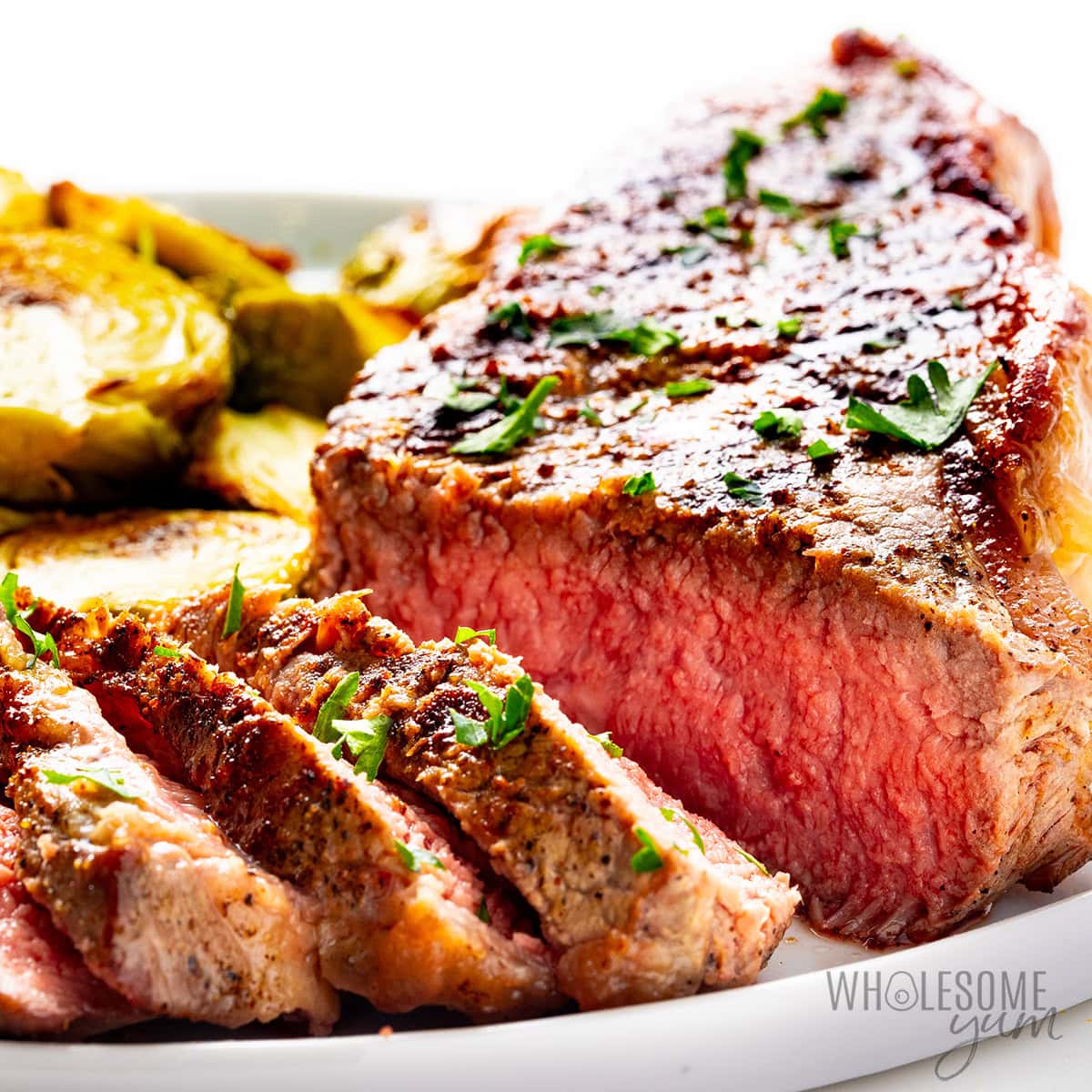
- For a 1.25-inch thick steak, this might mean 3-4 minutes per side on high heat. This is widely considered the optimal doneness for a New York Strip as it maximizes tenderness and flavor without being too raw or too cooked.
- Medium:
- Internal Temperature: 135-140°F (57-60°C)
- Appearance: Pink center.
- Texture: Firmer, less yielding.
- For a 1.25-inch thick steak, this might mean 4-5 minutes per side on high heat.
- Medium-Well:
- Internal Temperature: 140-150°F (60-66°C)
- Appearance: Slightly pink center.
- Texture: Significantly firmer.
- For a 1.25-inch thick steak, this might mean 5-6 minutes per side on high heat.
- Well-Done:
- Internal Temperature: 155°F (68°C) and above
- Appearance: No pink, brown throughout.
- Texture: Firm and dense, can be dry.
- While some prefer it, cooking a premium cut like a New York Strip to well-done is generally not recommended as it can diminish its natural juiciness and tender texture.
Step-by-Step Cooking Instructions (Pan-Sear & Oven-Finish Method)
This method is highly versatile and can be adapted whether you’re in a well-equipped kitchen or a cozy apartment rental during your travels.
Ingredients & Equipment:
- 1 (1.25-1.5 inch thick) New York Strip steak
- Coarse salt (like kosher or sea salt)
- Freshly ground black pepper
- 1-2 tablespoons high smoke point oil (grapeseed, canola, avocado)
- 1 tablespoon unsalted butter (optional, for flavor)
- Garlic cloves and fresh herbs like rosemary or thyme (optional)
- Cast-iron skillet or heavy-bottomed oven-safe pan
- Meat thermometer
- Tongs
Instructions:
-
Preparation (30-60 minutes before cooking):
- Remove the steak from the refrigerator and pat it thoroughly dry with paper towels. This is critical for achieving a good sear.
- Season generously with salt and pepper on all sides. Don’t be shy; a thick steak can handle a good amount of seasoning. Let it sit at room temperature for 30-60 minutes.
- Preheat your oven to 400°F (200°C).
-
Sear on Stovetop (approx. 2-4 minutes per side):
- Heat the cast-iron skillet over high heat until it’s smoking hot. This usually takes 5-7 minutes.
- Add the high smoke point oil to the pan, swirling to coat.
- Carefully place the seasoned steak in the hot pan. You should hear an immediate sizzle.
- Sear for 2-3 minutes without moving, allowing a deep brown crust to form.
- Flip the steak and sear the other side for another 2-3 minutes.
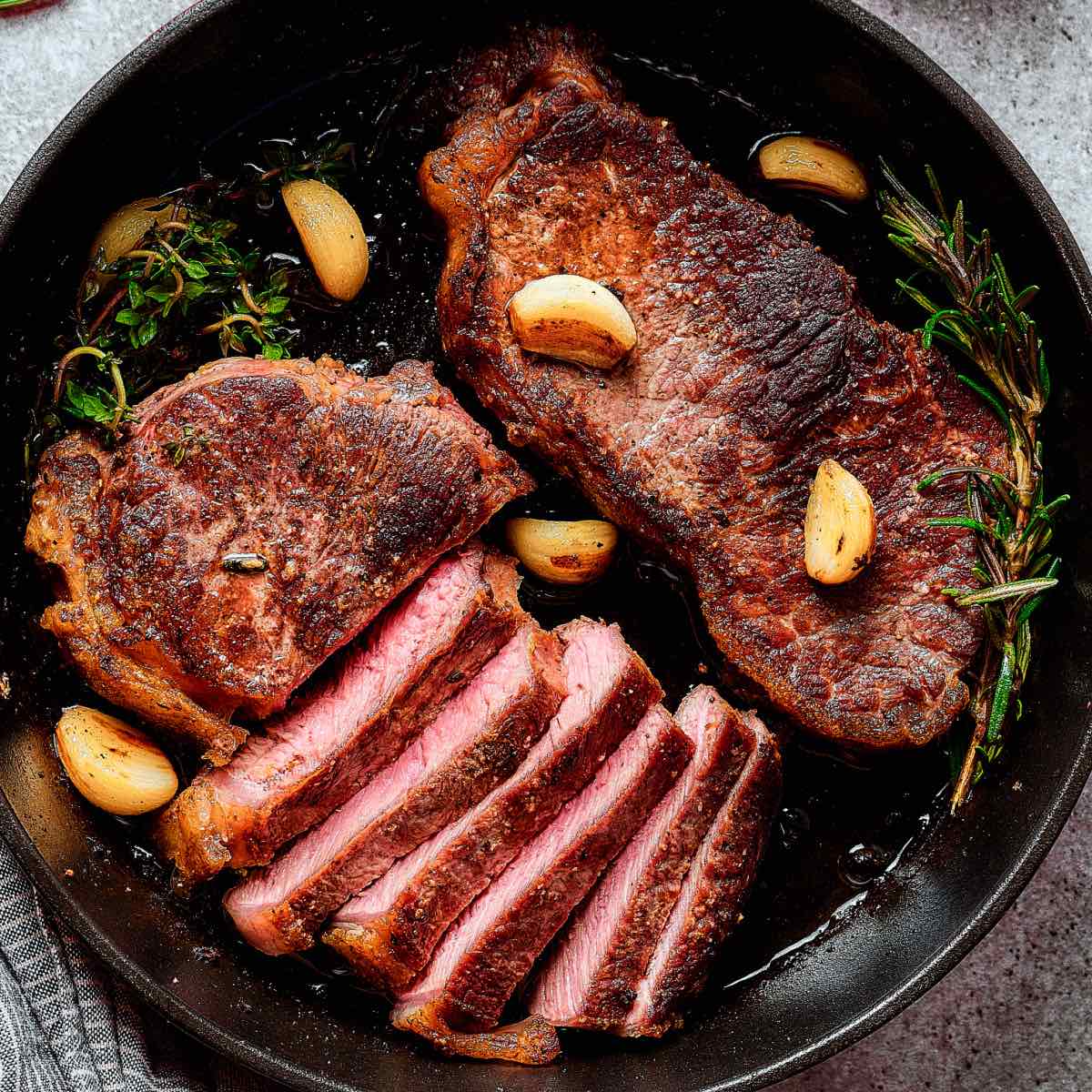
- If you’re using butter, garlic, and herbs, add them to the pan during the last minute of searing, tilting the pan and basting the steak with the melted butter.
-
Finish in the Oven (approx. 5-10 minutes):
- Immediately transfer the skillet (with the steak) to the preheated oven.
- Cook until the steak reaches about 5-10°F below your target internal temperature (e.g., for medium-rare at 130-135°F, pull it out at 120-125°F).
- Rare: 4-6 minutes
- Medium-Rare: 5-7 minutes
- Medium: 7-9 minutes
- Medium-Well: 9-11 minutes
- Use your meat thermometer inserted into the thickest part of the steak (avoiding bone or fat) to monitor progress.
-
Rest (5-10 minutes):
- Once the steak reaches the desired temperature, remove it from the pan and place it on a cutting board or wire rack.
- Tent it loosely with foil. Let it rest for at least 5-10 minutes. This is a non-negotiable step for a juicy steak.
- During this time, the internal temperature will continue to rise slightly (carryover cooking) and the juices will redistribute.
-
Serve:
- Slice against the grain, serve immediately, and enjoy the fruits of your labor!
Beyond the Kitchen: New York Steak as a Travel Experience
The joy of a New York Strip extends far beyond simply cooking it at home. It’s an integral part of culinary tourism and luxury lifestyle experiences, whether you’re seeking a gourmet meal or an immersive cultural adventure.
Fine Dining and Culinary Tourism
Experiencing a New York Strip in its spiritual home or in world-renowned culinary capitals is a highlight for many travelers.
- New York City: The birthplace of the New York Strip boasts legendary steakhouses like Peter Luger Steak House (in Brooklyn) or Keens Steakhouse in Manhattan. Dining here isn’t just a meal; it’s a step back in time, an immersion into classic American culinary heritage, often accompanied by impeccable service and historic ambiance. For a luxury travel experience, booking a table at such establishments can be as memorable as visiting a landmark like the Empire State Building.
- Chicago: Known for its robust food scene, Chicago offers its own array of formidable steakhouses, often with a more contemporary flair. The city’s architectural grandeur and vibrant arts scene make it an ideal backdrop for a celebratory steak dinner.
- Las Vegas: The ultimate destination for luxury and entertainment, Las Vegas is home to numerous celebrity chef restaurants and high-end steakhouses within its opulent resorts. Here, the New York Strip is often elevated with exotic sides, unique sauces, and an atmosphere designed for indulgence. This is part of the allure of high-end travel – experiencing the best of everything.
Dining in these locations becomes an exploration of local culture through its food. You’ll observe different approaches to preparation, unique side dishes, and varying wine pairings, each contributing to a distinct culinary experience. It’s a testament to how food acts as a significant attraction in tourism.
Cooking Classes and Local Markets
For those who enjoy a more hands-on approach, culinary classes focused on steak preparation are available in many destinations, offering a unique experiential travel opportunity. Imagine taking a gourmet cooking class in Paris, learning the nuances of French culinary techniques that can then be applied to your favorite steak, or discovering local cattle breeds and butchering traditions at a market in Italy. Visiting local markets, whether in a bustling Asian metropolis or a quaint European village, provides insight into the local food chain and allows you to source premium ingredients firsthand. This kind of food tourism enriches your understanding of global food systems and empowers you to bring new skills and inspirations back to your own kitchen.
Pairing and Presentation
The lifestyle of a true food lover also extends to the art of pairing and presentation.
- Wine Pairings: A robust red wine is the classic companion for a New York Strip. Full-bodied choices like Cabernet Sauvignon, Merlot, or a Syrah (or Shiraz, depending on origin) complement the steak’s rich flavor. These wines, often originating from famous wine regions like Napa Valley or Bordeaux, are attractions in themselves for many travelers.
- Classic Sides: Elevate your steak experience with traditional accompaniments such as creamy mashed potatoes, crisp asparagus, sautéed mushrooms, or a vibrant creamed spinach. These sides, when prepared thoughtfully, transform a simple meal into a luxurious spread worthy of any fine dining establishment or a sophisticated dinner party in your own home.
- Presentation: Whether you’re serving your steak at home or enjoying it in a high-end restaurant, presentation matters. A beautifully plated steak, perhaps garnished with fresh herbs and served on warm plates, enhances the overall dining pleasure, turning a meal into an event. This attention to detail reflects a sophisticated lifestyle.
Travel Tips for the Steak Lover
Integrating your passion for perfectly cooked steak into your travel plans can lead to unforgettable experiences.
- Finding the Best Steakhouses Abroad: Before you travel, research local dining guides, check reviews on culinary platforms, and consult your hotel concierge. Many luxury hotels and resorts boast exceptional in-house steakhouses that rival standalone establishments. Don’t hesitate to ask locals for their favorite hidden gems; their recommendations often lead to the most authentic and memorable meals.
- Dietary Considerations While Traveling: When ordering your steak in a foreign country, a little preparation goes a long way. Learn key phrases for “medium-rare,” “well-done,” or “no butter.” Many modern restaurants in tourist-friendly destinations will have English menus or staff who can assist, but knowing a few terms can ensure your steak is cooked exactly to your liking. This is part of being an informed and respectful tourist.
- Bringing the Experience Home: One of the greatest joys of travel is bringing inspiration back with you. After experiencing an exquisite steak dinner abroad, consider recreating it at home. Seek out local butchers, experiment with new seasonings inspired by your trip, or try a new cooking technique you observed. This allows the travel experience to extend beyond the vacation itself, becoming a part of your daily lifestyle.
- Budget vs. Luxury: Enjoying great steak doesn’t always have to break the bank. While luxury travel might lead you to Michelin-starred establishments, budget travel can still involve fantastic steak experiences. Look for local grills, butchers who offer prepared meals, or even self-catering accommodations where you can cook your own steak from local markets. High-quality steak can be enjoyed across all budgets, reflecting that good taste is not solely dependent on price.
In conclusion, mastering “How Long To Cook New York Steak?” is more than just learning a recipe; it’s an entry point into a world of culinary discovery, travel experiences, and an enriched lifestyle. Whether you’re meticulously searing a cut in your home kitchen, savoring a perfectly prepared steak in a bustling metropolis, or exploring the cultural nuances of beef preparation across the globe, the New York Strip offers a universally appreciated journey for the palate and the soul. Embrace the adventure, hone your skills, and let every perfectly cooked steak be a testament to your passion for good food and extraordinary experiences.
LifeOutOfTheBox is a participant in the Amazon Services LLC Associates Program, an affiliate advertising program designed to provide a means for sites to earn advertising fees by advertising and linking to Amazon.com. Amazon, the Amazon logo, AmazonSupply, and the AmazonSupply logo are trademarks of Amazon.com, Inc. or its affiliates. As an Amazon Associate we earn affiliate commissions from qualifying purchases.