
The allure of a perfectly cooked steak is undeniable, a culinary masterpiece that often sits at the heart of many memorable dining experiences, particularly for travelers exploring diverse gastronomical landscapes. Among the pantheon of popular cuts, the New York strip steak stands out—celebrated for its robust flavor, tender texture, and satisfying marbling. Whether savored in a high-end steakhouse in Manhattan, a cozy bistro in Paris, or enjoyed as part of a lavish meal at a luxury resort in Bali, this iconic cut promises an indulgence. But for the discerning traveler and health-conscious individual alike, a pertinent question often arises: How many calories are truly in a New York steak?
Understanding the nutritional implications of our food choices, especially when traveling, is key to maintaining a balanced lifestyle without sacrificing the joy of culinary exploration. This article delves into the calorie content of a New York strip steak, exploring the factors that influence its nutritional profile and offering insights for those who wish to enjoy this classic dish mindfully, whether on a business trip, a family vacation, or a solo adventure. From the bustling streets of Tokyo to the serene landscapes of the Swiss Alps, the New York strip remains a global favorite, making its calorie count a universal concern for gourmands and globe-trotters alike.
The New York Strip Steak: A Culinary Icon and Its Foundations
Before we dissect the calorie count, it’s essential to appreciate what makes the New York strip steak such a beloved cut. Known by various names—such as ambassador steak, club steak, or Kansas City strip—its identity is inextricably linked to its origin and characteristics.
What Makes a New York Strip Special?
The New York strip is cut from the short loin of the beef, specifically from the longissimus dorsi muscle, which does relatively little work. This results in a steak that is remarkably tender but still boasts a firm texture. It typically features a good amount of marbling—intramuscular fat that melts during cooking, infusing the meat with juiciness and flavor. A characteristic fat cap often runs along one side, further contributing to its rich taste. This balance of tenderness, flavor, and texture has cemented its status as a staple in steakhouses and fine dining establishments across the globe, from bustling New York City eateries to elegant restaurants within renowned hotel chains like the Four Seasons or Ritz-Carlton.
For travelers engaged in food tourism, sampling a locally sourced New York strip can be a highlight, offering a taste of regional cattle breeds and culinary traditions. For instance, enjoying an Angus Beef New York strip in the American Midwest or a specially aged version in London offers distinct experiences that contribute to the tapestry of local culture and cuisine.
Nutritional Profile at a Glance
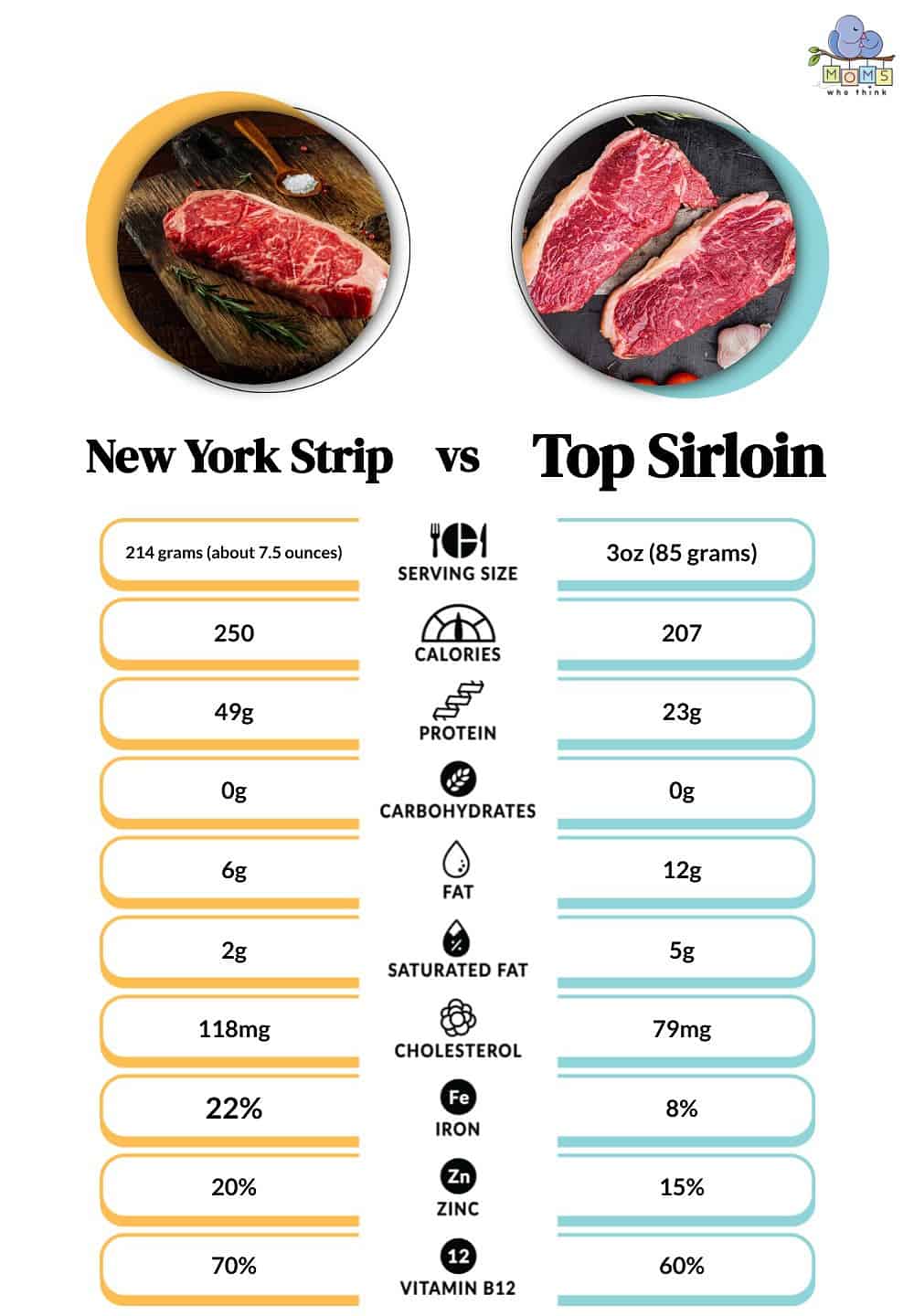
At its core, beef is a powerhouse of protein, essential vitamins, and minerals. A New York strip steak, being lean yet marbled, is no exception. It provides significant amounts of protein, iron, zinc, selenium, and B vitamins. However, its calorie content primarily stems from its fat composition, which varies based on the level of marbling and whether the exterior fat cap is trimmed.
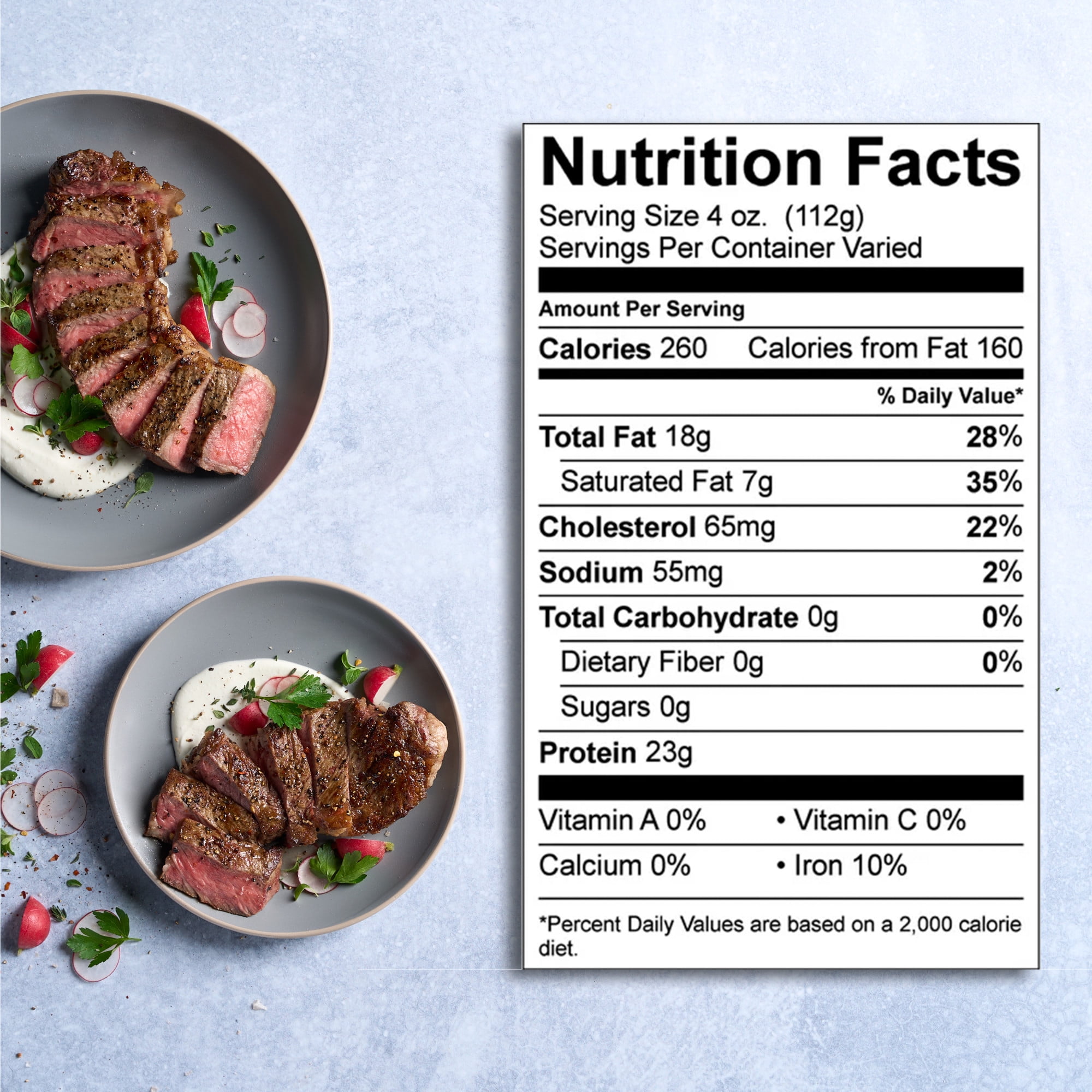
On average, a 4-ounce (113-gram) portion of a raw, untrimmed New York strip steak might contain approximately 270-300 calories. This is a starting point, as cooking methods and additional ingredients can significantly alter this number. For a cooked steak, the calorie count will be slightly higher due to moisture loss, concentrating the nutrients and fats. When considering a typical serving size in many restaurants, which can range from 8 to 16 ounces or even more, the calorie count can quickly escalate. This is a crucial factor for travelers who often encounter generous portions in new destinations.
Decoding the Calorie Count: Factors at Play
Pinpointing an exact calorie count for “a New York steak” is challenging because several variables come into play. Understanding these factors allows for more informed dining choices, particularly when navigating diverse culinary offerings during your travels.
Size and Weight Matter
The most straightforward determinant of calorie content is the steak’s size. A standard serving of steak is often considered 3-4 ounces, but restaurant portions, especially in places renowned for their steakhouses like Chicago or Las Vegas, can easily be 10-16 ounces (280-450 grams) or even larger.
- Small (6-8 ounces/170-227g): Approximately 400-600 calories (raw, untrimmed, before cooking additions)
- Medium (10-12 ounces/283-340g): Approximately 650-900 calories
- Large (14-16 ounces/397-454g): Approximately 900-1200+ calories
These figures are estimates for the steak itself, without accounting for cooking oils, butter, or sauces. When you factor in the size of a steak served at a popular eatery, such as a Ruth’s Chris Steak House or a local specialty restaurant in Rome, it’s clear how a single meal can contribute substantially to your daily caloric intake. Travelers should be mindful of portion sizes, especially when dining at new attractions or within hotels that cater to indulgent experiences.
Cooking Methods and Ingredients
How a New York strip is prepared significantly impacts its final calorie count.
- Grilling/Broiling: These methods typically add fewer calories if minimal oil is used. The fat often renders off, reducing the overall fat content in the consumed portion.
- Pan-searing: While it creates a fantastic crust, pan-searing usually involves butter or oil, which can add substantial calories. A tablespoon of butter adds around 100 calories, and many chefs use more to achieve the desired sear.
- Basting: Often, steaks are basted with butter, herbs, and garlic during cooking, particularly in high-end establishments. This process enhances flavor but also elevates the calorie count.
- Marinades and Rubs: While many marinades are low in calories, some can contain sugars or oils. Dry rubs are generally low in calories.
- Sauces: This is a major hidden calorie culprit. Cream-based sauces (like béarnaise or peppercorn sauce), gravies, or rich reductions can easily add an extra 100-300 calories per serving. When traveling and exploring local cuisine, be aware of the sauces traditionally served with steak, as they can vary greatly from country to country. A classic American steak might come with a rich demi-glace, while a steak in Argentina might be served with lighter chimichurri.
For instance, a 12-ounce New York strip, pan-seared in 2 tablespoons of butter and served with a rich béarnaise sauce, could easily approach 1200-1500 calories or more. This is a considerable meal, especially if enjoyed at a five-star hotel or a Michelin Guide restaurant.
Accompaniments and Side Dishes
A steak rarely comes alone. The accompanying side dishes can dramatically increase the overall caloric intake of a meal. Popular sides include:
- Potatoes: Creamed potatoes, scalloped potatoes, cheese fries, or large baked potatoes loaded with butter, sour cream, and bacon can add 300-600+ calories. Even plain mashed potatoes or French fries are calorically dense.
- Vegetables: While healthier options like steamed asparagus or broccoli are available, vegetables prepared with butter, cheese, or rich sauces (e.g., creamed spinach) will add calories.
- Bread and Appetizers: The bread basket served before the meal, often with butter, and appetizers like fried calamari or rich soups, contribute significantly before the main course even arrives.
- Drinks: Alcoholic beverages, especially cocktails, wine, and sugary sodas, add “empty” calories that quickly accumulate.
When dining in a new city or at a bustling hotel restaurant, it’s easy to get carried away with the full dining experience. Being mindful of these additions is crucial for managing your calorie intake while still enjoying the full scope of tourism and culinary offerings.
Navigating Steak Choices While Traveling
For the avid traveler, dining out is an integral part of the experience, allowing for immersion in local culture and cuisine. However, balancing indulgence with wellness requires strategic planning, especially when confronted with the tempting aroma of a sizzling New York strip.
Dining Out: Restaurant Portions and Hidden Calories
Restaurants, particularly those catering to tourists or specializing in steak, are known for generous portions and rich preparations. The New York strip, being a premium cut, often comes in substantial sizes.
- Ask Questions: Don’t hesitate to inquire about portion sizes, cooking methods (e.g., “Is the steak pan-seared with butter, or can it be grilled with minimal oil?”), and sauce ingredients. This is especially true when dining in foreign countries where culinary terms might differ.
- Share a Steak: If you’re dining with a companion, consider sharing a larger steak and ordering extra sides of steamed vegetables. This allows you to enjoy the flavor without overeating.
- Opt for Simpler Preparations: Choose steaks grilled or broiled with salt and pepper rather than heavily sauced or butter-laden options. Ask for sauces on the side to control the amount you consume.
- Be Wary of “Bottomless” Sides: Some establishments offer unlimited sides. While tempting, this can quickly lead to calorie overload. Stick to a single serving of a healthier side.
- Consider Hotel Dining: Many hotels, especially those focused on wellness or business stays, often provide healthier options or allow for customized meal requests. For instance, a Marriott International property or a Hilton Hotels & Resorts might offer detailed nutritional information or lighter preparation methods upon request.
Making Informed Choices on the Go
Whether you’re exploring landmarks in Rome or enjoying the vibrant nightlife in Miami, staying mindful of your diet is crucial.
- Plan Ahead: Research restaurant menus online before you go. Many restaurants, particularly in major tourist destinations, now publish nutritional information.
- Balance Your Day: If you know you’ll be indulging in a rich steak dinner, plan lighter meals for breakfast and lunch.
- Stay Hydrated: Drinking water before and during meals can help you feel fuller and prevent overeating.
- Utilize Accommodation Amenities: If your accommodation includes a kitchenette, consider preparing some of your meals or snacks to balance out restaurant dining. This can be a great budget travel tip as well.
- Walk More: Embrace the opportunity to explore on foot. A brisk walk through Central Park or along the Sydney Harbour can help burn off some of those extra calories and enhance your travel experience.
Beyond the New York Strip: Other Steak Cuts and Their Calories
While the New York strip is a fantastic choice, other cuts offer different flavors and, importantly, different calorie profiles. Travelers with specific dietary goals might explore these alternatives:
- Filet Mignon (Tenderloin): Often the leanest and most tender cut, it has less marbling and a lower fat content. A 4-ounce portion might be around 200-250 calories. It’s a popular choice for those seeking a more delicate texture.
- Ribeye: Known for its rich marbling and intense flavor, the ribeye tends to be higher in fat and calories than the New York strip. A 4-ounce portion could range from 300-350+ calories.
- Sirloin: Generally leaner than a New York strip or ribeye, sirloin offers a good balance of flavor and lower fat content. A 4-ounce portion might be around 200-250 calories.
- T-Bone/Porterhouse: These cuts include both the New York strip and the filet mignon, separated by a T-shaped bone. Calorie counts vary widely based on the size and proportion of each muscle.
Understanding these differences can help you make an informed decision based on your personal preference and dietary needs, adding another layer to your culinary experiences while traveling.
Balancing Indulgence and Wellness: A Traveler’s Perspective
Travel is about discovery, and food plays a pivotal role in that journey. Enjoying a New York steak, whether at a landmark steakhouse or a charming eatery, is a perfectly valid part of the experience. The key lies in balance and awareness.
Experiencing Local Cuisine Mindfully
Embrace the joy of trying new dishes and experiencing the food culture of your chosen destinations. Whether it’s a traditional Argentine bife de chorizo (which is essentially a New York strip) in Buenos Aires or a perfectly grilled cut in a modern hotel suite in Dubai, savor the moment.
- Savor Each Bite: Eat slowly, appreciating the flavors, textures, and aromas. This can enhance satisfaction and reduce the likelihood of overeating.
- Listen to Your Body: Pay attention to hunger and fullness cues. Don’t feel obligated to finish a large portion if you’re already satisfied.
- Prioritize Quality Over Quantity: Seek out restaurants known for high-quality ingredients and preparations, even if it means smaller portions or a slightly higher price point. This aligns with the principles of luxury travel and meaningful experiences.

Incorporating Activity into Your Travels
One of the best ways to counterbalance a rich meal is to stay active. Travel inherently offers many opportunities for physical activity.
- Walking Tours: Explore famous places and architecture on foot. Many cities offer free walking tours, providing both exercise and cultural immersion.
- Hiking/Biking: If your itinerary includes nature or outdoor activities, take advantage of trails and parks.
- Hotel Gyms: Many hotels and resorts offer fitness centers, pools, or other recreational amenities. Incorporating a workout into your routine can help manage caloric intake.
- Active Excursions: From kayaking in a coastal town to climbing stairs at an ancient landmark, integrate movement into your sightseeing.
In conclusion, a New York steak offers a truly delightful dining experience, a highlight for many travelers exploring the world’s diverse culinary scenes. While its calorie content can be substantial, largely influenced by portion size, cooking methods, and accompaniments, a little awareness goes a long way. By making informed choices, asking questions, and balancing indulgence with mindful activity, you can savor every succulent bite without derailing your wellness goals. Whether you’re on a grand adventure or enjoying a quiet meal at home, understanding the nutritional aspects of your food empowers you to lead a fulfilling and balanced lifestyle. Enjoy your next New York steak, wherever your travels may take you!
LifeOutOfTheBox is a participant in the Amazon Services LLC Associates Program, an affiliate advertising program designed to provide a means for sites to earn advertising fees by advertising and linking to Amazon.com. Amazon, the Amazon logo, AmazonSupply, and the AmazonSupply logo are trademarks of Amazon.com, Inc. or its affiliates. As an Amazon Associate we earn affiliate commissions from qualifying purchases.