
New York City is a vibrant tapestry woven from countless cultures, ethnicities, and faiths, each contributing to its unique global identity. Among the most prominent and deeply rooted communities is its Jewish population, which stands as one of the largest and most diverse outside of Israel. The story of Jewish life in the Big Apple is a compelling narrative of resilience, growth, and profound cultural impact, shaping not just specific neighborhoods but the very essence of the city itself. For travelers interested in cultural immersion, historical exploration, or simply understanding the rich demographic landscape of a global metropolis, delving into the Jewish presence in New York City offers an unparalleled experience.
A Vibrant Mosaic: The Jewish Population of New York City
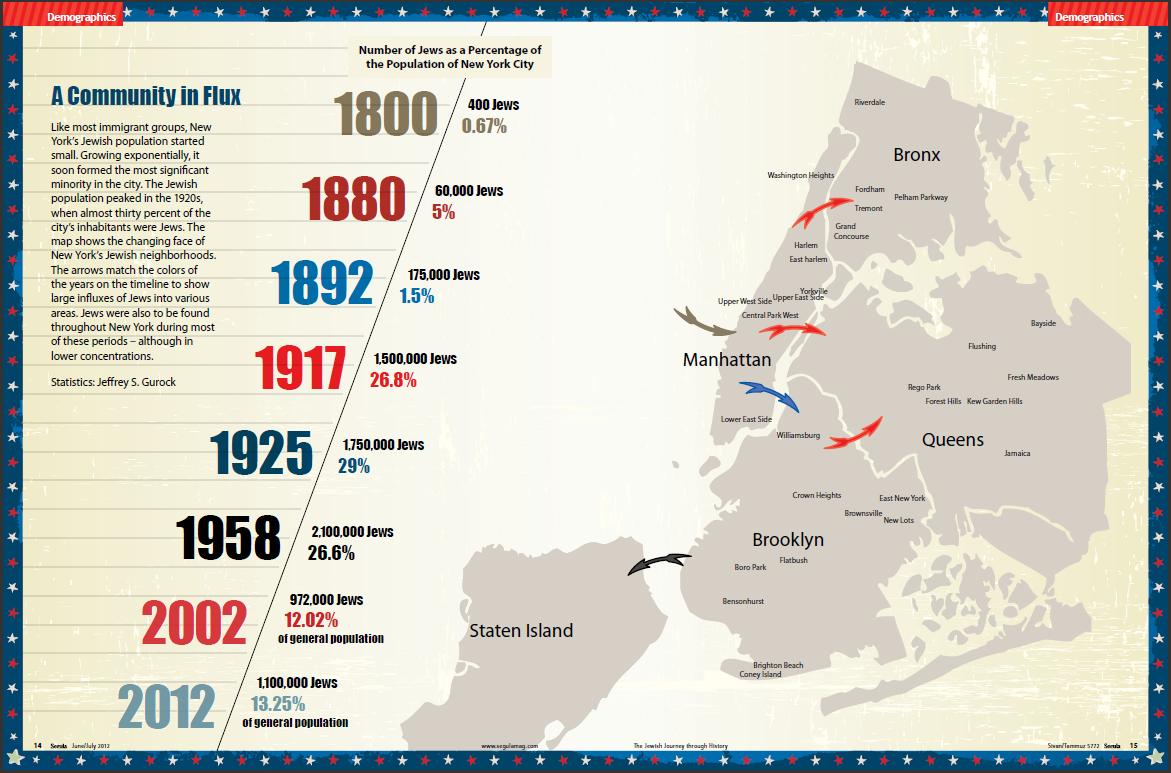
The sheer scale of the Jewish population in New York City is truly remarkable. While precise numbers can fluctuate and are subject to varying methodologies of demographic studies, recent estimates consistently place the Jewish population of the metropolitan area — encompassing the five boroughs and surrounding counties — at well over 1.6 million individuals. Focusing specifically on the five boroughs, the number hovers around 1.1 million, making it an undeniable force in the city’s social, economic, and political fabric.
Demographic Snapshot
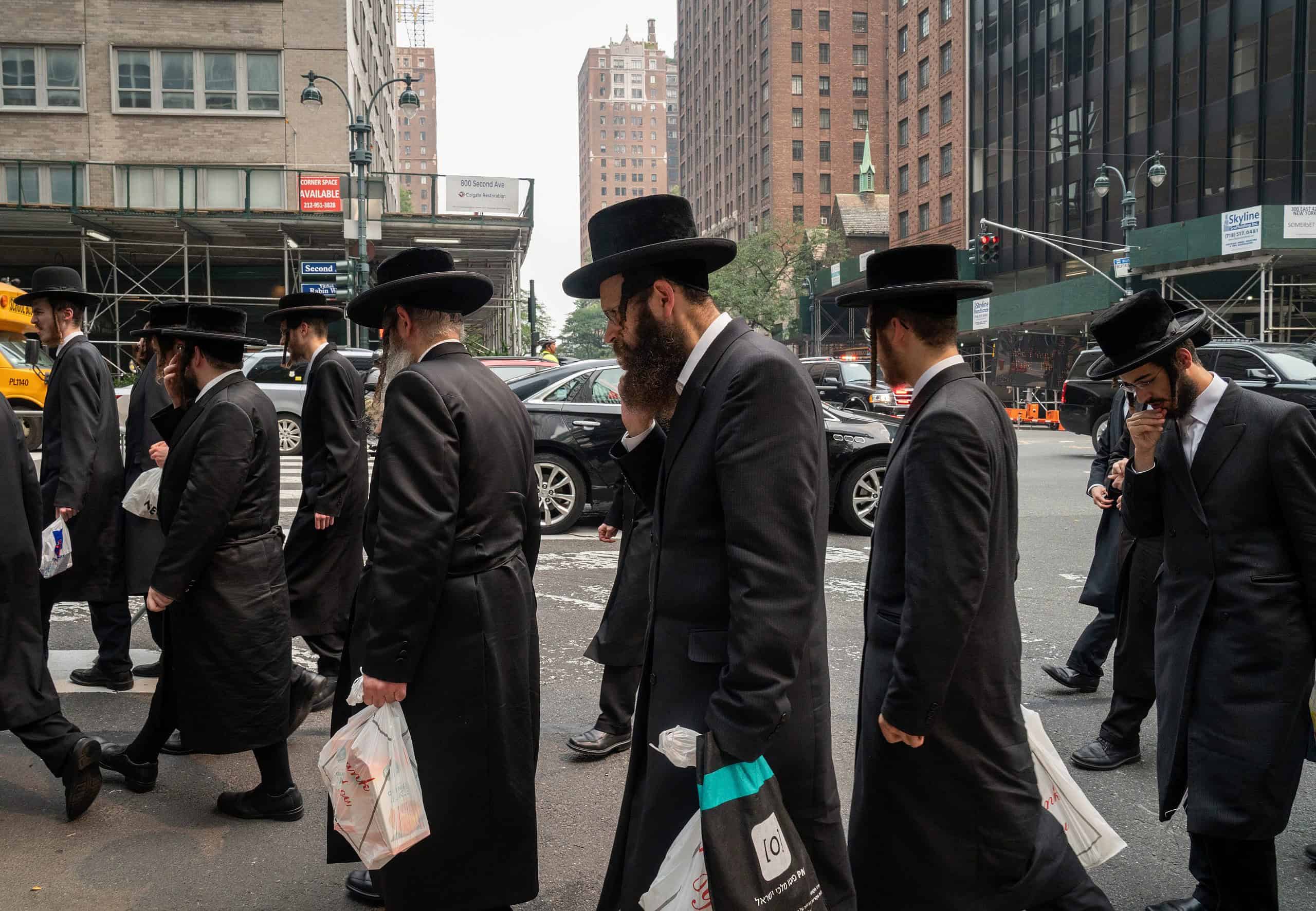
This isn’t a monolithic community; rather, it’s an incredibly diverse group encompassing a wide spectrum of denominations, traditions, and backgrounds. From the deeply observant Hasidic and Orthodox communities, known for their distinctive attire and tight-knit social structures, to Conservative, Reform, and secular Jews who identify culturally, ethnically, or religiously, the breadth of Jewish life is on full display. This diversity is a hallmark of New York City itself, where different ways of life not only coexist but thrive, often in close proximity.
The Jewish population also reflects various waves of immigration. While many families have been in the city for generations, tracing their ancestry back to Eastern Europe or other parts of the world, there’s also a constant influx of new arrivals. This includes individuals from Israel, Russia, France, and other nations, each adding new layers to the community’s cultural tapestry. This continuous revitalization ensures that Jewish life in New York City remains dynamic, adapting to contemporary influences while preserving ancient traditions.
Growth and Diversity
Historically, the Jewish population peaked in the mid-20th century before experiencing a decline due to suburbanization and other societal shifts. However, recent decades have seen a significant resurgence, particularly within the Orthodox and Hasidic communities, which tend to have higher birth rates. This growth has reshaped many neighborhoods, leading to the expansion of existing Jewish enclaves and the establishment of new ones. This demographic shift is not merely a matter of numbers; it influences local businesses, educational institutions, and political representation, making it a critical aspect of understanding the city’s evolving landscape.
For travelers, this diversity translates into a myriad of experiences. One could spend a day exploring the historic synagogues and delis of the Lower East Side, a testament to past immigrant waves, and then, on another day, immerse themselves in the vibrant, bustling streets of a Hasidic neighborhood in Brooklyn, where Yiddish is often heard as much as English. This offers a profound opportunity for cultural tourism, allowing visitors to glimpse different facets of Jewish life within a single metropolitan area.
Historical Roots and Waves of Immigration
The story of Jews in New York City is as old as the city itself, tracing its origins back to the mid-17th century. From a small band of refugees to a powerful and influential community, their journey mirrors the broader narrative of immigration and settlement in the United States.
From New Amsterdam to the Five Boroughs
The first Jewish settlers arrived in 1654, a group of 23 Sephardic Jews fleeing the Portuguese Inquisition in Brazil. They landed in what was then New Amsterdam, a Dutch colony. Despite initial resistance from the colonial governor, Peter Stuyvesant, the community persevered, establishing Congregation Shearith Israel, the oldest Jewish congregation in North America, which still thrives today. This early settlement laid the groundwork for future generations, illustrating the enduring spirit of the Jewish people in carving out a home in a new world.
Throughout the 18th and early 19th centuries, the Jewish population remained relatively small, though steadily growing, contributing to the city’s nascent commercial life. These early Jewish residents played a role in the city’s development as a trade hub, setting a precedent for entrepreneurial spirit that would characterize later immigrant waves.
Immigration Waves and Community Building
The late 19th and early 20th centuries witnessed the most significant influx of Jewish immigrants, primarily Ashkenazi Jews fleeing pogroms and poverty in Eastern Europe and the Russian Empire. Millions passed through Ellis Island, with many settling in the crowded tenements of the Lower East Side of Manhattan. This period was a crucible for Jewish American identity, marked by intense struggle, cultural adaptation, and fervent community building. Organizations, synagogues, Yiddish theaters, and social welfare societies flourished, transforming the neighborhood into a bustling center of Jewish life. Visitors to the Tenement Museum can gain a poignant insight into the living conditions and aspirations of these early immigrants.
Following World War II and the Holocaust, another wave of Jewish immigrants arrived, including many Holocaust survivors, further enriching the community. The latter half of the 20th century and the early 21st century have seen additional immigration from the former Soviet Union, Israel, and other parts of the world, each group bringing its unique traditions, languages, and perspectives. This continuous flow of newcomers reinforces New York City’s status as a primary destination for those seeking new beginnings and a vibrant Jewish life, making it a truly global center for Jewish culture and heritage.
Neighborhoods of Jewish Life: Where Communities Thrive
The Jewish presence is felt across all five boroughs of New York City, but certain neighborhoods have become particularly renowned as centers of Jewish life, each with its own distinct character and demographic makeup. Exploring these areas offers a unique insight into the diverse lifestyles and traditions of New York’s Jewish communities.
Brooklyn’s Hasidic Heartlands
Brooklyn is home to the largest and fastest-growing Jewish population in New York City, with a significant concentration of Hasidic and Orthodox Jews. Neighborhoods like Borough Park, Williamsburg, and Crown Heights are vibrant hubs where Jewish culture is deeply ingrained in the daily rhythm. In Borough Park, one can find block after block of yeshivas, kosher markets, and bustling synagogues. Williamsburg, particularly its South side, is known for its large Satmar Hasidic community, characterized by traditional attire and a strong sense of communal identity. Crown Heights serves as the world headquarters for the Chabad-Lubavitch movement, a global Hasidic outreach organization, attracting visitors and adherents from around the globe.
These neighborhoods offer a truly immersive cultural experience for visitors. Strolling through the streets, particularly on a Friday before Shabbat or during a Jewish holiday, provides a profound sense of community and tradition. For those interested in local culture and authentic experiences, staying in or near these areas can offer a unique perspective on a specific lifestyle, though visitors should always be respectful of local customs and traditions, particularly regarding modesty and photography.
Manhattan’s Diverse Jewish Fabric
While Brooklyn boasts the largest numbers, Manhattan remains a vital center for diverse Jewish expressions. The Lower East Side, once the teeming entry point for Eastern European immigrants, still retains its historical Jewish flavor. Here, you can find iconic delis, a few remaining historic synagogues like the Eldridge Street Synagogue (a magnificent architectural landmark), and cultural institutions that preserve the memory of its immigrant past.
The Upper West Side is known for its vibrant, intellectual Jewish community, with numerous synagogues, Jewish community centers, and kosher restaurants catering to a more modern Orthodox, Conservative, and Reform population. Washington Heights, in northern Manhattan, historically became a haven for German Jewish refugees in the mid-20th century, developing a distinct character often referred to as “Frankfurt-on-the-Hudson.” These areas provide a different lens through which to view Jewish life, focusing more on academic, professional, and culturally integrated communities.
The Bronx, Queens, and Staten Island
Jewish communities are also significant in the other boroughs. In The Bronx, particularly along the Grand Concourse, there were once thriving Jewish neighborhoods, though much of that population has since moved. However, smaller, active communities and synagogues still exist. Queens hosts a substantial and diverse Jewish population, with concentrations in areas like Forest Hills, Kew Gardens, and the Rockaways. These areas often feature a mix of Sephardic, Bukharian, and Ashkenazi communities, reflecting the borough’s incredible ethnic diversity. Staten Island also has a growing Jewish population, particularly in its central and southern parts, contributing to the borough’s evolving demographic profile. These outer-borough communities often offer a more suburban feel while still maintaining strong communal ties and institutions.
Cultural Impact and Community Life
The Jewish community’s impact on New York City extends far beyond mere numbers or geographic distribution. It permeates the city’s cultural, culinary, educational, and philanthropic landscape, contributing to the city’s dynamic and unique character.
Culinary Delights and Cultural Institutions
No discussion of New York’s Jewish influence is complete without mentioning its culinary contributions. From the iconic New York bagel and appetizing stores to pastrami-laden sandwiches from legendary delis, Jewish cuisine has become an indispensable part of the city’s gastronomic identity. These culinary traditions reflect the immigrant experience, adapting old-world flavors to a new urban environment and making them beloved by all New Yorkers. For food tourists, exploring these establishments is a must-do, offering a delicious journey through history.
Beyond food, Jewish culture thrives in numerous institutions. The Jewish Museum on Fifth Avenue showcases art and Jewish culture from ancient to contemporary times. The Museum of Jewish Heritage in Battery Park City is a living memorial to the Holocaust, dedicated to educating diverse visitors about Jewish life before, during, and after. Throughout the city, community centers, Yiddish cultural organizations, and Jewish film festivals offer a rich calendar of events, reflecting the vibrant intellectual and artistic life of the community. These institutions are not just for Jewish visitors; they are integral parts of the broader cultural tourism scene, offering educational and enriching experiences for everyone.
Education and Philanthropy
Education is a cornerstone of Jewish life, and New York City boasts an extensive network of Jewish day schools, yeshivas, and advanced learning institutions, from kindergarten to university level. These schools educate tens of thousands of students annually, instilling religious values, Hebrew language, and Jewish history alongside secular studies. This commitment to education is a testament to the community’s dedication to preserving its heritage and ensuring the continuity of Jewish traditions.
Furthermore, Jewish philanthropic efforts have profoundly impacted New York City as a whole. Numerous Jewish-sponsored hospitals, social service agencies, and charitable organizations serve people of all backgrounds, demonstrating a commitment to tikkun olam (repairing the world) that extends beyond the Jewish community itself. These organizations play a crucial role in the city’s welfare infrastructure, providing essential services and support to countless residents, underscoring the deep integration and positive influence of the Jewish population on wider societal well-being.
Experiencing Jewish New York: A Visitor’s Guide
For travelers planning a trip to New York City, exploring its Jewish heritage offers a unique and enriching dimension to their visit. Whether you’re interested in history, culture, cuisine, or simply observing diverse lifestyles, there are countless ways to engage with this vibrant community.
Iconic Landmarks and Synagogues
Begin your journey on the Lower East Side, where the Eldridge Street Synagogue, a beautifully restored 19th-century Orthodox synagogue, stands as a testament to the immigrant experience. A visit to the Tenement Museum nearby will transport you back in time, offering a glimpse into the lives of Jewish and other immigrant families who built this neighborhood. In Manhattan, don’t miss the Jewish Museum and the Museum of Jewish Heritage, which provide comprehensive insights into Jewish art, history, and the profound lessons of the Holocaust. For those interested in architectural and historical significance, Congregation Shearith Israel on the Upper West Side offers a look at the oldest Jewish congregation in the United States.
Beyond these specific landmarks, simply walking through the streets of areas like Borough Park or Williamsburg in Brooklyn offers a living landmark experience. Observe the unique fashion, listen to the languages, and soak in the atmosphere of these distinct communities. Remember to do so respectfully, understanding that these are active residential and religious areas.

Festivals and Local Experiences
Timing your visit to coincide with a Jewish holiday can offer an unparalleled cultural immersion. During Passover, many kosher restaurants offer special menus, and the atmosphere in Jewish neighborhoods becomes especially festive. Hanukkah brings menorah lightings across the city, including grand public displays. While these are primarily family and community-oriented holidays, the energy and traditions are palpable throughout the city, providing unique experiences for travelers interested in local culture.
Beyond holidays, consider exploring kosher restaurants and bakeries, particularly those specializing in Eastern European Jewish comfort food. A visit to a bustling market like those found in Borough Park will reveal an array of specialized products and a vibrant community atmosphere. Engage with local shopkeepers, attend a public lecture or cultural event advertised at a Jewish community center, or simply enjoy people-watching from a café in a historically Jewish neighborhood. These informal interactions can often be the most rewarding aspects of cultural tourism, offering genuine connections to the city’s diverse population.
For those considering extended stays or deeper exploration, selecting accommodation in or near these culturally rich areas can enhance the travel experience. While traditional hotels might be available, apartments or boutique guesthouses often provide a more authentic local lifestyle. Always check local reviews and guides to ensure the best fit for your travel style and interests.
In conclusion, the Jewish population of New York City is not just a statistic; it’s a dynamic, multifaceted community that has profoundly shaped one of the world’s greatest cities. Its history is a testament to perseverance, its present a vibrant tapestry of diverse traditions, and its future an ongoing chapter in the story of New York’s enduring global appeal. For any traveler seeking to truly understand the heart and soul of the Big Apple, exploring its rich Jewish heritage is an essential journey.
LifeOutOfTheBox is a participant in the Amazon Services LLC Associates Program, an affiliate advertising program designed to provide a means for sites to earn advertising fees by advertising and linking to Amazon.com. Amazon, the Amazon logo, AmazonSupply, and the AmazonSupply logo are trademarks of Amazon.com, Inc. or its affiliates. As an Amazon Associate we earn affiliate commissions from qualifying purchases.