
New York State, often known as the Empire State, is a land of unparalleled contrasts, a vibrant tapestry woven from bustling urban centers and serene natural landscapes. From the iconic skyline of New York City to the majestic peaks of the Adirondack Mountains, this state offers a kaleidoscope of experiences for residents and visitors alike. But what truly defines New York State’s character, its economic engine, and its diverse cultural fabric? The answer lies significantly in its population – the millions of individuals who call this dynamic state home. Understanding “how many people live in New York State” is not merely a statistical inquiry; it’s a gateway to comprehending the state’s immense influence on tourism, travel, accommodation, and lifestyle, making it a pivotal topic for anyone exploring its depths.

The sheer volume and diversity of people residing within its borders shape every aspect of life in New York State. It dictates the demand for world-class hotels and diverse accommodation options, fuels the thriving tourism industry with its myriad attractions, and creates the unique cultural melting pot that makes the state a global hub. This article delves into the fascinating demographics of New York State, exploring how its population size and distribution profoundly impact everything from the types of travel experiences available to the distinct lifestyles enjoyed across its regions.
The Empire State’s Vibrant Population: A Snapshot
New York State consistently ranks among the most populous states in the United States, a testament to its enduring appeal as a center for commerce, culture, and opportunity. While population figures are constantly in flux due to births, deaths, and migration, recent estimates place the state’s total population at approximately 19.5 to 20 million people. This makes it one of the largest states by population, a fact that has profound implications for its infrastructure, economy, and social dynamics.
Understanding the Latest Figures
To put this number into perspective, imagine a population nearly double that of countries like Greece or Portugal, concentrated within a single U.S. state. This massive human presence contributes to New York’s status as a global powerhouse. The slight fluctuations in these numbers over recent years often spark discussions about migration patterns, with some residents choosing to move to other states for various reasons, while new populations continue to be drawn to its unparalleled opportunities. Despite these shifts, New York State remains an undeniable magnet for millions, reflecting its deep-seated economic strength and cultural allure. The density of its population, particularly in urban areas, creates a constant hum of activity, fueling innovation and maintaining its reputation as a place where dreams are pursued and realized.
Demographic Diversity: A Tapestry of Cultures
One of the most compelling aspects of New York State’s population is its extraordinary diversity. It is a true global crossroads, a melting pot where people from every corner of the world have come to live, work, and contribute to its rich mosaic. This demographic blend is evident in the myriad languages spoken, the incredible array of culinary traditions available, and the vibrant cultural festivals celebrated throughout the year.
From the historic immigrant communities of Ellis Island to the contemporary influx of talent and ambition, New York has always embraced newcomers. This diversity enriches the local culture, making it an incredibly dynamic place to reside and an endlessly fascinating destination for travelers. Tourists can embark on a gastronomic journey through different ethnic enclaves in Queens, experience the rich heritage of communities in Brooklyn, or explore the artistic expressions borne from a multitude of cultural influences across the state. This cultural mosaic ensures that there is always something new to discover, a different perspective to embrace, and a unique story to uncover, making New York an unparalleled locale for immersive travel experiences.
A Tale of Two New Yorks: Urban Hustle vs. Rural Tranquility
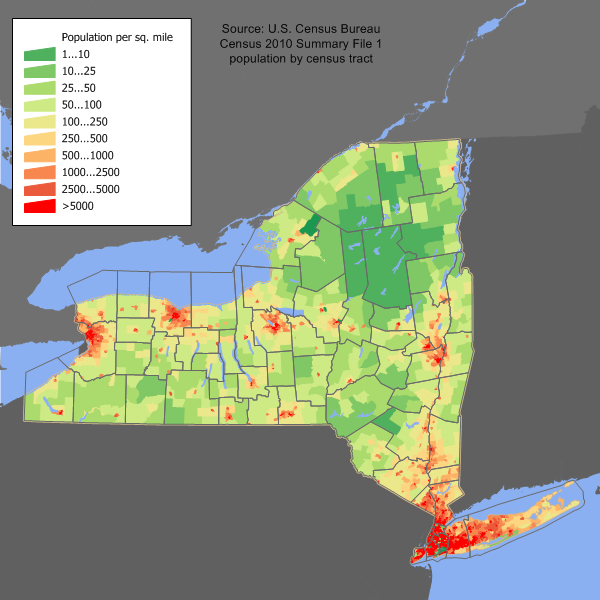
The vast population of New York State is not evenly distributed; rather, it is concentrated in distinct pockets, creating a stark and fascinating contrast between its densely populated urban centers and its expansive, serene rural areas. This geographical distribution profoundly shapes the character of different regions and, consequently, the experiences available to both residents and visitors.
The Magnetism of New York City
At the heart of New York State’s population lies New York City, a global metropolis that is home to approximately 8.5 million people – nearly half of the state’s entire population. This incredible density creates the city’s signature energy, a constant buzz of activity that defines its reputation as the city that never sleeps. People are drawn to New York City for its unparalleled economic opportunities, its world-class educational institutions, and its boundless cultural offerings.
The city’s five boroughs—Manhattan, Brooklyn, Queens, The Bronx, and Staten Island—each possess their own distinct identity and attractions. Manhattan dazzles with iconic landmarks like the Empire State Building, Times Square, and the financial prowess of Wall Street. Brooklyn offers a vibrant arts scene and charming brownstones, while Queens boasts an incredible culinary diversity. Visitors flock to witness the grandeur of the Statue of Liberty, stroll through Central Park, or catch a show on Broadway. The sheer volume of people in New York City necessitates robust public transportation systems and an endless array of dining, entertainment, and shopping options, catering to every imaginable taste and budget. This urban density is a powerful driver of tourism, creating a constant demand for accommodation, from luxury suites at The Plaza Hotel to more budget-friendly options.
Unveiling Upstate New York’s Charms
Beyond the urban sprawl of the metropolitan area lies the vast and varied expanse of Upstate New York, a region that offers a stark contrast in pace and landscape. While less densely populated than New York City, Upstate New York is home to significant cities like Buffalo, Rochester, Albany (the state capital), Syracuse, and Yonkers, each with its own history, culture, and economic drivers.
The true allure of Upstate New York, however, often lies in its breathtaking natural beauty. The majestic Adirondack Mountains and Catskill Mountains provide endless opportunities for hiking, skiing, and wilderness exploration. The picturesque Finger Lakes region is renowned for its stunning vineyards and pristine lakes, attracting wine enthusiasts and nature lovers alike. And, of course, the awe-inspiring Niagara Falls, on the border with Canada, draws millions of visitors annually to witness its spectacular power. The population in these areas tends to be more dispersed, fostering a lifestyle that prioritizes outdoor activities, community events, and a slower pace. Travel here often involves scenic road trips, stays in cozy bed and breakfasts, or family-friendly resorts like Great Wolf Lodge in Fulton, offering a serene escape from the urban hustle. This duality—the dense urban core and the sprawling natural beauty—ensures that New York State offers an incredibly diverse range of experiences, catering to every kind of traveler and resident.
Population’s Blueprint on Tourism, Travel, and Accommodation
The vast number of people living in New York State, coupled with its incredible diversity and geographical contrasts, lays the foundation for a dynamic and multifaceted tourism and travel industry. This large populace creates a constant demand for innovative attractions and services, ensuring that the state remains a premier destination for both domestic and international visitors.
Catering to a Diverse Traveler Base

The sheer volume of residents in New York State not only ensures a steady internal tourism market but also cultivates a sophisticated ecosystem ready to welcome external visitors. This population has fostered a culture of innovation in the travel sector, leading to a remarkable array of experiences designed to cater to every taste and budget. Whether one seeks opulent luxury travel, cost-conscious budget adventures, enriching family trips, romantic getaways, or efficient business stays, New York delivers.
For instance, the state’s culinary scene is a direct reflection of its diverse population. In New York City, travelers can embark on gastronomic tours through various ethnic neighborhoods, sampling authentic dishes from around the globe. Upstate, the growing farm-to-table movement, supported by local communities and farmers, offers a taste of regional specialties. Beyond food, cultural tourism thrives, with countless museums like the Metropolitan Museum of Art and the Museum of Modern Art in Manhattan, historical sites, and vibrant art galleries dotting the landscape. The state also offers myriad opportunities for outdoor enthusiasts, from skiing in the Catskills to boating on Lake George, catering to the active lifestyles of many residents and tourists. The constant influx of people demanding varied leisure activities directly contributes to the expansion and refinement of these offerings, ensuring New York remains at the forefront of global tourism.
The Spectrum of Accommodation Options
Given the constant flow of residents and tourists, New York State boasts one of the most comprehensive and diverse selections of accommodation options in the world. This extensive range is a direct response to the varying needs, preferences, and budgets of its massive population and millions of annual visitors.
In New York City, the competition for space has led to the development of incredibly sophisticated lodging. Here, you can find ultra-luxury suites at establishments like the St. Regis New York or The Carlyle, A Rosewood Hotel, offering unparalleled service and amenities. Boutique hotels, such as The Ludlow Hotel on the Lower East Side, provide unique, design-focused experiences. For budget-conscious travelers, a wide array of hostels and mid-range hotels offer comfortable stays without breaking the bank. The demand for long-term stays also means there are numerous serviced apartments and extended-stay hotels, catering to business travelers or those seeking a more residential experience.
Moving Upstate, the accommodation landscape shifts to embrace the natural beauty and quieter pace. Charming bed and breakfasts are prevalent in regions like the Finger Lakes and the Hudson Valley, offering personalized hospitality. Lakeside cabins and rustic lodges provide ideal retreats for nature lovers, while family-friendly resorts, like the previously mentioned Great Wolf Lodge in Fulton, cater to those seeking activities and amenities for all ages. Vacation rentals, from cozy cottages to sprawling estates in areas like the Hamptons or near Saratoga Springs, provide flexibility and space for groups. For the adventurous, numerous campsites are available in state parks and wilderness areas like the Adirondacks. The competitive nature of this market places a high value on booking convenience and transparent reviews, with travelers often relying on comparison platforms to secure the best fit for their needs. This extensive range underscores how the state’s population drives a robust and adaptive accommodation sector, ensuring that every visitor, regardless of their travel style or budget, can find their ideal home away from home.
Lifestyle and Economic Vibrancy Shaped by Population
The sheer density and diversity of New York State’s population are not just statistical facts; they are the very engine that drives its economic prosperity and creates its unique, vibrant lifestyle. The millions of people residing within its borders contribute to a dynamic ecosystem that impacts everything from global finance to local community dynamics.
Cultural Hubs and Economic Drivers
New York State’s massive population is its greatest economic asset. New York City stands as a global financial capital, with the Financial District and Wall Street serving as nerve centers for international commerce. Beyond finance, the state is a powerhouse in fashion, media, technology, healthcare, and education. The concentration of talent, ideas, and capital fuels relentless innovation and creates unparalleled career opportunities, drawing people from across the globe.
This economic vibrancy directly translates into a rich cultural landscape. The population supports world-renowned institutions like Lincoln Center, the Metropolitan Opera, and the aforementioned Broadway theater district. Countless smaller venues, art galleries in SoHo or Greenwich Village, and community theaters across the state thrive on the patronage of a culturally engaged populace. The diverse backgrounds of residents also contribute to a dynamic arts scene, where different traditions merge and evolve, creating unique cultural expressions that captivate both locals and tourists. From world-class concerts at Radio City Music Hall to local craft fairs in Corning, the options are limitless.
Navigating Life and Leisure in New York
The presence of millions necessitates highly efficient infrastructure. New York City’s extensive subway system, commuter rail lines connecting to areas like Long Island and the Hudson Valley, and major international airports like JFK and LaGuardia are testament to the logistical challenges and successes of managing such a large population. This infrastructure is crucial for both daily commuting and for welcoming the millions of tourists who visit annually.
The pace of life in New York varies dramatically depending on where one resides. In urban centers, life is often fast-paced and exhilarating, characterized by constant activity and endless opportunities for entertainment, dining, and social engagement. The famous Woodbury Common Premium Outlets provide a shopping destination that caters to a large population base, attracting both locals and tourists. Upstate, the lifestyle generally shifts to a more relaxed rhythm, with a greater emphasis on community, outdoor recreation, and accessing nature. However, even in smaller cities like Schenectady or Troy, the population supports local businesses, arts venues, and distinct community events. From vibrant nightlife to serene weekend getaways in places like Bear Mountain State Park, the state offers a spectrum of leisure options that reflect the diverse preferences of its populace. The accessibility of amenities and services, from specialized healthcare to gourmet grocery stores, is directly linked to the density and purchasing power of its residents, making New York a place where convenience and choice are often paramount.
The Future of New York: Population Trends and Sustainability
The story of New York State’s population is not static; it is an ongoing narrative of evolution, adaptation, and future planning. Understanding current demographic trends is essential for ensuring the state’s continued vibrancy and sustainability.
Adapting to Change
Like many populous regions, New York State experiences shifts in its population dynamics. While New York City remains a global magnet, some upstate areas have faced challenges with outward migration, particularly among younger generations. Conversely, certain regions, especially in the Hudson Valley and parts of Long Island, continue to attract new residents seeking a balance between urban amenities and a suburban or rural lifestyle. These movements present challenges, such as ensuring adequate housing, maintaining aging infrastructure, and managing the environmental impact of development.
However, these shifts also present opportunities. Efforts are underway to revitalize upstate cities like Elmira and Ithaca, leveraging their unique cultural assets and natural surroundings to attract new residents and businesses. Sustainable development initiatives are gaining traction, aiming to balance economic growth with environmental preservation, particularly in sensitive areas like the Adirondacks and the Finger Lakes region around Watkins Glen. The state’s ongoing appeal for international immigration further ensures a continuous infusion of diverse perspectives and entrepreneurial spirit. The collective efforts of its vast and varied population, coupled with proactive planning, will dictate how New York State adapts to these changes and maintains its unique position as a leading global destination for living, working, and exploring.
Conclusion
The question “How many people live in New York State?” transcends a simple numerical answer. It unlocks a deeper understanding of a state whose identity is intrinsically linked to the millions who call it home. With a population of roughly 19.5 to 20 million, New York is a mosaic of cultures, lifestyles, and landscapes, driven by the collective energy of its residents.
This immense and diverse population is the fundamental force shaping every aspect of life within the Empire State. It is the reason New York City stands as a global beacon of commerce and culture, with its iconic landmarks and endless array of experiences. It’s why Upstate New York offers such a tranquil yet vibrant counterpoint, with its natural wonders and charming communities. From the unparalleled range of accommodation options—from luxurious urban hotels to rustic lakeside cabins—to the rich tapestry of culinary adventures and cultural events, everything in New York State is a reflection of the people who live here and the millions more who visit. The interplay of dense urban living and expansive natural beauty, fueled by a dynamic populace, ensures that New York State remains an ever-evolving, endlessly fascinating destination, constantly redefined by the lives and aspirations of its incredible inhabitants.
LifeOutOfTheBox is a participant in the Amazon Services LLC Associates Program, an affiliate advertising program designed to provide a means for sites to earn advertising fees by advertising and linking to Amazon.com. Amazon, the Amazon logo, AmazonSupply, and the AmazonSupply logo are trademarks of Amazon.com, Inc. or its affiliates. As an Amazon Associate we earn affiliate commissions from qualifying purchases.