
New York City, often heralded as the “Capital of the World” and a beacon for dreamers and doers alike, holds an undeniable allure. From its iconic skyline to its vibrant cultural tapestry, the city offers an unparalleled experience, whether you’re a lifelong resident or a curious traveler exploring its endless wonders. However, beneath the dazzling lights and bustling streets lies a stark reality that impacts every aspect of life and travel in the metropolis: the cost of rent. Understanding how much rent is in New York isn’t just a practical inquiry for potential residents; it’s a fundamental piece of knowledge for anyone planning an extended stay, considering short-term accommodation, or simply budgeting for their New York City adventure.
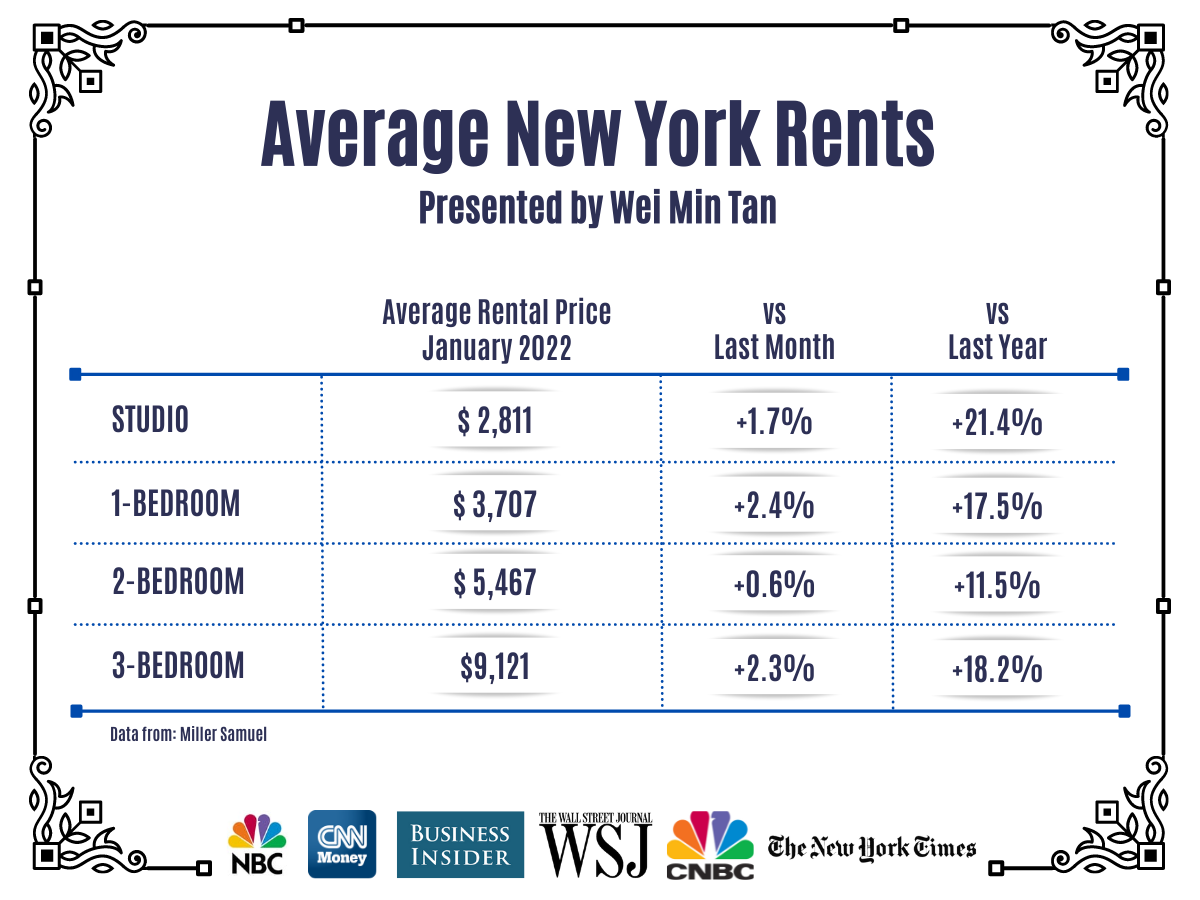
The question “How much is rent in New York?” is multifaceted, revealing a complex market influenced by myriad factors, from hyper-local neighborhood dynamics to global economic trends. For those seeking to immerse themselves in the rich local culture, from the historic brownstones of Brooklyn to the artistic enclaves of Greenwich Village, or for business travelers requiring convenient access to the Financial District or Midtown offices, the cost of accommodation significantly shapes their experience. This guide aims to demystify the New York rental market, offering insights for both prospective residents and visitors navigating the city’s diverse lodging options.
Understanding the New York Rental Landscape
The rental market in New York City is notoriously one of the most expensive globally, a reputation earned through a unique confluence of factors. Its status as a global hub for finance, art, fashion, and media continually attracts a large influx of people, creating intense demand for housing in a city constrained by geographical limits. This scarcity, combined with a high cost of living and robust economic activity, creates a competitive environment where rental prices often defy national averages.
The Core Factors Driving NYC Rents
Several primary elements converge to dictate rental prices across the five boroughs. Understanding these can help individuals make informed decisions, whether they are looking for a permanent residence or a temporary base for their travel experiences.
Firstly, location, location, location is paramount. A single block can mean a difference of hundreds, if not thousands, of dollars in rent. Proximity to public transportation, such as subway lines, significantly boosts desirability and, consequently, price. Being close to major employment centers like Wall Street or the tech companies relocating to Manhattan and Brooklyn also commands a premium. Secondly, apartment size and layout are crucial. A studio apartment will naturally be less expensive than a one-bedroom, and a two-bedroom significantly more. The efficiency of the layout, the presence of separate living and sleeping areas, and even the natural light available all play a role.
Thirdly, amenities can drastically influence cost. Buildings offering luxuries like a doorman, a fitness center, a rooftop lounge, in-unit laundry, or even simply an elevator in an older building often come with higher price tags. For travelers considering extended stays in serviced apartments or aparthotels, these amenities are often factored into the daily or weekly rate, presenting a more hotel-like experience with the independence of an apartment. Fourthly, the age and condition of the building matter. Pre-war buildings in historic districts might offer charm and architectural detail, but may lack modern conveniences unless recently renovated. Newer developments often boast state-of-the-art facilities and contemporary designs, appealing to those seeking modern living, but at a higher cost.
Finally, market dynamics — including vacancy rates, interest rates (which affect landlords’ costs), and economic stability — continually shift. A low vacancy rate indicates high demand and typically leads to higher prices, while economic downturns can sometimes soften the market, albeit temporarily.
A Borough-by-Borough Breakdown
New York City is composed of five distinct boroughs, each with its own character, charm, and, crucially, its own rental price spectrum. For visitors planning an immersive cultural experience or those considering relocation, understanding these differences is key to budgeting.
Manhattan, the most iconic and densely populated borough, consistently tops the charts for highest rents. Neighborhoods like TriBeCa, SoHo, the Upper East Side, and the Upper West Side are synonymous with luxury living, with median rents for a one-bedroom often exceeding $4,000-$5,000 per month. Even smaller studio apartments in these prime areas can easily fetch upwards of $3,000-$4,000. Areas like Harlem or parts of the Lower East Side might offer slightly more “affordable” options, but these are relative terms in Manhattan. For luxury travel or business stays, Manhattan hotels and upscale apartments cater to those willing to pay a premium for unparalleled access to landmarks like the Empire State Building, Times Square, and Broadway shows.
Brooklyn has seen a dramatic increase in its rental prices over the past two decades, now rivaling some parts of Manhattan. Trendy neighborhoods such as Williamsburg, DUMBO, Park Slope, and Bushwick are particularly sought after, often boasting a vibrant nightlife, unique local culture, and stunning views of the Manhattan skyline, including the Brooklyn Bridge. One-bedroom apartments here typically range from $3,000 to $4,500, with studios starting around $2,500-$3,500. Further out, areas like Bay Ridge or Flatbush can offer more budget-friendly options, appealing to families or those seeking a slightly slower pace of life without leaving the city.
Queens offers a diverse range of neighborhoods and price points. Long Island City (LIC), with its rapid development, riverside parks, and quick commute to Manhattan, has become a major draw, with rents often comparable to Brooklyn’s more expensive areas. One-bedroom apartments in LIC can range from $3,000 to $4,000. However, other Queens neighborhoods like Astoria, Jackson Heights, or Forest Hills offer more competitive pricing, with one-bedrooms typically ranging from $2,200 to $3,200, making them attractive for those seeking more space or a slightly lower cost of living. Queens is also a fantastic destination for exploring diverse food scenes and local culture, making it appealing for tourists interested in authentic experiences.
The Bronx, the northernmost borough, generally offers the most accessible rents in New York City. While it has historically been overlooked, areas like Riverdale and Mott Haven are seeing new developments and increasing interest. One-bedroom apartments in the Bronx can range from $1,800 to $2,800, with studios often available for less than $2,000. It’s an excellent option for budget travelers seeking an extended stay or those wanting to live in the city without the exorbitant costs of other boroughs, while still having access to cultural attractions like the Bronx Zoo and the New York Botanical Garden.
Staten Island offers a more suburban feel and significantly lower rents compared to the other boroughs. While it requires a ferry ride to Manhattan (which is free and offers stunning views of the Statue of Liberty), it provides a unique lifestyle. One-bedroom apartments typically range from $1,600 to $2,500. For those prioritizing space, quiet, and a community feel over immediate urban bustle, Staten Island can be a compelling choice, especially for families or individuals seeking a long-term stay with more bang for their buck.
Navigating Rental Costs by Apartment Type and Lifestyle
Beyond geographic location, the type of accommodation you seek and your lifestyle choices significantly impact your overall housing expenditure in New York City. The city caters to an incredibly diverse population, from young professionals sharing apartments to families seeking multi-bedroom units, and from transient visitors needing short-term stays to luxury travelers opting for high-end serviced apartments.
From Studios to Multi-Bedroom Units
The most common rental types include studios, one-bedrooms, and multi-bedroom apartments (two-bedroom and up). Each comes with its own price point and considerations.
Studio Apartments are single rooms that combine living, sleeping, and kitchen areas, with a separate bathroom. They are often the most affordable independent living option in any given neighborhood. In prime Manhattan areas, a studio might still command $3,000+, while in more affordable parts of Queens or the Bronx, you might find options for $1,800-$2,500. They are popular among single individuals or couples on a budget, and can also serve as effective short-term vacation rentals for solo travelers or couples looking for an authentic local experience over a traditional hotel room.
One-Bedroom Apartments offer a separate bedroom from the living area and kitchen, providing more privacy and space. These are ideal for couples, or individuals who desire distinct living zones. Prices for one-bedrooms vary wildly by borough and neighborhood, as detailed above, typically ranging from $2,200 in more distant areas to upwards of $5,000+ in prime Manhattan locations.

Multi-Bedroom Apartments (2-Bedroom, 3-Bedroom+) are often rented by families or groups of roommates, which is a common strategy to make living in New York City more financially feasible. While the total rent for a multi-bedroom unit is higher, the per-person cost can be significantly lower than renting a studio or one-bedroom independently. For example, a $6,000 three-bedroom apartment split among three people means each person pays $2,000, which is more “affordable” than a $3,500 one-bedroom. These units are less common in short-term vacation rentals but can be found as long-term accommodation for those planning extended stays or even for business teams needing a larger, shared space.
Short-Term Stays vs. Long-Term Living
For travelers and those on temporary assignments, the distinction between short-term accommodation (hotels, vacation rentals, extended-stay apartments) and long-term residential leases is crucial.
Short-Term Stays cater to tourists, business travelers, and individuals needing temporary housing for a few days to several months. Hotels, from budget-friendly options to luxury resorts like the Four Seasons Hotel New York Downtown or the St. Regis New York, are abundant but can be expensive, especially in peak season. A typical hotel room in Manhattan can range from $200 to $600+ per night. Vacation rentals (through platforms like Airbnb, though strictly regulated in New York City for stays under 30 days) or corporate apartments offer more space and kitchen facilities, often at a comparable or slightly lower daily rate for longer durations. These options are crucial for tourism, offering visitors a taste of local living and influencing their overall travel budget and experience.
Long-Term Living involves signing a lease, typically for 12 months, and requires a more substantial financial commitment, including security deposits (usually one month’s rent), broker fees (often 10-15% of the annual rent, though landlord-paid options exist), and the first month’s rent upfront. This commitment makes long-term renting a significant step for anyone considering moving to New York City. The process involves credit checks, income verification (landlords often require annual income to be 40-45 times the monthly rent), and sometimes guarantors. For those exploring a permanent move, navigating this system is a rite of passage, shaping their entire lifestyle and access to the city’s myriad attractions.
Strategies for Finding Affordable Accommodation in NYC
Given the daunting rental prices, finding accommodation in New York City often requires strategic planning, flexibility, and a deep understanding of the market. This applies equally to visitors seeking cost-effective temporary housing and future residents embarking on their apartment hunt.
Beyond Manhattan: Exploring Value in Other Boroughs
As explored in the borough breakdown, looking beyond Manhattan is the most immediate and effective strategy for reducing housing costs. While Brooklyn has become increasingly expensive, more residential neighborhoods offer relative value. Queens, particularly areas like Woodside, Sunnyside, or even parts of Flushing, can provide excellent value with good subway access. These areas also boast rich local cultures and diverse culinary scenes, making them ideal for tourists seeking authentic experiences away from the main tourist traps.
The Bronx remains the most affordable borough for renting, and recent revitalization efforts mean there are increasingly attractive and safe neighborhoods to consider. For those prioritizing space and a quieter environment, Staten Island offers excellent cost savings, though the commute time needs to be factored into daily life. For budget travelers, exploring hotels or short-term rentals in these outer boroughs can lead to significant savings, allowing more of their budget to be allocated to experiences like visiting the Metropolitan Museum of Art or enjoying a performance on Broadway.
The Art of the Apartment Hunt
For long-term residents, the apartment hunt in New York City is often described as a competitive sport. Here are some tips:
- Be Prepared: Have all your documents ready (proof of income, employment letters, bank statements, previous landlord references, credit report). Decision-making happens fast, and prepared applicants have an advantage.
- Consider a Roommate: This is arguably the most common and effective way to reduce individual rent costs. Websites and social media groups dedicated to roommate matching are plentiful.
- Broker vs. No Broker: While using a real estate broker can be expensive, they can provide access to listings not publicly advertised and streamline the process. However, searching for “no-fee” apartments (where the landlord pays the broker fee) can save thousands of dollars upfront.
- Timing: The rental market often slows down in winter (November-February), potentially offering slightly better deals or less competition. Summer (May-August) is typically the busiest and most expensive time.
- Flexibility: Being open to different neighborhoods, building types, or even slightly smaller spaces can significantly broaden your options and lead to better deals.
- Utilities: Always clarify what utilities are included in the rent (e.g., heat, hot water, cooking gas, electricity). These can add hundreds of dollars to your monthly expenses.
For short-term visitors, using reputable booking platforms for hotels, serviced apartments, or vacation rentals and booking well in advance (especially for peak travel seasons) can help secure better rates. Exploring loyalty programs with hotel chains (like Marriott International or Hilton Worldwide) can also yield benefits.
Rent’s Ripple Effect on New York Experiences and Tourism
The high cost of rent in New York City extends its influence far beyond simply determining where people live. It profoundly shapes the city’s character, its tourism industry, and the overall lifestyle available to residents and visitors alike. From the types of businesses that can thrive to the experiences tourists can afford, rent is a foundational element of the city’s economic and cultural fabric.
Budgeting for Your NYC Adventure
For tourists, understanding the local rental market provides crucial context for their accommodation choices. A short stay in a boutique hotel in SoHo or a luxury suite near Central Park will incur costs that reflect the underlying value of the real estate. Even hostels or budget hotels, which are often found in less central locations, still operate within this expensive framework.
Travelers with a budget-conscious approach might choose to stay in Jersey City or Hoboken, New Jersey, which offer significantly cheaper hotel rates and a quick commute into Manhattan via the PATH train. This allows them to allocate more of their travel budget to dining at diverse restaurants, seeing a show on Broadway, or visiting attractions like the Museum of Modern Art. For longer visits, an extended-stay apartment in Long Island City or Astoria could offer a more immersive and cost-effective experience than a traditional hotel.
The high rent also contributes to the overall high cost of living, meaning everything from a cup of coffee to a taxi ride is often priced higher than in other major cities. This ripple effect necessitates careful budgeting for all aspects of a New York trip, from food to entertainment.

The Future of Renting in the Big Apple
The New York City rental market is dynamic, constantly evolving with economic shifts, population movements, and policy changes. Debates around rent control, affordable housing initiatives, and new development continue to shape its future. For residents, this means navigating a challenging but ultimately rewarding environment. For travelers, it means understanding that the cost of their temporary home reflects a deeply ingrained economic reality that underpins the magic and energy of the city.
The drive for innovation in accommodation, from micro-apartments to co-living spaces and new types of serviced apartments, is a direct response to the high cost of rent. These options aim to make living and staying in New York City more accessible, without compromising on the quality of experience. As the city continues to reinvent itself, so too will its housing landscape, offering new opportunities and challenges for anyone who calls it home, even if just for a fleeting visit.
In conclusion, “How much is rent in New York?” is a question with a complex answer, ranging from several hundred dollars for a shared room in the outer boroughs to tens of thousands for luxury penthouses in prime Manhattan. Whether you’re planning a relocation, a long-term stay, or a memorable vacation, understanding these dynamics is essential for a successful and enjoyable experience in the greatest city in the world.
LifeOutOfTheBox is a participant in the Amazon Services LLC Associates Program, an affiliate advertising program designed to provide a means for sites to earn advertising fees by advertising and linking to Amazon.com. Amazon, the Amazon logo, AmazonSupply, and the AmazonSupply logo are trademarks of Amazon.com, Inc. or its affiliates. As an Amazon Associate we earn affiliate commissions from qualifying purchases.