
Planning a trip to New York, whether it’s the bustling streets of New York City or the serene landscapes of Upstate New York, involves more than just booking flights and accommodations. To truly master your budget and avoid unwelcome surprises, understanding the local tax landscape is paramount. From sales tax on your souvenir purchases to the significant hotel occupancy taxes that can inflate your nightly rate, and even the income tax implications for long-term stays or remote workers, New York State presents a unique financial environment.
This comprehensive guide delves into the various taxes you might encounter, tailored for travelers, temporary residents, and those contemplating a move to the Empire State. We’ll explore how these taxes impact your travel budget, accommodation choices, and overall lifestyle expenses, ensuring you’re well-prepared for an enjoyable and financially savvy experience in one of the United States‘ most dynamic states.
Understanding New York’s Tax Landscape for Visitors
For most visitors, the primary taxes encountered will be sales tax and hotel occupancy tax. These can significantly impact the final cost of everything from dining out to shopping for fashion on Fifth Avenue. Being aware of these rates allows you to budget more accurately and make informed decisions during your trip.
Sales Tax: What You Need to Know
New York State levies a state sales tax rate of 4%. However, this is rarely the total amount you’ll pay. Local jurisdictions – counties and cities – impose their own additional sales taxes, leading to varying rates across the state. The most significant difference is found in New York City.
In New York City, the combined sales tax rate is 8.875%. This is broken down as:
- New York State sales tax: 4%
- New York City sales tax: 4.5%
- Metropolitan Transportation Authority (MTA) surcharge: 0.375%
This means that almost everything you purchase, from meals at a fancy Manhattan restaurant to tickets for a Broadway show, will have this 8.875% added to the sticker price.
Exemptions to Note:
One important exemption in New York City (and some other local jurisdictions) applies to clothing and footwear. Individual items of clothing or footwear costing less than $110 are exempt from state and local sales tax. This can be a pleasant surprise for shoppers exploring boutiques in Greenwich Village or department stores, as it means a significant saving on smaller purchases. However, if an item exceeds $110, the full sales tax rate applies. This exemption does not typically apply to accessories like handbags or jewelry, regardless of price.
In Upstate New York, combined sales tax rates generally range from 7% to 8.75%, depending on the county. For instance, in popular destinations like Niagara Falls or Lake Placid in the Adirondacks, the rate might be lower than in the city, but still above the state’s baseline 4%. Always check the specific county’s sales tax rate if you’re planning extensive shopping outside of New York City.
Specific Taxes on Entertainment and Services
Beyond general sales tax, certain services and entertainment options in New York might have additional taxes or fees. For instance, tickets for concerts at venues like Madison Square Garden or events at Radio City Music Hall might include facility fees or entertainment taxes built into the final price. While not always explicitly itemized as “tax,” these charges contribute to the overall cost of your experience.
When booking tours, activities, or transportation services like car rentals, be sure to review the total cost, as various surcharges and fees (some tax-related, some service-related) can add up. For example, vehicle rental companies often add fees for various purposes, which can sometimes be mistaken for taxes or simply add to the final price.
Taxes Impacting Your New York Accommodation
One of the most significant line items in any New York travel budget is accommodation, and this is where taxes can really make a difference. Hotel occupancy taxes are a substantial factor, especially in high-demand areas like New York City.
New York City Hotel Tax Breakdown
Staying in a hotel in New York City comes with a complex array of taxes that can add nearly 15% to your nightly rate, plus a small per-night fee. This makes it crucial to factor these into your budget from the outset, especially if you’re planning a longer stay or opting for luxury accommodations.
The typical hotel tax structure in New York City includes:
- New York State Sales Tax: 4%
- New York City Sales Tax: 4.5%
- Metropolitan Transportation Authority (MTA) Surcharge: 0.375%
- New York City Hotel Occupancy Tax: 5.875% of the daily room rate.
- Javits Center Convention Center Fee: $1.50 per room per night.
Combining these percentage-based taxes, you’re looking at approximately 14.75% of your room rate, plus the fixed $1.50 fee. So, a $300-per-night hotel room could easily cost you an additional $44.25 in taxes, plus the $1.50 fee, totaling over $45 extra per night. This is a significant amount that can quickly accumulate over a multi-night stay. When booking through online travel agencies, ensure the quoted price either clearly states “taxes and fees included” or allows you to see the full breakdown before confirming.
Upstate New York Hotel Taxes
While New York City has the highest combined hotel tax rates, hotels in Upstate New York are not exempt from additional charges. These areas also levy their own local occupancy taxes, usually referred to as “bed taxes” or “lodging taxes,” in addition to the state and local sales taxes.
The rates for these local occupancy taxes vary widely by county and city, typically ranging from 3% to 6%. For example, popular tourist destinations like Saratoga Springs or areas around the Finger Lakes will have these taxes. A hotel in Albany might have a different occupancy tax rate than one in Buffalo or Rochester.
When planning your accommodation outside of New York City, it’s wise to check the specific county or city’s tourism or tax authority website for precise rates. This is especially relevant for budget travelers or those considering longer stays, as even a few percentage points difference can impact overall costs.
Short-Term Rentals and Their Tax Implications
The rise of short-term rental platforms has introduced new complexities to accommodation taxes. In New York City, regulations around short-term rentals (less than 30 days, without the host present) are very strict, making most such listings illegal. Where they are legal (e.g., in other parts of New York State or for longer stays in NYC), they are generally subject to the same sales and occupancy taxes as hotels. Many platforms automatically collect and remit these taxes on behalf of hosts, but it’s always good to confirm this during the booking process. Always double-check if the quoted price includes all applicable taxes, especially for unique accommodations like villas, apartments, or long-term stays that might fall outside traditional hotel booking systems.
Navigating New York Taxes as a Resident or Long-Term Guest
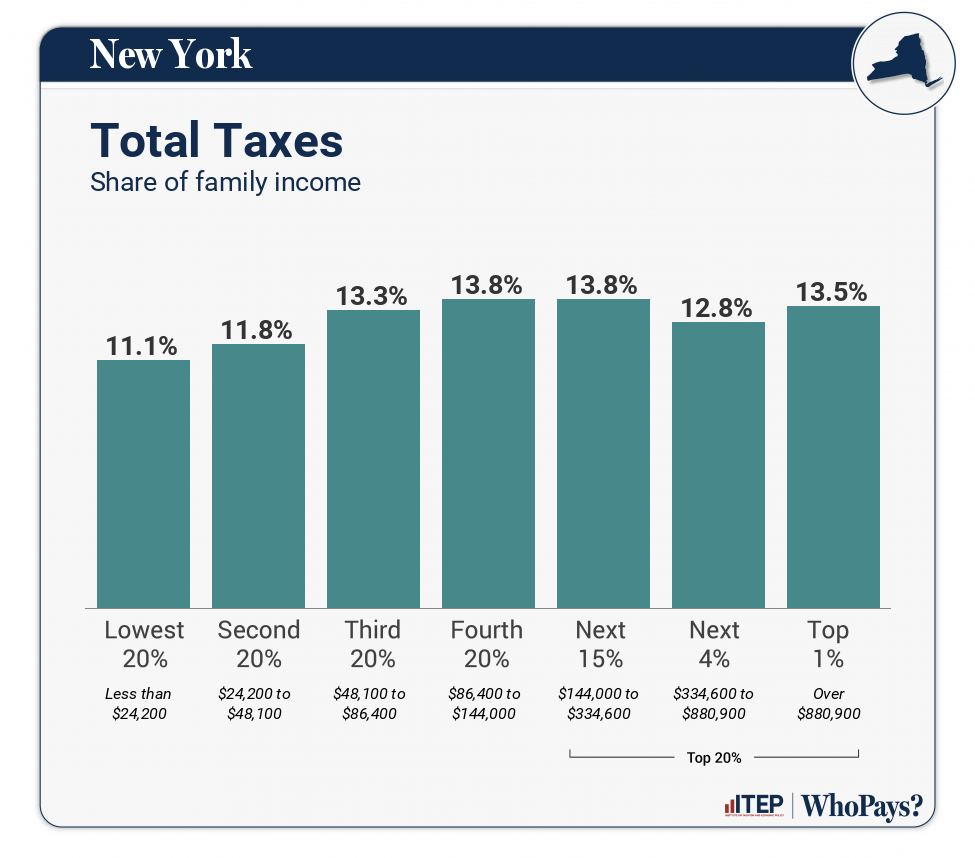
For individuals considering a longer stay in New York, relocating, or even working remotely while visiting, understanding the income tax structure and other potential resident-related taxes becomes crucial. New York State is known for having some of the highest combined state and local tax burdens in the United States.
Income Tax: State and City
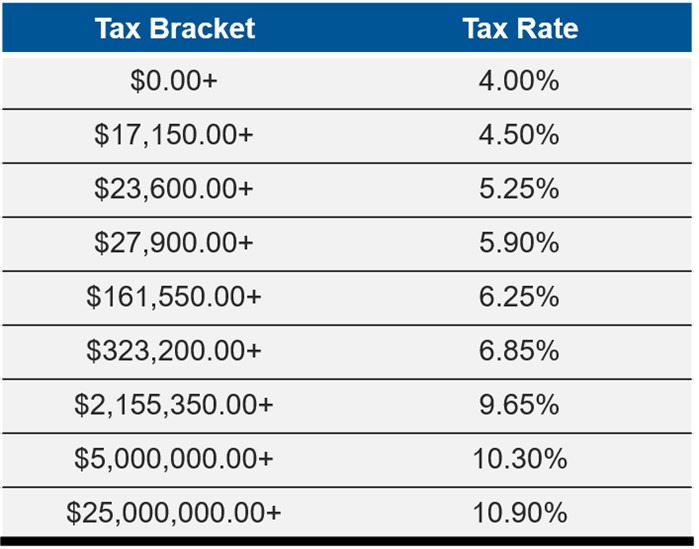
New York State has a progressive income tax system, meaning higher earners pay a higher percentage of their income in taxes. State income tax rates range from 4% to 10.9%, depending on income brackets and filing status.
Furthermore, residents of New York City (meaning the five boroughs: Manhattan, Brooklyn, Queens, The Bronx, and Staten Island) are subject to an additional city income tax. This is also a progressive tax, with rates generally ranging from about 3.2% to 3.876%. This means that an individual living and working in New York City could face a combined state and city income tax rate exceeding 14%, in addition to federal income taxes.
For long-term guests or remote workers, determining residency for tax purposes can be complex. Generally, if you spend more than 183 days in New York State and maintain a “permanent place of abode” there, you may be considered a resident for tax purposes, even if your primary home is elsewhere. This could significantly impact your tax obligations, so professional tax advice is highly recommended if you plan an extended stay.
Property Tax Considerations
While property tax directly affects homeowners, it indirectly impacts renters and visitors through rental prices and local service funding. New York State has some of the highest property taxes in the United States, particularly in suburban areas around New York City and certain desirable areas Upstate New York (e.g., Long Island, The Hamptons). These high property taxes contribute to the overall cost of living and are often reflected in higher rental costs, whether for apartments or long-term holiday rentals.
Other Noteworthy Taxes and Fees
New York City, in particular, has a variety of other niche taxes and fees that residents and businesses might encounter. These can include:
- Commercial Rent Tax: A tax on commercial tenants in Manhattan below 110th Street if their annual rent exceeds a certain threshold. While this doesn’t directly affect tourists, it can contribute to the higher cost of doing business, which may trickle down to consumer prices.
- Parking Tax: A sales tax on parking services in Manhattan at an additional rate on top of the general sales tax. This makes parking in Manhattan even more expensive.
- Utility Taxes: While usually embedded in utility bills, various state and local taxes apply to electricity, gas, and telecommunications services, impacting the cost of living for long-term residents.
Budgeting for a Tax-Savvy New York Experience
Equipped with an understanding of New York’s tax structure, you can now plan your trip or extended stay more effectively. Strategic budgeting can help mitigate the impact of these taxes and enhance your overall experience.
Smart Shopping and Dining
- Take Advantage of Sales Tax Exemptions: When shopping for clothes and shoes in New York City, remember the $110 per item exemption. This means you can buy multiple items under that price point without paying sales tax, offering considerable savings.
- Look for All-Inclusive Pricing: When booking experiences, tours, or even some hotel packages, check if taxes and service fees are explicitly included in the advertised price. This transparency helps avoid sticker shock.
- Factor in Dining Taxes and Tips: The 8.875% sales tax in New York City applies to most prepared food. Coupled with standard tipping practices (18-20% is customary for good service), a meal can easily cost 30% more than the menu price. Budget accordingly, especially for daily meals and fine dining experiences near Times Square or Central Park.
- Consider Local Markets and Food Trucks: For budget-conscious travelers, exploring vibrant local markets like Chelsea Market or food trucks can offer delicious, often more affordable options where the tax impact feels less significant on individual purchases.
Planning Your Stay
- Compare Accommodation Costs Carefully: When researching hotels, apartments, or resorts, don’t just compare the nightly rate. Calculate the total cost including all taxes and fees. A slightly higher advertised rate at one establishment might end up being cheaper if it has lower local taxes or fewer hidden fees. Consider staying slightly outside peak tourist zones, like in parts of Brooklyn (e.g., Williamsburg or Dumbo) or Queens, where hotel rates might be marginally lower, even if taxes remain similar.
- Long-Term Stay Considerations: For stays longer than 30 days, hotels and short-term rentals are often exempt from certain occupancy taxes. If your travel plans are flexible, booking a stay just over the 30-day mark could result in substantial tax savings on your accommodation. This is a common strategy for digital nomads or those on extended business trips.
- Explore Upstate New York: If your primary goal is to experience New York State rather than specifically New York City, exploring destinations like the Catskills, Finger Lakes region, or the Adirondacks can offer a different type of experience with potentially lower overall living and accommodation tax burdens.
Leveraging Attractions and Experiences
- City Passes and Attraction Bundles: Many popular attractions, from the Empire State Building to museums like MoMA or The Metropolitan Museum of Art, offer city passes or bundled tickets. These often include sales tax in the upfront price, and while they are an investment, they can offer savings over purchasing individual tickets at the gate, especially if you plan to visit many sites.
- Free Attractions: New York City boasts numerous free attractions, from walking across the Brooklyn Bridge and exploring Central Park to visiting art galleries in Chelsea or taking the Staten Island Ferry past the Statue of Liberty. Incorporating these into your itinerary can reduce your overall spending on taxable paid activities.
Conclusion
Understanding “How Much Tax New York?” is an essential component of preparing for any visit or relocation to this diverse and vibrant state. From the substantial sales and hotel taxes impacting visitors to the comprehensive income and property taxes affecting residents, New York’s tax landscape requires careful consideration. By being informed about the various rates and regulations, you can strategically plan your budget, make savvy choices regarding accommodation and purchases, and ensure your experience in New York is as enjoyable and stress-free as possible. Whether you’re exploring the iconic landmarks of Manhattan, enjoying the cultural richness of Brooklyn, or venturing into the natural beauty of Upstate New York, a little tax knowledge goes a long way in maximizing your travel and lifestyle investments.
LifeOutOfTheBox is a participant in the Amazon Services LLC Associates Program, an affiliate advertising program designed to provide a means for sites to earn advertising fees by advertising and linking to Amazon.com. Amazon, the Amazon logo, AmazonSupply, and the AmazonSupply logo are trademarks of Amazon.com, Inc. or its affiliates. As an Amazon Associate we earn affiliate commissions from qualifying purchases.