
Navigating the complexities of unemployment can be a challenging experience, especially when it unexpectedly shifts your life’s trajectory, potentially impacting travel plans, financial stability, and overall lifestyle. For residents of the Empire State, understanding “How to Apply for New York State Unemployment?” is a critical first step towards securing temporary financial relief. This comprehensive guide will walk you through the entire process, from determining eligibility to maintaining your benefits, ensuring you have the knowledge to confidently apply and manage your Unemployment Insurance (UI) claims.
The New York State Department of Labor (NYSDOL) administers unemployment benefits designed to provide temporary income support to individuals who have lost their jobs through no fault of their own. While the immediate concern might be daily expenses, understanding these benefits can also offer a sense of security, allowing you to plan for the future, whether that involves future travel adventures, securing new accommodation, or simply maintaining your current lifestyle during this interim period.
Navigating New York State Unemployment Benefits: An Essential Guide
Losing a job can be an unexpected detour in anyone’s life journey. For those accustomed to planning trips, exploring New York‘s vibrant attractions, or simply enjoying the myriad lifestyle options the state offers, a sudden change in employment can bring immediate financial concerns. Unemployment Insurance (UI) acts as a crucial safety net, providing a temporary bridge to maintain essential living standards while you search for new opportunities. This guide is tailored to demystify the application process for New York State residents, empowering you with the information needed to secure the benefits you may be entitled to.
The NYSDOL is the primary agency responsible for managing unemployment benefits. Their systems are designed to process a significant volume of claims, and understanding their procedures is key to a smooth experience. Historically, periods of economic uncertainty, such as the COVID-19 pandemic, have highlighted the critical role of these benefits in supporting individuals and families across the state, underscoring the importance of being prepared and informed.
Eligibility Requirements: Are You Qualified?
Before you even begin the application process, it’s crucial to understand the fundamental eligibility criteria set by the NYSDOL. Meeting these requirements is the first hurdle to overcome in securing your unemployment benefits.
-
Monetary Eligibility: Earnings and Base Period
To be eligible, you must have worked and earned enough wages in New York State during a specific timeframe, known as your “base period.” The NYSDOL typically looks at the first four of the last five completed calendar quarters before you file your claim. You must meet specific minimum earnings requirements within this period. Generally, you need to have worked in at least two calendar quarters and earned a minimum average weekly wage. These thresholds are updated periodically, so it’s always best to refer to the official NYSDOL website for the most current figures. For instance, if you were a tour guide working seasonally at various New York landmarks or managing hotel accommodations, your earnings from these various roles would contribute to your base period wages, provided they were reported wages. -
Reasons for Separation: Layoffs, Firings, and Voluntary Quits
A fundamental principle of Unemployment Insurance is that benefits are intended for those who lose their jobs through no fault of their own.- Layoffs: If you were laid off due to lack of work, a company downsizing, or your position was eliminated, you are generally eligible. This often happens in industries impacted by economic shifts, such as tourism or hospitality, where a resort might close or a travel agency reduces staff.
- Firings: If you were fired for misconduct, you might be disqualified. However, if you were fired for reasons other than misconduct (e.g., poor performance that wasn’t willful or deliberate), you might still be eligible.
- Voluntary Quits: If you voluntarily quit your job, you are generally not eligible unless you had “good cause” for leaving. Good cause is usually defined as a compelling reason that would lead a reasonable person to leave, such as unsafe working conditions, discrimination, or certain medical reasons. Quitting a job because you found a better one, or to embark on a long-term travel experience, would typically not be considered good cause.
-
Availability and Work Search Efforts
To receive benefits, you must be “ready, willing, and able” to work. This means you must be physically and mentally capable of employment and actively seeking new work. You must be available for full-time work and genuinely look for a new job each week you claim benefits. This requirement underscores the temporary nature of UI; it’s designed to support you while you transition back into the workforce, not as a permanent income source or a fund for extended leisure travel. The NYSDOL specifies the number of work search activities required weekly, which could include submitting applications, attending job fairs, or networking. -
The Impact of Self-Employment and the Gig Economy
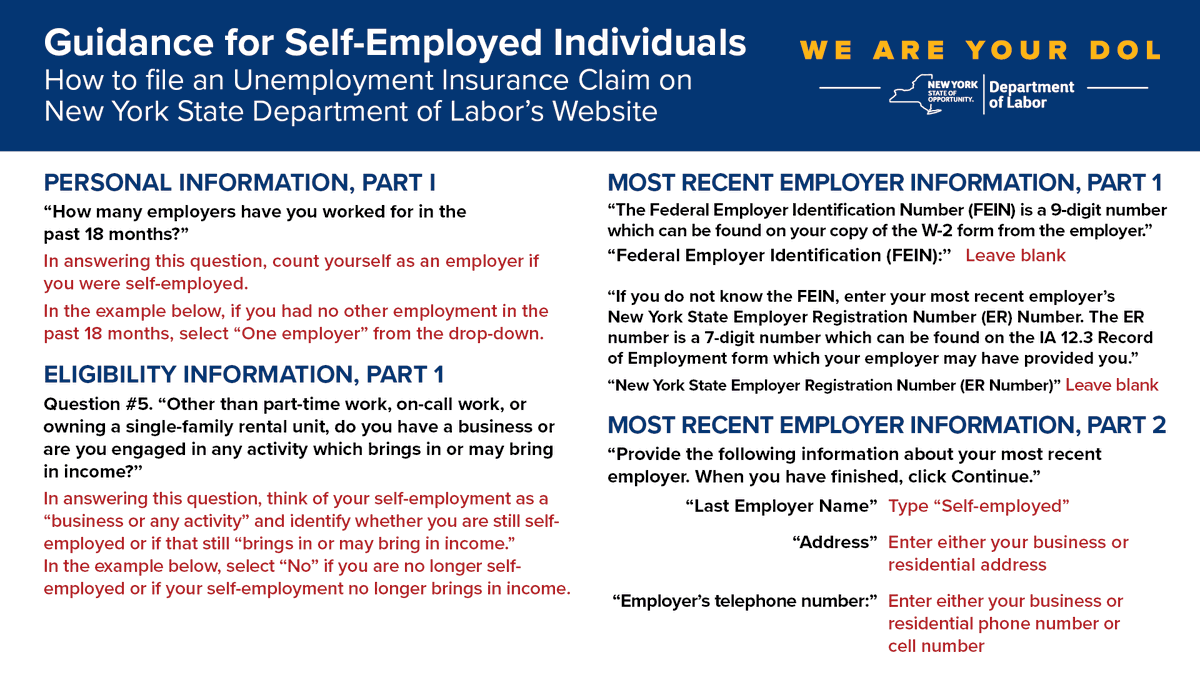
With the rise of the gig economy and independent contractors, understanding eligibility for self-employed individuals can be complex. Typically, traditional Unemployment Insurance does not cover self-employment income, as these individuals do not pay into the UI system through payroll taxes. However, during the COVID-19 pandemic, programs like Pandemic Unemployment Assistance (PUA) were introduced to provide benefits for self-employed individuals, independent contractors, and gig workers who traditionally wouldn’t qualify for UI. While PUA is no longer active, it’s a reminder that rules can change in extraordinary circumstances. For most standard claims, if you earn income as a freelancer – perhaps as a travel blogger, a guide for local tourism, or a consultant for hotels – this income would be treated differently and might reduce or negate your eligibility for traditional UI benefits.
The Application Process: Step-by-Step
Once you’ve determined you likely meet the eligibility criteria, the next step is to formally apply for benefits. This process requires attention to detail and accuracy to avoid delays.
Gathering Your Essential Documents
Before you begin, have the following information and documents ready. This will streamline your application significantly:
- Your Social Security Number (SSN) or, if you don’t have an SSN, your Individual Taxpayer Identification Number (ITIN).
- Your driver’s license or state ID number.
- Your mailing address and phone number.
- Information for all employers you worked for during the past 18 months, including:
- Employer names and addresses.
- Employer Federal Employer Identification Numbers (FEINs) – this can usually be found on your W-2 forms.
- Your start and end dates for each employer.
- Your gross earnings with each employer.
- The reason you no longer work for each employer.
- If you served in the military in the last 18 months, your DD-214.
- If you worked for a federal government agency in the last 18 months, your Standard Form 8 (SF-8) or SF-50.
- Your bank name and routing number for direct deposit, which is highly recommended for faster payment.
Submitting Your Initial Claim
You can file your claim online or over the phone. The NYSDOL encourages online filing for efficiency.
-
Online Application
The most convenient and preferred method is to file online via the NYSDOL website. The application is typically available 24/7. It’s designed to guide you through each section, asking for the necessary information. Take your time, read each question carefully, and provide accurate details. Any discrepancies or missing information could lead to delays in processing your claim. Upon submission, you’ll receive a confirmation, and it’s essential to save this for your records. This initial claim establishes your benefit year, which is generally 52 weeks from the date you filed. -
Applying by Phone
If you do not have internet access or prefer to speak with a representative, you can call the NYSDOL claim center. Be aware that wait times can be substantial, especially during periods of high claim volume. The phone lines operate during specific business hours, which are typically Monday through Friday. It’s advisable to have all your documents ready before calling to make the process as efficient as possible. The representative will ask you the same questions as the online application. -
The Waiting Week Explained
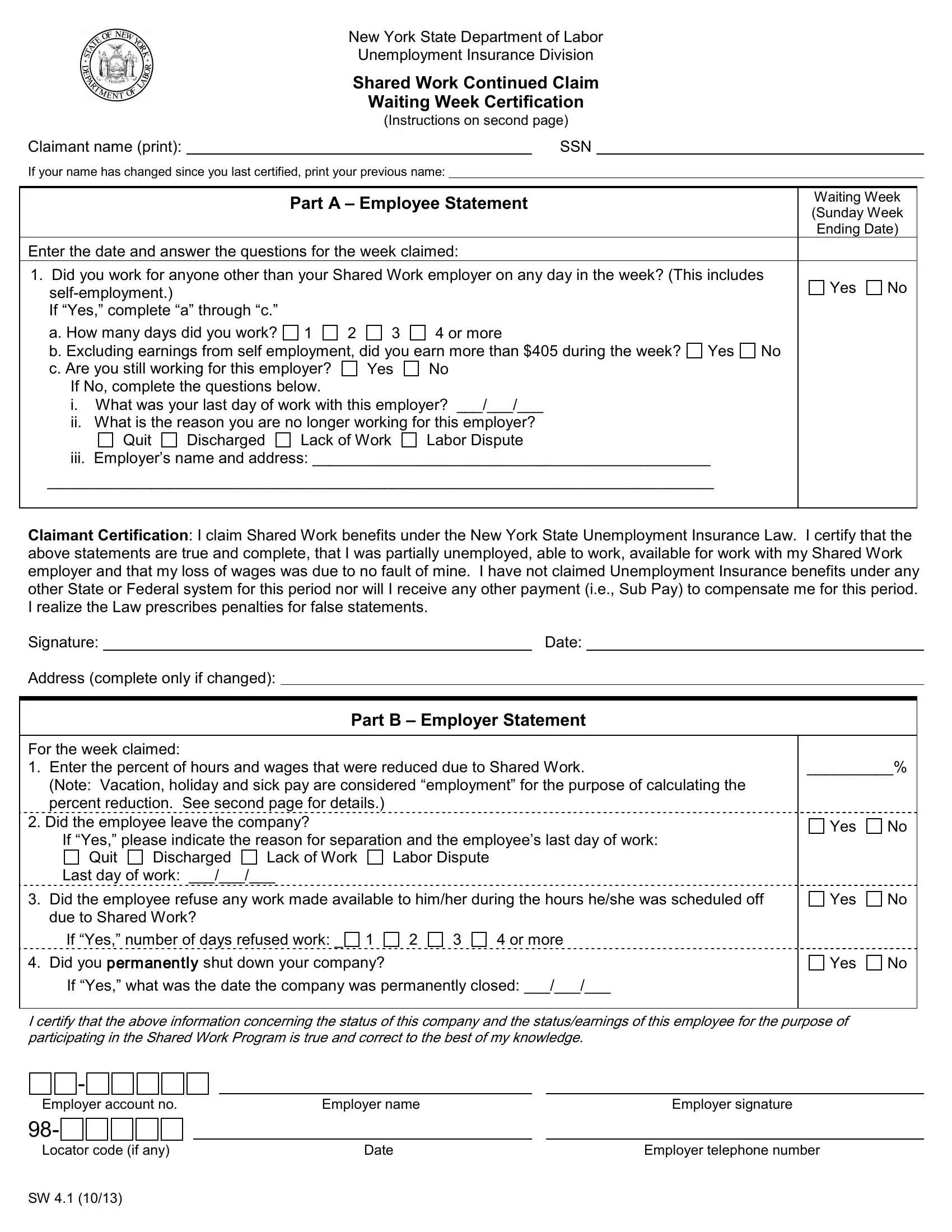
New York State has a “waiting week” policy. This means that after you file your initial claim and are deemed eligible, the first week of your unemployment for which you are otherwise entitled to benefits will be unpaid. This waiting week is a standard part of the UI program and serves as a minor deductible. After this unpaid waiting week, if you continue to meet all eligibility requirements and certify weekly, you will begin receiving payments. -
Understanding Your Benefit Rate
Your weekly benefit rate is calculated based on your earnings during your base period. The NYSDOL uses a formula that typically takes your highest-earning quarter or an average of your earnings into account, up to a maximum weekly benefit amount. The maximum benefit amount is reviewed and adjusted periodically. You will receive a determination letter from the NYSDOL after your claim is processed, detailing your weekly benefit rate and the total amount of benefits you are eligible to receive during your benefit year.
- Weekly Certification: Maintaining Your Benefits
Filing an initial claim is just the beginning. To continue receiving benefits, you must “certify” for benefits each week. This involves answering a series of questions online or by phone, confirming that you were unemployed, available for work, actively seeking work, and reporting any income you earned during that week. Weekly certification is critical; failing to certify will result in a lapse in payments. It’s akin to checking in at a hotel; you need to confirm your stay to continue receiving services. You typically certify for the previous week, usually on Sunday or Monday.
Crucial Considerations While Receiving Benefits
Receiving unemployment benefits comes with responsibilities. Understanding these obligations is essential to avoid potential issues and ensure a smooth period of financial support.
Reporting Income and Earnings
Accuracy in reporting earnings is paramount. Even small amounts of income can affect your weekly benefit.
-
Part-Time Work and Odd Jobs
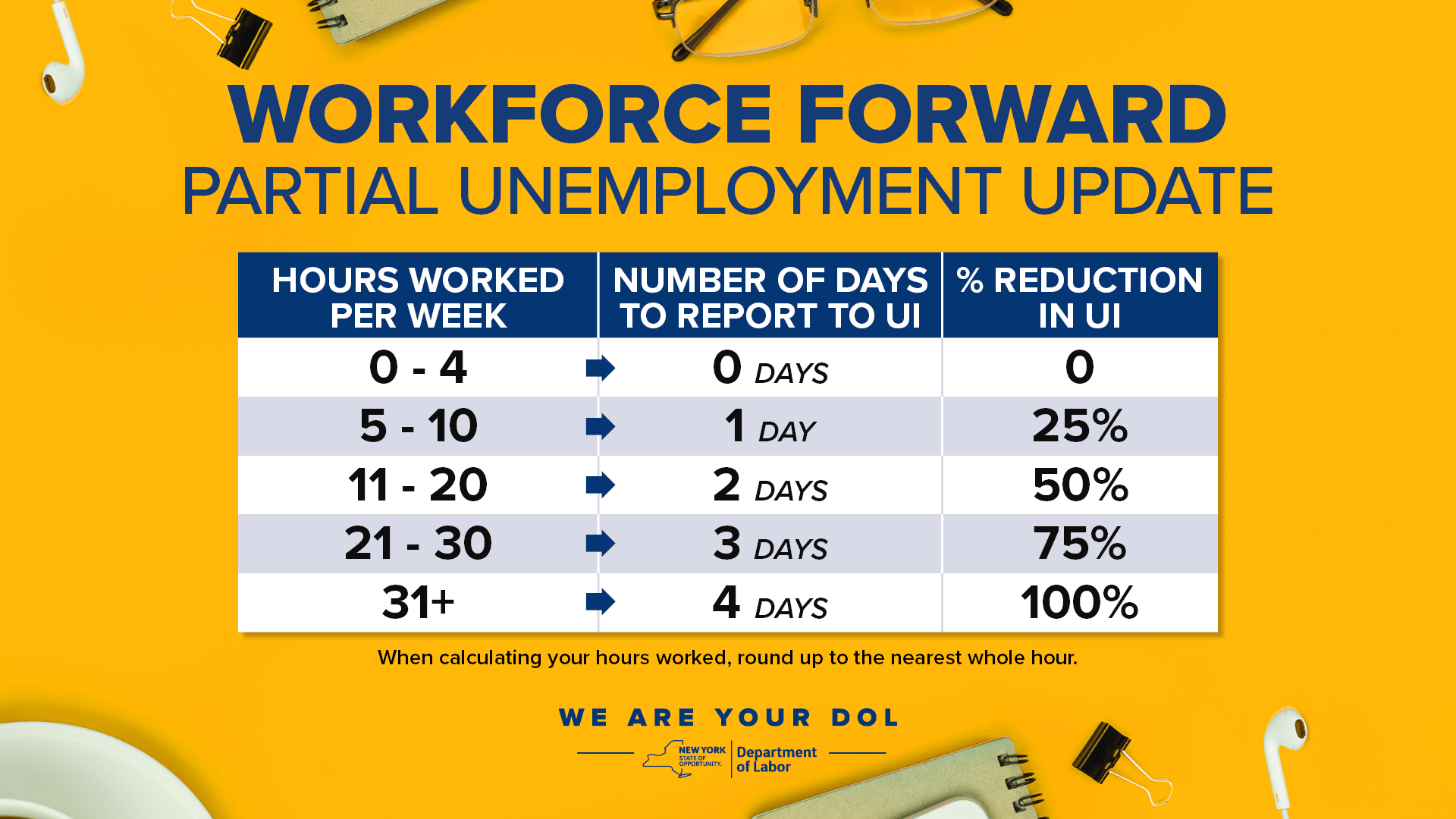
If you take on part-time work, freelance gigs (e.g., occasional writing for a travel blog, temporary work at a local landmark), or other odd jobs while collecting unemployment, you must report these earnings. The NYSDOL has rules about how earned income impacts your benefits. Generally, if you earn a certain amount, a portion of your weekly benefits may be reduced. If your earnings exceed a specific threshold, you might not receive any benefits for that week. Failure to report income can lead to serious consequences, including overpayments and penalties. -
COVID-19 Specific Guidance
During the pandemic, there were specific provisions regarding reporting income, especially for self-employed individuals under PUA. While these programs are largely concluded, it highlights the importance of staying updated on any special guidance issued by the DOL in times of economic crisis. Always check the official NYSDOL website for the latest information.
The Importance of Work Search and Avoiding Disqualification
As mentioned, actively searching for work is a non-negotiable requirement. The NYSDOL outlines specific work search activities you must complete each week. Keeping a detailed log of your job search efforts – including the dates, companies contacted, positions applied for, and outcomes – is highly recommended. The DOL can request this information at any time.
- Refusing Suitable Work: If you are offered a “suitable” job and refuse it without good cause, you could be disqualified from receiving benefits. “Suitable work” generally means a job for which you are reasonably qualified by training or experience, and which pays wages similar to your previous employment. This clause is designed to ensure that individuals are making genuine efforts to return to self-sufficiency.
Tax Implications: Planning for the Future
Unemployment benefits are taxable income. Many individuals overlook this, leading to unexpected tax bills.
- Federal Unemployment Tax Act (FUTA) and IRS Guidance
Your UI benefits are subject to federal income tax, and in some states, they might also be subject to state income tax. In New York State, unemployment benefits are subject to both federal and state income taxes. You have the option to have federal and state income taxes withheld from your weekly payments. This is highly advisable, as it can prevent a large tax bill when you file your annual tax returns with the Internal Revenue Service (IRS). The NYSDOL will send you Form 1099-G at the end of the year, detailing the total amount of unemployment benefits you received, which you will need for tax filing purposes. Factor this into your budgeting, just as you would any other income, especially if you’re planning for future luxury travel or significant lifestyle investments.
Understanding Overpayments and Appeals
Sometimes, due to errors or misinterpretations, individuals may receive more benefits than they were entitled to. This is known as an overpayment.
- Overpayments: If the NYSDOL determines you received an overpayment, you will be required to repay it. This can happen if you incorrectly reported your earnings, were deemed ineligible after receiving payments, or for various other reasons. The DOL has methods to recover overpayments, including deducting from future UI benefits or even through collection agencies.
- Appeals: If you disagree with a determination made by the NYSDOL – whether it’s an eligibility denial, a reduced benefit rate, or an overpayment – you have the right to appeal. The appeal process involves a hearing before an impartial administrative law judge. It’s crucial to follow the appeal instructions carefully and adhere to strict deadlines. Gathering all relevant documentation and presenting a clear case is vital.
Contacting the DOL for Assistance
If you have questions or encounter issues, contacting the NYSDOL directly is the best course of action. Their website is a comprehensive resource, and their call centers can provide personalized assistance. Be prepared for potential wait times during peak periods.
Essential Tips for a Smooth Process
Navigating unemployment can be less stressful if you approach the process methodically and with diligence.
- Read Everything Carefully: The NYSDOL sends out numerous notices and instructions. Do not discard them. Read every piece of correspondence thoroughly, as it contains vital information about your claim, eligibility, and responsibilities.
- Be Honest and Accurate: Always provide truthful and accurate information on your application and weekly certifications. Misrepresenting facts can lead to severe penalties, including disqualification from benefits, repayment of all benefits received, and even criminal prosecution.
- Report Changes Promptly: If there are any changes in your circumstances – such as returning to work, moving to a new address, or becoming unavailable for work due to illness or travel – report them to the NYSDOL immediately. Prompt reporting helps prevent overpayments and ensures your claim remains in good standing.
Applying for New York State unemployment benefits is a formal process that requires your careful attention and adherence to established rules. By understanding the eligibility requirements, preparing your documents, diligently submitting your application, and conscientiously managing your weekly certifications and responsibilities, you can effectively secure this essential financial support. This temporary assistance can provide the breathing room needed to explore new career paths, adapt your lifestyle, or simply maintain your essential needs while you transition back into the workforce and plan for your next adventure.
LifeOutOfTheBox is a participant in the Amazon Services LLC Associates Program, an affiliate advertising program designed to provide a means for sites to earn advertising fees by advertising and linking to Amazon.com. Amazon, the Amazon logo, AmazonSupply, and the AmazonSupply logo are trademarks of Amazon.com, Inc. or its affiliates. As an Amazon Associate we earn affiliate commissions from qualifying purchases.