
The aroma of a perfectly seared steak, the rich, savory flavor that melts in your mouth – it’s an experience often associated with the finest steakhouses and memorable culinary tours during our travels. Among the pantheon of prime cuts, the New York Strip stands tall, a culinary icon synonymous with robust flavor and exceptional texture. Named after its spiritual home, New York City, this steak embodies the city’s blend of sophistication and unapologetic character. For discerning palates who appreciate the art of fine dining and the joy of recreating gourmet experiences in their own homes, mastering the New York Strip is a rewarding endeavor.
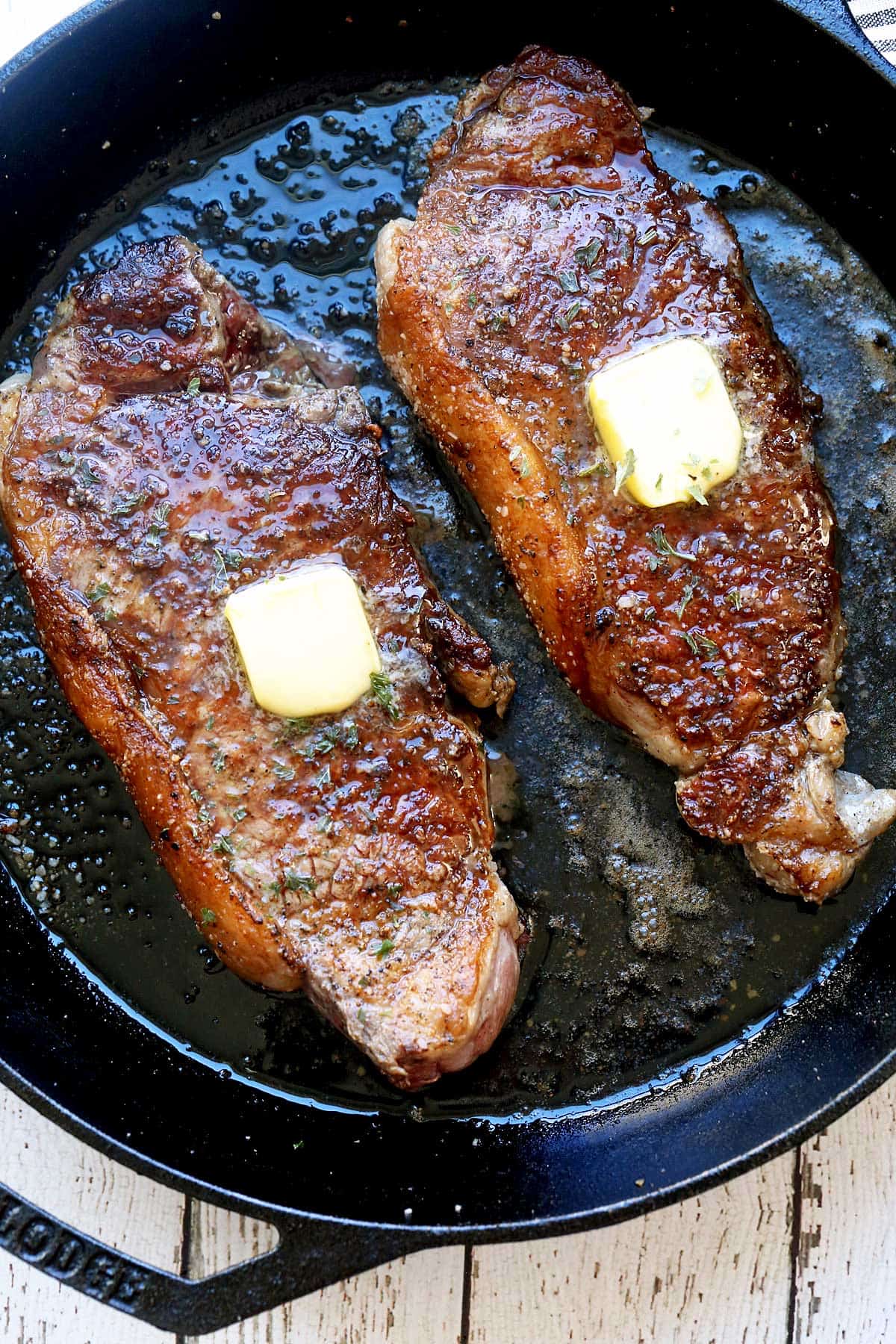
This isn’t merely a cooking guide; it’s an invitation to infuse your kitchen with the spirit of luxury travel, drawing inspiration from world-class restaurants and the vibrant food scenes you’ve explored. Imagine savoring a steak that rivals those served at legendary establishments like Peter Luger Steak House in Brooklyn or Keens Steakhouse in Manhattan. This guide will help you unlock the secrets to achieving that perfect crust, that tender interior, and that unforgettable flavor, transforming your home into a destination for exquisite tastes.
The Essence of the New York Strip: A Culinary Journey
Before we don aprons and fire up the stove, let’s delve into what makes the New York Strip such a cherished cut, drawing parallels to its place in tourism and local culture. Understanding its characteristics is key to appreciating its potential and treating it with the reverence it deserves.
Understanding the Cut and Its Pedigree
The New York Strip, also known as a Kansas City Strip, ambassador steak, or strip loin, comes from the short loin of the cow, a muscle that does relatively little work, resulting in exceptionally tender meat. What sets it apart is its fine marbling – the intramuscular fat that renders during cooking, infusing the steak with incredible flavor and moisture. Unlike the intensely marbled ribeye or the lean, butter-soft filet mignon, the New York Strip offers a perfect balance: a robust, beefy flavor profile with a satisfying chew. It typically boasts a nice fat cap on one side, which, when rendered, adds another layer of richness and texture.
Its origins are debated, with both New York and Kansas City claiming its legacy. Regardless, it has become a staple in high-end restaurants across the globe, from the bustling dining rooms of Chicago to the glittering establishments of Las Vegas. Its enduring popularity is a testament to its consistent quality and deliciousness, much like an iconic landmark or a globally recognized hotel brand.
Sourcing the Perfect Steak: A Traveler’s Tip
Just as a discerning traveler seeks out the best accommodation or the most authentic local experiences, a culinary enthusiast must begin with the highest quality ingredients. Sourcing your New York Strip is the first, crucial step. Look for steaks that are at least 1.5 inches thick – this thickness is essential for achieving a perfect sear without overcooking the interior. Thinner steaks are prone to drying out.
Key attributes to look for:
- Good Marbling: Look for fine, even streaks of white fat running through the red meat. This is where the flavor lives.
- Color: The meat should be a vibrant cherry red, not dull or brownish.
- Texture: It should feel firm to the touch, not slimy or mushy.
- Aging: Opt for dry-aged if possible. Dry-aging enhances flavor and tenderness through controlled moisture loss and enzymatic breakdown. Many premium steakhouses boast their dry-aging programs, and bringing this quality home elevates your dish significantly. If dry-aged isn’t available, wet-aged beef is still excellent.
Consider purchasing from a reputable butcher, much like you’d seek out expert advice from a local guide on your vacation. A good butcher can tell you about the origin of the beef, its aging process, and even recommend a specific cut tailored to your preferences. Perhaps you encountered exceptional beef during a trip to Texas, known for its cattle ranches, or discovered a local delicacy in a European market. Bringing that same standard of sourcing home is a fundamental aspect of the “lifestyle” of a sophisticated diner.
Mastering the Art of the Sear: Recreating Restaurant Quality at Home
The true magic of a New York Strip lies in its preparation – specifically, the technique of searing. This method creates a deeply flavorful crust while locking in the juices, a culinary trick perfected in kitchens from Paris to Tokyo. Replicating this professional-grade finish at home transforms a simple meal into an occasion.
Preparation: The Foundation of Flavor
Just as a luxurious resort prepares for its guests, setting the stage for an unforgettable stay, so too must you prepare your steak. This foundational work is critical:
- Bring to Room Temperature: Remove the steak from the refrigerator at least 30-60 minutes before cooking. A cold steak hitting a hot pan will cook unevenly, resulting in a gray band just beneath the surface. Allowing it to warm slightly ensures a more consistent cook from edge to center.
- Pat Dry: Moisture is the enemy of a good sear. Thoroughly pat both sides of the steak dry with paper towels. Any surface moisture will cause the steak to steam rather than sear, hindering the development of that coveted crust.
- Season Generously: This is where you build the primary flavor. Use coarse sea salt and freshly cracked black pepper. Don’t be shy; a thick steak can handle a good amount of seasoning. Some chefs recommend seasoning up to 24 hours in advance and leaving it uncovered in the fridge for a “dry brine,” which further enhances flavor and helps dry the surface. This attention to detail mirrors the meticulous service you’d expect at a five-star Four Seasons property.
The Searing Technique: From Manhattan to Your Kitchen
This is the heart of the operation, where simple ingredients become a masterpiece.
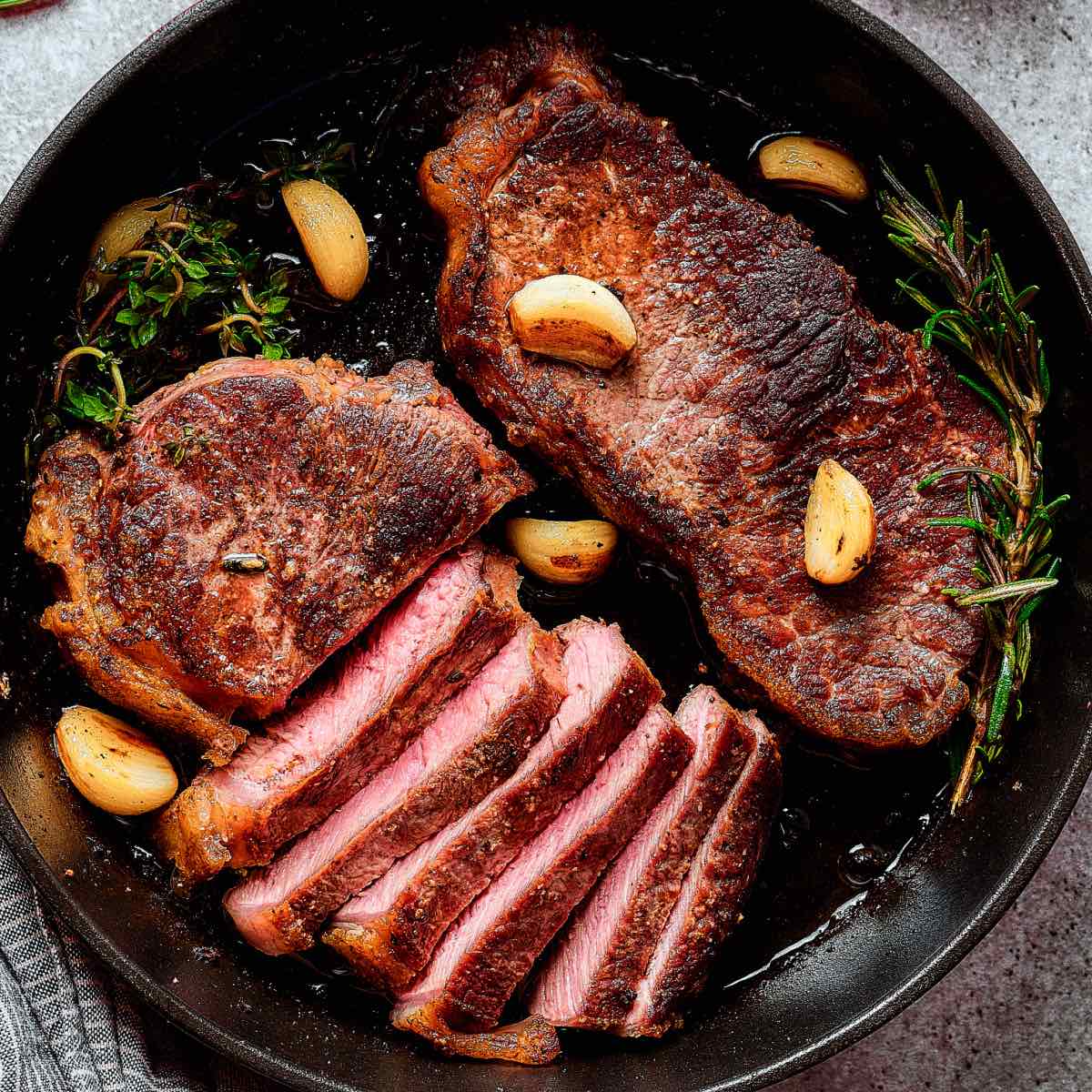
- Choose Your Pan Wisely: A heavy-bottomed pan, ideally cast iron, is non-negotiable. Cast iron retains heat exceptionally well and distributes it evenly, which is crucial for a consistent sear. If you’ve ever admired the professional kitchens of a boutique hotel, you’d find similar heavy-duty cookware.
- Heat the Pan: Place your pan over high heat until it’s smoking hot. This can take several minutes. You want it to be scorching; a properly hot pan is vital for forming that beautiful, dark crust.
- Add Oil: Add a high smoke point oil like grapeseed, avocado, or canola oil to the hot pan. Just enough to lightly coat the bottom. Avoid butter at this stage as it will burn.
- Sear the Steak: Carefully place the seasoned New York Strip in the hot pan. You should hear an immediate, satisfying sizzle.
- Side One: Sear for 2-3 minutes until a deep, golden-brown crust forms. Resist the urge to move the steak! This initial contact is what builds the crust.
- Side Two: Flip and sear for another 2-3 minutes.
- Render the Fat Cap: If your steak has a thick fat cap, hold the steak upright with tongs and sear the fat cap for 1-2 minutes until it’s nicely rendered and crispy. This step adds incredible flavor and texture.
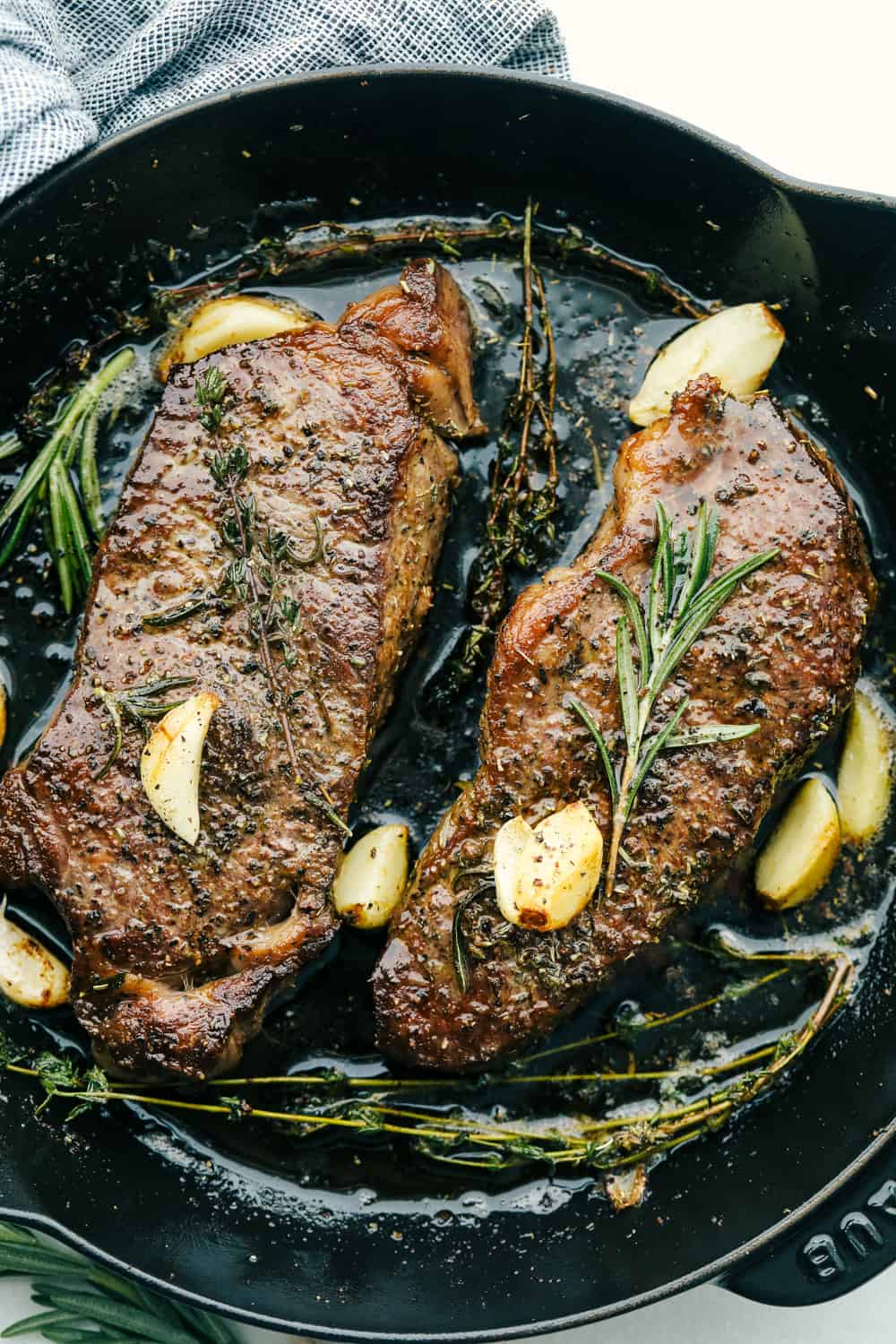
- Butter Basting and Aromatics: Reduce the heat to medium-low. Add a generous knob of unsalted butter (2-3 tablespoons), a few sprigs of fresh rosemary or thyme, and 2-3 smashed garlic cloves to the pan. Tilt the pan slightly and, using a spoon, continuously baste the melted butter and aromatics over the steak for 1-2 minutes. This infuses the steak with incredible flavor and encourages even cooking. This technique is often taught in cooking classes you might find in destinations like Rome or Florence.
Finishing and Resting: The Key to Juiciness
After the initial sear and basting, you have a few options to finish cooking your steak, depending on your desired doneness:
- Oven Finish (Recommended for thicker steaks): Transfer the pan (if oven-safe) to a preheated oven at 375-400°F (190-200°C) until it reaches your desired internal temperature. This method provides a more even cook than simply staying on the stovetop.
- Stovetop Finish: For thinner steaks or if you don’t want to use the oven, continue cooking on medium-low heat, flipping every minute or so, until desired doneness.
Target Internal Temperatures (use a meat thermometer):
- Rare: 125°F (52°C)
- Medium-Rare: 130-135°F (54-57°C) – Highly recommended for New York Strip
- Medium: 135-140°F (57-60°C)
- Medium-Well: 140-145°F (60-63°C)
The Critical Rest: Once your steak reaches about 5°F below your target temperature, immediately remove it from the pan and transfer it to a cutting board. Cover it loosely with foil and let it rest for at least 5-10 minutes (longer for thicker steaks). This resting period is crucial. During cooking, the juices are forced to the center of the steak. Resting allows these juices to redistribute throughout the meat, resulting in a tender, moist, and flavorful experience. Skipping this step is akin to rushing through a beautiful historic site – you miss the full impact.
Elevating Your Dining Experience: Pairings and Presentation
Cooking a superb New York Strip is only half the journey. To truly embody the spirit of a lifestyle focused on exceptional experiences, consider how you present and pair your masterpiece. This holistic approach is what transforms a meal into an occasion, mirroring the attention to detail found in the most exclusive hotel suites.
The Perfect Accompaniments: Sides from Around the Globe
While the steak is the star, thoughtfully chosen side dishes enhance the entire meal. Classic steakhouse sides are always a hit, but don’t shy away from drawing inspiration from your European travels or exploring global flavors.
- Classic Indulgences: Creamed spinach, roasted asparagus with lemon, fluffy mashed potatoes, or crispy duck fat fries are timeless pairings that complement the richness of the steak.
- Mediterranean Flair: A simple Caprese salad or grilled vegetables seasoned with herbs de Provence can lighten the meal while adding vibrant flavors reminiscent of an Italian trattoria.
- Asian Inspired: A side of stir-fried greens with a touch of garlic and ginger or even a light, refreshing cucumber salad can offer a surprising and delightful contrast, reflecting the diversity of Asian cuisine you might encounter on your adventures.
- Sauces: A classic pan sauce made with the fond from the steak pan, a rich béarnaise, or even a simple herb butter melting over the hot steak adds another layer of decadence.
Wine Pairings: A Sommelier’s Recommendation
Pairing your New York Strip with the right wine is like finding the perfect destination for your next getaway – it completes the experience. The robust flavor and texture of the steak call for a wine with structure and character.
- Cabernet Sauvignon: This is arguably the quintessential pairing for a New York Strip. Its bold tannins and notes of blackcurrant, cedar, and pepper stand up beautifully to the richness of the beef. Look for Cabs from Napa Valley, Bordeaux, or even Chile.
- Malbec: Hailing primarily from Argentina, Malbec offers dark fruit flavors, smoky notes, and a softer tannin structure that still complements the steak without overpowering it.
- Syrah/Shiraz: Whether it’s a savory Rhône Valley Syrah or a fruit-forward Australian Shiraz, these wines provide a peppery, spicy counterpoint to the steak’s beefiness.
- Zinfandel: For those who enjoy a jammy, fruit-bomb red with a kick of spice, a good Zinfandel can be a surprisingly delightful pairing.
Consider a visit to a vineyard in Tuscany or Sonoma on your next trip to deepen your appreciation for these perfect pairings.
Crafting the Ambiance: From Boutique Hotel to Home
A truly exceptional meal isn’t just about what’s on the plate; it’s about the entire sensory experience. Recreate the ambiance of a world-class restaurant or a luxury hotel dining room in your own home.
- Plating: Pay attention to how you arrange the steak and sides on the plate. Use warm plates, clean edges, and consider garnishes like fresh herbs. A well-plated dish elevates anticipation and enjoyment.
- Table Setting: Crisp linens, quality dinnerware, appropriate glassware for your wine, and perhaps even some soft lighting or candles can transform your dining area. Think of the meticulous detail found in a Ritz-Carlton or St. Regis setting.
- Music: Choose a playlist that sets a relaxed yet sophisticated mood, whether it’s jazz, classical, or mellow contemporary tunes.
- Companionship: Share this culinary achievement with loved ones. Food, like travel experiences, is often best enjoyed when shared, fostering connection and creating lasting memories.
By paying attention to these details, you’re not just cooking a meal; you’re orchestrating an entire dining experience. You’re bringing the essence of global hospitality and sophisticated city breaks right to your table, making every bite a testament to the art of living well. This hands-on approach to creating memorable moments aligns perfectly with a lifestyle that cherishes quality, experience, and the joy of discovery, whether you’re exploring a new city or mastering a classic dish in your own kitchen.
LifeOutOfTheBox is a participant in the Amazon Services LLC Associates Program, an affiliate advertising program designed to provide a means for sites to earn advertising fees by advertising and linking to Amazon.com. Amazon, the Amazon logo, AmazonSupply, and the AmazonSupply logo are trademarks of Amazon.com, Inc. or its affiliates. As an Amazon Associate we earn affiliate commissions from qualifying purchases.