
Navigating a sprawling metropolis like New York City can seem daunting, but once you master its iconic subway system, the city truly opens up before you. Often hailed as the lifeblood of New York, the subway isn’t just a mode of transport; it’s an essential part of the city’s Lifestyle, a vibrant cross-section of its Local Culture, and an unparalleled tool for Travel and Tourism. From the shimmering lights of Times Square to the tranquil paths of Central Park or the historic streets of Greenwich Village, the subway connects you to virtually every Landmark and Attraction across all five boroughs. This comprehensive guide will equip you with all the knowledge you need to confidently ride the NYC subway, transforming your visit into a seamless and unforgettable urban adventure.
Mastering Your Ride: MetroCards, OMNY, and Fares
Before you can dive into the underground world of the New York City subway, understanding how to pay for your journey is paramount. The system primarily relies on two methods: the classic MetroCard and the newer, more convenient OMNY tap-to-pay system.
Choosing Your Ticket: MetroCard Options
The MetroCard has been the standard for decades, offering various options to suit different Travel styles and Accommodation durations. You can purchase these plastic cards at any subway station from vending machines or manned booths.
- Single Ride Ticket: Priced slightly higher than a standard fare, this is ideal for a one-off trip but not cost-effective for multiple journeys. It’s valid for 2 hours after purchase and allows one continuous ride, including transfers between subway lines or to local buses.
- Pay-Per-Ride MetroCard: This is the most flexible option. You load a dollar amount onto the card (minimum $5.50 for a new card, which includes a $1 new card fee). Each ride deducts the standard fare from your balance. This is perfect for visitors on a short trip who might only take a few subway rides or
Budget Travelenthusiasts who want to control their spending. You can refill these cards at any station. - Unlimited Ride MetroCard: Available in 7-day and 30-day increments, these cards offer unlimited rides for a fixed price. The 7-day Unlimited Ride MetroCard is often the best value for tourists staying for three days or more and planning extensive subway use, making it ideal for exploring many
Attractions. For longerAccommodationstays or frequentBusiness Stays, the 30-day option might be more suitable. It’s important to note that unlimited cards cannot be used by two people simultaneously within a short period; once swiped, there’s an 18-minute lockout before it can be used again.
Tapping into the Future: OMNY
OMNY (One Metro New York system) is the MTA’s (Metropolitan Transportation Authority) fare payment system, which allows riders to tap and go using their own contactless credit/debit card, smartphone, or wearable device. This modern solution streamlines the process, removing the need to purchase or refill a physical MetroCard.
- How it Works: Simply tap your contactless payment method on the OMNY reader at the turnstile. The system automatically charges you the standard fare per ride.
- Fare Capping: A significant advantage of OMNY is its fare capping feature. After a certain number of paid rides within a 7-day period (Monday to Sunday), all subsequent rides become free for the remainder of that week. This essentially functions like an Unlimited Ride MetroCard but without the upfront cost or commitment, offering excellent value for both short-term visitors and long-term residents. It’s a game-changer for
Budget Traveland ensures you always get the best fare. - Accessibility: OMNY readers are available at all subway stations and on all MTA buses, making it an increasingly universal and convenient option.
Whether you opt for the traditional MetroCard or the sleek OMNY system, both provide seamless access to the vast subway network, allowing you to embark on your Tourism journey across the boroughs.
Navigating the Underground Maze: Understanding the Subway Map
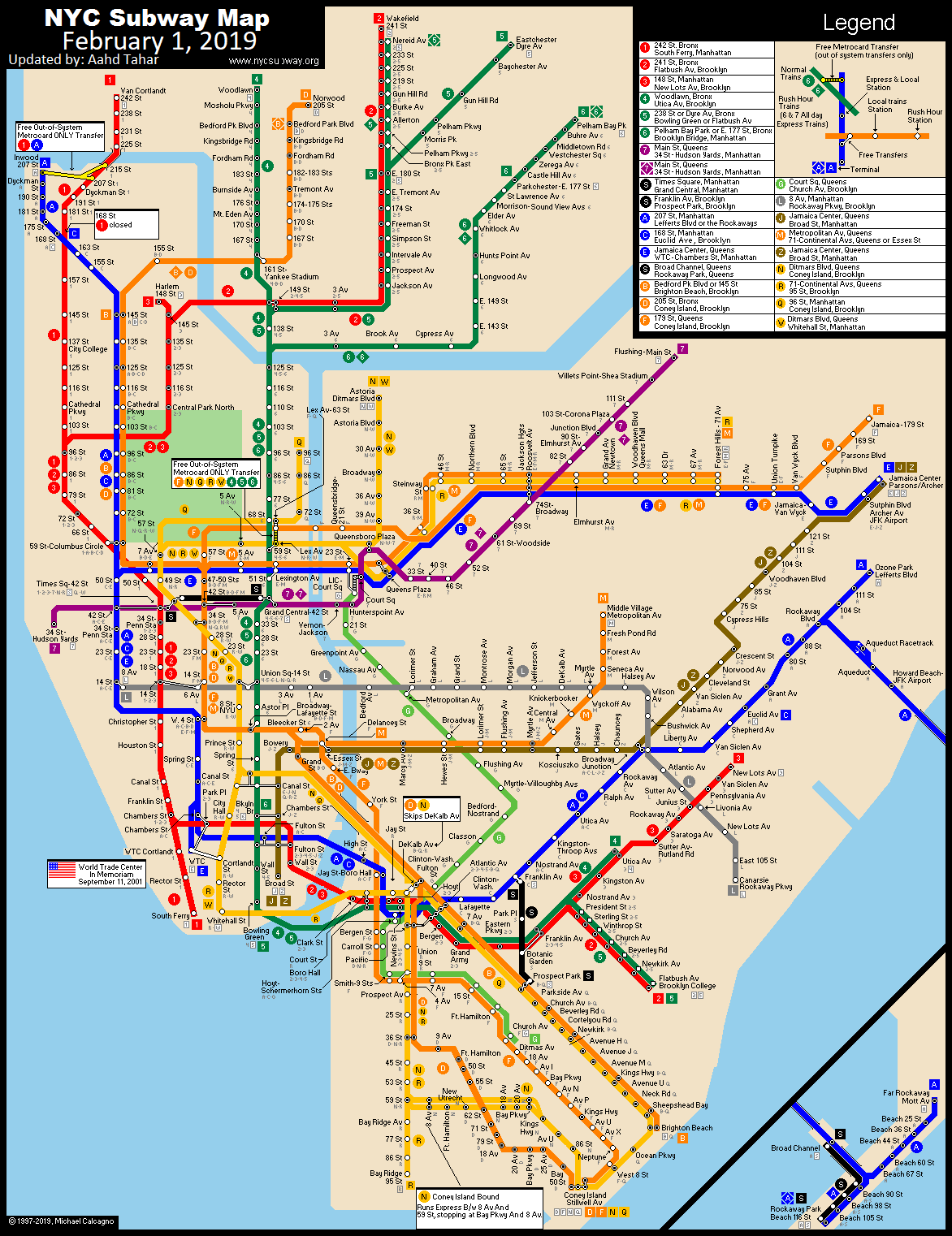
The New York City subway map can look like a colorful spaghetti tangle at first glance, but once you understand its logic, it becomes an incredibly powerful tool for Travel and exploration.
Deciphering Lines, Colors, and Numbers
The subway system uses a combination of numbers and letters to designate its numerous lines, each typically associated with a specific color on the map.
- Lines and Colors: Different colors represent major routes or “trunks” under Manhattan. For example, the green lines (4, 5, 6) run along the Lexington Avenue line, while the blue lines (A, C, E) primarily use the Eighth Avenue line. The individual numbers or letters distinguish the specific service.
- Uptown vs. Downtown: This is perhaps the most crucial concept to grasp. In Manhattan (and for trains heading towards or through it), trains typically run in two directions: Uptown (northbound) or Downtown (southbound). Pay close attention to the platform signs, which clearly indicate the direction and often list the final destination borough (Bronx-bound, Queens-bound, Brooklyn-bound). Getting on the correct platform is key, as sometimes
UptownandDowntowntrains run on different levels or sides of the same station. - Local vs. Express: Many lines have both local and express services. Local trains stop at every station, while express trains skip several stops, moving much faster between major hubs. On the map, local stops are indicated by smaller dots, and express stops by larger, white-filled dots. Knowing whether you need a local or express train can significantly impact your travel time, especially for
Business Stayswhere punctuality is critical. Always check the illuminated signs on the train itself or the platform for “Local” or “Express” indications.
Essential Navigation Tools
While the physical MTA map is a classic, modern technology offers invaluable assistance.
- Google Maps & Citymapper: These apps are indispensable for subway navigation. Simply input your starting point and destination, and they will provide real-time routes, including transfers,
Traveltimes, and even service advisories. They are constantly updated with delays or reroutes, making them superior to static maps for immediate planning. - MTA Info: The official
MTAwebsite and apps offer real-time service status, planned work schedules, and alerts. Checking these before you head out can save you from unexpected delays, especially during weekends when track work is more common.
Practical Tips for a Smooth Subway Experience
Riding the subway is an immersive part of the New York City experience, a chaotic symphony of sounds and sights. A few practical tips can make your journey more comfortable and efficient.
Etiquette, Safety, and Common Sense
While the subway can feel overwhelming, observing a few unwritten rules and safety measures will ensure a pleasant ride.
- Stand Clear of the Doors: This is a fundamental rule. Never block the doors from closing or opening.
- Allow Passengers to Exit First: When a train arrives, step to the side of the doors to allow exiting passengers ample room to disembark before you attempt to board.
- Offer Seats: Be mindful of those who might need a seat more than you do, such as the elderly, pregnant individuals, or those with disabilities. It’s a small gesture that reflects good
Local Cultureetiquette. - Hold Onto Straphangers: The subway can lurch and accelerate quickly. Always hold onto a pole or strap to maintain your balance.
- Situational Awareness: While the subway is generally safe, especially in major tourist areas, it’s always wise to be aware of your surroundings. Keep an eye on your belongings, particularly in crowded conditions or late at night. Avoid displaying expensive items overtly.
- Mind the Gap: A classic phrase you’ll hear and see – there can be a significant gap between the platform and the train. Step carefully when boarding and alighting.
Accessibility and Luggage Considerations
For many travelers, especially those with Family Trips or extensive luggage from Accommodation, accessibility is a key concern.
- Accessible Stations: Not all subway stations are ADA-compliant with elevators or ramps. The
MTAmap and apps will clearly indicate which stations are accessible. If you rely on a wheelchair or have mobility challenges, plan your routes using only accessible stations. - Traveling with Luggage: While it’s common, navigating the subway with large suitcases can be challenging, especially during peak hours. Try to avoid rush hour (roughly 7-10 AM and 4-7 PM on weekdays) if you’re traveling with heavy bags. Be considerate of other passengers and keep your luggage close to you, out of the way of doors and aisles. For
Luxury Travelor those simply seeking convenience fromHotelsor airports, ride-sharing services or taxis might be preferable for direct transfers with luggage. - Strollers: For
Family Trips, folding strollers before entering crowded cars or navigating turnstiles is often necessary. Again, accessible stations with elevators are your best friends.
Exploring New York by Subway: Unlocking Landmarks and Attractions
The true magic of the subway lies in its unparalleled ability to connect you to every corner of the city.
- Iconic Manhattan Sights: The subway whisks you directly to
Landmarkslike the Empire State Building (B, D, F, M, N, Q, R, W to 34th Street-Herald Square or 1, 2, 3 to 34th Street-Penn Station), the Museum of Modern Art (E, M to 53rd Street-5th Avenue), andTimes Square(N, Q, R, W, S, 1, 2, 3, 7 to Times Square-42nd Street). - Beyond Manhattan: Don’t limit your
Tourismto one borough! Take the A or C train to High Street-Brooklyn Bridge to walk the iconic Brooklyn Bridge and explore the trendy DUMBO neighborhood. Head to Coney Island for amusement park thrills via the D, F, N, or Q trains. The 7 train, known as the “International Express,” takes you through the vibrant ethnic neighborhoods of Queens, offering a taste of diverseLocal CultureandFood. To visit the Statue of Liberty and Ellis Island, take the 1 or R train to South Ferry / Whitehall Street for the ferry departure. - Arts and Culture: Reach world-class museums along Museum Mile (4, 5, 6 to 86th Street for the Metropolitan Museum of Art or Guggenheim Museum) or explore the galleries in Chelsea (C, E to 23rd Street). The subway makes all these
Destinationseasily accessible, enriching yourExperiences.
Advanced Subway Savvy: Navigating Challenges and Maximizing Efficiency
Even experienced riders encounter occasional hiccups. Knowing how to react to service changes and maximize efficiency will significantly enhance your Travel experience.
Staying Informed: Real-Time Updates
The NYC subway is a 24/7 operation, but maintenance and unforeseen incidents can cause delays or reroutes.
- MTA Apps and Twitter: Download the official MTA app or follow
MTAaccounts on Twitter for real-time service alerts. These are invaluable for planning around weekend track work or unexpected disruptions. - Platform Announcements: Listen to announcements over the public address system at stations and on trains. These often provide critical information about delays or changes to service.
- Station Displays: Many stations now feature digital displays showing estimated arrival times and service changes.
Common Pitfalls and How to Avoid Them
- Wrong Direction: Double-check the platform signs for “Uptown” or “Downtown” (or specific borough-bound indicators like “Brooklyn-bound”) before boarding. This is the most common mistake newcomers make.
- Express vs. Local: Confirm whether you need an express or local train for your destination. If you accidentally board an express, you might overshoot your stop and have to backtrack.
- Service Changes: Especially on weekends, some lines are rerouted or replaced by shuttle buses due to maintenance. Always check for advisories if you’re traveling on a weekend.
- Crowds: During rush hour, trains can be extremely crowded. If possible, adjust your
Travelschedule to avoid these peak times, especially if you have luggage or children.Lifestylechoices like early morning starts or late evening activities can bypass the worst of the crowds.
Embracing the New York City subway is to embrace the city itself. It’s an efficient, cost-effective, and authentically New York way to traverse the diverse landscapes of this incredible metropolis. With a little preparation and these tips, you’ll be navigating the lines, colors, and directions like a seasoned local, unlocking a world of Destinations and Experiences unique to the Big Apple. So grab your MetroCard or tap your phone, and get ready to explore New York City from the underground up!