
For millions of residents and a staggering number of visitors each year, New York City stands as a beacon of culture, commerce, and unparalleled experiences. From the iconic skyline of Manhattan to the vibrant neighborhoods of Brooklyn, Queens, the Bronx, and Staten Island, the city constantly hums with activity. Amidst the hustle and bustle, a fundamental question often arises, especially for those concerned about health, environment, or budget: “Is New York City tap water safe to drink?” The resounding answer, supported by extensive data and a century-long commitment to public health, is an emphatic yes.
New York City boasts one of the safest and most reliable public water supplies in the United States, and indeed, the world. Its quality is consistently praised by experts and often exceeds federal and state drinking water standards. For travelers exploring the city’s myriad attractions, from the soaring heights of the Empire State Building to the tranquil paths of Central Park, or those staying in New York City hotels and accommodations, understanding the source and safety of this vital resource can enhance their entire experience. It offers a convenient, sustainable, and cost-effective way to stay hydrated while enjoying all that the Big Apple has to offer. This article delves into the journey of NYC tap water, the rigorous testing it undergoes, common concerns, and practical advice for both tourists and locals.
The Pristine Journey: Where Does NYC’s Water Come From?
The story of New York City’s tap water begins far from the urban jungle, nestled within the pristine watersheds of the Catskill Mountains and the Delaware River basin, located upstate in New York State. This unique origin is a primary reason for the water’s exceptional quality, allowing it to bypass many of the intensive filtration processes required in other major cities.
The Catskill and Delaware Watersheds: Nature’s Filtration
Approximately 90% of New York City’s daily water supply originates from the vast, protected lands of the Catskill and Delaware watersheds. These areas encompass over 2,000 square miles of pristine forests, wetlands, and open spaces, acting as nature’s own filtration system. Rain and snowmelt naturally percolate through the soil and rock, replenishing a network of 19 reservoirs and three controlled lakes. The extensive protection efforts in these watersheds, including land acquisition, stringent regulations on development, and agricultural partnerships, prevent contamination at the source. This proactive approach significantly reduces the need for heavy chemical treatment downstream, setting NYC apart from many other urban water systems. The remaining 10% of the city’s water comes from the Croton Watershed, located closer to the city in Westchester and Putnam counties, which also benefits from rigorous protection and treatment.
A Legacy of Purity: The NYC Water Supply System
The engineering marvel that delivers this high-quality water to millions is a testament to New York City’s foresight and commitment to its residents. Built over more than a century, the NYC Water Supply System is predominantly gravity-fed. Water from the upstate reservoirs travels through a complex network of aqueducts and tunnels – including the Catskill Aqueduct, the Delaware Aqueduct, and the Old Croton Aqueduct – covering distances up to 125 miles. This reliance on gravity is not only incredibly efficient but also environmentally sustainable, minimizing the energy required to transport water.
The system’s design is intricate, allowing water to flow from higher elevations in the mountains, through massive underground conduits, and directly into the city’s distribution network without the need for extensive pumping. This colossal infrastructure, managed by the New York City Department of Environmental Protection (or NYC DEP), represents a triumph of civil engineering, ensuring a continuous supply of fresh water to homes, businesses, and public spaces across the five boroughs. The history of this system is deeply intertwined with the city’s growth, as access to clean water was a critical factor in its development into a global metropolis.
Ensuring Quality: How NYC’s Water Stays Safe
While the natural purity of its source water is a significant advantage, New York City’s tap water doesn’t reach your glass without undergoing a comprehensive process of monitoring, testing, and treatment. This multi-layered approach ensures that the water consistently meets, and often exceeds, stringent regulatory standards designed to protect public health.
Rigorous Testing and Regulations
The NYC DEP is responsible for safeguarding the city’s drinking water, a task it performs with exceptional diligence. Over 600,000 tests are conducted annually, on more than 1,000 water samples collected from the upstate reservoirs, aqueducts, and right down to individual taps in various neighborhoods. These tests screen for a vast array of potential contaminants, including bacteria, viruses, parasites, heavy metals, volatile organic compounds, and agricultural runoff. The monitoring program is one of the most comprehensive in the United States.
The standards for drinking water quality are primarily set by the Environmental Protection Agency (EPA) under the Safe Drinking Water Act. New York City’s water supply consistently complies with these federal regulations, and often adheres to even stricter guidelines imposed by New York State health departments. The NYC DEP publishes annual water quality reports, which are publicly accessible, providing transparency and detailed information about the water’s chemical and biological composition. This commitment to transparency allows both residents and visitors to verify the excellent quality of their tap water.
Treatment Process: Disinfection and Fluoridation
Despite its high natural quality, New York City’s water undergoes essential treatment steps to guarantee its safety from potential microbial contaminants during its long journey to the city. The primary treatment includes disinfection, a crucial process that eliminates harmful bacteria, viruses, and other microorganisms. This is primarily achieved through chlorination, where a carefully controlled amount of chlorine is added to the water. Chlorine is a highly effective disinfectant, ensuring that water remains safe as it travels through miles of pipes to reach consumers. The levels of chlorine are precisely monitored to be effective yet well within safe drinking limits and are often barely noticeable.
Additionally, New York City has a long-standing practice of fluoridating its water supply. Fluoride is added at optimal levels to help prevent tooth decay, a public health initiative supported by numerous medical and dental organizations worldwide, including the Centers for Disease Control and Prevention. While most major cities are required to filter their water, NYC has consistently been granted a filtration avoidance waiver by the EPA for its Catskill and Delaware supplies due to the exceptional protection and management of its watersheds. This means less chemical intervention is needed compared to many other urban water systems, preserving a more natural taste profile for the water. The Croton supply, however, does undergo conventional filtration at the Croton Water Treatment Plant, ensuring all sources meet the same high standards.
Addressing Common Concerns and Enhancing Your Experience
Even with its stellar reputation, some common questions and concerns arise regarding New York City tap water. Addressing these can provide peace of mind and help both residents and visitors make informed decisions about their hydration choices, aligning with sustainable lifestyle and budget travel principles.
The Lead Pipe Question: What You Need to Know
One of the most frequent concerns about tap water in older cities like New York is the presence of lead pipes. It’s crucial to understand that the source water delivered by the NYC DEP is lead-free. The issue of lead can arise from lead service lines (the pipes connecting the main water line to a building) or internal plumbing within older buildings, such as lead solder in copper pipes or lead-containing brass fixtures. The NYC DEP has been actively working to replace lead service lines, and the city maintains a comprehensive corrosion control program that treats the water to make it less corrosive, thus reducing the likelihood of lead leaching from pipes.
For individuals in older buildings, simple precautions can further reduce any potential exposure. Running the tap for a few minutes in the morning or after prolonged periods of inactivity flushes out any water that may have been sitting in lead pipes. Additionally, using a certified water filter (specifically one designed to remove lead) can provide an extra layer of protection. Many New York City hotels and accommodations, particularly newer ones, will have updated plumbing, but it never hurts to inquire or take simple preventative steps, especially for very long stays or for vulnerable populations like pregnant women and young children.
Taste and Aesthetics: Is it for Everyone?
While objectively safe, the taste of tap water can be subjective. Some people find New York City’s tap water to be exceptionally clean and refreshing, often preferring it over bottled water. Others might detect a slight chlorine taste or smell, particularly sensitive individuals. This faint chlorine presence is a testament to the disinfection process and typically harmless. The intensity can vary based on the season and location within the distribution network.
If the taste or smell of chlorine is bothersome, there are easy remedies. Chilling the water in a pitcher in the refrigerator for a few hours can significantly improve the taste, as the chlorine dissipates over time. Using a simple carbon-based filter pitcher or a faucet-mounted filter can also effectively remove chlorine and other aesthetic contaminants, enhancing the water’s taste and clarity without compromising its safety. These methods are particularly popular in homes and apartments, contributing to a more pleasant drinking experience.
Environmental Impact and Cost-Effectiveness for Travelers
Choosing tap water over bottled water in New York City offers significant environmental and economic benefits, making it an ideal choice for the conscientious traveler. The production, transportation, and disposal of plastic water bottles contribute substantially to carbon emissions and plastic waste. By refilling a reusable water bottle, visitors directly reduce their ecological footprint, supporting NYC’s sustainability efforts. This aligns perfectly with the growing trend of responsible tourism and eco-friendly travel experiences.
From a budget perspective, opting for tap water is a smart move. Bottled water, especially in tourist-heavy areas like Times Square or near major attractions like the Statue of Liberty, can be surprisingly expensive. A single bottle might cost several dollars, which can quickly add up over the course of a trip. Carrying a reusable bottle and refilling it for free at your hotel, restaurants, or public water fountains (where available) represents substantial savings, freeing up funds for other experiences like dining out, visiting museums, or enjoying a Broadway show. It’s a simple change that benefits both your wallet and the planet.
Hydrating in the Big Apple: Tips for Tourists and Residents
Staying hydrated is crucial for enjoying New York City to its fullest, whether you’re navigating the subway, exploring museums, or walking across the Brooklyn Bridge. Knowing how and where to access safe, reliable drinking water can enhance your travel experience and daily life.
Accessing Tap Water in NYC
For travelers and residents alike, accessing NYC tap water is remarkably easy. Most hotels, from luxury suites to budget-friendly apartments, readily provide tap water, and many even have filtered water stations or in-room filtered options. Don’t hesitate to ask for a glass of tap water at any restaurant; it’s a standard request and is always served free of charge. In fact, many New Yorkers prefer tap water over bottled water at dining establishments.
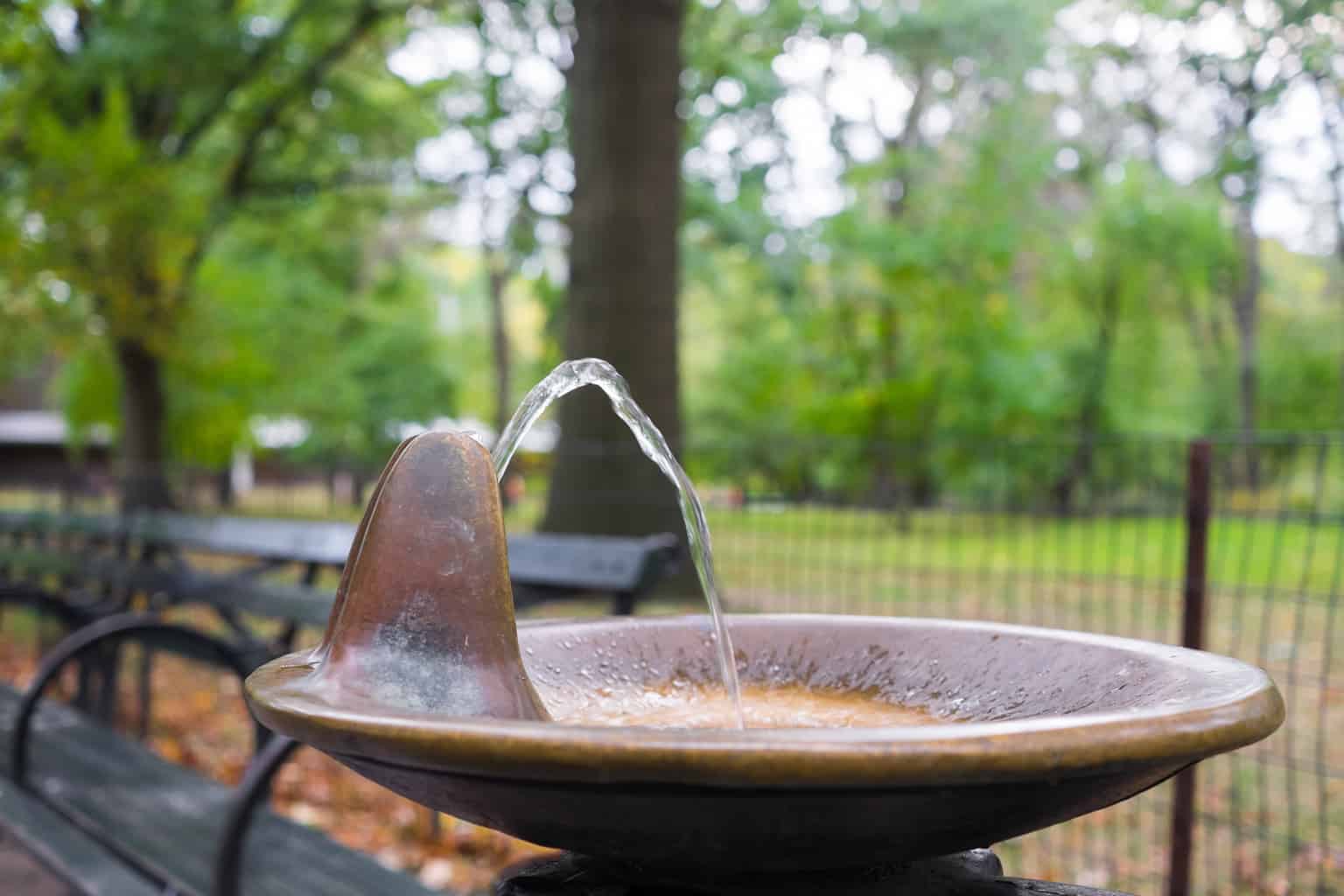
While public drinking fountains are less ubiquitous than in some European cities, they can be found in major parks like Central Park and along some waterfront promenades. Many coffee shops and cafes are also generally happy to refill reusable water bottles, especially if you’re making a purchase. The widespread availability makes carrying a reusable bottle incredibly convenient and beneficial throughout your day of sightseeing or daily errands.
Making Smart Choices: Bottled vs. Tap
Given the exceptional quality and safety of New York City’s tap water, bottled water is almost entirely unnecessary for general consumption. The primary reasons for choosing bottled water might be personal preference for a specific taste, or in very rare circumstances, if an individual has a severely compromised immune system and requires sterile water (though even then, tap water is typically sufficient after boiling or filtering). For the vast majority of people, NYC tap water offers superior convenience, cost-effectiveness, and environmental responsibility.
Travelers focused on sustainable tourism or budget-conscious trips will find tap water to be an invaluable asset. It eliminates the need to constantly search for bottled water, reduces plastic waste that could end up in landfills or oceans, and allows you to allocate your travel budget to more enriching cultural experiences or culinary adventures in the city.

Staying Hydrated While Exploring NYC’s Landmarks
Exploring the bustling streets and iconic landmarks of New York City requires energy and, crucially, consistent hydration. Whether you’re spending hours marveling at the art in the Metropolitan Museum of Art, taking a ferry to the Statue of Liberty and Ellis Island, or walking through the vibrant neighborhoods of Greenwich Village, having easy access to water is key. Carrying a reusable water bottle that you can fill with NYC’s award-winning tap water allows you to stay refreshed without constantly searching for stores or contributing to plastic waste.
This practical approach to hydration integrates seamlessly with the overall experience of traveling. By making smart choices about your water consumption, you not only ensure your well-being but also actively participate in promoting a more sustainable and enjoyable visit to one of the world’s greatest cities. New York City encourages both its residents and visitors to embrace its high-quality tap water, making it an essential part of the modern urban lifestyle and a smart travel tip for anyone exploring the dynamic metropolis.
In conclusion, the answer to “Is New York City tap water safe to drink?” is unequivocally yes. From its protected upstate reservoirs to the rigorous testing and treatment processes, NYC’s water supply is a model of excellence. For both residents and the millions of tourists who flock to the Big Apple each year, enjoying this high-quality, readily available resource is not just a matter of safety, but also a smart choice for the environment and your wallet. So, next time you’re in New York City, confidently fill up your glass or reusable bottle and savor one of the city’s best-kept secrets – its remarkably safe and delicious tap water.
LifeOutOfTheBox is a participant in the Amazon Services LLC Associates Program, an affiliate advertising program designed to provide a means for sites to earn advertising fees by advertising and linking to Amazon.com. Amazon, the Amazon logo, AmazonSupply, and the AmazonSupply logo are trademarks of Amazon.com, Inc. or its affiliates. As an Amazon Associate we earn affiliate commissions from qualifying purchases.