
New York State is a land of unparalleled diversity, from the iconic skyscrapers of New York City to the serene landscapes of the Adirondacks and the picturesque vineyards of the Finger Lakes. For travelers exploring its vibrant cities, charming towns, and natural wonders, understanding the local economic landscape can significantly enhance their experience. While visitors often focus on attractions, hotels, and culinary delights, the minimum wage plays a foundational role in the overall economy, impacting everything from the cost of your morning coffee to the salary of the friendly face greeting you at your resort. This article delves into New York State’s minimum wage, exploring its nuances and how it intertwines with the state’s thriving tourism and hospitality sectors, ultimately offering insights for both budget-conscious adventurers and those seeking a deeper understanding of the destinations they visit. By understanding the economic fabric, travelers can make more informed decisions, appreciate the services they receive, and perhaps even consider temporary work opportunities during longer stays.
Understanding New York State’s Minimum Wage Landscape
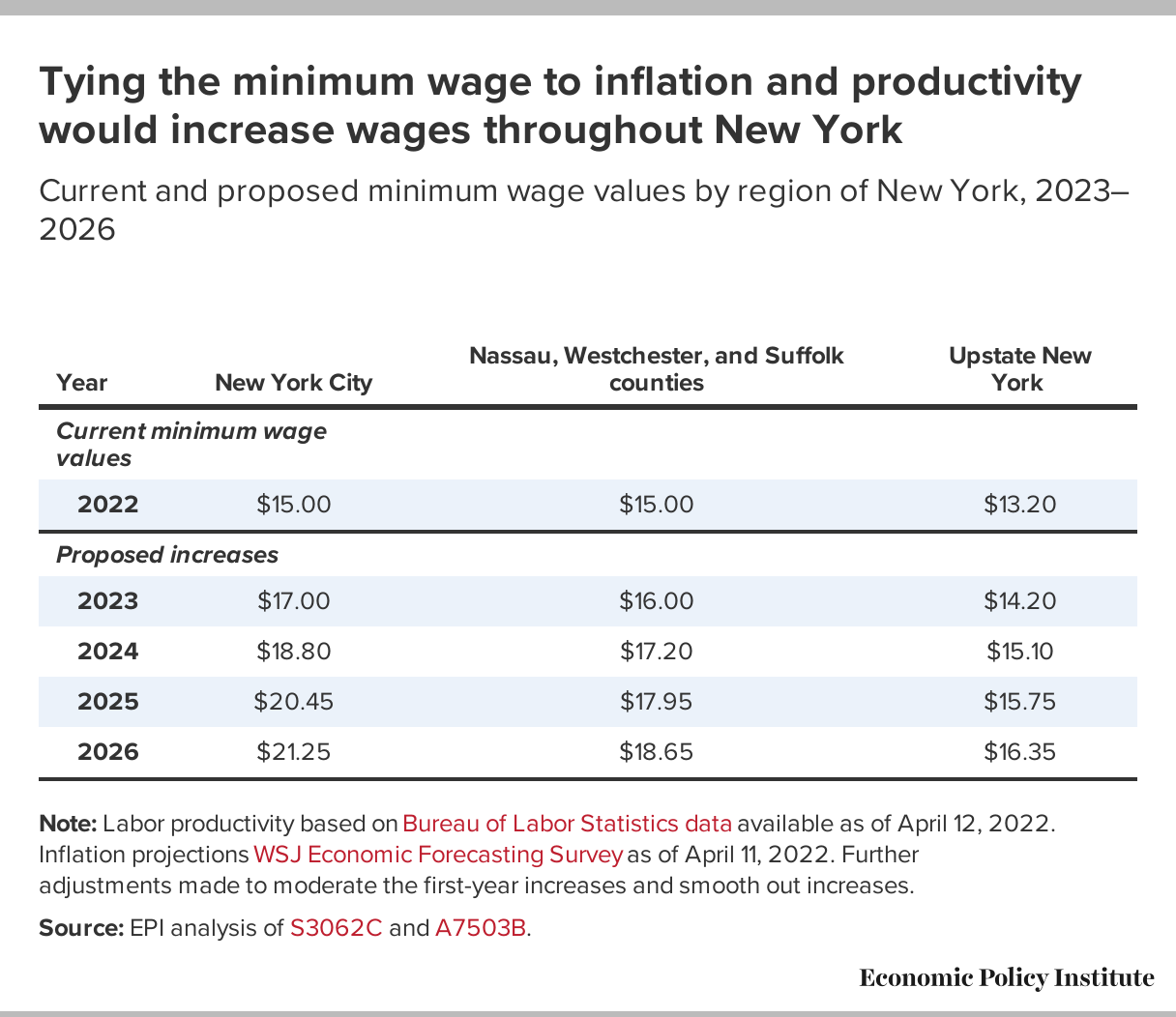
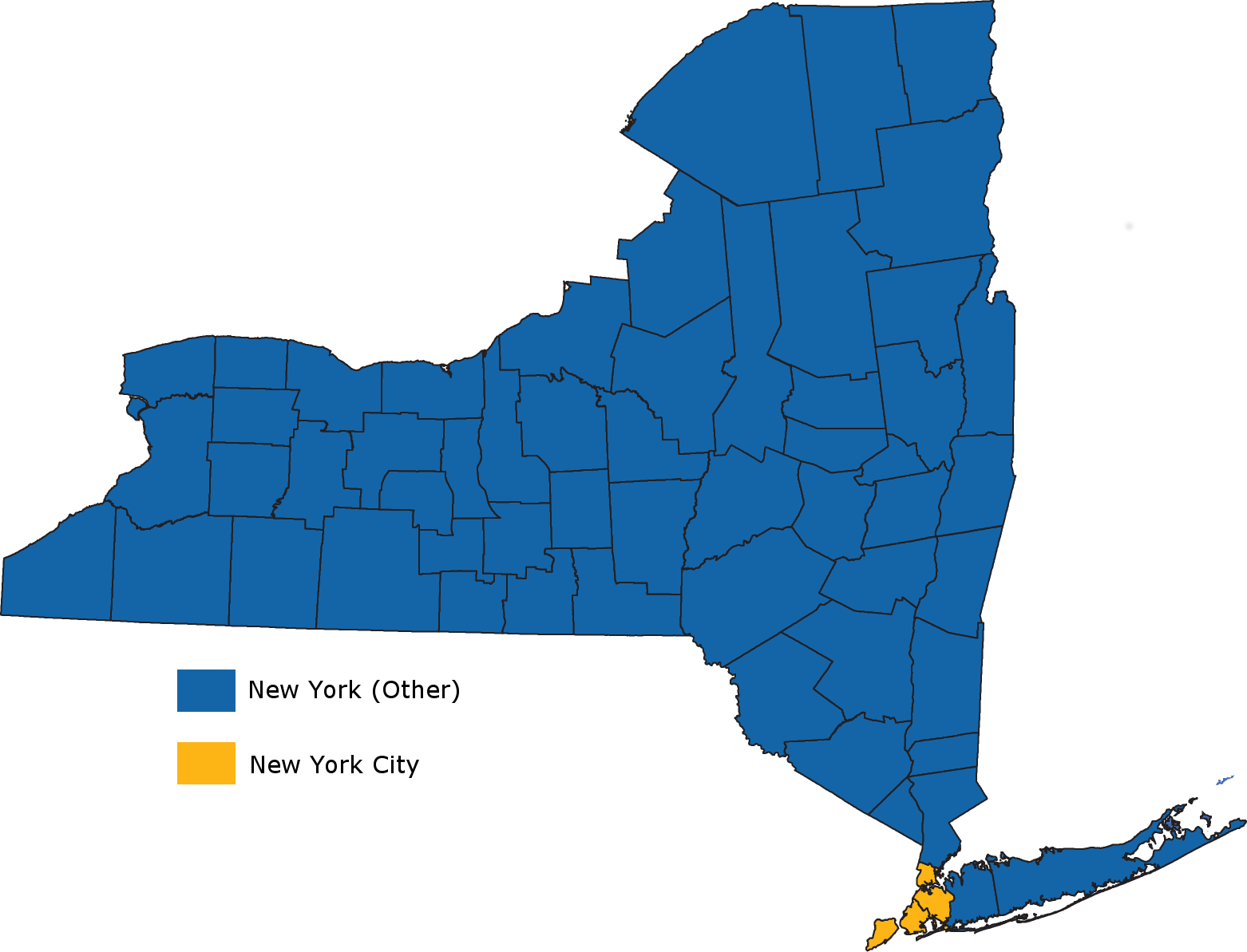
The minimum wage in New York State is not a static figure across all regions; it reflects the varying cost of living and economic conditions throughout this diverse state. This regional differentiation is a key aspect for anyone looking to travel, work, or live in New York, as it directly influences daily expenses and the overall economic environment. For instance, the cost of a meal, a night’s stay in a hotel, or even public transport can be significantly different between the bustling metropolis of New York City and a quiet town in Upstate New York. Understanding these distinctions is crucial for planning any trip, whether it’s a luxury getaway to Manhattan or an adventure exploring the historical sites of Albany. The state continually reviews and adjusts these rates to ensure they keep pace with inflation and the evolving economic demands on its workforce, particularly those in the service industries that are the backbone of its tourism economy.
The Current Minimum Wage in New York State
As of January 1, 2024, New York State implemented its latest minimum wage increases, continuing a multi-year plan to raise wages across different regions. For New York City, and the counties of Nassau, Suffolk, and Westchester, the minimum wage is set at $16.00 per hour. This higher rate reflects the significantly elevated cost of living in these metropolitan and suburban areas, where housing, transportation, and daily goods and services command premium prices. For all other counties across the rest of the state, including regions like the Hudson Valley, the Finger Lakes, and western New York cities such as Buffalo and Rochester, the minimum wage is $15.00 per hour. This tiered system acknowledges the economic disparities between the state’s urban centers and its more rural or less densely populated areas.
Furthermore, New York State has outlined a plan for future increases, with the minimum wage for New York City, Long Island, and Westchester counties set to rise to $16.50 on January 1, 2025, and then adjust annually based on the Consumer Price Index for Urban Wage Earners and Clerical Workers (CPI-W) from 2027 onwards. The minimum wage for the remainder of the state will likewise increase to $15.50 on January 1, 2025, with similar CPI-W adjustments taking effect from 2027. These planned increases provide predictability for both businesses and employees, aiming to ensure that wages keep pace with economic changes. Special rules also apply to tipped employees, farmworkers, and certain other specific categories of workers, often involving a combination of a lower base wage and expected tips to reach or exceed the minimum wage threshold. For travelers, these rates offer a baseline understanding of the economic environment, especially when considering budgeting for services or engaging with the local workforce.
A Brief History and Purpose
The concept of a minimum wage in the United States dates back to the early 20th century, emerging from progressive social movements and the recognition of the need for a basic living standard. In New York State, the journey to establishing and regularly adjusting minimum wage laws has been driven by a dual purpose: to reduce poverty and to stimulate the economy by ensuring workers have sufficient purchasing power. Historically, minimum wage legislation aimed to create a safety net, preventing exploitation and ensuring that even entry-level or less-skilled jobs could provide a measure of financial stability. Over the decades, New York has been a leader in implementing and raising minimum wages, often ahead of federal mandates.
The evolution of New York’s minimum wage reflects broader economic shifts and a continuous debate over balancing business costs with worker welfare. Early wage laws were often industry-specific, before evolving into more comprehensive, statewide mandates. The significant increases seen in recent years, particularly the push towards a $15 minimum wage, were the result of extensive advocacy by labor groups and policy makers, arguing that a higher wage is essential for workers to afford basic necessities in an increasingly expensive state. This move was not just about social justice; proponents also argue that a fair minimum wage can boost local economies. When low-wage workers have more disposable income, they are more likely to spend it locally on goods and services, supporting small businesses, restaurants, and other local enterprises that are crucial to the vibrancy of tourist destinations. Thus, the minimum wage acts as a critical lever in promoting both economic equity and overall prosperity, directly impacting the well-being of the communities that welcome millions of tourists annually.
The Minimum Wage and New York’s Vibrant Tourism and Hospitality Sector
New York State’s tourism and hospitality sector is a colossal engine for the state’s economy, encompassing everything from world-class hotels and fine dining restaurants to iconic landmarks and captivating cultural attractions. This sector is also one of the largest employers of minimum wage workers, making the state’s wage policies particularly impactful. The wages earned by front-desk staff, housekeeping, servers, kitchen staff, tour guides, and attraction attendants directly influence their quality of life and, by extension, the quality of service provided to visitors. For a state that prides itself on exceptional guest experiences, ensuring fair compensation for these essential workers is paramount. The interplay between minimum wage policies and the hospitality industry is a delicate balance, affecting everything from operational costs for businesses to the morale and retention of staff, all of which ultimately shape a traveler’s journey through New York.
Impact on Businesses: Hotels, Restaurants, and Attractions
The current minimum wage rates in New York State have a profound and direct impact on businesses within the hospitality and tourism sector. For hotels, restaurants, and tourist attractions – especially those operating in high-cost areas like New York City – labor costs represent a significant portion of their operational budget. A higher minimum wage means increased payroll expenses, which businesses must absorb or pass on. Some businesses may respond by adjusting their pricing structures, leading to slightly higher room rates, menu prices, or admission fees for consumers. While this might seem like a direct increase in travel costs, it’s often a necessary adjustment to maintain sustainable operations and attract quality employees in a competitive labor market.
However, the impact isn’t solely about increased costs. Fair wages can lead to several positive outcomes. Employees earning a living wage tend to be more motivated, productive, and loyal, reducing staff turnover and the associated costs of recruitment and training. This translates directly into better service for travelers, as experienced and content staff are more likely to provide exceptional guest experiences. Consider a concierge who feels valued, a server who is engaged, or a tour guide who genuinely enjoys their work – their positive attitude can significantly enhance a visitor’s impression of a destination. Furthermore, businesses that prioritize fair compensation often foster a stronger reputation, attracting both quality employees and socially conscious consumers. While the initial adjustment to higher wages can be challenging for some establishments, especially smaller ones, the long-term benefits of a more stable, skilled, and motivated workforce contribute to a stronger, more vibrant tourism ecosystem across New York.
Employment Opportunities for Seasonal and Travel Workers
For individuals considering a working holiday or seasonal employment in New York State, understanding the minimum wage is particularly relevant. The state’s diverse tourism sector offers a plethora of temporary roles, especially during peak seasons. From summer resorts in the Hamptons or the Adirondacks to ski lodges in Upstate New York and year-round hospitality jobs in major cities, there are numerous opportunities for those looking to combine travel with work. Common roles include front desk associates, housekeeping staff, servers, bartenders, event coordinators, retail associates at attractions, and even outdoor activity guides.
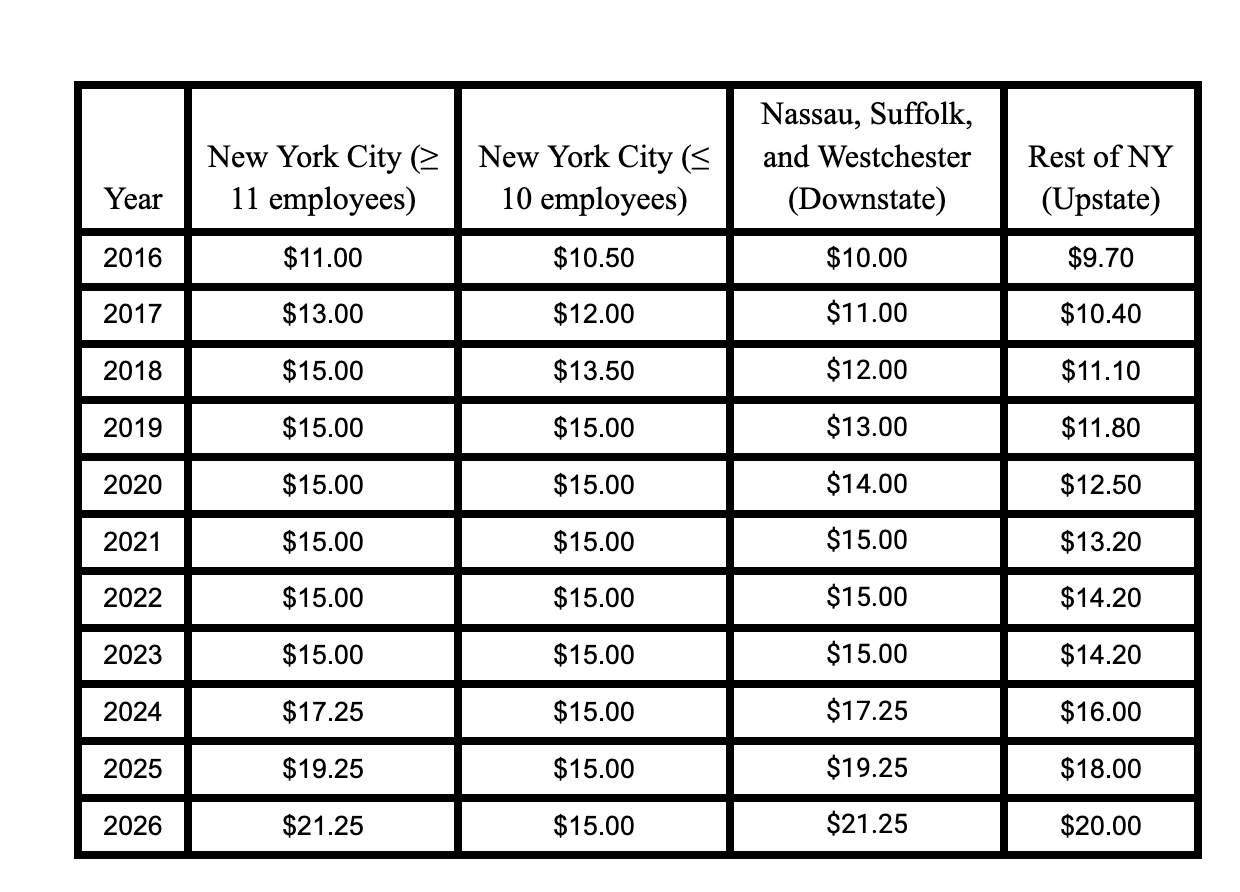
The minimum wage, particularly in regions like New York City, can be attractive for travelers from areas with lower wage structures, potentially making a temporary stint in New York a financially viable option for funding further travels or gaining international work experience. However, it’s crucial for prospective workers to balance the wage against the local cost of living. While a $16.00/hour wage might sound substantial, especially for younger travelers, the cost of accommodation, food, and transportation in metropolitan areas can quickly erode earnings. Many seasonal jobs might offer staff housing or other benefits, which can significantly offset living expenses. For those exploring New York on a longer-term basis, perhaps on a working visa or during a gap year, these employment opportunities provide not only a means to support their travel but also a unique way to immerse themselves in local culture and gain firsthand experience of the state’s dynamic economy and diverse communities.
Navigating New York as a Traveler: Budgeting and Lifestyle Considerations
Traveling through New York State offers an incredible array of experiences, from luxury excursions to budget-friendly adventures. However, regardless of your chosen travel style, understanding the state’s economic nuances, particularly its minimum wage structure, can profoundly impact your financial planning and overall lifestyle during your trip. The cost of living for residents directly translates into the cost of services, goods, and experiences for visitors. From the price of a simple meal to the expected gratuity for a tour guide, these factors are subtly influenced by the wages earned by the local workforce. By being aware of these economic underpinnings, travelers can more effectively budget, appreciate the value of services, and navigate the state with a more informed perspective.
Budgeting for Your Trip: How Local Wages Influence Prices
When planning a trip to New York, your budget will be heavily influenced by the local cost of living, which in turn is directly affected by the minimum wage. In New York City and its surrounding affluent suburbs, where the minimum wage is higher, you can expect higher prices for almost everything. This includes the obvious, like hotel room rates, but also extends to dining out, transportation (taxis, ride-shares), and even basic necessities like groceries or a cup of coffee. Service-based businesses, which comprise a large part of the tourism sector, factor in labor costs when setting their prices. Thus, a higher minimum wage often translates into higher operational costs that are then reflected in consumer prices.
For budget travelers, this means careful planning is essential. While New York City offers countless free attractions (like walking Central Park or traversing the Brooklyn Bridge), daily expenses can accumulate quickly. Conversely, traveling to regions with a lower minimum wage, such as Upstate New York or the Finger Lakes region, often presents more affordable options for accommodation, dining, and activities. Consider utilizing public transport, exploring free museums on specific days, or opting for street food and casual eateries over high-end restaurants to manage costs. Understanding this direct correlation between local wages and consumer prices allows travelers to strategize their spending and allocate their budget wisely across different regions of New York State, ensuring a fulfilling trip without unexpected financial strain.
Tipping Culture and Fair Compensation
Understanding New York State’s tipping culture, especially in relation to the minimum wage, is crucial for travelers to ensure fair compensation for service providers. In the United States, tipping is an ingrained part of the service industry, designed to supplement the wages of workers who often earn a lower “tipped minimum wage” than the standard minimum. While New York has made strides towards increasing the base wage for tipped workers, the expectation of gratuity remains strong and is a significant part of many service employees’ income.
For most service professions, such as restaurant servers, bartenders, hotel staff (bellhops, housekeepers), and tour guides, a tip of 15-20% of the total bill is generally expected for good service. In high-end establishments or for exceptional service, 20% or more is common. For smaller services, like coffee shop baristas or quick-service food counters, rounding up or leaving a dollar or two in a tip jar is customary. It’s important to remember that these tips are not merely a bonus; they form a substantial part of the service provider’s take-home pay, allowing them to afford the high cost of living in many parts of New York. Travelers should factor tipping into their budget, as neglecting to tip can be considered rude and directly impacts the livelihoods of the workers who strive to make their travel experience enjoyable. Being mindful of these practices not only ensures you are respecting local customs but also contributes to the well-being of the individuals who are the backbone of New York’s renowned hospitality.
The Broader Economic Picture: Tourism, Minimum Wage, and Local Well-being
The minimum wage in New York State isn’t just a number on a paycheck; it’s a vital component of the state’s economic health and a key factor in the overall well-being of its residents. For the tourism sector, which relies heavily on local communities for its workforce and local businesses for its infrastructure, the economic stability fostered by fair wages is indispensable. A strong local economy, fueled by equitable compensation, creates a more vibrant, safer, and appealing environment for both residents and visitors. When workers can afford to live comfortably, they contribute more to their communities, support local businesses, and are more likely to stay in their jobs, leading to a more experienced and welcoming service industry. Thus, the minimum wage becomes intertwined with the long-term sustainability and attractiveness of New York as a premier travel destination.
Strengthening Local Economies Through Fair Wages
The impact of a fair minimum wage extends far beyond individual paychecks; it serves as a powerful engine for strengthening local economies across New York State. When low-wage workers earn more, they have increased disposable income, which they typically spend on essential goods and services within their local communities. This surge in consumer spending creates a ripple effect: local restaurants see more diners, small retail shops experience increased sales, and service providers find more clients. This economic activity helps local businesses thrive, leading to job creation and further investment in the community. For example, a higher minimum wage for workers in Buffalo or Syracuse means more money circulating in those cities, supporting local entrepreneurs and fostering a more robust economic base.
From a tourism perspective, a strong local economy is invaluable. Thriving local businesses, diverse culinary scenes, and well-maintained public spaces contribute significantly to the appeal of a destination. When communities are economically stable, they can invest more in infrastructure, cultural programs, and public safety – all elements that enhance a visitor’s experience. Additionally, a robust local economy fosters a sense of pride and well-being among residents, which translates into a more welcoming and authentic environment for travelers. In essence, by ensuring fair wages, New York State not only improves the lives of its citizens but also cultivates a more attractive, dynamic, and sustainable environment for its burgeoning tourism industry.
A Sustainable Future for New York Tourism
The pursuit of a fair minimum wage is integral to fostering a sustainable future for tourism in New York State. Sustainable tourism is not merely about environmental preservation; it also encompasses social and economic equity, ensuring that the benefits of tourism are shared broadly and that local communities thrive alongside the industry. When hospitality workers, from those cleaning hotel rooms in Times Square to those serving meals in the Finger Lakes, earn a living wage, it contributes directly to their financial stability and quality of life. This, in turn, reduces employee turnover, fosters a more experienced and professional workforce, and elevates the overall quality of service provided to visitors.
By prioritizing fair labor practices, New York positions itself as a responsible tourism destination. This commitment resonates with an increasing number of travelers who seek out ethical and socially conscious travel experiences. A state where workers are treated fairly is perceived as more welcoming and authentic, enhancing its appeal beyond just its natural beauty and iconic landmarks. Furthermore, the economic stability provided by a robust minimum wage helps to diversify local economies, making them less solely reliant on tourism and more resilient to economic fluctuations. This balance ensures that tourism grows in a way that benefits everyone – residents, businesses, and visitors alike – securing New York State’s reputation as a premier destination for generations to come, where unforgettable experiences are built on a foundation of fairness and shared prosperity.
The minimum wage in New York State is more than just a regulatory figure; it’s a dynamic force shaping the economic health and social fabric of one of the United States’ most visited states. From the bustling streets of New York City to the tranquil retreats of Upstate New York, the tiered wage structure reflects and influences the cost of living, the vitality of the hospitality sector, and the overall experience for millions of travelers each year. Understanding these wages provides valuable insight for budgeting your trip, appreciating the services you receive, and recognizing the broader economic landscape that supports New York’s vibrant tourism industry. As New York continues to adjust its minimum wage, it reaffirms its commitment to economic equity, which ultimately contributes to a more sustainable, welcoming, and enriching destination for all who choose to explore its wonders.
LifeOutOfTheBox is a participant in the Amazon Services LLC Associates Program, an affiliate advertising program designed to provide a means for sites to earn advertising fees by advertising and linking to Amazon.com. Amazon, the Amazon logo, AmazonSupply, and the AmazonSupply logo are trademarks of Amazon.com, Inc. or its affiliates. As an Amazon Associate we earn affiliate commissions from qualifying purchases.