
New York City is more than just a sprawling metropolis; it’s a vibrant tapestry woven from the lives of millions. The question “What is population in New York City?” transcends a mere numerical answer. It delves into the very essence of what makes this iconic destination a global powerhouse of culture, commerce, and human experience. For any traveler, understanding the city’s demographic landscape is key to appreciating its unique charm, navigating its bustling streets, and immersing oneself in its unparalleled energy. From the rhythms of daily life that shape its landmarks to the demand for diverse accommodation options, the population is the pulsating heart of the Big Apple.

Understanding New York City’s Demographic Landscape
At its core, understanding New York City’s population means grasping both its immense scale and its profound diversity. It’s a city of superlatives, and its demographic profile is no exception, influencing everything from the tourism industry to the daily lifestyle of its residents.
The Sheer Scale: Numbers and Density
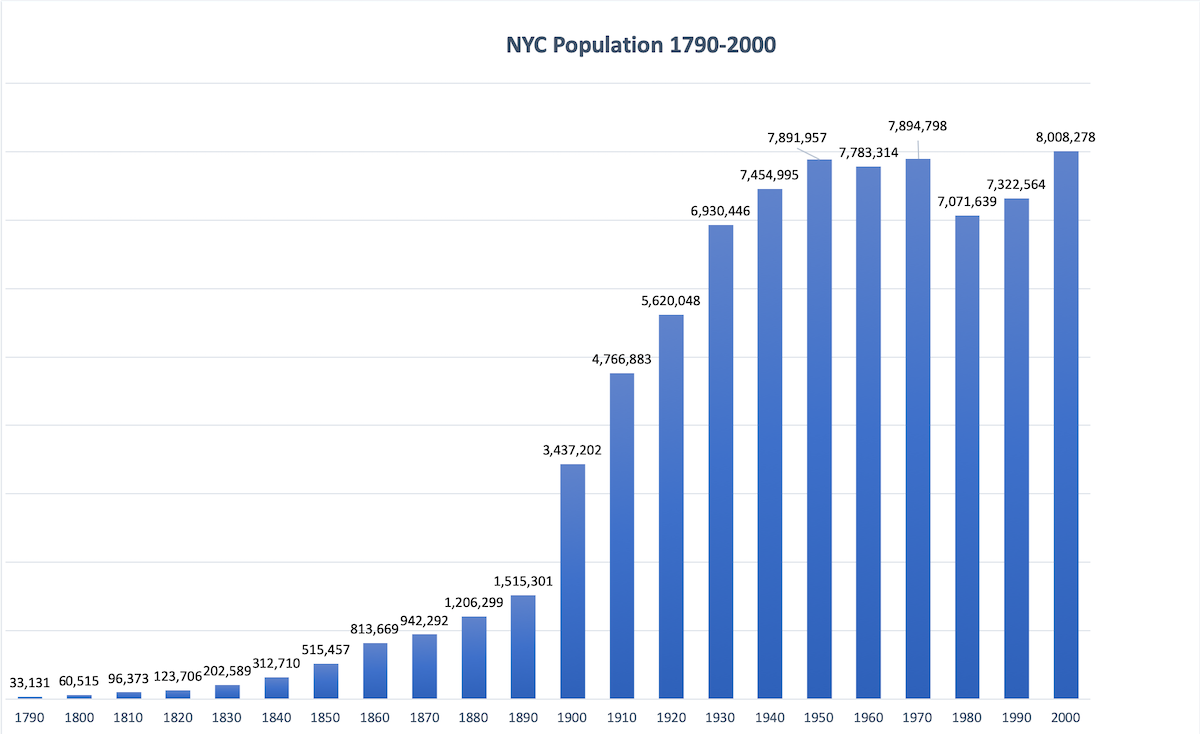
As of recent estimates, the population of New York City hovers around 8.5 to 8.8 million residents, making it the most populous city in the United States. This figure, while impressive on its own, truly comes to life when one considers the city’s relatively compact geographical footprint. This translates into an astonishing population density, particularly in boroughs like Manhattan. Imagine millions of lives converging within a relatively small area, all contributing to the city’s famous hustle and bustle. This density is a defining characteristic, shaping everything from its towering skyscrapers to its intricate public transportation system.
Historically, New York City’s population has seen continuous growth, punctuated by waves of immigration that have consistently reshaped its demographic fabric. In the early 20th century, the arrival of millions through Ellis Island established the city as a major gateway to America. Today, while the sources of immigration have diversified, the influx of people seeking opportunity and a new beginning continues, further swelling the ranks and enriching the cultural mosaic. This constant influx means that the city is always evolving, a living entity that reflects global demographic shifts in real-time.
A Mosaic of Cultures: Diversity as a Defining Feature
Perhaps even more remarkable than its sheer numbers is the unparalleled diversity of New York City’s population. It is often referred to as a “melting pot” or, more accurately, a “salad bowl,” where distinct cultures coexist, enrich each other, and retain their unique flavors. More than 800 languages are spoken in the city, making it the most linguistically diverse city in the world. This incredible statistic paints a vivid picture of the global community that calls New York City home.
The five boroughs—Manhattan, Brooklyn, Queens, The Bronx, and Staten Island—each possess distinct demographic characteristics and cultural identities. Queens, for instance, is celebrated as one of the most ethnically diverse urban areas globally, with vibrant neighborhoods like Jackson Heights and Flushing offering an authentic taste of cultures from across Asia, Latin America, and beyond. Brooklyn boasts a rich history of immigrant communities, from its historically Jewish enclaves to its thriving Caribbean and African-American populations. Manhattan, while a global financial and cultural hub, also contains pockets of incredible diversity, such as Chinatown and Little Italy.
This demographic richness is not just a statistic; it’s a lived reality that profoundly impacts the city’s character. It fuels the incredible culinary scene, with authentic restaurants representing virtually every corner of the globe. It inspires the arts, from music and theater to visual arts and literature. It creates a dynamic social fabric where different perspectives and traditions constantly interact, learn from each other, and evolve. For visitors, this means an endless array of authentic cultural experiences just waiting to be discovered.
Population Dynamics and Their Impact on Tourism
The sheer scale and diversity of New York City’s population are inextricably linked to its status as a premier global travel destination. The constant movement of people, both residents and visitors, creates a unique ecosystem that thrives on interaction, discovery, and constant renewal.
Attracting the World: How NYC’s Population Drives Tourism
The vibrant and diverse population of New York City is itself a major draw for tourism. Visitors come not just to see the landmarks, but to experience the energy generated by millions of lives converging. This human element contributes to the city’s magnetic appeal. The presence of so many different cultures means that visitors can find a piece of home or discover an entirely new world within the city limits. This cultural wealth translates into unique attractions and activities that cater to a wide range of interests, from world-class museums like the Metropolitan Museum of Art and the Museum of Modern Art (MoMA) to neighborhood street festivals celebrating various ethnicities.
The “city that never sleeps” ethos is a direct consequence of its population. There’s always something happening, at any hour, in some corner of the city, driven by the diverse work schedules, social lives, and cultural practices of its residents. This makes New York City an ideal destination for those seeking continuous engagement and dynamic experiences. Whether it’s a late-night show in Broadway, a 24-hour deli experience, or an early morning stroll through a bustling market, the city’s pulse is always strong.
Furthermore, the economic engine of the city, powered by its vast population, creates a dynamic environment for innovation, fashion, finance, and arts. This attracts not only leisure travelers but also business travelers seeking opportunities, conferences, and networking. The city’s status as a global hub for virtually every industry means a constant flow of professionals, further contributing to its diverse temporary population of visitors.
Navigating Accommodation: Meeting the Demands of Visitors and Residents
The immense population, coupled with millions of annual tourists, creates a unique dynamic in the accommodation sector. The demand for places to stay—both short-term for visitors and long-term for residents—is incredibly high, leading to a vibrant yet competitive market.
For tourists, New York City offers an unparalleled array of hotels, from luxurious 5-star resorts like The St. Regis New York or the Plaza Hotel to more budget-friendly suites and boutique options. The high density means that many hotels are vertical, offering stunning views of the urban landscape. The constant influx of people means that booking in advance, especially during peak seasons, is almost always recommended. Services like booking platforms and comparison sites become invaluable tools for securing the best rates and locations.
Beyond traditional hotels, the city also provides a growing market for apartments and villas available for short-term rental, catering to families, groups, or those seeking a more local experience. This trend blurs the lines between tourism and residential living, allowing visitors to temporarily immerse themselves in a neighborhood’s local culture. Reviews and detailed information about amenities become crucial for making informed decisions in such a diverse market.
For residents, the high population density translates into some of the highest real estate prices in the world. This impacts the overall lifestyle within the city, leading to unique housing solutions, a strong rental market, and a constant search for innovative urban living spaces. Understanding this underlying residential demand helps visitors appreciate the value and often compact nature of their accommodation choices.
Lifestyle, Landmarks, and the Human Element
The people of New York City are not just a number; they are the heart and soul of its lifestyle and the very fabric of its most iconic landmarks.
The Rhythms of Urban Life: What it Means to Live in NYC
The lifestyle in New York City is dictated by its population—fast-paced, demanding, yet incredibly rewarding. Residents are accustomed to a rhythm that is unique to this metropolis: efficient public transportation, a walk-centric culture, and access to virtually anything imaginable at any hour. This shapes everything from food habits, with an abundance of diverse eateries catering to all schedules and budgets, to leisure pursuits, from world-class performances to impromptu street art.
For visitors, experiencing this urban rhythm is an attraction in itself. Whether it’s the morning rush hour on the subway, the vibrant lunch crowd in Midtown, or the late-night buzz of Greenwich Village, the human element is ever-present and captivating. This creates distinct opportunities for different types of travelers:
- Luxury Travel: Indulging in high-end dining, exclusive shopping on Fifth Avenue, and staying in opulent hotels with personalized services.
- Budget Travel: Exploring free attractions like Central Park and the Staten Island Ferry, enjoying delicious street food, and opting for more affordable accommodation options.
- Family Trips: Visiting children’s museums, enjoying Broadway shows suitable for all ages, and picnicking in the city’s numerous parks.
- Business Stays: Leveraging the city’s extensive network of conference centers, coworking spaces, and executive hotels while enjoying the efficiency of its infrastructure.
The city’s population drives the diversity of these lifestyle offerings, ensuring that there’s truly something for everyone, regardless of their travel style or budget.
Iconic Landmarks Shaped by Its People
New York City’s most famous landmarks are not just architectural marvels; they are monuments to the lives and aspirations of its people. The Statue of Liberty, for example, stands as a global symbol of hope and freedom, a beacon that welcomed millions of immigrants to America’s shores, profoundly shaping the city’s population. Ellis Island, just next to it, served as the gateway for more than 12 million immigrants, whose descendants now form a significant portion of the nation’s population, with many residing in New York City itself.
Central Park, an urban oasis designed in the 19th century, was created to provide solace and recreation for the city’s rapidly growing population. Today, it remains a beloved retreat for millions of residents and tourists alike, a living testament to the ongoing interaction between nature and urban life. Similarly, the Brooklyn Bridge, an engineering marvel of its time, not only connected two burgeoning boroughs but also symbolized the city’s ambition and the collective effort of its diverse workforce.
The towering Empire State Building and One World Trade Center are not just structures; they represent human ingenuity, resilience, and the relentless drive to build upwards in a densely populated urban environment. These landmarks are constantly abuzz with people—tourists gazing at cityscapes, business professionals heading to work, and locals simply passing by. Their significance is amplified by the millions who interact with them daily, each adding their story to the city’s narrative. From the historic significance of Wall Street to the artistic vibrancy of Times Square, the human footprint is indelible.

Planning Your NYC Experience: Acknowledging the Crowds
Embracing the reality of New York City’s population is essential for a rewarding travel experience. The crowds are not a hindrance but an integral part of the city’s charm and energy. For visitors, a few tips can help navigate this bustling environment:
- Embrace Public Transportation: The subway system is incredibly efficient and heavily utilized by residents. It’s often the quickest way to get around and offers a true glimpse into daily NYC life.
- Explore Beyond Tourist Hotspots: While Times Square and the Statue of Liberty are must-sees, venturing into residential neighborhoods like Greenwich Village, the Lower East Side, or parts of Brooklyn and Queens offers a more authentic taste of local life and culture.
- Book in Advance: Whether it’s hotels, popular restaurant reservations, or Broadway show tickets, planning ahead is key to avoiding disappointment, especially given the constant demand generated by millions of people.
- Allow for Extra Time: Distances can be deceptive, and navigating busy streets or subway stations can take longer than expected. Building buffer time into your itinerary will reduce stress.
- Enjoy the Diversity: Engage with the city’s incredible food scene, visit cultural institutions, and attend local events to fully appreciate the unique mosaic that is New York City.
In conclusion, “What is population in New York City?” is a question that opens the door to understanding the city’s very soul. It’s the millions of individuals who call it home, their diverse backgrounds, their daily routines, and their collective aspirations that create the unparalleled energy, cultural richness, and iconic landscape that define New York City. For anyone planning a visit, appreciating this human element is not just a statistical exercise; it’s the beginning of a truly unforgettable experience in one of the world’s most dynamic and beloved destinations.
LifeOutOfTheBox is a participant in the Amazon Services LLC Associates Program, an affiliate advertising program designed to provide a means for sites to earn advertising fees by advertising and linking to Amazon.com. Amazon, the Amazon logo, AmazonSupply, and the AmazonSupply logo are trademarks of Amazon.com, Inc. or its affiliates. As an Amazon Associate we earn affiliate commissions from qualifying purchases.