
When planning a trip to the bustling metropolis of New York City or the serene landscapes of Upstate New York, the question “What is the area code of New York?” might seem like a simple, logistical query. While a direct answer is straightforward, delving into the various area codes of this iconic state unveils a fascinating layer of its geographical and demographic tapestry. For travelers, understanding these digits can be surprisingly useful, whether you’re trying to reach a local restaurant for a reservation, book a hotel, or simply connect with a tour operator.

New York, a state renowned for its diverse offerings – from world-class urban attractions and historical landmarks to breathtaking natural wonders and charming rural communities – is served by a multitude of area codes. This isn’t just one code for the entire state, nor even a single one for New York City. Instead, an intricate system of codes distinguishes different regions, reflecting the state’s vastness and population density. These numerical prefixes, initially introduced to facilitate long-distance dialing, have evolved with technology and population growth, leading to various overlays where multiple area codes serve the same geographic region.
For those venturing into the vibrant energy of Manhattan, the classic 212 area code often comes to mind, carrying a certain prestige and historical weight. However, as demand for phone numbers grew, 646 and 917 (which also serves the other boroughs and Long Island) were introduced as overlays. More recently, 332 has joined the ranks in Manhattan. Outside of Manhattan, the other boroughs – Brooklyn, Queens, Bronx, and Staten Island – primarily use 718, with 347 and 929 serving as overlays. This means that if you’re making a reservation at a charming Brooklyn boutique hotel or calling a theater in the Bronx, you’ll likely encounter numbers starting with one of these codes.
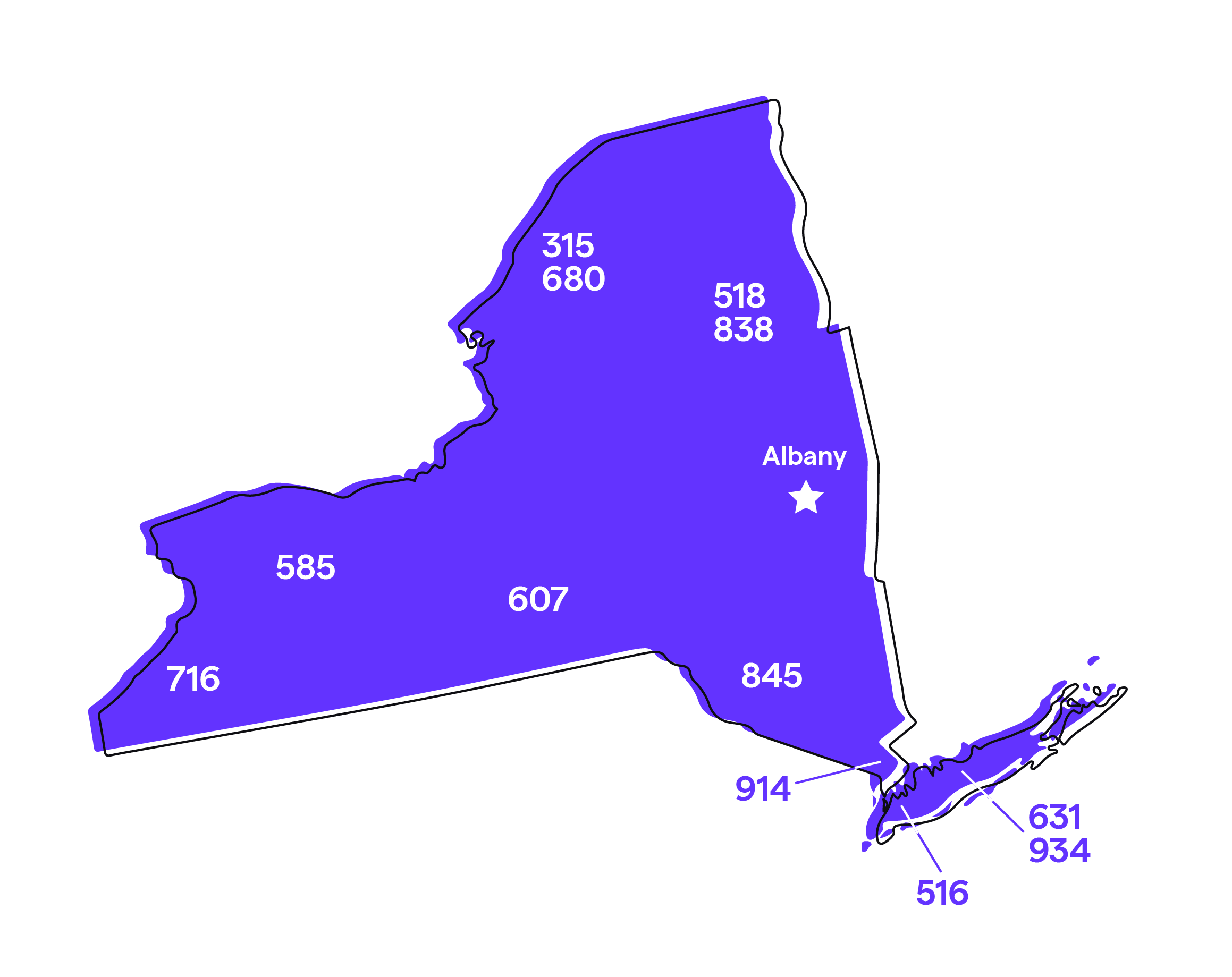
Beyond the urban sprawl, Upstate New York presents a different numerical landscape. The capital region around Albany uses 518 (with 838 as an overlay), while Western New York, encompassing cities like Buffalo, is served by 716 (and overlay 620). Further east, Rochester and its surroundings are associated with 585. Central New York, including Syracuse and the surrounding areas, is covered by 315 (with 680 as an overlay). The scenic Hudson Valley typically uses 845, and the Southern Tier, including the Finger Lakes region, is primarily 607. Finally, Long Island, a distinct geographical and cultural entity, is served by 631 and 934.
This mosaic of area codes underscores not just the logistical complexities of telecommunications but also the sheer scale and diversity of New York as a destination. For any traveler, whether you’re a first-time visitor or a seasoned explorer, this initial understanding sets the stage for a journey that promises to be as varied as its telephone prefixes.
Navigating New York’s Diverse Telephone Landscape
Understanding the area codes of New York is more than just a trivial pursuit; it’s a practical aspect of connecting with local services, businesses, and attractions. Imagine trying to book a table at a sought-after restaurant in Greenwich Village or inquiring about tickets for a Broadway show, only to be confused by the unexpected area code. While most modern smartphones automatically recognize local calls, travelers relying on international roaming or seeking to understand the local identity of a phone number might find this knowledge invaluable. It offers a subtle hint about the geographic location and can sometimes even inform expectations about local culture and pace, particularly when distinguishing between the fast-paced city and the more relaxed upstate regions.
Area Codes of New York City: A Concrete Jungle of Numbers
New York City, often simply referred to as “the City,” is a global epicenter of finance, fashion, art, and culture. Its density is reflected in its telecommunications infrastructure, which has seen a continuous expansion of area codes to meet the demands of its millions of residents and businesses.
The original and most iconic area code for Manhattan is 212. For many, it’s synonymous with the essence of New York City, a symbol of its historical significance and exclusivity. As the city grew, the demand for new numbers outstripped the capacity of 212, leading to the implementation of overlay codes. 646 was introduced as the first overlay for Manhattan, followed by 332, ensuring a continuous supply of phone numbers within the borough.
For the other four boroughs – Brooklyn, Queens, Bronx, and Staten Island – the primary area code is 718. This code covers a vast and diverse urban landscape, from the vibrant ethnic enclaves of Queens to the historic neighborhoods of Brooklyn. To accommodate the growing population and business activity in these boroughs, 347 and 929 were introduced as overlay codes. The 917 area code is unique in that it functions as an overlay across all five boroughs of New York City, and even extends its reach into parts of Long Island, commonly associated with mobile phone numbers. This intricate system of overlays means that a single geographic area might be served by several area codes, necessitating ten-digit dialing even for local calls within New York City – a detail crucial for any traveler making local inquiries or bookings.
Exploring Upstate New York’s Expansive Codes
While New York City captures much of the global imagination, Upstate New York offers a remarkably different yet equally compelling array of travel experiences. Its area codes reflect the more spread-out nature of its cities, towns, and vast natural landscapes.
The capital region, centered around Albany, uses the 518 area code, with 838 as an overlay. This region is rich in history and offers access to the southern reaches of the Adirondack Mountains. Moving west, the 716 area code serves Western New York, home to Buffalo, famous for its culinary delights and proximity to Niagara Falls. An overlay, 620, has been added to this region.
Further east along Lake Ontario, the city of Rochester and its surrounding areas fall under the 585 area code. Central New York, including Syracuse and the beautiful Finger Lakes region, is primarily covered by 315, with 680 as an overlay. The 607 area code serves the Southern Tier and parts of the Finger Lakes, an area known for its scenic beauty, wineries, and outdoor activities.
The picturesque Hudson Valley, a haven for art, history, and stunning fall foliage, typically uses the 845 area code. Finally, Long Island, extending eastward from New York City with its beautiful beaches and charming towns, is primarily covered by 631 and its overlay 934. Each of these distinct area codes represents a gateway to a unique part of the Empire State, offering a glimpse into the regional identities that make New York such a rich and varied travel destination.
Beyond the Digits: Why New York Beckons Travelers
While knowing New York’s area codes can be a useful piece of information, the real allure of the state lies in its unparalleled travel experiences. New York is more than just a collection of numerical prefixes; it’s a vibrant tapestry woven from iconic landmarks, diverse cultures, world-class entertainment, and breathtaking natural beauty. From the moment you step off the plane, whether at JFK, LaGuardia, or a regional airport, you are immersed in an environment that promises adventure, discovery, and unforgettable memories. For globetrotters and local explorers alike, New York offers a spectrum of activities tailored to every interest and budget.
Iconic Landmarks and Unforgettable Experiences in New York City
New York City is a bucket-list destination for travelers worldwide, a place where dreams are chased, and history is made every day. Its skyline is instantly recognizable, dotted with architectural marvels that tell stories of ambition and innovation. No visit is complete without marveling at the majestic Statue of Liberty, a symbol of freedom and democracy that greets visitors arriving by sea. Ascending to the observation deck of the Empire State Building offers panoramic views that stretch across the five boroughs, providing an awe-inspiring perspective of the urban sprawl.

Times Square, with its dazzling billboards and relentless energy, is an electrifying experience, especially at night. It’s the gateway to Broadway, where world-class theatrical performances captivate audiences nightly. For a moment of tranquility amidst the urban hustle, Central Park offers an expansive green oasis perfect for strolling, picnicking, or simply people-watching.
The city is also a cultural powerhouse, boasting institutions like the Metropolitan Museum of Art, home to millions of works spanning 5,000 years of human creativity. Exploring neighborhoods like Greenwich Village or SoHo reveals unique boutiques, vibrant street art, and diverse culinary scenes. Crossing the majestic Brooklyn Bridge on foot offers stunning views of the Manhattan skyline and leads to Dumbo, a trendy area with cobblestone streets and scenic waterfront parks. Each borough, from the historic charm of Brooklyn to the diverse communities of Queens, offers distinct attractions and experiences, ensuring that every visit to New York City can be uniquely tailored to personal interests.
Discovering the Natural Beauty and Charm of Upstate New York
Beyond the skyscrapers and city lights, Upstate New York unveils a world of natural splendor, historic towns, and serene escapes. This region is a testament to the state’s incredible geographical diversity, offering a stark contrast to the urban landscape.
One of the most spectacular natural wonders in the world, Niagara Falls, is a must-visit. The sheer power and beauty of the falls leave visitors spellbound, with opportunities for boat tours, scenic walks, and exploring the surrounding Niagara Falls State Park. For outdoor enthusiasts, the vast Adirondack Mountains provide an unparalleled playground. This sprawling wilderness offers hiking, camping, skiing, and boating amidst pristine lakes and towering peaks. It’s an ideal destination for those seeking adventure or a peaceful retreat into nature.
The Finger Lakes region, named for its eleven long, slender lakes, is renowned for its burgeoning wine industry, particularly its world-class Rieslings. Travelers can embark on wine trails, visit charming lakeside towns, and enjoy water activities like kayaking and paddleboarding. The area also boasts impressive gorges and waterfalls, such as those found in Watkins Glen State Park.
The Hudson Valley to the north of New York City is a treasure trove of historical estates, farm-to-table dining, and stunning autumnal foliage. It’s a perfect destination for scenic drives, exploring charming small towns, and visiting sites like the Walkway Over the Hudson. Meanwhile, Long Island offers miles of pristine beaches, including the famous Hamptons and historic lighthouses, making it an ideal summer getaway. Whether you’re seeking rugged adventure, tranquil beauty, or cultural exploration, Upstate New York provides a refreshing counterpoint to the city’s energy.
Planning Your Perfect New York Stay: Accommodation and Lifestyle Choices
A crucial aspect of any travel plan is finding the right place to stay, and New York offers an unparalleled range of accommodations to suit every preference, budget, and travel style. From opulent luxury hotels to cozy boutique inns, extended-stay apartments, and budget-friendly hostels, the options are as diverse as the state itself. Understanding these choices and how they align with your desired lifestyle during your trip is key to a memorable New York experience.
From Luxury Suites to Cozy Boutique Hotels: Your Accommodation Guide
In New York City, the hotel scene is legendary. For those seeking the pinnacle of luxury, iconic establishments like The Plaza Hotel, overlooking Central Park, or the elegant St. Regis New York offer five-star service, exquisite dining, and sumptuously appointed suites. These luxury hotels often come with amenities such as spas, fitness centers, concierge services, and fine-dining restaurants, providing an indulgent base for exploring the city. They cater to a lifestyle that prioritizes comfort, elegance, and impeccable service, often attracting business travelers and those on a lavish vacation.
Boutique hotels have also flourished across New York City’s neighborhoods, offering unique design aesthetics, personalized service, and a more intimate atmosphere. These hotels often reflect the character of their surroundings, providing a more authentic and localized experience. Examples can be found in areas like SoHo, the West Village, or Brooklyn, catering to travelers who appreciate style and individuality over grand scale.
For budget-conscious travelers, New York City still offers plenty of options, including well-located chain hotels, hostels, and guesthouses. These accommodations provide a comfortable and clean place to rest without breaking the bank, allowing more funds to be allocated to experiences like Broadway shows or gourmet meals. Long-term stay apartments and vacation rentals are also popular, particularly for families, business travelers, or those planning an extended visit, offering the convenience of a home away from home with kitchens and separate living spaces. When booking, always check reviews and compare prices across different platforms to ensure you find the best value.
Outside of New York City, in regions like the Finger Lakes or the Hudson Valley, accommodation leans more towards charming bed and breakfasts, rustic cabins, lakeside resorts, and cozy inns. These options often provide a more serene and nature-focused experience, ideal for travelers seeking relaxation, outdoor activities, or a romantic escape. Many offer unique local experiences, from farm-to-table breakfasts to wine-tasting tours, immersing guests in the regional culture.
Experiencing New York: Culture, Cuisine, and Practical Tips
Experiencing New York is about more than just seeing the sights; it’s about immersing yourself in its vibrant culture, savoring its world-renowned cuisine, and navigating its unique rhythm. The state’s lifestyle offerings are incredibly diverse, catering to luxury seekers, budget travelers, families, and business professionals alike.
Local Culture: New York is a cultural melting pot. In New York City, beyond the major museums like the Metropolitan Museum of Art or the Museum of Modern Art, explore smaller galleries in Chelsea, catch live jazz in Harlem, or discover indie theater off-Broadway. Upstate New York offers a different cultural flavor with historic sites, Revolutionary War battlefields, and numerous craft breweries and distilleries. Attending a local festival or farmer’s market is a fantastic way to engage with the regional culture.
Food Scene: The culinary landscape of New York is legendary. In New York City, you can find everything from Michelin-starred dining experiences to iconic street food like dollar slices of pizza and gourmet food trucks. Explore ethnic neighborhoods for authentic cuisine – dim sum in Flushing, Italian in Little Italy, or West African in the Bronx. Upstate New York boasts its own culinary delights, with farm-to-table restaurants, fresh produce from local farms, and renowned wineries in the Finger Lakes and Hudson Valley regions. Don’t forget to try a Buffalo wing in its birthplace!
Activities and Entertainment: From world-class shopping on Fifth Avenue to exploring eclectic boutiques in Brooklyn, New York caters to all tastes. Enjoy a Yankees game, catch a concert at Madison Square Garden, or simply wander through diverse neighborhoods. Beyond the city, activities include hiking in the Adirondacks, skiing at resorts like Lake Placid, or boating on one of the many lakes.
Practical Tips for Travelers:
- Transportation: In New York City, the MTA subway and bus system is the most efficient way to get around. Consider purchasing a MetroCard. Outside the city, a car is often necessary for exploring.
- Best Time to Visit: Spring and fall offer pleasant weather and beautiful scenery (cherry blossoms in spring, fall foliage upstate). Summer can be hot and humid, while winter brings cold temperatures but also festive holiday cheer in the city and skiing opportunities upstate.
- Budgeting: New York City can be expensive, but there are many free attractions (e.g., Central Park, walking the Brooklyn Bridge, Staten Island Ferry). Look for restaurant deals, happy hours, and consider a city pass for attractions.
- Safety: Like any major destination, be aware of your surroundings, especially in crowded tourist areas. Utilize common sense and keep valuables secure.
In conclusion, while the question of New York’s area codes might seem trivial, it opens a door to understanding the state’s vastness and diversity. From the iconic digits of Manhattan to the regional codes of Upstate New York, each number hints at a unique geographic and cultural landscape. For travelers, this knowledge, coupled with an appreciation for the state’s unparalleled attractions, varied accommodations, and rich lifestyle offerings, ensures a well-planned and deeply enriching journey through the Empire State. Whether your adventure leads you to the electrifying pulse of New York City or the tranquil beauty of its mountains and lakes, New York promises an experience that transcends mere numbers, leaving you with memories that last a lifetime.
LifeOutOfTheBox is a participant in the Amazon Services LLC Associates Program, an affiliate advertising program designed to provide a means for sites to earn advertising fees by advertising and linking to Amazon.com. Amazon, the Amazon logo, AmazonSupply, and the AmazonSupply logo are trademarks of Amazon.com, Inc. or its affiliates. As an Amazon Associate we earn affiliate commissions from qualifying purchases.