
Planning a trip to the Empire State or perhaps considering a longer stay? Whether you’re an intrepid traveler charting a course through the bustling streets of New York City, a history buff exploring the charming towns of Upstate New York, or a culinary enthusiast eager to sample the diverse gastronomic landscape, understanding the local economy is an essential part of your journey. One fundamental aspect that influences everything from the cost of your morning coffee to the price of a night’s stay in a luxury suite is the minimum wage. In New York State, the minimum wage isn’t a static number; it’s a dynamic figure with regional variations that profoundly impact the cost of living, the operational expenses of businesses, and ultimately, the budget you’ll need for your adventures.
For those venturing into New York, whether for a weekend getaway or an extended exploration, grasping the nuances of its minimum wage can offer invaluable insights. It helps you anticipate expenses, understand the local economic climate, and appreciate the value behind the services and experiences you encounter. From the iconic landmarks like the Statue of Liberty and the Empire State Building to the quaint bed and breakfasts in the Hudson Valley, the minimum wage plays a silent but significant role in shaping your travel experience. It underpins the wages of the dedicated professionals who staff your hotels, serve your meals, and guide your tours, directly influencing the quality of service and the sustainability of the vibrant tourism industry. This comprehensive guide will delve into the current minimum wage rates across New York State, explore its impact on travel and tourism, and offer practical tips for navigating your budget in this diverse and exciting destination.
Understanding the New York State Minimum Wage Landscape
New York State has long been at the forefront of progressive labor policies in the United States, and its minimum wage structure reflects a commitment to ensuring a living wage for its workers. However, due to the vast economic disparities between its densely populated urban centers and its more rural areas, the state has adopted a tiered minimum wage system. This approach acknowledges that the cost of living varies dramatically from one region to another, and a one-size-fits-all wage would not adequately address the needs of workers or the financial realities of businesses across the state.
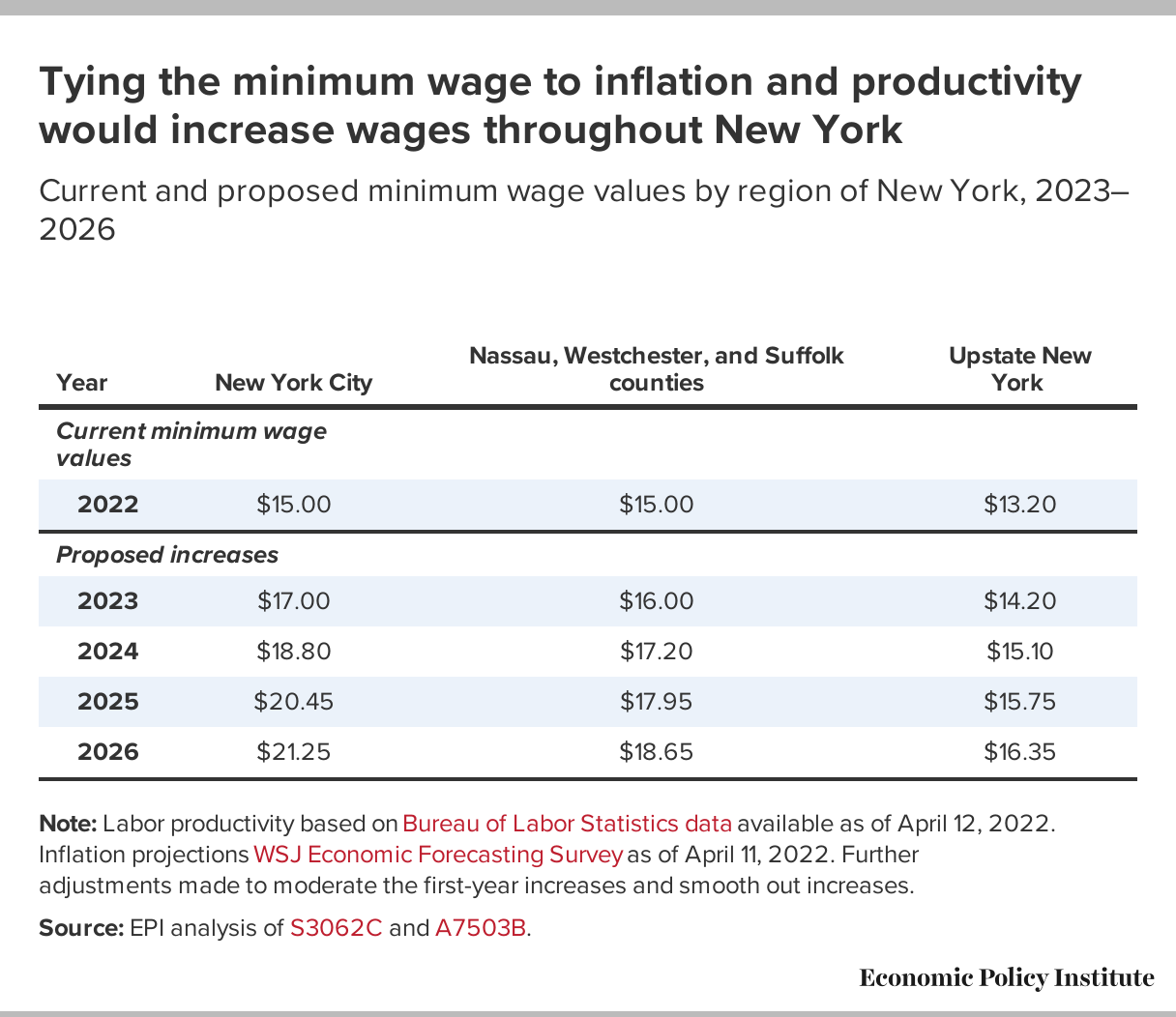
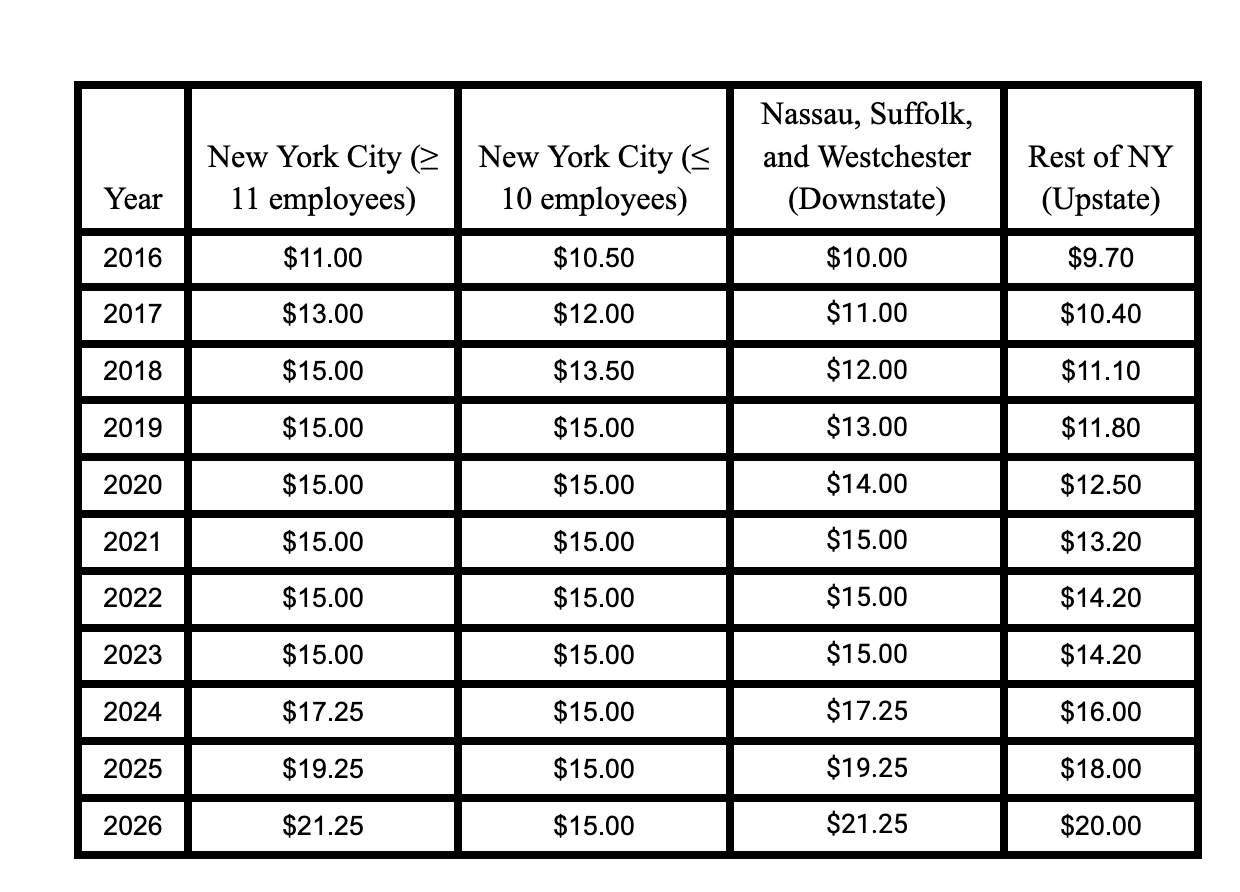
As of January 1, 2024, the minimum wage in New York State saw another scheduled increase, part of a plan to reach $17 per hour in New York City and its surrounding areas, and $16 per hour for the remainder of the state by 2026. These increases are tied to inflation, ensuring that the minimum wage retains its purchasing power over time. For travelers and residents alike, understanding these regional differences is crucial for effective budgeting and appreciating the local economic conditions.
Regional Variations: New York City, Long Island, Westchester, and Upstate
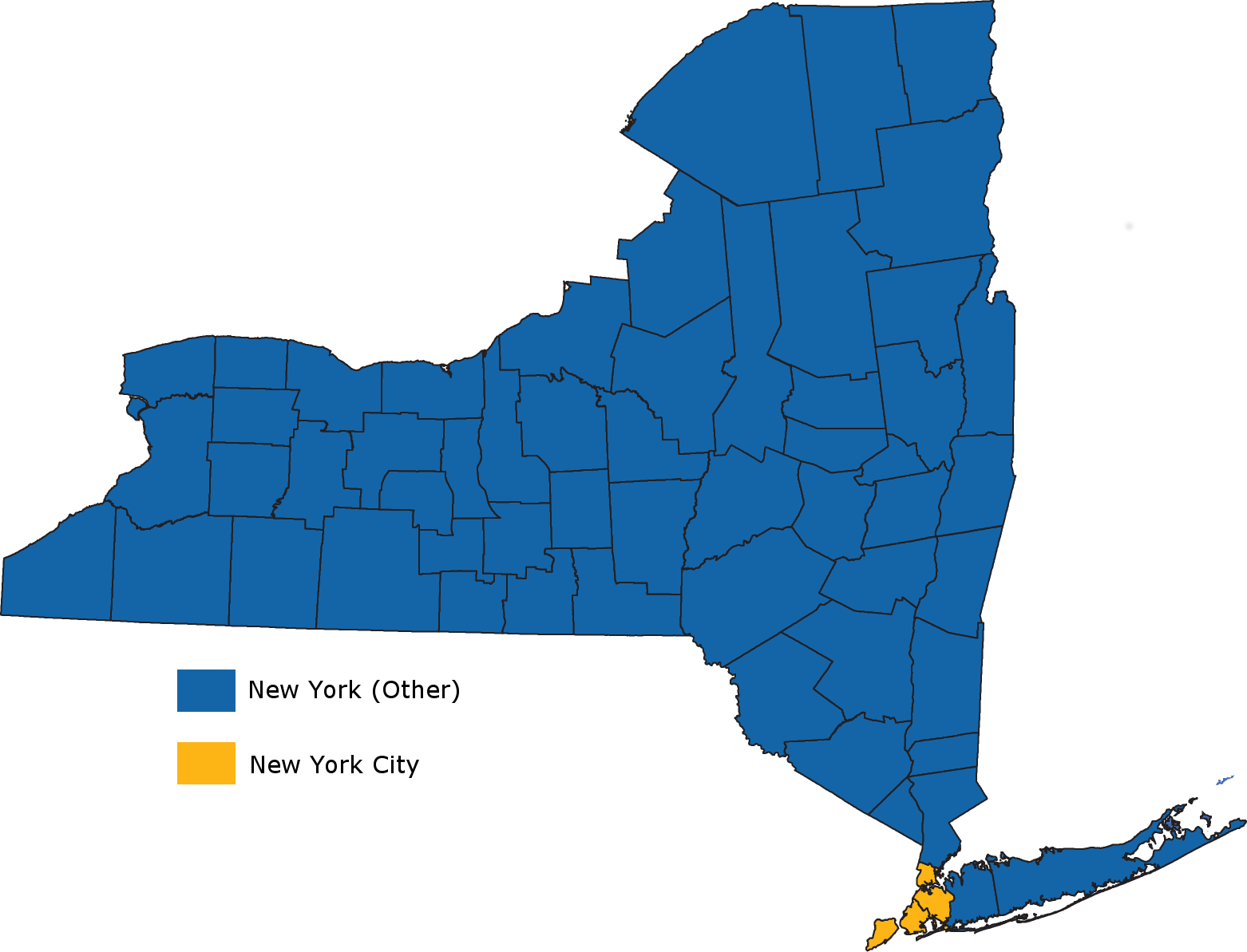
The most significant distinction in New York’s minimum wage structure is between New York City and its immediate suburbs, and the rest of the state. These variations are designed to reflect the disparate costs of living, particularly housing, which are notoriously high in the metropolitan area.
- New York City, Long Island, and Westchester County: These three regions represent the highest cost-of-living areas in the state. As of January 1, 2024, the minimum wage in New York City, Nassau and Suffolk Counties (collectively Long Island), and Westchester County is $16.00 per hour. This rate applies to nearly all workers, regardless of the size of their employer. This elevated wage is a direct response to the exorbitant expenses associated with living and working in these bustling hubs, where rent, transportation, and daily necessities far exceed those in other parts of the state. For tourists, this translates into higher prices for hotel rooms, restaurant meals, and many services, directly reflecting the higher labor costs faced by businesses.
- Rest of New York State: For all other counties across New York State, including vibrant cities like Buffalo, Rochester, Syracuse, and the state capital Albany, the minimum wage is $15.00 per hour as of January 1, 2024. While still substantial, this rate acknowledges the comparatively lower cost of living outside the immediate metropolitan area. Travelers exploring the scenic Finger Lakes region, the majestic Adirondack Mountains, or the historical sites of Upstate New York might find that accommodation, dining, and local activities are somewhat more affordable than in New York City. This differential allows for a more accessible travel experience for budget-conscious visitors while still ensuring a robust wage for local workers.
Key Industries Affected: Hospitality, Tourism, and Retail
The minimum wage has a pervasive impact across numerous sectors, but its effects are particularly pronounced in industries that form the backbone of the travel and tourism experience. Hospitality, tourism services, and retail are highly labor-intensive fields, relying heavily on a workforce that often earns closer to the minimum wage.
- Hospitality: This sector includes hotels, resorts, motels, restaurants, cafes, and bars. A significant portion of the staff in these establishments – from housekeepers and front desk agents to kitchen staff and servers – are directly impacted by minimum wage regulations. Higher wages in this sector mean that hotels incur greater operational costs, which can then be reflected in room rates. Similarly, restaurants factor labor costs into menu prices. For travelers, this means that dining out in Manhattan will inevitably be more expensive than enjoying a meal in a small town in the Catskills. However, it also means that the employees serving you are earning a more sustainable wage, which can contribute to better morale and, often, higher quality service.
- Tourism: Beyond traditional hospitality, the tourism sector encompasses a wide array of services: tour guides, museum staff (such as at the Metropolitan Museum of Art or MoMA), amusement park employees (like at Six Flags Great Escape), and staff at attractions like the Statue of Liberty ferry operators or Broadway theater ushers. These individuals are the face of New York’s vibrant visitor economy. The minimum wage ensures that these vital workers can afford to live and work in the areas they serve, enriching the overall visitor experience with their local knowledge and dedication. The cost of admission to attractions or guided tours naturally reflects these labor expenses, alongside operational and maintenance costs.
- Retail: From the luxury boutiques of Fifth Avenue to the charming local shops in Brooklyn, retail workers are also subject to minimum wage laws. While travelers might not directly feel the impact of this on individual product prices (which are often set nationally or globally), it contributes to the general operating costs of local businesses. Shopping for souvenirs, local crafts, or fashion items in New York inherently includes the cost of sustaining a fairly paid workforce.
It is also worth noting that tipped employees, such as restaurant servers, have a specific minimum cash wage that their employer must pay, which can be lower than the standard minimum wage. However, employers must ensure that the employee’s total earnings (cash wage plus tips) meet or exceed the standard minimum wage for their region. This is an important detail for diners to consider when calculating tips, especially as tipping customs can vary and be influenced by the underlying wage structure.
Minimum Wage’s Ripple Effect on Travel Costs in New York
For anyone planning a visit to New York, the state’s minimum wage policies have a tangible impact on the overall cost of their trip. While it’s easy to focus on airfare and initial hotel bookings, the day-to-day expenses – accommodation, dining, transportation, and activities – are where the minimum wage’s influence truly manifests. Higher wages for workers translate into higher operational costs for businesses, which are then passed on to consumers in various forms. This ripple effect is particularly noticeable in high-cost areas like New York City.
Understanding this relationship allows travelers to set realistic budgets, make informed choices, and appreciate why certain experiences or services come with a particular price tag. It’s not just about profit margins; it’s about sustaining a workforce in an expensive environment.
Budgeting for Accommodation and Dining
Accommodation and dining typically represent the largest portion of a traveler’s budget, and both are significantly influenced by minimum wage rates.
- Accommodation: Hotels, resorts, and even short-term rental properties employ a wide range of staff – from housekeepers and bellhops to receptionists and maintenance teams. In regions like New York City, where the minimum wage is higher, the labor costs for running a hotel are substantially greater than in, say, Syracuse. This directly translates into higher nightly rates for hotel rooms. A standard room at a mid-range hotel in Manhattan might cost several hundred dollars a night, while a comparable room in Albany or Buffalo could be half that price or less. Travelers seeking luxury accommodations, such as a suite at a Marriott or a boutique hotel in SoHo, should budget even more generously. Even budget-friendly options like hostels or guesthouses will have a baseline cost reflecting these labor expenses.
- Dining: New York is a global culinary capital, offering everything from Michelin-starred fine dining to iconic street food. However, the cost of labor significantly impacts restaurant pricing. The wages paid to chefs, cooks, servers, dishwashers, and other restaurant staff are a major component of a restaurant’s operating expenses. Consequently, a meal that costs $20 in Upstate New York might easily be $30-$40 in New York City, even for a similar type of establishment. Travelers should be prepared for higher menu prices, especially in popular tourist areas like Times Square or Greenwich Village. Tipping culture, where 18-20% is standard, further adds to the total dining expense, reinforcing the need for careful budgeting.
The Price of Experiences: Attractions and Activities
Beyond food and lodging, the cost of experiencing New York’s world-class attractions and activities also reflects the minimum wage. Many museums, theaters, guided tours, and other entertainment venues employ a large staff to ensure visitor safety, provide information, and deliver memorable experiences.
- Museums and Galleries: While some major museums like the Metropolitan Museum of Art may offer “pay-what-you-wish” options for New York State residents, general admission for tourists can be substantial. These fees contribute to the salaries of curators, security guards, educators, and administrative staff. Similarly, a visit to MoMA or the Guggenheim Museum in New York City will often have higher ticket prices than regional museums in other parts of the state.
- Theater and Entertainment: Catching a Broadway show is a quintessential New York City experience, but tickets can be very expensive. Beyond the performers, the costs cover a vast crew, including ushers, stagehands, box office staff, and cleaners, all of whom are subject to the local minimum wage. Likewise, concerts, sporting events, and other live performances factor in significant labor costs.
- Guided Tours and Excursions: Whether it’s a bus tour of Manhattan, a boat trip to Niagara Falls, or a walking tour of historic Harlem, the guides and support staff are paid for their time and expertise. Their wages are built into the tour price, reflecting the value of their service and their regional cost of living.
In essence, the minimum wage acts as a foundational cost factor across the entire tourism ecosystem. While it ensures that workers can afford to live and work in the state, it simultaneously dictates a higher baseline for consumer prices, particularly in high-wage areas. Travelers are encouraged to research and plan their budgets meticulously, especially when visiting economic powerhouses like New York City.
Empowering the Workforce: Minimum Wage and the New York Tourism Sector
While travelers often focus on how minimum wage impacts their expenses, it’s equally important to consider its profound effect on the very people who make New York’s tourism industry thrive. The dedicated individuals working in hotels, restaurants, attractions, and retail stores are the backbone of the visitor experience. A fair minimum wage isn’t just a legal requirement; it’s a critical component of a sustainable and ethical tourism model, directly influencing employee welfare, service quality, and the overall vibrancy of local communities.
By setting a robust minimum wage, New York State aims to lift workers out of poverty, reduce income inequality, and stimulate local economies. For the tourism sector, this means a more stable, motivated, and professional workforce, which ultimately benefits every visitor.
Supporting Hospitality Professionals
The hospitality industry is often characterized by demanding hours and, historically, lower wages. However, New York’s minimum wage policies are designed to ensure that those who serve our meals, clean our rooms, and greet us at the front desk can earn a respectable living.
- Improved Quality of Life: A higher minimum wage means that hotel housekeepers, kitchen staff, and entry-level employees in resorts like those in the Catskills or Saratoga Springs can better afford housing, food, and other necessities, especially in high-cost regions like New York City or Long Island. This improvement in their economic well-being is fundamental to a just society and helps foster a more dedicated and less stressed workforce.
- Enhanced Service Quality: When employees feel valued and are paid fairly, job satisfaction tends to increase. This often translates directly into better service for guests. A front desk agent who isn’t constantly worried about making ends meet is more likely to be welcoming and attentive. A restaurant server who feels appreciated is more likely to provide exceptional service. This positive cycle benefits both the workers and the tourists who come to experience New York’s renowned hospitality.
- Reduced Employee Turnover: High turnover rates are costly for businesses, as they involve continuous recruitment and training. A competitive minimum wage helps retain experienced staff, building institutional knowledge and a more stable team. For travelers, this means encountering more seasoned professionals who are intimately familiar with their roles and can offer more informed and efficient service, whether at a luxury Hilton in Midtown Manhattan or a charming boutique hotel in Rochester.
The Ripple Effect on Local Businesses and Sustainable Tourism
The impact of the minimum wage extends beyond individual employees to the broader local economy and the concept of sustainable tourism. When workers earn more, they have more disposable income to spend on local goods and services, creating a virtuous economic cycle.
- Stimulating Local Economies: Higher wages for a significant portion of the workforce mean increased consumer spending in local shops, restaurants, and other businesses. This injects money directly into the community, supporting small businesses, fostering local entrepreneurship, and creating a more vibrant economic environment. For travelers, this translates into a richer, more authentic local culture to experience, with thriving independent establishments alongside major chains.
- Fostering Community Pride: A fair minimum wage contributes to a stronger, healthier community where residents can afford to live where they work. This sense of stability and well-being can lead to increased community pride, which is often reflected in how locals interact with and present their surroundings to visitors. A clean, well-maintained community with engaged residents is more appealing to tourists.
- Promoting Sustainable Tourism: Sustainable tourism isn’t just about environmental impact; it also encompasses social and economic sustainability. Ensuring fair wages for tourism workers is a cornerstone of this approach. It means that the benefits of tourism are distributed more equitably, rather than concentrating wealth at the top. This model supports local livelihoods, prevents exploitation, and ensures that tourism remains a positive force for communities across New York State, from the vibrant street life of Brooklyn to the serene landscapes of the Finger Lakes. Tourists who are conscious of their impact can take comfort in knowing that their spending supports a system that prioritizes worker welfare.
In essence, while the minimum wage might seem like a simple number, its effects are far-reaching. It’s a key driver in shaping a tourism experience that is not only enjoyable for visitors but also fair and sustainable for the dedicated individuals who make it all possible.
Navigating New York as a Traveler: Tips for Budgeting
Armed with an understanding of New York State’s minimum wage structure and its impact on costs, travelers can approach their trip with greater confidence and strategic planning. While New York can be an expensive destination, especially New York City, it is absolutely possible to have an incredible experience without breaking the bank. The key lies in making smart choices, researching options, and embracing the vast diversity of experiences the state has to offer, from luxury indulgences to budget-friendly adventures.
For those dreaming of iconic sights like Central Park, the bustling energy of Times Square, or the tranquility of Bear Mountain State Park, meticulous budgeting and strategic choices will enhance your visit, allowing you to immerse yourself fully in the New York experience.
Savvy Accommodation Choices
Accommodation will likely be your largest single expense, so making informed decisions here can lead to significant savings.
- Explore Beyond Prime Areas: In New York City, staying in Manhattan is convenient but costly. Consider hotels or short-term rentals in neighboring boroughs like Brooklyn or Queens, which are often more affordable and easily accessible via public transportation. Areas like Long Island City in Queens offer stunning skyline views and quick subway rides to Manhattan.
- Consider Hostels and Guesthouses: For solo travelers or groups on a tight budget, hostels offer a social atmosphere and significantly lower prices. Many modern hostels in New York offer private rooms alongside dormitories, providing a balance of privacy and affordability. Guesthouses or smaller, independent hotels outside the most central districts can also be a charming and cost-effective alternative.
- Utilize Loyalty Programs and Off-Season Travel: If you frequently travel with a specific hotel chain, leverage your loyalty points for free nights. Traveling during the off-peak season (e.g., late January/February or parts of late summer/early fall, excluding major holidays) can also yield lower hotel rates across the state.
- Look for Deals and Packages: Many hotels and travel websites offer seasonal promotions, package deals (flight + hotel), or discounts for extended stays. Always compare prices across multiple platforms before booking.
Dining Smart: From Street Food to Deals
New York is a foodie paradise, and you don’t need a limitless budget to eat well.
- Embrace Street Food and Food Halls: Some of New York City’s best and most affordable eats can be found at street vendors and diverse food halls. From falafel and halal carts to gourmet empanadas and artisan donuts, these options offer delicious, authentic meals at a fraction of restaurant prices. Food halls like Chelsea Market or Urbanspace Vanderbilt in Manhattan offer a variety of cuisines under one roof.
- Take Advantage of Lunch Specials and Happy Hours: Many restaurants, especially in urban areas, offer more affordable lunch menus or prix-fixe deals. Happy hours often feature discounted drinks and appetizers, making them a great way to sample a restaurant’s offerings without committing to a full-price dinner.
- Self-Catering and Grocery Stores: If your accommodation includes a kitchenette, consider buying groceries and preparing some of your own meals. Visiting local farmers’ markets or supermarkets can significantly cut down on dining costs. This is particularly effective for breakfast and packed lunches.
- “Restaurant Weeks” and Culinary Festivals: Keep an eye out for city-wide “Restaurant Weeks” in New York City and other major cities, where participating restaurants offer discounted multi-course meals. These events are fantastic opportunities to experience fine dining at a more accessible price point.
Exploring Affordable Attractions and Activities
Many of New York’s most cherished experiences are either free or available at a low cost.
- Free Landmarks and Parks: Stroll through Central Park, walk across the Brooklyn Bridge, explore the High Line, or take a free ride on the Staten Island Ferry for stunning views of the Statue of Liberty and Manhattan skyline. Many of New York’s natural wonders, from the Adirondack Mountains to the beaches of Long Island, offer endless free outdoor activities.
- Museum Free Days/Hours: Many world-class museums, such as the Metropolitan Museum of Art (suggested admission), the Bronx Museum of Art, and others, offer free admission on certain days or evenings. Research these opportunities in advance to save on entry fees.
- Walking Tours and Self-Guided Exploration: Download free walking tour apps or simply explore neighborhoods on foot. Cities like New York City, Albany, and Rochester are rich with history and unique architecture best discovered by wandering.
- Public Transportation: Instead of costly taxis or ride-shares, utilize New York’s excellent public transportation system (MTA subway and buses in New York City, regional buses and trains elsewhere). Purchase a MetroCard for easy and economical travel.
By combining an understanding of the minimum wage’s economic implications with savvy budgeting and resourceful planning, travelers can unlock the vast wonders of New York State without overspending. Whether you’re seeking luxury or adventure on a shoestring, New York offers a wealth of experiences for every budget.
The Future of Minimum Wage in New York
The discussion around minimum wage in New York State is not static; it’s an ongoing conversation that balances economic realities with social equity. As of 2024, the state has a clear roadmap for future increases, with the goal of reaching $17 per hour in New York City, Long Island, and Westchester County, and $16 per hour for the rest of the state by 2026. After these initial increases, the minimum wage will then be indexed to inflation, meaning it will automatically adjust annually based on the Consumer Price Index for Urban Wage Earners and Clerical Workers (CPI-W) for the Northeast Region.
This indexing mechanism is a significant development, as it aims to protect the purchasing power of minimum wage workers against the rising cost of living. For travelers and businesses in the tourism sector, this means a more predictable, albeit steadily increasing, cost landscape.
- For Businesses: The predictability of indexed increases allows businesses in the hospitality, tourism, and retail sectors to plan more effectively for rising labor costs. They can integrate these anticipated increases into their long-term financial projections, pricing strategies, and operational models. This also encourages innovation in efficiency and service delivery.
- For Workers: Indexing provides greater financial stability for workers, ensuring that their wages do not erode over time due to inflation. This can lead to continued improvements in worker morale, reduced turnover, and a more professional, experienced workforce across the tourism sector.
- For Travelers: While it implies a gradual increase in the cost of services and experiences over time, it also ensures that the quality of service remains high due to a well-compensated workforce. Travelers can anticipate that New York will continue to be a destination where the value of their experiences is supported by fair labor practices. Budgeting will always be key, but visitors can expect a transparent and consistent economic environment.
Beyond the scheduled increases, there are ongoing discussions and potential legislative efforts regarding specific worker categories, such as gig economy workers or particular agricultural sectors. These policy debates will continue to shape the broader labor landscape in New York, indirectly influencing the overall economic context of travel and tourism. The state’s commitment to regularly evaluating and adjusting its minimum wage reflects its dynamic economy and its dedication to fostering both economic growth and social equity.
In conclusion, the minimum wage in New York State is far more than just a number; it is a foundational element influencing the entire fabric of life and travel within the state. From the bustling streets of New York City to the serene beauty of Upstate New York, these wage policies shape the cost of your hotel stay, the price of your meals, and the experiences at world-renowned landmarks. By understanding its regional variations and its profound impact on the hospitality and tourism sectors, travelers can better plan their budgets, appreciate the value behind the services they receive, and engage with the local economy in a more informed way. New York continues to be a vibrant and welcoming destination, where fair labor practices contribute to both an exceptional visitor experience and a sustainable future for its diverse communities.
LifeOutOfTheBox is a participant in the Amazon Services LLC Associates Program, an affiliate advertising program designed to provide a means for sites to earn advertising fees by advertising and linking to Amazon.com. Amazon, the Amazon logo, AmazonSupply, and the AmazonSupply logo are trademarks of Amazon.com, Inc. or its affiliates. As an Amazon Associate we earn affiliate commissions from qualifying purchases.