
New York State, a vibrant and diverse entity within the United States, is much more than just its iconic city. Its population is a dynamic force that shapes its culture, economy, and, crucially for travelers, its unique tapestry of destinations, experiences, and lifestyles. Understanding the demographic landscape of New York State isn’t just about statistics; it’s about appreciating the heartbeat that drives its bustling urban centers, tranquil rural retreats, and everything in between. From the demand for luxurious Manhattan hotels to the preservation of local traditions Upstate, the sheer number and incredible diversity of its inhabitants directly influence every facet of tourism and accommodation.

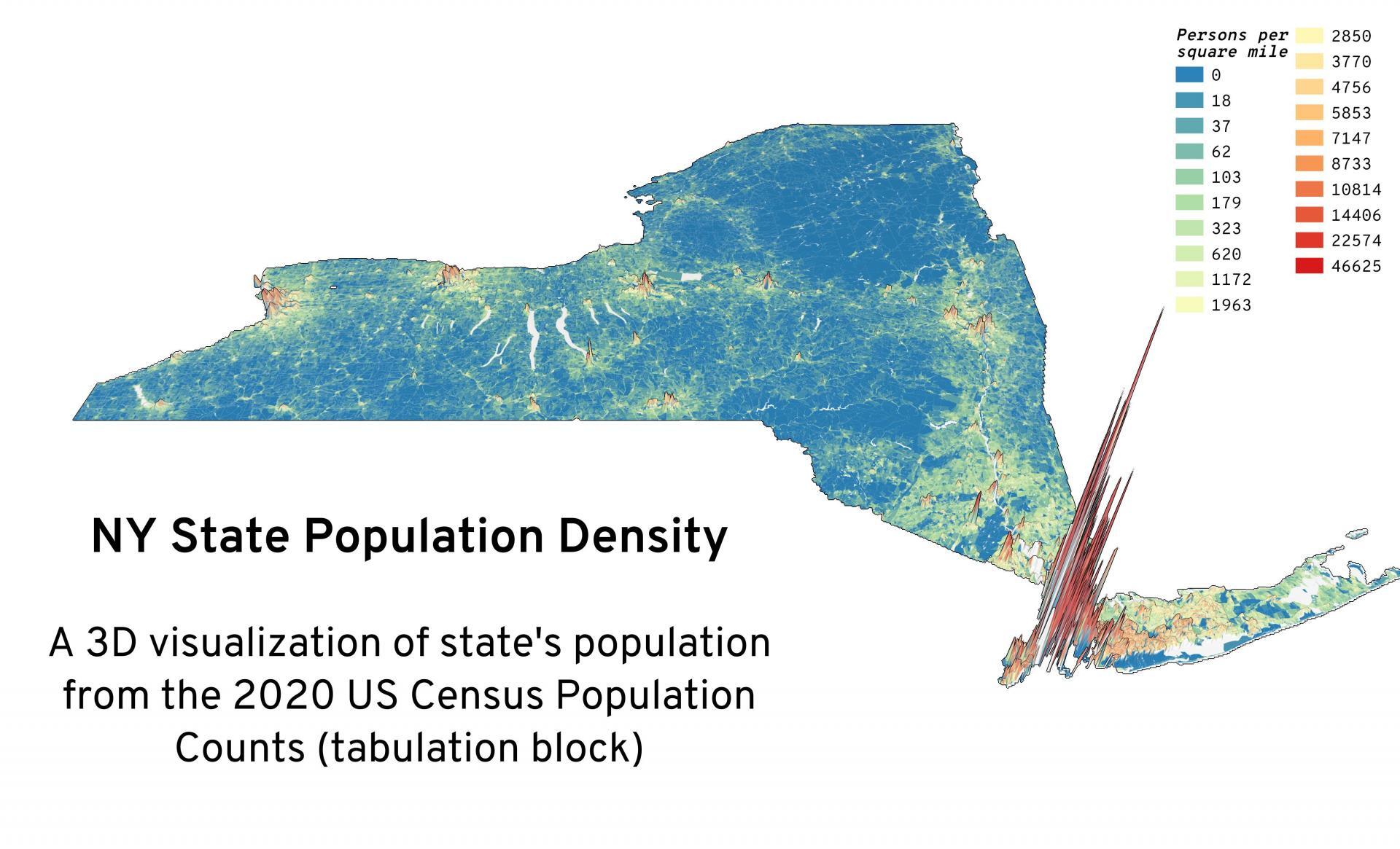
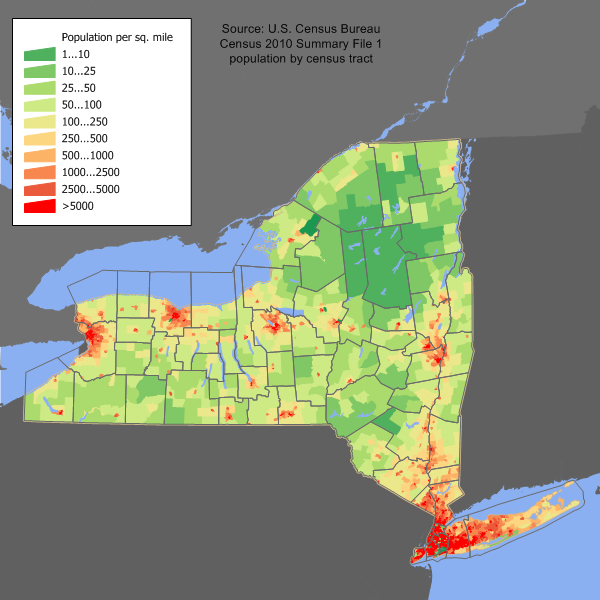
The most recent estimates place the population of New York State at approximately 19.5 million people. This makes it one of the most populous states in the nation, reflecting centuries of immigration, economic opportunity, and cultural magnetism. This substantial population is not evenly distributed; it’s concentrated heavily in the metropolitan areas, especially New York City and its surrounding suburbs, while vast expanses of Upstate New York offer a stark contrast with their smaller towns and natural landscapes. This demographic split is fundamental to understanding the varying travel experiences and tourism infrastructure available across the state.
Understanding New York State’s Demographic Landscape
The population of New York State is a fascinating mosaic, constantly evolving and leaving an indelible mark on its identity. Far from being a static figure, it represents a living, breathing entity that dictates the rhythms of life, commerce, and, significantly, the tourism industry. For anyone planning a visit, grasping these demographic nuances offers a deeper insight into the state’s offerings.
The Latest Population Figures
As of the most recent estimates, New York State’s population hovers around 19.5 million residents. This figure positions it as the fourth most populous state in the United States, trailing only California, Texas, and Florida. While the overall number is immense, it’s the distribution that truly tells the story. A staggering portion of this population, roughly 43% or over 8 million people, resides within the five boroughs of New York City alone: Manhattan, Brooklyn, Queens, The Bronx, and Staten Island. The surrounding suburban areas on Long Island, and in Westchester and Rockland Counties, add several more million people to this dense urban core.
Beyond this vibrant megalopolis, other significant population centers include Buffalo, Rochester, Syracuse, and the state capital, Albany. These cities, though smaller, serve as regional hubs for culture, commerce, and tourism, each with its distinct character. The remaining vast territories of Upstate New York are characterized by lower population densities, dotted with charming small towns, agricultural communities, and expansive natural parks.
Key Demographic Trends and Their Impact
New York State’s population has experienced various shifts over the decades. Historically, it was a primary gateway for immigrants to the United States, a legacy that continues to define its extraordinary cultural diversity. While recent years have seen some outflow of residents to other states, particularly from the urban areas, international immigration largely continues to replenish and diversify the population. This constant influx of new cultures, languages, and traditions ensures that New York State remains a melting pot, offering an unparalleled global experience within a single state.
The demographic trends directly influence the travel and tourism sectors. High population density in New York City creates an enormous demand for hotels, ranging from budget-friendly options to ultra-luxury resorts, driving a competitive and innovative accommodation market. It also fuels a relentless appetite for diverse culinary experiences, world-class entertainment, and a dynamic arts scene. Conversely, the less dense regions of Upstate New York cater to a different traveler – one seeking natural beauty, outdoor adventures, and serene escapes, where accommodation might lean towards charming bed and breakfasts, rustic cabins, or boutique hotels nestled in picturesque towns.
The aging population, coupled with younger generations seeking diverse lifestyles, also impacts tourism. There’s a growing market for accessible travel, multi-generational trips, and experiences that cater to specific interests, whether it’s wine tasting in the Finger Lakes or exploring historical sites in the Hudson Valley. These demographic shifts keep the tourism industry on its toes, constantly adapting to offer new and relevant experiences.
Population Dynamics and the Fabric of New York Travel
The dynamic interplay of New York State’s population distribution shapes the very fabric of its travel landscape. It dictates not only where people live but also where attractions are developed, what kind of services are available, and the distinct atmosphere visitors will encounter. This profound influence means that a journey through New York State is a journey through diverse demographic realities.
Urban vs. Rural: Diverse Travel Experiences
The stark contrast between New York State’s densely populated urban centers and its sprawling, sparsely populated rural areas creates a fascinating duality for travelers. In New York City, the sheer volume of residents and daily visitors demands a sophisticated, high-capacity tourism infrastructure. This includes an overwhelming array of hotels, from iconic luxury establishments like The Plaza Hotel overlooking Central Park to countless boutique hotels, extended-stay apartments, and budget-friendly hostels designed to cater to millions. The city thrives on this density, offering world-class dining, Broadway shows, endless shopping, and cultural institutions like the Metropolitan Museum of Art and the Museum of Modern Art.
Move beyond the city limits, however, and the experience transforms. Upstate New York, with its lower population density, offers a slower pace and a connection to nature and history. Destinations like the Adirondack Mountains, the Catskill Mountains, and the Finger Lakes provide opportunities for hiking, skiing, boating, and exploring quaint towns. Accommodation in these areas often shifts from towering hotels to charming inns, lakeside resorts, or rustic cabins. The smaller communities benefit from tourism that seeks out local charm, agricultural tours, and outdoor adventure, a direct reflection of their less urbanized populations.
Cultural Richness: A Tapestry for Tourists
The immense diversity within New York State’s population translates into an unparalleled cultural richness that is a magnet for tourists. New York City alone boasts neighborhoods that are veritable enclaves of cultures from around the globe, from Chinatown and Little Italy in Manhattan to the diverse communities of Queens and Brooklyn. This cultural melting pot offers an extraordinary array of international cuisines, vibrant festivals, and unique shopping experiences, making it a dream destination for those seeking immersive cultural tourism.
This diversity extends beyond the metropolis. Buffalo, for example, has a strong Polish-American heritage, while other Upstate towns reflect German, Irish, or Italian ancestries. The historical significance of various indigenous peoples, such as the Iroquois Confederacy, also contributes to the state’s cultural depth, with museums and historical sites preserving their stories. This rich tapestry ensures that visitors can find authentic experiences, engage with local traditions, and discover unique cultural narratives wherever they travel within the state. The population doesn’t just provide numbers; it provides the very soul of the state’s vibrant cultural landscape.
The Economic and Lifestyle Impact of Population
The size and characteristics of New York State’s population are primary drivers of its economic engine, especially within the tourism sector. This massive consumer base and workforce shape the availability of services, the variety of experiences, and the overall lifestyle offerings that attract visitors from around the globe.
Tourism’s Role: Hotels, Accommodation, and Attractions
With nearly 20 million residents, plus tens of millions of annual visitors, New York State generates enormous demand for tourism-related services. In New York City, the high population density directly translates into a fiercely competitive and high-volume market for hotels and accommodation. This is where you’ll find everything from ultra-luxury suites in Midtown Manhattan to stylish boutique hotels in SoHo and extended-stay apartments catering to business travelers. The sheer volume of people supports a robust infrastructure of attractions, including iconic landmarks like the Statue of Liberty, the Empire State Building, Times Square, and Central Park, all of which draw massive crowds and require extensive operational support.
Beyond New York City, population centers like Buffalo and Rochester sustain their own vibrant tourism industries, often centered around cultural institutions, historical sites, and proximity to natural wonders like Niagara Falls. The smaller towns and rural areas of Upstate New York rely on seasonal tourism, with populations swelling during summer and fall foliage seasons, supporting a network of bed and breakfasts, vacation rentals, and campsites. This diverse accommodation landscape caters to every budget and preference, directly influenced by the varied local populations and visitor demographics they serve.
Diverse Lifestyles: From Luxury to Budget Travel
The vast economic spectrum and cultural diversity of New York State’s population naturally foster a wide array of lifestyles, which in turn influences the travel options available. For those seeking luxury travel, New York City offers unparalleled experiences, from five-star dining and high-end shopping on Fifth Avenue to exclusive rooftop bars and private tours. The glamorous resort communities of The Hamptons on Long Island and luxury lakeside retreats in the Adirondacks also cater to a high-end clientele.
Conversely, the state also champions budget travel and family trips. Hostels and more affordable hotels are plentiful in urban areas, and myriad free attractions like walking across the Brooklyn Bridge or exploring Central Park make it accessible. Upstate New York is a haven for outdoor adventurers and families on a budget, offering camping, state parks like Watkins Glen State Park, and numerous free or low-cost activities. For business stays, the state’s robust economy and numerous corporate headquarters in New York City ensure a continuous demand for business-friendly hotels and serviced apartments. This comprehensive offering is a direct consequence of a diverse population that includes individuals from all walks of life, with varying economic capacities and preferences for leisure and business travel.
Iconic Landmarks and Their Connection to Population Centers
The most famous landmarks of New York State are not randomly placed; they are inextricably linked to its population centers, acting both as magnets for residents and as beacons for tourists worldwide. From towering skyscrapers to natural wonders, these sites draw their significance and vibrancy from the people who live near them and those who journey to experience them.
New York City: The Epicenter of Global Influence
New York City, home to over 8 million people, stands as the prime example of how population concentration creates a hub of iconic landmarks. The sheer density of residents, coupled with the city’s historical role as a port of entry and a financial capital, has led to the development of world-renowned sites. The Statue of Liberty, a gift from France symbolizing welcome to immigrants, stands sentinel in New York Harbor, a testament to the waves of people who have shaped the city. The Empire State Building and Rockefeller Center emerged during periods of immense population growth and economic prosperity, embodying the city’s ambition and architectural prowess.
Times Square, with its dazzling billboards and constant buzz, is a product of millions converging for entertainment, business, and cultural experiences. Broadway theaters flourish due to the immense local and tourist population that fills their seats nightly. Even Central Park, an urban oasis, was designed to provide respite for the city’s burgeoning population in the mid-19th century. These landmarks are not just tourist attractions; they are integral parts of the daily lives of New Yorkers, constantly enlivened by their presence.
Beyond the Metropolis: Upstate’s Hidden Gems
While New York City dominates with its urban icons, the less densely populated areas of Upstate New York boast landmarks of a different kind, often natural or historically significant, and cherished by their local communities. The awe-inspiring Niagara Falls, shared with Canada, is a natural wonder that draws millions, supported by the regional populations of Buffalo and other western New York towns, which provide the necessary hospitality infrastructure.
The majestic Adirondack Mountains, a vast protected wilderness, is revered by the residents of surrounding towns like Lake Placid and serves as a vital recreational area. The scenic Finger Lakes region, known for its wineries and gorges, owes its charm to the smaller, tight-knit communities that have cultivated its unique agricultural and tourism industries. Even historical sites like the Bethel Woods Center for the Arts, the site of the Woodstock Festival, gain significance from their connection to specific cultural movements and the populations that participated in them. These Upstate landmarks, though less crowded than their urban counterparts, are equally important, representing the diverse heritage and natural beauty that the varied population of New York State embraces and preserves.
Planning Your Visit: Embracing New York’s Vibrant Population
Understanding the population of New York State is not just an academic exercise; it’s a practical guide for planning an unforgettable trip. The state’s demographic makeup directly influences the types of accommodation available, the cultural experiences on offer, and how you can best engage with its diverse communities.
Accommodation Choices Across the State
The vast population disparity between urban and rural New York means accommodation options are incredibly varied. In New York City, the sheer volume of residents and tourists drives a market with thousands of hotels. From world-renowned luxury properties such as The St. Regis New York or The Ritz-Carlton New York, Central Park, offering opulent suites and concierge services, to a myriad of mid-range hotels, boutique stays in trendy neighborhoods like Greenwich Village, and budget-friendly hostels, there’s literally something for every traveler and budget. Short-term apartment rentals are also popular, particularly for longer stays or those seeking a more local experience.
Move Upstate, and the options reflect a different demand. In areas like the Hudson Valley or Finger Lakes, you’ll find charming bed and breakfasts, often housed in historic homes, offering a personalized touch. Resorts like The Sagamore Resort on Lake George or those nestled in the Adirondack Mountains cater to those seeking nature-centric getaways, often with amenities like spas, golf courses, or direct access to outdoor activities. Rustic cabins, glamping sites, and campgrounds are abundant for those looking for a more immersive nature experience. The key is to match your accommodation choice to the specific region and its unique population-driven offerings.
Engaging with Local Culture and Communities
The best way to truly experience New York State is to engage with its people and immerse yourself in its local cultures. In New York City, this means venturing beyond the main tourist traps. Explore neighborhood markets in Queens for authentic international cuisine, catch a local band in Brooklyn, or visit community art galleries. Attend cultural festivals, which are abundant year-round and reflect the city’s diverse population. Consider taking a guided walking tour led by a long-time resident to gain insights you won’t find in guidebooks.
Upstate offers a different, but equally rich, cultural engagement. Visit farmers’ markets in small towns to sample local produce and artisanal goods, chat with vendors, and learn about the region’s agricultural heritage. Participate in local events like county fairs, craft shows, or harvest festivals. Explore the craft beverage trails in the Finger Lakes or Hudson Valley and talk to the winemakers and brewers. Visit historical societies and small museums that preserve the unique stories of these communities. By connecting with the people who call New York State home, whether in its bustling cities or its serene countryside, travelers gain a deeper appreciation for the state’s vibrant character.
In conclusion, New York State’s population of approximately 19.5 million is far more than a mere statistic. It is the lifeblood that fuels its world-renowned tourism industry, shapes its diverse accommodation landscape, and imbues its landmarks with character and history. From the electrifying density of New York City to the tranquil expanses of the Adirondacks, every corner of the state reflects the vibrant and varied lives of its inhabitants. For travelers, understanding this demographic richness unlocks a myriad of authentic experiences, making every visit to New York State a journey through a truly unique American tapestry.
LifeOutOfTheBox is a participant in the Amazon Services LLC Associates Program, an affiliate advertising program designed to provide a means for sites to earn advertising fees by advertising and linking to Amazon.com. Amazon, the Amazon logo, AmazonSupply, and the AmazonSupply logo are trademarks of Amazon.com, Inc. or its affiliates. As an Amazon Associate we earn affiliate commissions from qualifying purchases.