
New York City, a global epicenter of culture, finance, and innovation, is a destination that captivates travelers year-round. From the dazzling lights of Times Square to the tranquil paths of Central Park, the city offers an unparalleled array of experiences. However, the success of any trip to this dynamic metropolis in the United States often hinges on one crucial factor: the weather. Understanding New York’s diverse climate is not just about knowing what to pack; it’s about strategically planning your itinerary, selecting the perfect accommodation, and truly immersing yourself in the local lifestyle and tourism offerings.
New York experiences four distinct seasons, each painting the city in a unique light and offering a different palette of activities, attractions, and atmospheric charm. Whether you dream of crisp autumn strolls, festive winter wonderland scenes, vibrant spring blooms, or sun-drenched summer adventures, the city’s weather dictates the rhythm of your travel experience. This comprehensive guide will delve into what weather to expect throughout the year in New York, providing insights into how each season influences travel decisions, from choosing your hotel to exploring iconic landmarks and embracing the city’s rich culture.
Navigating New York City’s Seasons: A Traveler’s Guide
New York’s climate is characterized by its distinct seasonal shifts, offering something unique for every traveler. Each season presents its own set of weather conditions, influencing everything from outdoor activities to indoor escapes.
Spring’s Gentle Awakening: April to June
As winter’s chill recedes, New York transforms into a city reborn with the arrival of spring. From April to June, temperatures gradually climb, typically ranging from a cool 40s°F (4-9°C) in early spring to a comfortable 70s°F (21-26°C) by June. The air is often fresh, though spring showers are common, adding to the city’s verdant beauty.
This season is ideal for travelers who appreciate mild weather and blossoming landscapes. Central Park bursts into color with cherry blossoms and tulips, providing a picturesque backdrop for leisurely strolls, picnics, or rowboat rides on the lake. The Brooklyn Botanic Garden becomes a vibrant spectacle, showcasing its diverse floral collections. Outdoor dining starts to flourish, with restaurants opening up their patios and rooftop bars offering stunning city views. Exploring neighborhoods like Greenwich Village or the West Village on foot is particularly enjoyable during this period, allowing for a relaxed pace to discover charming boutiques and cafes. Early spring can still be cool, so packing layers is advisable, including a light jacket or trench coat and an umbrella. By late spring, lighter clothing, interspersed with a cardigan for cooler evenings, usually suffices.
Summer’s Vibrant Embrace: July to August
New York in summer (July and August) is synonymous with heat, humidity, and an undeniable energy. Temperatures frequently soar into the 80s°F (27-32°C), occasionally reaching into the 90s°F (32°C+) with high humidity, making the city feel considerably warmer. Thunderstorms can occur, often providing a temporary respite from the heat.
Despite the warmth, summer is a peak time for tourism, drawing visitors with its outdoor festivals, free concerts, and vibrant street life. Coney Island offers classic boardwalk fun and beach escapism, while Governors Island provides a refreshing oasis with stunning views of the Statue of Liberty and the Manhattan skyline. Rooftop pools at luxury hotels become coveted spots, and air-conditioned museums like the Metropolitan Museum of Art or the Museum of Modern Art offer cool retreats. Lightweight, breathable clothing is a must, along with a wide-brimmed hat, sunglasses, and plenty of sunscreen. Hydration is key, and comfortable walking shoes are still essential, as even short distances can feel taxing in the heat.
Autumn’s Golden Canvas: September to November
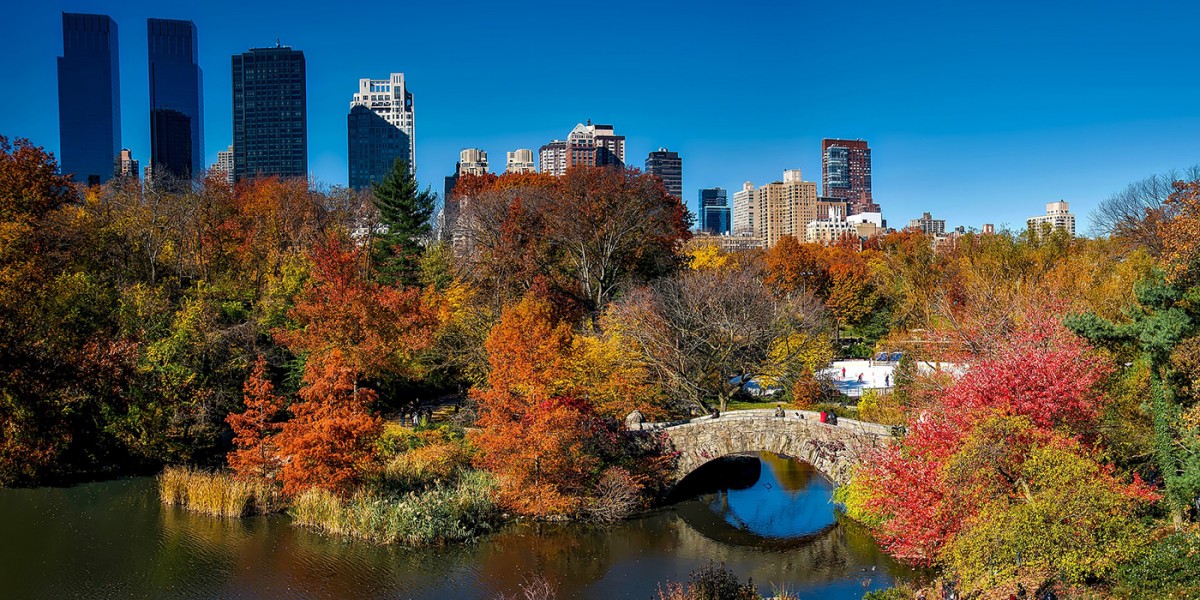
Many seasoned travelers consider autumn (September to November) the absolute best time to visit New York, and for good reason. The weather is often described as perfect, with crisp air, comfortable temperatures ranging from 50s-70s°F (10-21°C), and relatively low humidity. The city is bathed in the warm hues of fall foliage, particularly spectacular in parks and along the Hudson River Park.
This season provides an ideal climate for extensive sightseeing and outdoor exploration. From walking the iconic Brooklyn Bridge to exploring the charming streets of West Village or enjoying a leisurely stroll on the High Line, the conditions are simply superb. Major events like the Thanksgiving Day Parade and Halloween festivities add to the city’s lively atmosphere. Packing smart means bringing layers – sweaters, light jackets, and perhaps a warmer coat by late November – allowing you to adapt to temperature fluctuations throughout the day. The comfortable weather encourages long walks and outdoor dining without the oppressive heat of summer or the biting cold of winter.
Winter’s Enchanting Chill: December to March
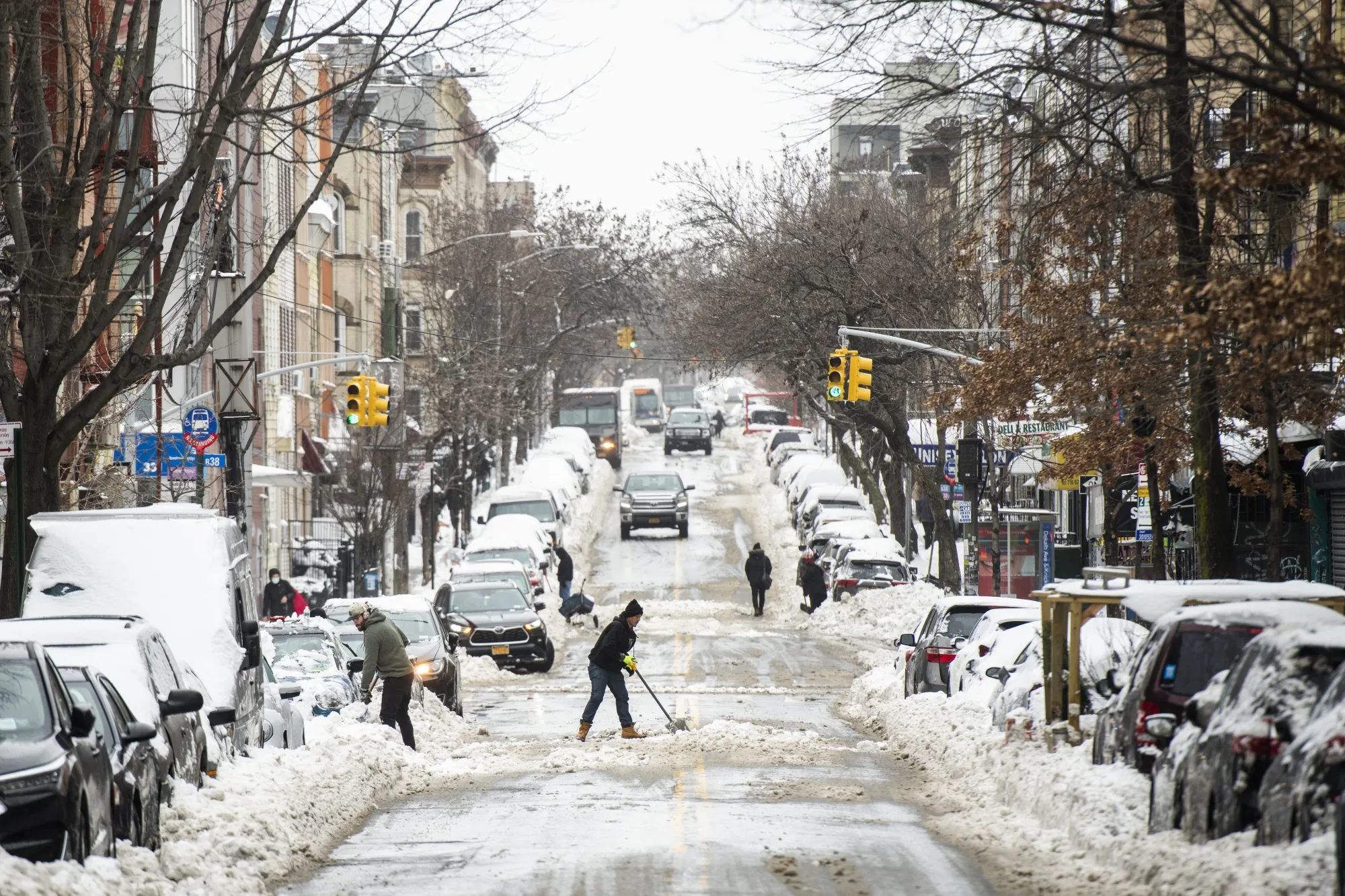
Winter in New York (December to March) is undeniably cold, with temperatures often hovering around freezing, ranging from 20s-40s°F (-6-4°C). Snowfall is common, transforming the city into a magical, albeit chilly, wonderland, especially during the holiday season. The winds can be biting, making the “feels like” temperature even colder.
Despite the cold, winter offers a unique charm. The holiday season sees the city bedecked in dazzling lights and decorations, with ice skating at Rockefeller Center or Bryant Park becoming quintessential New York experiences. Indoor attractions thrive, including world-class museums, acclaimed Broadway shows, and an endless array of shopping opportunities. While outdoor activities are limited, the festive atmosphere, especially leading up to New Year’s Eve in Times Square, draws millions. Essential packing includes heavy coats, scarves, gloves, hats, and waterproof boots, especially if snow is forecast. Warm layers are crucial for staying comfortable while navigating the city streets or waiting for public transport.
Weather’s Influence on Your New York Travel Experience

The weather in New York is more than just a conversation starter; it’s a fundamental element that shapes every aspect of your trip, from your daily itinerary to your choice of lodging and how you interact with the city’s iconic sights.
Planning Your Itinerary and Packing Smart
Travel planning for New York must always consider the season. If you’re visiting in summer, your itinerary might lean towards air-conditioned attractions during the hottest parts of the day, with evening activities like rooftop bars or open-air cinema. For winter, prioritize indoor museums, galleries, Broadway shows, and cozy restaurants, interspersing them with short outdoor ventures like ice skating or viewing holiday lights. Spring and autumn, with their mild temperatures, offer the greatest flexibility for a mix of indoor and outdoor activities.
Packing for New York is an art form influenced by the forecast. Layers are universally recommended, regardless of the season, due to indoor temperature variations and the city’s microclimates. Comfortable walking shoes are non-negotiable, as you’ll likely spend a significant amount of time on your feet. In summer, prioritize light, breathable fabrics and swimwear if your accommodation has a pool. Winter demands heavy-duty warmth – thermal underwear, wool socks, and a waterproof outer layer are crucial. An umbrella is a year-round staple, particularly in spring and summer. Thinking about the lifestyle you want to experience – luxury dining, budget-friendly street food, family-friendly museums, or business meetings – will further guide your packing and activity choices.
Accommodation Choices Across the Seasons
The weather significantly impacts the type of accommodation travelers seek in New York and how early they need to book. During peak seasons like summer and the holiday winter period, demand for hotels, suites, and serviced apartments skyrockets, leading to higher prices and limited availability. Budget travelers might find better deals in the shoulder seasons (early spring or late autumn) or during the depths of winter (January and February).
Amenities become more critical depending on the weather. In the sweltering summer, a hotel with reliable air conditioning is paramount. An outdoor pool or a hotel close to water bodies like the Hudson River Park can be a significant bonus. Conversely, during the frigid winter, robust heating, a cozy lobby with a fireplace, or access to an indoor pool or fitness center can enhance your stay. For long-term stays, especially for business travelers or those seeking a taste of local life, serviced apartments often offer greater comfort and amenities, such as fully equipped kitchens, which can be particularly appealing during colder months for enjoying warm meals indoors. When comparing options, consider how the hotel’s location and its facilities align with the prevailing weather and your planned activities.
Experiencing New York’s Iconic Landmarks
New York’s landmarks are iconic regardless of the season, but the weather undeniably influences the experience of visiting them.
- Observation Decks: Ascending the Empire State Building, Top of the Rock, or One World Observatory offers panoramic views that change dramatically with the weather. Clear, crisp autumn or winter days provide the sharpest visibility, while summer haze or spring rain can obscure distant vistas. In winter, strong winds at these heights make warm attire non-negotiable.
- Outdoor Monuments: Visiting the Statue of Liberty and Ellis Island involves significant time outdoors on ferry rides and walking the islands. A sunny, mild day makes this experience more enjoyable, whereas strong winds, rain, or snow can detract from it.
- Bridges and Parks: Walking the Brooklyn Bridge or exploring Central Park are quintessential New York experiences best savored in pleasant weather. Spring blossoms and autumn foliage enhance the beauty, while summer heat or winter ice can make these treks challenging.
- Street Life: Landmarks like Times Square or Wall Street are vibrant year-round, but soaking in their atmosphere on a comfortable day is far more pleasant than battling extreme temperatures.
Considering the weather forecast when scheduling visits to these landmarks can significantly enhance your enjoyment and comfort.
Beyond the Forecast: Embracing New York’s Climate with Style
Beyond merely enduring the weather, New York offers opportunities to embrace its climate, weaving it into the fabric of your tourism and lifestyle experiences.
Seasonal Delights: Food, Festivals, and Fashion
New York’s culinary scene, festival calendar, and fashion trends are intimately tied to the seasons.
- Food: Summer calls for iced coffee, artisanal ice cream, and outdoor food markets. Autumn ushers in pumpkin spice lattes, hearty stews, and apple cider from local farms. Winter is the season for rich hot chocolate, warming soups, and festive holiday treats. Spring brings fresh, seasonal produce to farmer’s markets and lighter, brighter dishes to restaurants. Participating in events like Restaurant Week offers a chance to explore diverse cuisines, often with seasonal menus.
- Festivals and Activities: Summer is packed with outdoor concerts, street fairs, and free movie screenings in parks. Fall brings art fairs, harvest festivals, and the famous Thanksgiving Day Parade. Winter dazzles with holiday markets, ice skating rinks, and the New Year’s Eve ball drop. Spring celebrates with blooming gardens, outdoor art installations, and charity runs.
- Fashion: New York is a global fashion capital, and its residents adapt their style to the weather with flair. Layers are king, allowing for transitions from warm indoor spaces to colder streets. From chic trench coats in spring to cozy cashmere in winter, observing local fashion during Fashion Week or simply people-watching is an attraction in itself, offering insights into urban lifestyle and trends.
Embracing these seasonal specificities allows you to experience the city like a local, deepening your connection to New York’s vibrant culture.
Practical Tips for a Seamless Seasonal Visit
To ensure your trip to New York is as comfortable and enjoyable as possible, regardless of the weather, here are some practical tips:
- Check the Forecast Regularly: Weather in New York can be unpredictable, especially during transitional seasons. Always check the forecast a few days before and during your trip.
- Dress in Layers: This cannot be emphasized enough. Layers allow you to adapt to fluctuating temperatures indoors and outdoors.
- Prioritize Comfortable Footwear: You will walk miles. Ensure your shoes are broken-in and suitable for the expected weather (e.g., waterproof boots for winter, breathable sneakers for summer).
- Hydrate and Protect from Sun/Cold: Carry a water bottle, especially in summer. Sunscreen is essential year-round, and in winter, hand warmers can be a lifesaver.
- Utilize Public Transportation: The subway is a fantastic way to navigate the city, offering shelter from extreme weather conditions. Consider a MetroCard for convenience.
- Book Popular Attractions in Advance: This is crucial during peak seasons and regardless of weather, helps you avoid long queues, especially at indoor attractions on rainy or very cold days.
- Have Indoor Backup Plans: Always have a list of indoor activities (museums, galleries, Broadway shows, shopping centers like those near Grand Central Terminal or at Hudson Yards) for unexpected changes in weather.
- Consider Travel Insurance: For longer trips or during seasons with potential for severe weather (e.g., winter storms), travel insurance can provide peace of mind for flight delays or cancellations.
In conclusion, the weather in New York is a powerful, ever-present force that shapes the city’s character and your travel experience. By understanding its nuances, planning accordingly, and embracing its seasonal shifts, you can transform any forecast into an opportunity for a memorable and enriching adventure in one of the world’s most captivating cities. Whether it’s the crisp air of autumn or the festive glow of a snowy winter, New York always has something extraordinary to offer, making every visit a unique chapter in your travel story.
LifeOutOfTheBox is a participant in the Amazon Services LLC Associates Program, an affiliate advertising program designed to provide a means for sites to earn advertising fees by advertising and linking to Amazon.com. Amazon, the Amazon logo, AmazonSupply, and the AmazonSupply logo are trademarks of Amazon.com, Inc. or its affiliates. As an Amazon Associate we earn affiliate commissions from qualifying purchases.