
New York City, a global epicenter of culture, finance, and tourism, captivates millions with its vibrant energy, iconic landmarks, and endless opportunities. From the glittering billboards of Times Square to the serene pathways of Central Park, the allure of the Big Apple is undeniable. However, beneath the dazzling surface lies a complex economic reality, particularly concerning the cost of living and the minimum wage. For anyone considering a move to this bustling metropolis, pursuing a career in its expansive hospitality sector, or simply planning an extended stay, understanding the minimum wage is not just a regulatory detail – it’s a crucial factor influencing budget, lifestyle, and the overall experience. This article delves into the current minimum wage landscape in New York City, exploring its implications for residents, visitors, and the city’s vital tourism and accommodation industries. We’ll connect these economic realities to the practicalities of travel, living, and thriving in one of the world’s most dynamic urban environments, offering insights into how to navigate its expenses and maximize your enjoyment.
Understanding New York City’s Minimum Wage Landscape
The minimum wage in New York City is a dynamic figure, shaped by both state and local legislation, and often subject to annual adjustments. Unlike some regions where a single state-wide rate applies, New York State implements different minimum wage rates based on geographic location, recognizing the vastly different costs of living across its diverse areas. New York City typically has the highest rate within the state, reflecting its status as one of the most expensive places to live in the United States. These regulations are designed to provide a baseline standard of living for workers, but their efficacy in a city with notoriously high expenses is a constant topic of discussion and policy debate. For many working in entry-level positions, especially within the service and tourism industries, understanding the nuances of these rates is paramount to financial planning.
Current Rates and Recent Changes
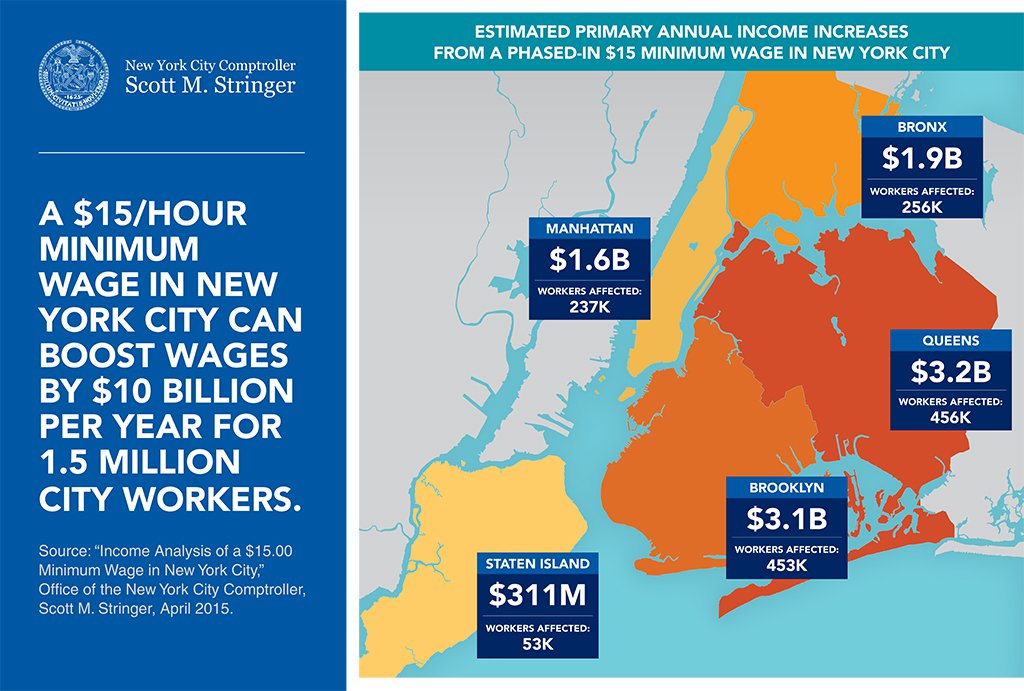
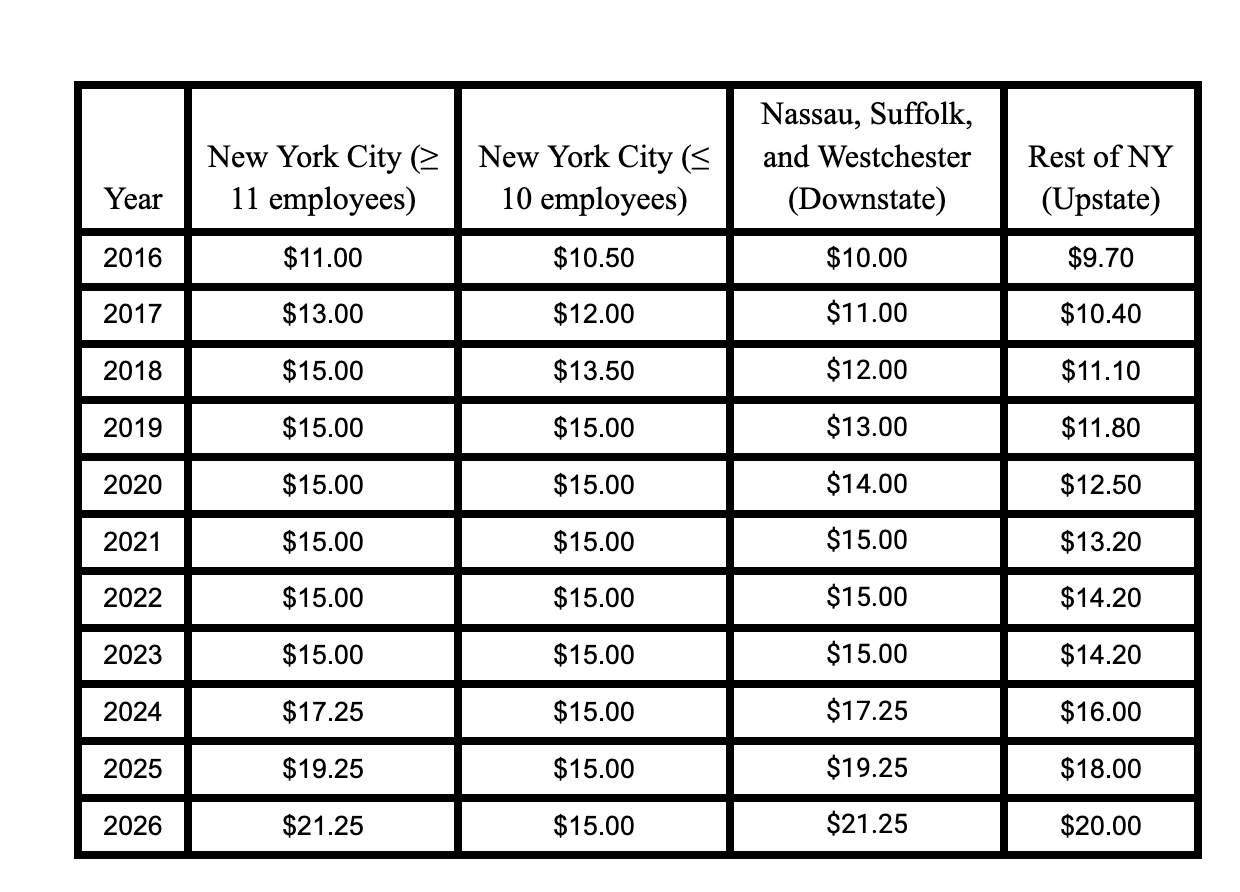
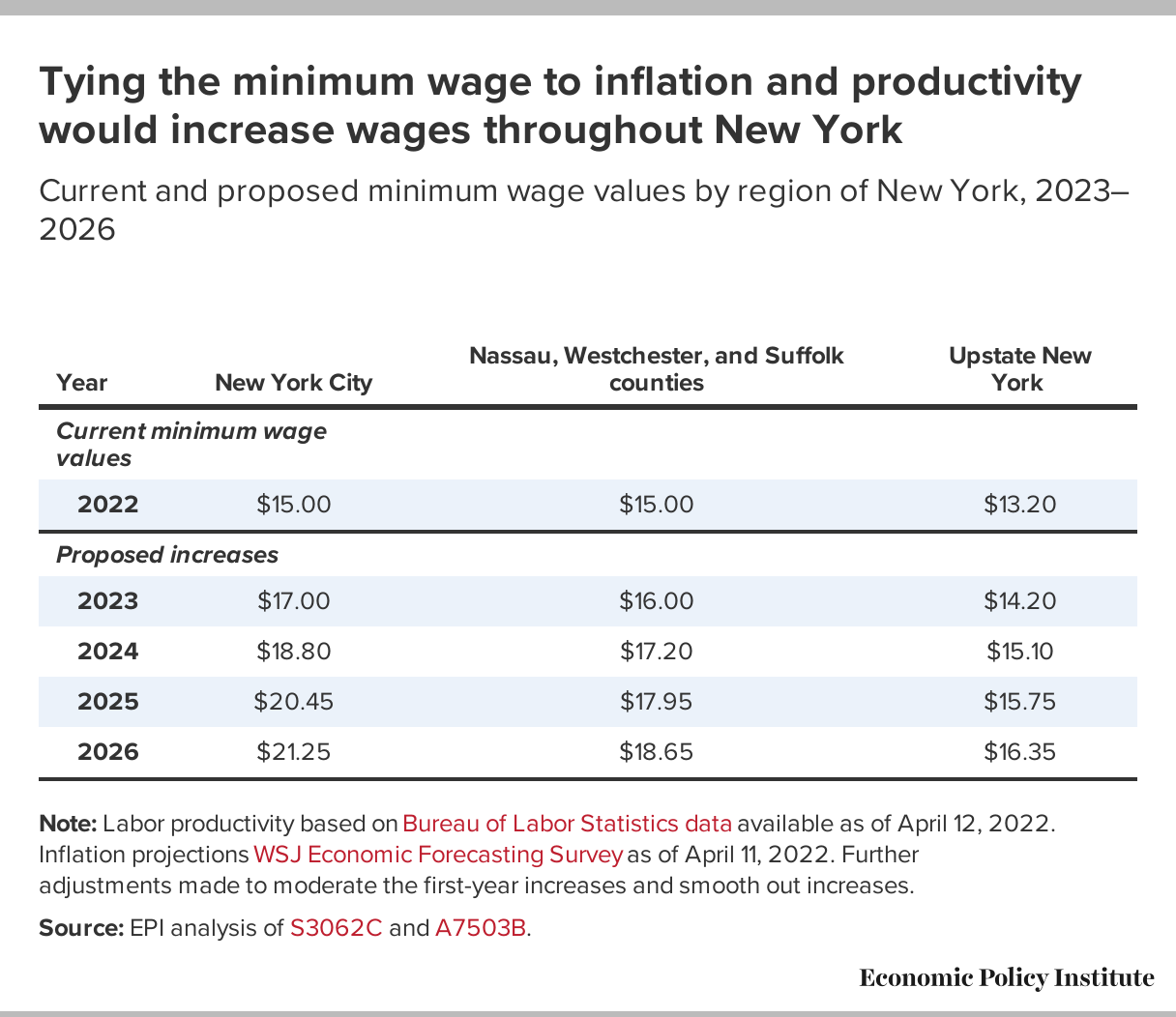
As of recent adjustments, the minimum wage for workers in New York City has been set at a rate significantly higher than the federal minimum wage. This rate applies to all five boroughs – Manhattan, Brooklyn, Queens, The Bronx, and Staten Island – and encompasses businesses of all sizes. The policy typically involves incremental increases over several years, designed to allow businesses to adapt while gradually improving workers’ purchasing power. These increases are often announced well in advance, giving employers time to adjust payrolls and budgets. For instance, the minimum wage in New York City reached $15.00 per hour for all employers some time ago, and continues to see periodic increases, reflecting ongoing efforts to align wages with the city’s escalating cost of living. Staying informed about these changes is crucial for both employers and employees, as they directly impact financial planning, hiring strategies, and the overall economic landscape of the city. Official sources, such as the New York State Department of Labor, provide the most up-to-date and accurate information regarding these rates and their effective dates.
Tipped Employees and Special Categories
The minimum wage rules in New York City also include specific provisions for tipped employees, which are particularly relevant to the city’s massive hospitality sector. Waiters, bartenders, hotel porters, and many others in the tourism industry rely heavily on tips as part of their income. In New York State, employers are generally allowed to pay a lower “tip-inclusive” minimum wage to employees who regularly receive tips, provided that the tips earned by the employee, when combined with their hourly wage, meet or exceed the standard minimum wage rate. If an employee’s tips do not bring them up to the full minimum wage, the employer is legally obligated to make up the difference. This system, known as a “tip credit,” requires careful tracking by employers to ensure compliance.
Beyond tipped employees, there are other special categories to consider, such as workers under the age of 18, agricultural workers, and certain exempt employees who might be paid on a salary basis. While the general minimum wage rate applies broadly, understanding these exceptions is vital. For travelers encountering service staff across New York City – from concierges at the Marriott Marquis to tour guides near the Empire State Building – recognizing the role of tips in their overall compensation can influence tipping practices. Patrons often play a direct role in supporting these workers’ livelihoods, making awareness of these wage structures an important aspect of responsible tourism and engagement with local culture.
The Minimum Wage and the Cost of Living in the Big Apple
New York City’s allure comes with a price tag, and it’s no secret that the cost of living here is among the highest globally. While the city’s minimum wage is robust compared to many other parts of the United States, the expenses associated with housing, daily necessities, transportation, and leisure activities can quickly consume an entry-level income. For aspiring residents, students, or even long-term visitors considering an extended stay, a thorough understanding of these costs is essential for financial viability. The dream of living in New York City is often tempered by the practicalities of making ends meet, and the relationship between earnings and expenditures becomes a central theme in any lifestyle discussion. From shared apartments in Bushwick to studio flats in Greenwich Village, every financial decision is magnified by the city’s economic pressures.
Housing: A Major Consideration
Housing is undoubtedly the single largest expenditure for anyone living in New York City. Rent prices, whether for apartments, rooms, or even extended-stay hotel suites, are astronomical compared to national averages. A minimum wage earner would find it incredibly challenging, if not impossible, to afford even a modest studio apartment without significant financial assistance or multiple roommates. For example, a basic one-bedroom apartment in Manhattan can easily cost upwards of $3,000 to $4,000 per month, while even in more affordable boroughs like Queens or The Bronx, rents for a decent apartment can still hover around $2,000 to $2,500. This reality often drives people to live in co-living situations, seek housing in the outer boroughs or even beyond the city limits, commuting in for work.
For travelers, this translates into higher accommodation costs, whether it’s a room at a boutique hotel in SoHo, an Airbnb in Harlem, or a longer stay at an apartment hotel like the Homewood Suites by Hilton. Budget-conscious travelers often explore hostels, guesthouses, or look for deals during off-peak seasons to make their trip more affordable. Understanding that a substantial portion of local workers’ income goes towards rent provides context for the economic pressures faced by those serving tourists in hotels, restaurants, and attractions across the city, from the Metropolitan Museum of Art to the Intrepid Sea, Air & Space Museum.
Daily Expenses: Food, Transport, and Entertainment
Beyond housing, the cost of daily necessities in New York City also significantly impacts a minimum wage budget. Groceries, while manageable with careful planning and shopping at more affordable stores or markets outside prime tourist areas, can still be higher than in other cities. Dining out, from a quick bagel and coffee to a sit-down meal, adds up rapidly. A simple lunch could easily cost $15-$25, and dinner can be substantially more. However, the city also offers a myriad of budget-friendly options, from street food vendors to ethnic eateries in neighborhoods like Flushing or the Lower East Side, catering to all budgets and tastes.
Transportation is another significant expense. While the MTA subway and bus system is extensive and relatively affordable compared to owning a car, weekly or monthly passes still represent a considerable outlay. For tourists, a MetroCard is essential, providing access to nearly every major attraction. Entertainment, from Broadway shows to concerts at Madison Square Garden or even simply visiting a cinema, can be quite expensive. Many residents and savvy travelers utilize free attractions like walking across the Brooklyn Bridge, exploring Washington Square Park, or enjoying the free ferry to Staten Island for views of the Statue of Liberty and the Manhattan skyline. Budgeting for these daily expenses requires discipline and an understanding of the city’s myriad options, both splurge-worthy and wallet-friendly.
Balancing Work and Lifestyle in a High-Cost City
For those earning the minimum wage in New York City, balancing work and lifestyle often means making significant compromises. The high cost of living necessitates careful financial management, often leading to longer working hours, multiple jobs, or living with several roommates. The romanticized image of a glamorous New York City lifestyle can be far from the reality for many entry-level workers, who might spend a substantial portion of their earnings on basic necessities. This reality underscores the importance of the minimum wage and ongoing discussions about its adequacy.
However, the city also offers unparalleled free or low-cost cultural experiences and public spaces that enrich life regardless of income. From free concerts in Prospect Park to public art installations, and community events in neighborhoods like Williamsburg or Jackson Heights, there are countless ways to enjoy the vibrant urban tapestry. Achieving a work-life balance on a minimum wage income in New York City requires resourcefulness, community support, and a deep appreciation for the city’s public offerings, rather than solely focusing on its commercial attractions. For visitors, understanding this balance can foster a deeper appreciation for the daily lives of the residents and workers who make the city thrive.
Navigating New York City on a Budget: Tips for Travelers and Residents
Whether you’re a local managing your expenses or a visitor planning an unforgettable trip without breaking the bank, navigating New York City on a budget is entirely achievable. The city, despite its reputation for luxury, is also a masterclass in diverse offerings, providing experiences for every budget. Leveraging knowledge of local pricing, seasonal variations, and free attractions can significantly reduce costs, making the city accessible to everyone. This approach aligns perfectly with the lifestyle topics of budget travel and smart living, ensuring that the magic of New York City is not exclusive to the affluent.
Affordable Accommodation Options
Finding affordable accommodation in New York City is one of the biggest challenges, but several strategies can help. For short-term stays, hostels such as The Local NY in Long Island City or those in Chelsea offer dormitory beds or private rooms at a fraction of hotel prices. Consider staying in areas just outside Manhattan but with excellent subway connections, such as Long Island City in Queens or downtown Brooklyn. These areas often feature hotels like the Even Hotel Brooklyn or the Hyatt Regency Jersey City (which offers stunning skyline views from across the river in New Jersey) that provide better value.
Booking well in advance, especially during off-peak seasons (January-February, early September), can also yield significant savings. For longer stays, consider extended-stay hotels or serviced apartments, which often offer weekly or monthly rates and amenities like kitchenettes, reducing dining-out costs. Websites specializing in apartment rentals or sublets can also be a resource, though always proceed with caution and verify listings. Remember that sacrificing a bit of proximity to Times Square for a comfortable, affordable stay in a well-connected neighborhood can greatly enhance your overall experience.
Savvy Dining and Entertainment Strategies
To truly enjoy New York City without overspending on food, embrace its incredible culinary diversity. Seek out ethnic restaurants in neighborhoods like Chinatown, Little Italy, or Jackson Heights for delicious and affordable meals. Many delis and bodegas offer inexpensive breakfast and lunch options. Happy hour deals are abundant, providing opportunities for discounted drinks and appetizers at bars and restaurants across the city, from East Village establishments to rooftop bars overlooking the Hudson River.
For entertainment, the city offers a plethora of free activities. Explore free museum days or evenings (e.g., MoMA on Fridays), catch a free concert in Central Park during summer, or simply wander through unique neighborhoods like DUMBO or Bushwick to discover street art and local boutiques. Broadway shows can be pricey, but rush tickets or lottery systems offer cheaper options. Taking the Staten Island Ferry provides fantastic, free views of the Statue of Liberty and the Manhattan skyline. Always look for student or senior discounts if applicable, and utilize public transportation extensively with a MetroCard to save on taxi fares.
Exploring Iconic Landmarks Without Breaking the Bank
New York City is home to some of the world’s most famous landmarks, and many can be enjoyed for free or at a low cost. Walking is often the best way to experience the city; stroll through Central Park, across the Brooklyn Bridge, or along the High Line for stunning views and unique perspectives. Iconic spots like Grand Central Terminal, the New York Public Library, and St. Patrick’s Cathedral are free to enter and explore their magnificent architecture.
Instead of paying for expensive observation decks, consider visiting a rooftop bar or a public park like Brooklyn Bridge Park for breathtaking skyline vistas. While visiting the Statue of Liberty and Ellis Island requires a ferry ticket, the free Staten Island Ferry offers excellent photo opportunities from the water. Many smaller museums and galleries in areas like Lower Manhattan or the Upper West Side have free admission or suggested donation policies. By prioritizing free and low-cost experiences, visitors can immerse themselves in the rich history and vibrant culture of New York City without feeling the pinch on their wallets.
The Impact on New York’s Vibrant Tourism and Hospitality Sectors
The tourism and hospitality sectors are cornerstones of New York City’s economy, employing hundreds of thousands of individuals across a vast array of roles – from hotel housekeepers and front-desk staff to restaurant servers, tour guides, and attraction attendants. The minimum wage plays a critical role in these industries, directly affecting the livelihoods of countless workers and indirectly influencing business operations, pricing, and the overall quality of visitor experiences. Understanding this interplay is key to appreciating the economic fabric that supports the city’s global appeal, connecting the cost of your hotel stay or dining experience to the wages of the dedicated staff who make it possible.
Wages for Hotel and Restaurant Staff
Many positions within hotels and restaurants, particularly entry-level roles, are paid at or near the minimum wage. This includes roles in housekeeping, food service, concierge services, and bell staff at establishments ranging from luxury resorts like The Plaza Hotel to budget-friendly chains like Holiday Inn Express. The minimum wage, coupled with tips for many front-of-house staff, forms the foundation of their income. Increases in the minimum wage directly translate to higher labor costs for businesses, which can, in turn, influence menu prices at restaurants, room rates at hotels, and the cost of tours and attractions.
However, a competitive minimum wage also helps attract and retain talent in a highly demanding industry, potentially leading to more experienced and dedicated staff, which ultimately benefits the guest experience. Hotels and restaurants in New York City often navigate a fine balance between managing labor costs and ensuring their employees can afford to live in the city they serve. Many unionized positions, especially in larger hotels, may have wages exceeding the minimum, reflecting collective bargaining efforts that aim for a living wage in this expensive urban environment.
Supporting Local Businesses and Workers
For travelers, being mindful of the minimum wage and the cost of living for New York City workers can inform consumption choices and tipping practices. By supporting local businesses, particularly those that are known to pay fair wages or are community-oriented, visitors can contribute positively to the city’s economic health and its residents’ well-being. Tipping generously for good service, especially in industries where tips are a significant portion of income, is a direct way to acknowledge the hard work of the individuals who enhance your travel experience.
Moreover, understanding the economic realities helps appreciate the resilience and dedication of the city’s workforce. The vibrant energy and seamless operation of New York City’s tourism sector are largely due to the efforts of these individuals, many of whom are navigating the challenges of a high-cost environment. Engaging with local culture, choosing experiences that benefit local communities, and simply being aware of the economic context adds a deeper, more meaningful dimension to any visit to the Big Apple, transforming it from a mere tourist destination into a richly understood urban ecosystem.
In conclusion, the minimum wage in New York City is far more than just a number; it is a critical benchmark that influences the daily lives of millions, shapes the city’s economic landscape, and impacts the experience of every traveler. By understanding its implications, both residents and visitors can navigate this magnificent city more thoughtfully, appreciate its complexities, and contribute positively to its ongoing vibrancy.
LifeOutOfTheBox is a participant in the Amazon Services LLC Associates Program, an affiliate advertising program designed to provide a means for sites to earn advertising fees by advertising and linking to Amazon.com. Amazon, the Amazon logo, AmazonSupply, and the AmazonSupply logo are trademarks of Amazon.com, Inc. or its affiliates. As an Amazon Associate we earn affiliate commissions from qualifying purchases.