
Planning a trip to New York City often involves meticulous research into everything from the best accommodations to the must-see landmarks and attractions. Yet, one of the most fundamental questions, and one that profoundly impacts every aspect of your visit, is surprisingly simple: “What’s the temperature in New York City right now?” While a real-time answer would require a live weather feed, understanding how to anticipate and prepare for NYC’s famously varied climate is paramount for any traveler. From the sun-drenched streets of summer to the crisp, festive air of winter, the weather dictates your packing list, influences your itinerary, and even shapes your perception of this dynamic metropolis.

New York, a state on the East Coast of the United States, boasts a humid continental climate, meaning it experiences four distinct seasons, each with its unique charm and challenges. The bustling boroughs of Manhattan, Brooklyn, Queens, The Bronx, and Staten Island all share this seasonal rhythm, making temperature a critical factor in planning any urban adventure. Whether you’re dreaming of strolling through Central Park under a canopy of autumn leaves, gazing up at the Empire State Building on a clear summer day, or ice-skating at Rockefeller Center during the festive winter season, being prepared for the temperature will elevate your travel experience from merely enjoyable to truly unforgettable. This comprehensive guide delves into New York City’s seasonal temperatures, their impact on tourism and lifestyle choices, and how to ensure comfort and maximize your visit regardless of the forecast.
Understanding New York City’s Climate: A Seasonal Guide for Travelers
New York City’s climate is characterized by significant temperature fluctuations across its four distinct seasons. Each period offers a different facet of the city’s personality, requiring varying degrees of preparation and adaptation from visitors. Understanding these seasonal shifts is the first step in planning a comfortable and enjoyable trip.
Spring’s Gentle Awakening (March – May)
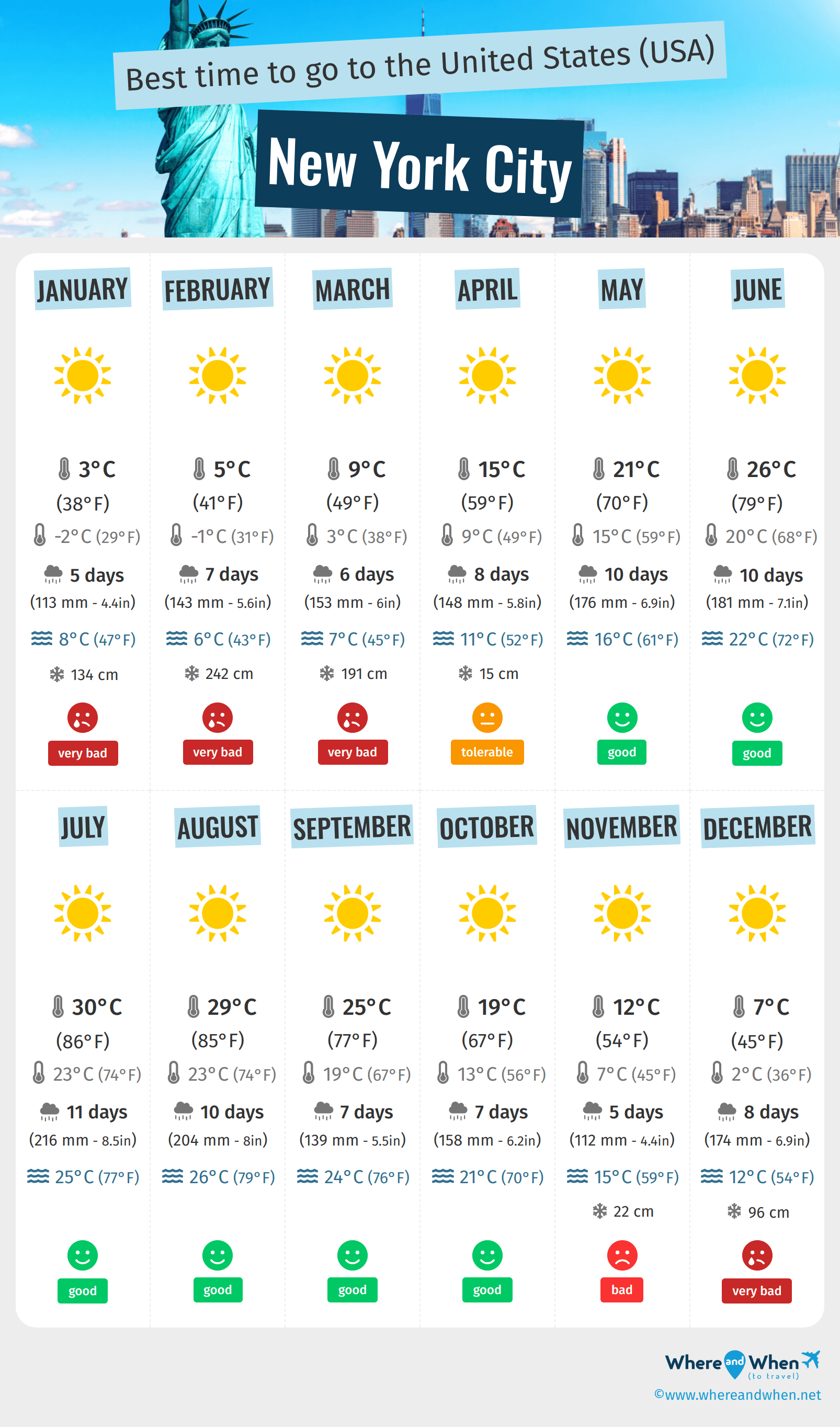
As winter’s chill recedes, New York City gradually awakens to the milder temperatures of spring. March can still feel quite cool, with average temperatures ranging from 35-50°F (2-10°C), often bringing unpredictable rain showers. By April, the weather becomes more pleasant, with averages climbing to 45-60°F (7-15°C), and blooming flowers begin to adorn Central Park and other green spaces. May brings truly delightful conditions, with temperatures typically between 55-70°F (13-21°C), offering long, sunny days perfect for outdoor exploration.
Travel Tips for Spring: Layering is key during spring. Pack a waterproof jacket, an umbrella, and comfortable walking shoes. This season is ideal for exploring neighborhoods like Greenwich Village on foot, enjoying a ferry ride past the Statue of Liberty, or visiting the Brooklyn Botanic Garden to witness the cherry blossoms. The relatively mild temperatures make it a fantastic time to experience the city’s vibrant outdoor culture before the intense summer heat arrives.
Summer’s Vibrant Heat (June – August)
Summers in New York City are known for their heat and humidity. June typically sees temperatures ranging from 65-80°F (18-27°C), becoming progressively warmer in July and August, when averages can soar to 70-85°F (21-30°C), often with heat indexes pushing into the 90s (32°C+). Thunderstorms are also common during these months, offering temporary relief from the oppressive humidity.
Travel Tips for Summer: Lightweight, breathable clothing is essential, along with sunscreen, a wide-brimmed hat, and sunglasses. Hydration is crucial, so carry a reusable water bottle. Summer is perfect for hitting the beaches of Coney Island or Rockaway Beach, enjoying rooftop bars, or catching an outdoor concert. When the heat becomes too much, dive into the air-conditioned comfort of museums like the Metropolitan Museum of Art or the Museum of Modern Art (MoMA). Many hotels and resorts are equipped with excellent air conditioning, making your accommodation choice critical for a comfortable summer stay.
Autumn’s Golden Embrace (September – November)
Many consider autumn the most picturesque and comfortable season to visit New York City. September offers a pleasant transition, with temperatures generally between 60-75°F (15-24°C), often referred to as “Indian Summer.” October cools down to 50-65°F (10-18°C), bringing spectacular fall foliage to Central Park and along the High Line. November sees temperatures drop further, averaging 40-55°F (4-13°C), hinting at the approaching winter.
Travel Tips for Autumn: Pack layers, including sweaters, light jackets, and a scarf. Comfortable shoes are a must for extensive walking tours. Autumn is ideal for exploring Washington Square Park, taking a ferry around Manhattan to see the vibrant city skyline against the backdrop of changing leaves, or enjoying outdoor festivals. The cooler, crisp air makes it perfect for long walks across the Brooklyn Bridge or through charming neighborhoods like Dumbo. The Macy’s Thanksgiving Day Parade is a major draw in late November, marking the unofficial start of the holiday season.
Winter’s Enchanting Chill (December – February)
Winter in New York City is cold, often snowy, but incredibly magical, especially during the holiday season. December sees average temperatures between 30-45°F (-1-7°C), setting the stage for festive lights and holiday markets. January and February are the coldest months, with averages dropping to 25-40°F (-4-4°C), and snowfall is common, transforming the city into a winter wonderland. Wind chill, especially near the Hudson River or East River, can make it feel much colder.
Travel Tips for Winter: Warm clothing is non-negotiable. Pack a heavy winter coat, gloves, a hat, scarves, and waterproof boots, especially if you anticipate snow. Thermal layers are highly recommended. While outdoor activities like ice skating at Rockefeller Center or Bryant Park are iconic, winter is also prime time for indoor attractions. Catching a Broadway show, exploring the vast collections of the American Museum of Natural History or the Guggenheim Museum, or indulging in retail therapy along Fifth Avenue are perfect ways to escape the cold. The festive atmosphere around Christmas and New Year’s Eve makes winter a popular, albeit chilly, time to visit.
Beyond the Thermometer: How Weather Shapes Your NYC Experience
The temperature in New York City is more than just a number; it’s a fundamental element that orchestrates your entire travel experience. From the practicalities of packing to the spontaneity of your daily agenda, weather profoundly influences how you interact with this vibrant metropolis.
Travel Planning and Packing Essentials
The direct correlation between temperature and your packing list is undeniable. A summer trip demands lightweight fabrics, shorts, and sandals, complemented by swimwear for beach days and a light jacket for air-conditioned interiors. Conversely, a winter visit necessitates heavy coats, thermal layers, hats, gloves, and waterproof boots to brave the cold and potential snow. Spring and autumn call for versatile layering, allowing you to adapt to fluctuating daily temperatures and sudden weather changes. An umbrella is a year-round essential, as NYC can experience unexpected showers in any season. Understanding the typical temperature range for your chosen travel dates is the first step toward a comfortable and prepared journey, preventing unnecessary purchases or discomfort upon arrival.
Navigating Attractions and Activities
The weather significantly dictates whether your day will be filled with outdoor adventures or cozy indoor pursuits. On warm, sunny days, exploring Central Park, walking the High Line, visiting the Statue of Liberty and Ellis Island, or soaking in the bustling energy of Times Square are prime choices. Hot and humid conditions might steer you towards air-conditioned sanctuaries like the Metropolitan Museum of Art, the Museum of Modern Art (MoMA), or the vast shops along Fifth Avenue. Rainy days provide the perfect excuse to delve into the cultural riches of Broadway shows, the Intrepid Sea, Air & Space Museum, or the historic halls of Grand Central Terminal. When temperatures drop in winter, iconic activities like ice skating at Rockefeller Center or catching a show at Radio City Music Hall become enchanting experiences. Planning a flexible itinerary with both indoor and outdoor options ensures your trip isn’t derailed by an unexpected turn in the weather.
Culinary Adventures and Local Culture
The local temperature also subtly shapes New York City’s food culture and social calendar. Summer’s heat encourages al fresco dining, rooftop bar hopping, and enjoying refreshing ice cream or cold beverages. Food trucks become ubiquitous, offering quick, diverse, and often lighter fare. As autumn arrives, the crisp air calls for warm beverages, heartier meals, and visits to farmers’ markets. Winter brings comfort foods to the forefront – think steaming bowls of ramen in East Village, rich Italian dishes in Little Italy, or classic American fare in cozy pubs. Holiday markets spring up across the city, offering seasonal treats and unique crafts. Spring, with its gentle warmth, reawakens the desire for outdoor dining and lighter, fresher menus. From seasonal festivals like New York Fashion Week in September to the vibrant street fairs of summer in Harlem, the weather often dictates the rhythm of the city’s events and the choices made by locals and visitors alike.
Securing Your Comfort: Accommodation and Lifestyle Choices
The ultimate goal of knowing the temperature in New York City isn’t just about what to wear; it’s about optimizing your entire travel lifestyle and ensuring your comfort from the moment you arrive until your departure. This extends significantly to your choice of accommodation and how you budget your time and money.
Choosing the Right Hotel for Every Season
Your hotel choice becomes intrinsically linked to the prevailing temperature and climate. During the scorching summer months, access to robust air conditioning is a non-negotiable amenity. Many travelers prioritize hotels with rooftop pools or proximity to waterfronts to escape the heat. Conversely, in the chilly depths of winter, effective heating systems and cozy hotel lounges are highly valued. A winter stay might lead you to seek a boutique hotel with a fireplace or a luxury resort offering warm, inviting common areas to retreat from the cold.
Location also plays a crucial role. In inclement weather, whether it’s heavy rain or snow, being close to major subway lines, indoor attractions, or connected to shopping centers can be a significant advantage. For instance, staying near Times Square or Grand Central Terminal offers unparalleled access to public transport and covered walkways, making it easier to navigate the city regardless of the temperature. Hotels like The Plaza Hotel, renowned for its classic elegance, or a centrally located Marriott Marquis, provide excellent options for various seasons, with their comprehensive amenities and strategic locations. Even modern, design-focused hotels such as those under the W Hotel brand ensure climate-controlled comfort and stylish retreats after a day of exploration. For those considering a long-term stay, understanding the seasonal costs associated with utilities like heating and cooling can also influence the choice of apartments or villas.

Budgeting and Lifestyle Adaptations
Temperature also influences the economics of your trip. Peak tourist seasons in New York City often align with the most pleasant weather conditions, primarily spring, autumn, and the festive winter holiday period. During these times, demand for hotels, flights, and popular attractions is high, leading to increased prices. If you’re planning a budget travel experience, considering travel during the quieter, sometimes more extreme weather months like January-February (post-holidays) or parts of summer (especially July-August when many locals escape the heat) can yield better deals on accommodation and flights.
Your daily lifestyle in NYC will also adapt to the temperature. In warm weather, dining al fresco, spending time in parks like Bryant Park or Washington Square Park, and utilizing the city’s extensive walking paths become more appealing and often free activities. Colder temperatures might necessitate more reliance on public transportation or taxis, and a greater inclination towards indoor, paid attractions like museums or Broadway shows, which can impact your daily spending. Whether it’s a family trip requiring child-friendly indoor alternatives on a rainy day or a business stay where you need reliable climate control for comfort and productivity, the temperature subtly guides choices that range from leisurely strolls through Chelsea Market to reflective moments at the September 11 Memorial & Museum, or even attending an event at Madison Square Garden. Being mindful of how the weather influences these aspects allows for a more prepared and ultimately more fulfilling visit.
Ultimately, while “What’s the temperature in New York City right now?” is a simple question, its implications are vast. It underscores the importance of checking a reliable weather forecast – a quick search on any weather app or website before and during your trip will provide the most current data. Embrace New York City’s dynamic climate, whether it’s the warmth of summer, the crispness of autumn, the chill of winter, or the freshness of spring, and you’ll unlock a richer, more comfortable, and truly unforgettable experience in the city that never sleeps.
LifeOutOfTheBox is a participant in the Amazon Services LLC Associates Program, an affiliate advertising program designed to provide a means for sites to earn advertising fees by advertising and linking to Amazon.com. Amazon, the Amazon logo, AmazonSupply, and the AmazonSupply logo are trademarks of Amazon.com, Inc. or its affiliates. As an Amazon Associate we earn affiliate commissions from qualifying purchases.