
For many, New York City isn’t just a destination; it’s a dream, a vibrant tapestry of cultures, towering skyscrapers, and an energy that pulses through its streets day and night. But before you dive into the unparalleled adventure of exploring its iconic landmarks, world-class cuisine, and buzzing neighborhoods, there’s a fundamental question that every traveler, local, and aspiring visitor needs to consider: “What’s the time in New York City?” It might seem like a simple query, but understanding New York City’s temporal rhythm is key to unlocking a seamless and unforgettable experience, whether you’re planning your flights, booking a hotel, or strategizing your sightseeing schedule.
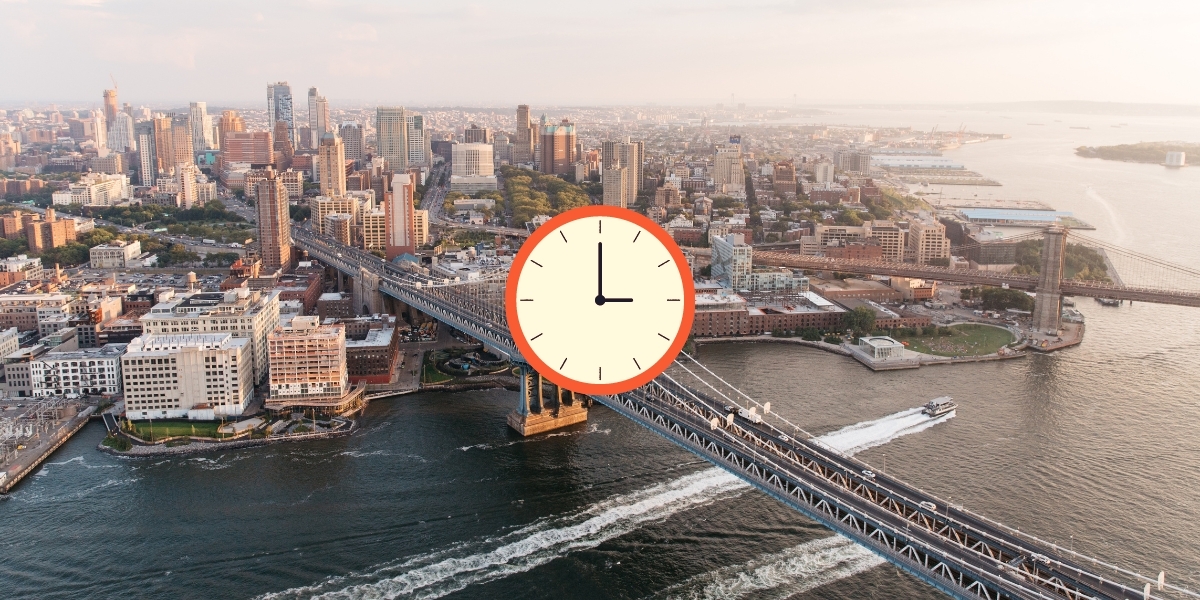
Beyond a mere numerical answer, the time in New York City dictates the city’s pulse, influencing everything from the morning rush hour on the Brooklyn Bridge to the late-night revelry in Greenwich Village. For international travelers, navigating time zones is crucial to combat jet lag and ensure a smooth transition into local life. For those planning a stay, knowing the hours of operation for attractions, the rhythm of dining, and the peak times for transit can make all the difference between a frantic trip and a leisurely exploration. This guide will delve into the intricacies of New York City’s time, demonstrating how a simple clock setting can profoundly impact your travel, accommodation, tourism, and lifestyle choices in the “city that never sleeps.”
Understanding New York’s Time Zone: EST/EDT
At its core, knowing the time in New York City starts with identifying its official time zone. Positioned on the East Coast of the United States, the city observes the Eastern Time Zone, which alternates between Eastern Standard Time (EST) and Eastern Daylight Time (EDT) throughout the year.
The Basics: Eastern Standard Time (EST) and Eastern Daylight Time (EDT)
During the colder months, typically from early November to mid-March, New York City operates on Eastern Standard Time (EST), which is UTC-5 (five hours behind Coordinated Universal Time). As spring arrives, usually on the second Sunday in March, the city springs forward to Eastern Daylight Time (EDT), shifting to UTC-4. This change provides an extra hour of daylight in the evenings, a welcome alteration for tourists and locals alike, allowing for longer sightseeing days and more vibrant evening activities. The shift back to EST occurs on the first Sunday in November. This biannual clock change, while common in many parts of the world, is an important detail for travelers to note, especially when booking flights, making reservations, or planning events that straddle these transition dates. Always double-check current time zone settings and daylight saving transitions when preparing for your trip to avoid any scheduling mishaps.
Implications for Travelers: Jet Lag, Scheduling, and Communication
For international travelers, especially those arriving from Europe, Asia, or Australia, the time difference can be substantial, often leading to jet lag. A flight from London, for instance, involves a five-hour time difference during EST and a six-hour difference during EDT. From cities like Tokyo or Sydney, the difference can be 13 to 16 hours or more, essentially flipping day and night. Managing jet lag is crucial for a productive and enjoyable trip, often involving strategic sleep on flights, hydration, and immediate adaptation to local time upon arrival.
Beyond personal well-being, the time zone impacts all aspects of travel planning. Flight arrival and departure times are always quoted in local time, so understanding the differential from your home base is critical for scheduling connections and communicating with family or business associates back home. When booking hotel accommodations, check-in and check-out times are strictly adhered to local New York City time, and arrival outside these windows may require prior arrangements or incur additional fees. Similarly, tour schedules, restaurant reservations, and showtimes for Broadway performances are all set by the local clock, making a good grasp of EST/EDT indispensable for a well-coordinated itinerary. Many travelers find a world clock app on their phone to be an invaluable tool for keeping track of both home time and New York City’s current time, facilitating seamless communication and planning across different time zones.
The Rhythm of the Metropolis: Experiences by the Clock
New York City operates on its own unique tempo, a relentless yet captivating beat that changes with the hours. Understanding this rhythm isn’t just about avoiding crowds or making appointments; it’s about immersing yourself in the city’s dynamic lifestyle and experiencing its different facets as they unfold throughout the day. From the serene quiet of an early morning to the electrifying energy of a late night, the clock dictates the city’s personality.
Early Mornings and Serene Starts: Discovering Tranquility
While New York City is famed for being sleepless, the early morning hours, particularly before 8:00 AM, offer a surprisingly tranquil side of the metropolis. This is an ideal time for those seeking peaceful reflection or invigorating activity before the daily rush. Imagine a brisk jog through Central Park, watching the city slowly awaken with the rising sun casting long shadows over the iconic skyline. You might spot dog walkers, avid runners, and quiet commuters, a stark contrast to the park’s later bustling hours. It’s also an excellent time to visit popular landmarks like the Statue of Liberty or the Empire State Building immediately upon opening, beating the peak crowds and enjoying a more intimate experience.
Many local coffee shops and diners open their doors early, offering a genuine taste of New York‘s breakfast culture. Picture yourself enjoying a bagel and coffee in a quaint Greenwich Village café, observing the locals beginning their day. These moments provide a unique perspective on New York City life, a quiet calm before the storm of activity, and are often cherished by travelers seeking an authentic connection with the city beyond its tourist attractions.
Mid-Day Buzz and Iconic Landmarks: From Museums to Matinees
As the clock ticks past 9:00 AM, New York City truly comes alive. The streets fill with pedestrians, taxis, and the ubiquitous yellow cabs. This mid-day period, stretching from late morning through the afternoon, is prime time for exploring the city’s most renowned attractions and absorbing its vibrant energy. Museums like the Metropolitan Museum of Art, the Museum of Modern Art, or the Guggenheim Museum are typically open and bustling, inviting visitors to delve into world-class art and history. Shoppers flock to Fifth Avenue and the boutiques of SoHo, while explorers navigate the architectural marvels of Midtown Manhattan, from Grand Central Terminal to Rockefeller Center.
Afternoons are also perfect for catching a Broadway matinee, offering a more relaxed viewing experience and often better ticket availability compared to evening shows. Walking the High Line or strolling through the Financial District to see Wall Street and the Charging Bull are quintessential mid-day activities. Lunch options are endless, from gourmet food trucks to Michelin-starred restaurants, catering to every palate and budget. The mid-day buzz encapsulates the quintessential New York City experience – a dynamic confluence of culture, commerce, and human energy that defines the city’s global appeal.
Vibrant Evenings and Nightlife: The City That Never Sleeps Unveiled
As dusk descends and the city lights begin to twinkle, New York City transforms once again, embracing its reputation as “the city that never sleeps.” From around 6:00 PM onwards, a new energy takes over, making evenings prime time for entertainment, fine dining, and lively social scenes. A Broadway show is almost a rite of passage, with theaters in the Theater District lighting up the night sky. Dinner options span the globe, from intimate bistros in Chelsea to trendy eateries in the Lower East Side.

Post-dinner, the city offers an unparalleled array of nightlife. Rooftop bars across Manhattan provide stunning skyline views, while jazz clubs in Harlem or Greenwich Village offer world-class music. For those seeking iconic nighttime views, a visit to Times Square as its billboards blaze brightly, or an ascent to the One World Observatory or the Empire State Building after dark, provides breathtaking panoramas. Even late into the night, 24-hour diners and delis ensure that hunger is never an issue, and the subway continues to shuttle people across Manhattan, Brooklyn, Queens, and The Bronx. The evening hours truly encapsulate the enduring allure of New York City, a place where the excitement never really fades, regardless of the clock.
Mastering Your NYC Itinerary: Time-Saving Strategies
Effective time management is not just a suggestion in New York City; it’s an essential skill for maximizing your visit. The city is vast, and its attractions are numerous, making a well-planned itinerary crucial for any traveler. By strategically planning around peak hours, understanding accommodation logistics, and optimizing travel, you can transform a good trip into an exceptional one, ensuring you soak in as much of the city’s magic as possible without feeling rushed or overwhelmed.
Planning Around Peak Hours: Navigating Crowds and Convenience
One of the most significant challenges in New York City is managing crowds, especially at popular tourist spots. Being mindful of peak hours can save you considerable time and enhance your experience. For instance, landmarks like the Statue of Liberty ferry, the Empire State Building, and the Metropolitan Museum of Art often experience their largest queues mid-morning to late afternoon. An insider tip is to visit these attractions either right at opening time or later in the afternoon/early evening when crowds might be thinning. Some attractions, like the One World Observatory, offer extended evening hours, providing stunning sunset views with potentially fewer daytime visitors.
For museums, weekday mornings are generally less busy than weekends. Similarly, popular areas like Times Square are a spectacle at night, but if you want to walk through them comfortably, early morning or late evening might be better. Booking tickets online in advance, especially for timed entry attractions, is always recommended to bypass ticket lines and secure your preferred entry slot. Restaurants often have prime dining hours (7:00 PM – 9:00 PM); consider an earlier or later reservation to avoid the busiest periods, or explore areas like the Upper West Side or Upper East Side that might have slightly different crowd patterns than central tourist hubs. By planning your visits strategically, you can enjoy the same iconic experiences with less hassle.
Navigating Accommodation Logistics: Check-in/Check-out and Beyond
Accommodation forms a significant part of any travel experience, and understanding time-related logistics is vital. Standard hotel check-in times in New York City typically range from 3:00 PM to 4:00 PM, while check-out is usually between 11:00 AM and 12:00 PM. For travelers arriving on an early morning flight, an early check-in can be a lifesaver, allowing you to refresh before tackling the city. While not guaranteed, many hotels will accommodate early check-ins if rooms are available, especially if you communicate your needs in advance. Similarly, a late check-out can be arranged, sometimes for a fee, which is invaluable for late flights or maximizing your last day without lugging luggage around.
If an early check-in or late check-out isn’t possible, most hotels offer baggage storage services, allowing you to drop off your bags and explore the city hands-free until your room is ready or after you’ve checked out. This amenity is particularly useful for those staying in vacation rentals or apartments where baggage storage options might be less formal. When booking, always confirm these policies, especially if you have specific time-related needs. Planning your accommodation logistics around New York City’s local time can significantly reduce stress and enhance the overall comfort and convenience of your stay.
Optimizing Travel and Transit: Rush Hour and Subway Efficiency
New York City’s extensive public transportation system, primarily the subway, is a marvel, but it’s also subject to the city’s time-based rhythm. Understanding rush hour is paramount for efficient transit. Weekday mornings (approximately 7:00 AM – 9:30 AM) and evenings (approximately 4:30 PM – 7:00 PM) see the subway trains packed with commuters, leading to crowded platforms and sometimes delayed services. If your itinerary allows, try to schedule your longer subway journeys outside these peak times for a more comfortable ride. Buses, while covering more ground, are often slower due to street traffic, which is also heaviest during rush hours.
For quicker movements across Manhattan or to Brooklyn and Queens, the subway is generally the most efficient mode of transport. Using apps like Google Maps or Citymapper to plan your routes in real-time, factoring in current delays and alternative options, can save precious minutes. Consider walking whenever feasible, especially for shorter distances, as it allows you to experience the city at street level and often ends up being faster than waiting for a train or bus during peak times. Taxis and ride-shares are readily available but can get stuck in traffic, especially in busy areas like Midtown or the Financial District during business hours. Efficiently navigating New York City’s transit network requires a blend of planning, flexibility, and an awareness of the city’s hourly ebb and flow.
Beyond the Clock: Embracing New York’s Timeless Allure
While understanding the exact time in New York City and planning your day around its rhythm is crucial for a practical and enjoyable trip, the city offers an allure that transcends mere minutes and hours. It’s a place where history meets modernity, where countless stories unfold simultaneously, and where the sense of possibility is truly boundless. To fully experience New York City is to not only observe its clock but also to immerse yourself in its timeless spirit.
The “City That Never Sleeps” Mythos: Exploring 24/7 Aspects
The moniker “the city that never sleeps” isn’t just a catchy phrase; it’s a living reality woven into the fabric of New York City. From the iconic bright lights of Times Square that illuminate the night sky to the 24-hour delis and bodegas that dot every neighborhood, there’s always something happening, no matter the hour. The subway runs continuously, ensuring that even at 3 AM, you can traverse from Staten Island to The Bronx. This round-the-clock availability is a testament to the city’s relentless energy and convenience, especially appealing for business travelers with unusual schedules or tourists experiencing jet lag.
Whether it’s an impromptu late-night slice of pizza, a visit to a jazz club that stays open until the early hours, or simply observing the city from a serene vantage point like the Brooklyn Bridge at dawn, New York City provides opportunities for unique experiences at any time. This continuous motion contributes to its vibrant lifestyle, offering a sense of freedom and excitement that few other global destinations can match. It’s a city where you can truly live on your own schedule, finding services, entertainment, and a sense of community regardless of what the clock says.

Seasons and Special Events: How Time of Year Impacts the Experience
Beyond the daily clock, the time of year significantly shapes the New York City experience. Each season brings its unique charm, special events, and opportunities for exploration.
- Spring (March-May) sees the city burst into bloom, especially in Central Park and the Brooklyn Botanic Garden. It’s ideal for walking tours, outdoor dining, and enjoying a comfortable climate before the summer heat.
- Summer (June-August) is synonymous with outdoor concerts, street fairs, baseball games, and rooftop bar hopping. While warm, the long daylight hours under Eastern Daylight Time offer extended opportunities for sightseeing and vibrant nightlife.
- Fall (September-November) is arguably the most picturesque time, with stunning foliage in Central Park and along the High Line. It also ushers in major cultural events, fashion weeks, and the New York City Marathon.
- Winter (December-February), despite the cold, is magical, particularly during the holiday season. The city sparkles with festive lights, ice skating rinks at Rockefeller Center and Bryant Park, and world-renowned window displays along Fifth Avenue.
Special events, such as the Macy’s Thanksgiving Day Parade or the New Year’s Eve ball drop in Times Square, draw millions and require meticulous planning, often months in advance, demonstrating how specific dates and times become central to the New York City experience. Understanding these seasonal nuances allows travelers to choose the perfect “time” to visit, tailoring their trip to their interests and ensuring a truly memorable adventure in this diverse and ever-evolving metropolis.
Ultimately, “What’s the time in New York City?” is more than a factual question; it’s an invitation to understand and embrace the rhythm of one of the world’s most dynamic cities. By appreciating its time zone, planning around its daily pulse, and recognizing the unique character each season brings, you can unlock a truly profound travel experience. Whether you’re drawn by the iconic landmarks, the vibrant lifestyle, or the endless cultural opportunities, knowing the time is your first step towards conquering New York City and making it your own.
LifeOutOfTheBox is a participant in the Amazon Services LLC Associates Program, an affiliate advertising program designed to provide a means for sites to earn advertising fees by advertising and linking to Amazon.com. Amazon, the Amazon logo, AmazonSupply, and the AmazonSupply logo are trademarks of Amazon.com, Inc. or its affiliates. As an Amazon Associate we earn affiliate commissions from qualifying purchases.