
The simple question, “What’s the time now in New York?” often serves as the starting point for countless adventures, critical business dealings, and family connections across the globe. For the avid traveler, the discerning hotelier, or anyone planning a trip to this iconic metropolis, understanding the local time isn’t just a matter of curiosity; it’s a cornerstone of effective planning, seamless transitions, and maximizing every moment spent in the city that never sleeps.
New York operates on Eastern Standard Time (EST) for a significant portion of the year, shifting to Eastern Daylight Time (EDT) during the warmer months. This seemingly straightforward fact holds profound implications for everything from catching a flight and checking into a hotel to experiencing world-class attractions and navigating the vibrant local culture. Whether you’re a luxury traveler planning an itinerary down to the minute, a budget explorer optimizing your sightseeing, or a business professional scheduling vital meetings, mastering New York’s clock is your first step towards an unforgettable journey.

This comprehensive guide will not only answer the immediate question about New York time but also delve into its broader impact on travel, tourism, and lifestyle. We’ll explore the intricacies of time zones, offer practical advice for combating jet lag, and show you how to leverage time awareness to enrich your New York experience, from booking prime accommodation to savoring every cultural nuance.
Understanding New York’s Time Zone: EST and EDT
New York, nestled on the East Coast of the United States, falls within the Eastern Time Zone. This means it observes two distinct phases throughout the year: Eastern Standard Time (EST) and Eastern Daylight Time (EDT). EST is active during the winter months, from early November to mid-March, and is represented as UTC-5, meaning it is five hours behind Coordinated Universal Time. Come mid-March, the clocks spring forward by one hour to switch to Eastern Daylight Time (EDT), aligning with Daylight Saving Time (DST). EDT is UTC-4, granting the city an extra hour of daylight in the evenings, a beloved feature that allows both residents and visitors to extend their outdoor activities and enjoyment of the city’s myriad attractions.
The shift to Daylight Saving Time typically occurs on the second Sunday in March and ends on the first Sunday in November. This annual ritual might seem minor, but for travelers, it’s a crucial detail. Imagine arriving for a pre-booked tour or a hotel check-in only to discover you’ve miscalculated the time by an hour. Such an oversight can lead to missed connections, forfeited reservations, or simply an unnecessary rush. For instance, if you’re flying from a region that doesn’t observe Daylight Saving Time, or from another U.S. time zone like the Pacific Time Zone, Mountain Time Zone, or Central Time Zone, confirming New York’s current time status – EST or EDT – becomes paramount.
Understanding this dynamic is particularly vital for those involved in travel planning. Flight schedules are meticulously timed to local zones, and a one-hour difference can impact transit times, layovers, and even ground transportation arrangements. Business travelers coordinating calls with colleagues in Europe or Asia must also be acutely aware of this change to avoid scheduling conflicts that span continents. Similarly, tourists looking to catch a specific Broadway matinee, secure a coveted restaurant reservation, or join a guided walking tour will find their experience significantly smoother when aligning their internal clocks with New York’s precise temporal rhythm.
The Global Traveler’s Guide to New York Time
For a global city like New York, time is not just a local construct; it’s a bridge connecting cultures, economies, and personal narratives worldwide. Travelers arriving from distant lands must navigate significant time differences, making their awareness of New York time critical for a successful and enjoyable visit.
Bridging Continents: Time Differences with Major Global Hubs
To illustrate the geographical and temporal expanse, let’s consider the time differences between New York (operating on EDT/UTC-4 or EST/UTC-5) and some of the world’s major travel hubs. These comparisons highlight why understanding the “What’s the time now in New York?” question is so fundamental for international visitors.
- London, United Kingdom (GMT/BST): Typically, New York is 5 hours behind London during EST and 6 hours behind during EDT (when London is on BST). This means a 10:00 AM meeting in New York translates to 3:00 PM or 4:00 PM in London.
- Paris, France (CET/CEST): New York is usually 6 hours behind Paris during EST and 7 hours behind during EDT (when Paris is on CEST). A dinner reservation at 7:00 PM in New York would be 1:00 AM or 2:00 AM the next day in Paris.
- Dubai, United Arab Emirates (GST): New York is 8 hours behind Dubai during EST and 9 hours behind during EDT. A leisurely morning coffee at 9:00 AM in New York means it’s already 5:00 PM or 6:00 PM in Dubai.
- Tokyo, Japan (JST): The difference here is significant, with New York being 14 hours behind Tokyo during EST and 13 hours behind during EDT. When it’s noon in New York, it’s 2:00 AM or 1:00 AM the next day in Tokyo.
- Sydney, Australia (AEST/AEDT): New York is 16 hours behind Sydney during EST (when Sydney is on AEST) and 15 hours behind during EDT (when Sydney is on AEDT). This vast difference highlights the need for careful scheduling, especially for business communications.
- Los Angeles, United States (PST/PDT): Within the United States, New York is 3 hours ahead of Los Angeles. If it’s 9:00 AM in New York, it’s 6:00 AM in Los Angeles. This difference is consistent whether it’s standard or daylight saving time, as both adjust simultaneously.
These examples underscore the critical need for travelers to reset their internal clocks and devices upon arrival. Always double-check flight departure times, hotel check-in/check-out policies, and any pre-booked tours or events against New York’s local time to avoid any missteps.
Conquering Jet Lag: Strategies for Seamless Transitions
Jet lag, the unwelcome companion of long-haul travel, can significantly detract from your New York experience. Its effects, ranging from fatigue and disorientation to digestive issues, are a direct consequence of your body’s circadian rhythm being out of sync with your new time zone. However, strategic planning can minimize its impact.
Before You Depart:
- Adjust Gradually: A few days before your flight, start shifting your sleep schedule by an hour or two in the direction of New York time. If you’re traveling east, try to go to bed earlier; if west, later.
- Hydrate: Drink plenty of water in the days leading up to your trip and during the flight. Dehydration exacerbates jet lag symptoms.
During Your Flight:
- Set Your Watch: As soon as you board, change your watch and devices to New York time. Begin to mentally operate on that schedule.
- Sleep Strategically: If it’s nighttime in New York when you’re flying, try to sleep on the plane. Use eye masks, earplugs, and comfortable travel pillows. If it’s daytime, try to stay awake and engage in light activities like reading.
- Avoid Alcohol and Caffeine: These substances can disrupt your sleep cycle and worsen dehydration.

Upon Arrival in New York:
- Embrace Daylight: Immediately expose yourself to natural light. A walk in Central Park, a stroll across the Brooklyn Bridge, or simply dining al fresco can help reset your body clock faster. Light signals your brain to be awake.
- Stay Active: Gentle exercise, like walking through Midtown or exploring a neighborhood like SoHo, can boost energy levels and promote better sleep later.
- Stick to Local Meal Times: Even if you’re not hungry, try to eat at New York’s breakfast, lunch, and dinner times. This helps to synchronize your internal digestion clock.
- Resist Napping (Initially): While tempting, long naps can prolong jet lag. If you absolutely must nap, keep it short (20-30 minutes) and early in the afternoon.
- Prioritize Sleep: Aim for a full night’s sleep on your first few nights. Many hotels in New York, from luxury resorts like The Plaza Hotel to boutique stays, understand the needs of international travelers and offer amenities designed for comfort and restful sleep.
By proactively managing your body’s transition, you can quickly acclimate to New York time and fully immerse yourself in the city’s vibrant energy without feeling perpetually fatigued.
Maximizing Your New York Experience: Time-Sensitive Planning
In a city as dynamic and densely packed with opportunities as New York, time is an invaluable commodity. Savvy travelers understand that meticulous time-sensitive planning can dramatically enhance their experience, allowing them to see more, do more, and enjoy more without feeling rushed or overwhelmed.
Attractions and Activities: Timing is Everything
New York’s landmarks and attractions each operate on their own schedules, which often vary by season, day of the week, and even holiday. Being aware of these timings is crucial for optimizing your sightseeing.
- Iconic Landmarks: The Empire State Building and Top of the Rock offer breathtaking views, but visiting during off-peak hours (early morning or late evening) can save you hours in line. Tickets for attractions like the Statue of Liberty and Ellis Island ferries often sell out weeks in advance for specific time slots, making early booking essential.
- World-Class Museums: The Metropolitan Museum of Art, the Museum of Modern Art, and the American Museum of Natural History can easily consume a full day. Checking their specific opening and closing times, as well as any special exhibition hours, allows for efficient planning, perhaps pairing a morning museum visit with an afternoon exploration of Central Park or a particular neighborhood.
- Broadway Shows: Securing tickets for a Broadway show, especially popular ones, requires foresight. Evening performances typically begin between 7:00 PM and 8:00 PM, with matinees on Wednesdays, Saturdays, and Sundays. Factor in travel time to the Theater District and perhaps a pre-show dinner reservation.
- Dining Experiences: New York is a culinary paradise, but popular restaurants, whether a Michelin-starred establishment in the Financial District or a trendy spot in Greenwich Village, often require reservations weeks or even months in advance. Many eateries also have specific brunch, lunch, and dinner hours, with some closing between services.
- Transportation: Manhattan’s rush hour (roughly 7:00 AM-9:00 AM and 4:00 PM-7:00 PM on weekdays) can significantly impact travel times on the subway, taxis, and ride-shares. Planning your movements to avoid these peak periods, or allocating extra time, can save you stress and precious moments.
By scheduling your activities with New York time firmly in mind, you can create an itinerary that flows seamlessly, minimizes waiting, and maximizes your engagement with the city’s unparalleled offerings.
Accommodation and Check-in/Check-out Times
Booking your accommodation in New York involves more than just finding the perfect hotel or apartment; it also means aligning with their specific operational hours, particularly check-in and check-out times.
- Standard Policies: Most New York hotels, from luxury properties like The St. Regis New York or Times Square EDITION to budget-friendly options, maintain a standard check-in time of around 3:00 PM or 4:00 PM, and a check-out time of 11:00 AM or 12:00 PM. These times are crucial, especially if you’re arriving on an early morning flight or departing late in the evening.
- Early Check-in/Late Check-out: If your flight schedule doesn’t align with these times, inquire about early check-in or late check-out options. While often subject to availability and sometimes an additional fee, these services can provide invaluable comfort. Otherwise, be prepared to store your luggage with the hotel concierge and explore the city for a few hours. Many hotels, especially those catering to business or luxury travel, are adept at accommodating such requests.
- Arrival Coordination: If you’re booking an apartment or villa through a service, confirm the exact arrival procedures. Some require meeting a host at a specific time, while others offer keyless entry, which can be a lifesaver for early or late arrivals. Clearly communicating your expected arrival time, adjusted to New York local time, is essential to avoid delays or miscommunications.
- Flight Connections: Coordinating your hotel check-out time with your departure flight is also critical. Allow ample time for travel to JFK, LaGuardia, or Newark airports, considering potential traffic, especially if you’re traveling during rush hour or on a weekend.
By factoring in these temporal logistics, you ensure a smooth start and end to your New York stay, free from unnecessary stress or wasted time.
Embracing New York’s Rhythms: Beyond the Clock
While understanding the precise time in New York is pragmatically important, truly experiencing the city also means embracing its unique rhythms and the vibrant tapestry of life that unfolds at every hour. New York is famously known as “the city that never sleeps,” a moniker earned through its 24/7 pulse, offering something for every lifestyle and budget at any given moment.
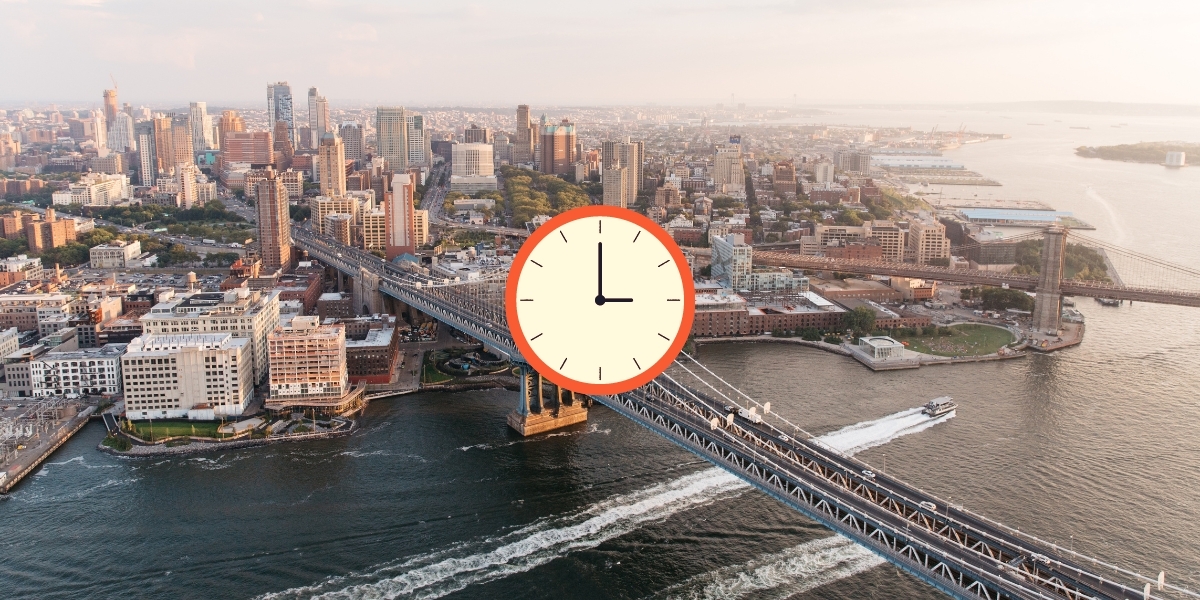
The rhythm of New York shifts dramatically from dawn till dusk, and even beyond. An early morning walk across the Brooklyn Bridge offers serene views of the Manhattan skyline, a stark contrast to the bustling midday energy of Wall Street or Times Square. As the sun sets, the city transforms into a dazzling spectacle of lights, beckoning visitors to enjoy a gourmet meal in the Upper East Side, catch a jazz performance in Harlem, or simply soak in the electric atmosphere of Times Square at night.
Understanding these temporal shifts allows you to curate an experience that transcends mere sightseeing. Imagine starting your day with a sunrise yoga session overlooking the Hudson River, followed by a cultural immersion at Grand Central Terminal, an afternoon exploring the galleries of Chelsea, and concluding with a late-night dessert in Little Italy. Each activity, timed thoughtfully, contributes to a holistic and deeply personal journey through the city.
New York also celebrates numerous seasonal events and festivals that are, by nature, time-dependent. From the Macy’s Thanksgiving Day Parade in November to the Rockefeller Center Christmas Tree Lighting in December, and the SummerStage concerts in Central Park, these events add another layer of temporal planning for tourists seeking specific experiences. Checking the dates and times of these occurrences far in advance is crucial, especially for securing accommodation during peak periods.
Beyond the major attractions, embracing New York’s local culture also means appreciating the temporal nuances of daily life. A classic diner breakfast at 7:00 AM, a bustling lunch rush in the Garment District at 1:00 PM, or late-night street food after a show—each offers a unique taste of the city’s rhythm. Engaging with the city at different times of day allows for diverse experiences, whether it’s the tranquility of an early morning walk along the East River or the vibrant energy of a Friday night out in Lower East Side.
In conclusion, knowing “What’s the time now in New York?” is far more than a simple inquiry; it’s the key to unlocking a truly immersive and stress-free travel experience. From navigating time zones and conquering jet lag to meticulously planning your itinerary and soaking in the city’s diverse rhythms, a keen awareness of the clock ensures that every moment you spend in this extraordinary destination is cherished and maximized. So, adjust your watches, plan wisely, and prepare to dive into the timeless allure of New York!
LifeOutOfTheBox is a participant in the Amazon Services LLC Associates Program, an affiliate advertising program designed to provide a means for sites to earn advertising fees by advertising and linking to Amazon.com. Amazon, the Amazon logo, AmazonSupply, and the AmazonSupply logo are trademarks of Amazon.com, Inc. or its affiliates. As an Amazon Associate we earn affiliate commissions from qualifying purchases.