
For many, the mention of the New York Stock Exchange (NYSE) evokes images of frenetic trading floors, ringing bells, and the very pulse of global finance. Located on Wall Street in the heart of New York City‘s Financial District, the NYSE is more than just a marketplace; it’s a global icon, a monumental landmark, and a magnet for curious travelers and astute business visitors alike. While its primary function revolves around the buying and selling of securities, understanding its operating hours is crucial not only for market participants but also for anyone planning to explore this historic corner of Manhattan.
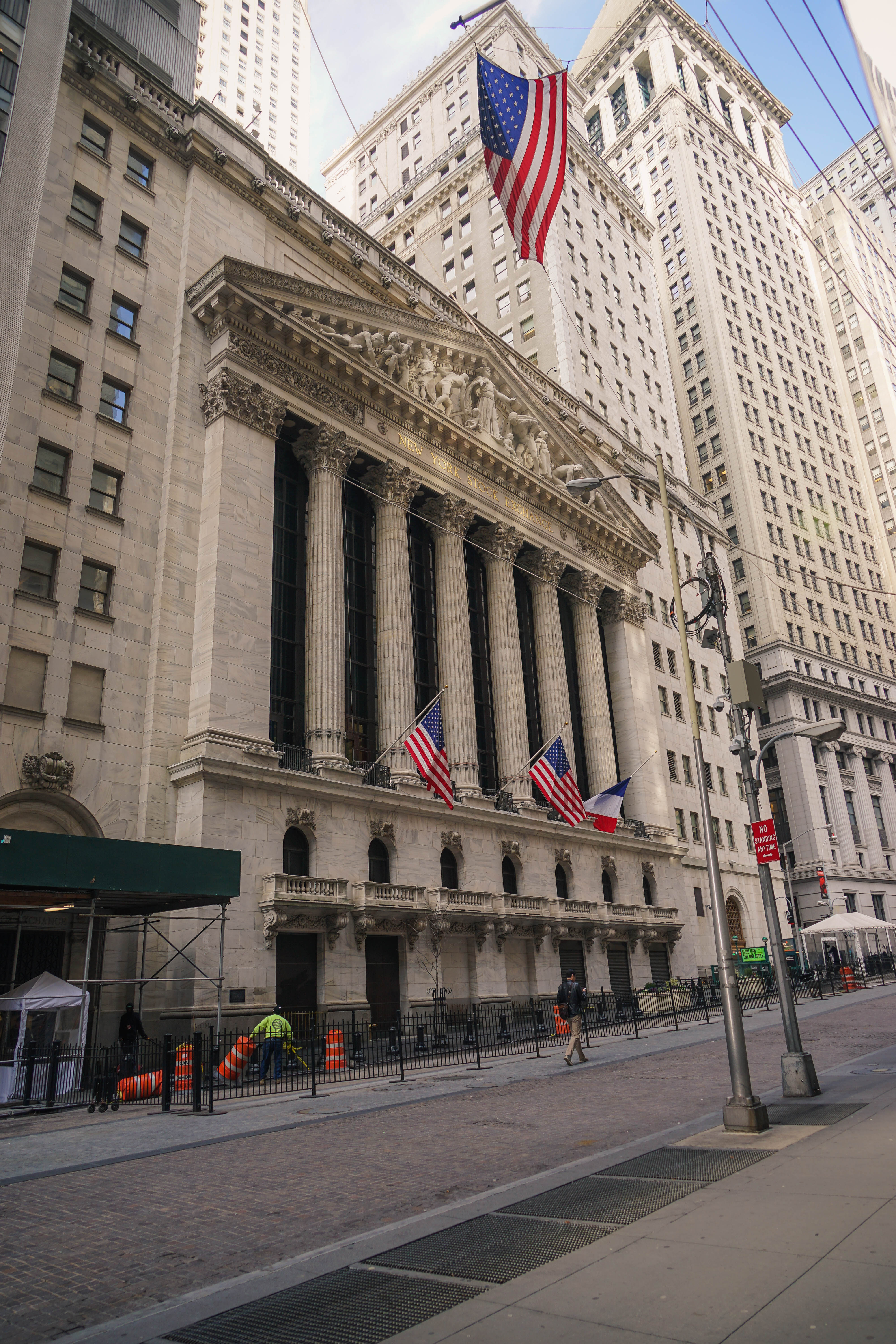
Beyond the specific closing times, the NYSE’s schedule dictates the rhythm of an entire district, influencing everything from the bustle of the streets to the availability of dining options and the overall atmosphere for tourism. For those engaged in business stays, aligning your itinerary with the market’s activity can be key to productive meetings and networking. For the leisure traveler, knowing when the trading floor goes quiet can offer a different, perhaps more serene, perspective on the powerful architecture and rich history that surrounds this financial titan. This guide delves into the specifics of when the NYSE closes and, more importantly, how this impacts your travel and lifestyle experience in one of the world’s most dynamic urban landscapes.
The Pulse of Global Finance: NYSE Trading Hours Explained
Understanding the NYSE’s operational schedule is fundamental to comprehending the daily ebb and flow of the Financial District. While the world of finance is increasingly digital and global, the physical trading floor and its defined hours still hold significant sway, particularly for the vibrant ecosystem of businesses and attractions that surround it.
Standard Operating Schedule and Holidays
The New York Stock Exchange adheres to a remarkably consistent schedule for its regular trading sessions. The market opens at 9:30 AM Eastern Time (ET) and closes promptly at 4:00 PM ET, Monday through Friday. This consistent timeframe forms the backbone of the district’s workday, with thousands of professionals commuting into Lower Manhattan to participate in or support the operations of the financial markets. During these hours, the area around Wall Street buzzes with a unique energy, characterized by hurried pedestrians, professional attire, and a palpable sense of purpose.
However, like most businesses, the NYSE observes several holidays throughout the year, during which the market remains closed. These closures are essential for market integrity, allowing participants a collective pause and preventing sporadic trading on days with reduced liquidity. Key holidays observed by the NYSE include:
- New Year’s Day
- Martin Luther King, Jr. Day
- Washington’s Birthday (Presidents’ Day)
- Good Friday
- Memorial Day
- Juneteenth National Independence Day
- Independence Day
- Labor Day
- Thanksgiving Day
- Christmas Day
Additionally, the NYSE may have early closures on certain days, typically the day before or after a major holiday. For instance, it often closes early (e.g., 1:00 PM ET) on the day before Independence Day and on the Friday after Thanksgiving Day. It is always advisable for serious market watchers or those planning important business meetings to consult the official NYSE calendar for any specific year.
After the Bell: What Happens When the NYSE Closes?
When the closing bell rings at 4:00 PM ET, the immediate intensity on the trading floor dissipates, and the throngs of traders, brokers, and analysts begin to disperse. While the physical trading floor closes, the financial world doesn’t entirely power down. Electronic trading continues in extended-hours sessions, allowing institutional investors to react to news or earnings reports released after the market close. However, for the average visitor or business traveler, the focus shifts from the internal workings of the market to the external transformation of the Financial District.
The end of the trading day marks a distinct shift in the area’s atmosphere. The frenetic energy gives way to a more relaxed pace. Business professionals head to happy hour, networking events, or simply commute home. The streets, while still busy, lose some of their daytime urgency. Weekends, of course, bring an even greater tranquility, with the district taking on a more residential and tourist-friendly feel. This transformation presents a unique opportunity for visitors to experience Wall Street and its surroundings in different lights, appreciating its history and landmarks without the intense corporate rush.
Beyond the Ticker Tape: Experiencing the Financial District as a Tourist
While the internal workings of the New York Stock Exchange are generally off-limits to the public, the building itself and its immediate surroundings are an integral part of any New York City itinerary. The Financial District is a treasure trove of American history, monumental architecture, and compelling public art, offering a fascinating contrast between past and present.
Architectural Grandeur and Historic Significance
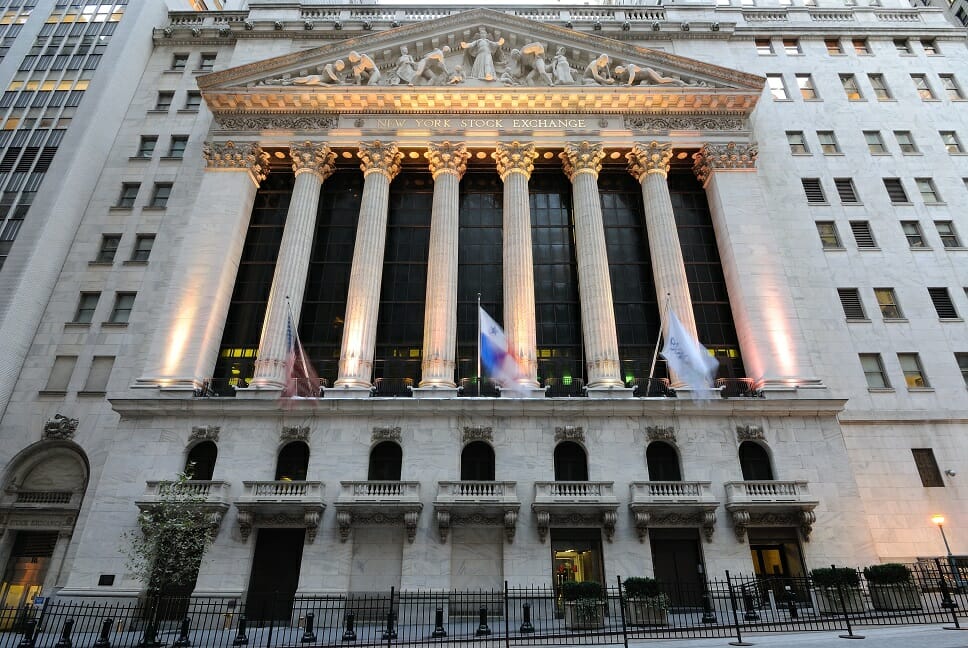
The NYSE building at 11 Wall Street is a magnificent example of neoclassical architecture. Its imposing façade, adorned with Corinthian columns and the allegorical sculptures by J. Massey Rhind, commands respect and conveys the institution’s immense power and stability. Though you can’t enter the trading floor, simply standing outside, gazing up at its grandeur, connects you to centuries of financial history. The sheer scale of the building reminds visitors of the profound economic forces at play within its walls.
Just a stone’s throw away stands the Federal Hall National Memorial, another neoclassical masterpiece. This site holds immense historical significance as the location where George Washington was inaugurated as the first President of the United States in 1789. Visitors can explore exhibits detailing early American government and the Bill of Rights. Across the street from the NYSE is the historic Trinity Church, an active Episcopal parish with a picturesque churchyard that provides a tranquil oasis amidst the urban clamor. Its Gothic Revival architecture and deep roots in New York City’s history make it a compelling stop. A short walk north leads to St. Paul’s Chapel, a beautiful Georgian-era church that notably served as a relief center after the 9/11 attacks, a poignant symbol of resilience.
Iconic Sights Around the Financial District
No visit to Wall Street is complete without encountering its most famous residents: the Charging Bull and the Fearless Girl statues. The Charging Bull, a powerful bronze sculpture symbolizing aggressive financial optimism and prosperity, is a must-see for photo opportunities, though be prepared for crowds. The Fearless Girl statue, originally placed opposite the Charging Bull and now situated directly facing the NYSE, has become a symbol of female empowerment and diversity in leadership. Visiting these statues offers a chance to engage with contemporary discussions about finance and society. The best time to photograph these iconic sculptures without immense crowds is often early morning or late evening, especially on weekends when the NYSE is closed and the financial workers are not present.
Expanding your exploration, the Financial District is also home to the profoundly moving 9/11 Memorial & Museum, a solemn tribute to the lives lost during the September 11, 2001 attacks. The twin reflecting pools, situated in the footprints of the former Twin Towers, offer a place for quiet contemplation. Adjacent to this site is the awe-inspiring One World Observatory, which provides breathtaking panoramic views of New York City, the Statue of Liberty, and beyond. Further south, Battery Park offers stunning waterfront views and is the departure point for ferries to the Statue of Liberty and Ellis Island, two of America‘s most cherished historical sites. The contrast between the intense, high-stakes atmosphere during trading hours and the more reflective or celebratory ambiance outside these times makes the Financial District a truly multifaceted destination.
Accommodation, Cuisine, and Lifestyle in the Financial District
The Financial District has undergone a significant transformation in recent decades, evolving from a strictly nine-to-five business hub into a vibrant, 24/7 neighborhood offering an array of hotels, dining experiences, and cultural attractions. For both business and leisure travelers, staying in this dynamic part of Lower Manhattan provides unique opportunities and unparalleled access to historical landmarks.
Staying in the Heart of the Action
For those seeking accommodation in close proximity to the New York Stock Exchange and its surrounding attractions, the Financial District boasts an impressive selection of hotels, catering to various lifestyle preferences and budgets. Many of these establishments blend historic charm with modern amenities, perfect for a comfortable stay.
Luxury options include The Wall Street Hotel, which offers sophisticated design and top-tier service, making it ideal for business travelers or those on a luxury travel excursion. The Conrad New York Downtown provides spacious suites and stunning views of the Hudson River, offering a serene escape amidst the urban bustle. For a more contemporary and vibrant atmosphere, the W New York – Downtown offers stylish rooms and a lively bar scene, appealing to a younger, trend-conscious demographic. Other notable options include Andaz Wall Street and Gild Hall, a Thompson Hotel, both known for their unique character and excellent service. These hotels provide not only convenient access to the NYSE but also to major subway lines, connecting you easily to all parts of New York City.
Culinary Experiences: From Power Lunches to Evening Indulgences
The Financial District’s cuisine scene is as diverse as its population. During trading hours, the area thrives on quick, efficient, and often high-end dining options tailored for power lunches and business meetings. From classic steakhouses to modern American cuisine, there’s an establishment to suit every palate and purpose.
However, it’s after the NYSE closes that the district truly comes alive for a different kind of culinary adventure. Stone Street, a historic cobblestone alley, transforms into a pedestrian-only haven lined with popular restaurants and lively pubs offering outdoor seating. This spot is perfect for enjoying a casual dinner or drinks with colleagues and friends, providing a stark contrast to the daytime formality. Beyond Stone Street, numerous acclaimed restaurants offer sophisticated dining experiences, perfect for a romantic evening or a celebratory dinner. The area also boasts a growing number of casual eateries, cafes, and gourmet markets, catering to residents and visitors alike who appreciate quality food and a relaxed atmosphere.
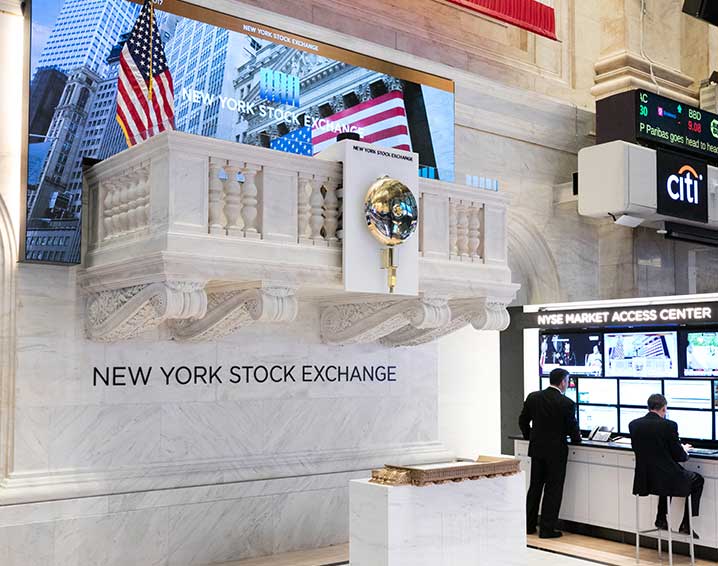
A Different Vibe: Financial District After Dark and on Weekends
The most striking aspect of the Financial District for travelers is its dramatic transformation once the trading day concludes and especially on weekends. When the New York Stock Exchange is closed, the frantic pace gives way to a more tranquil and reflective environment. The streets, while still active, become less congested, allowing for leisurely strolls and a deeper appreciation of the historic architecture and public art.
Evenings in the Financial District are perfect for enjoying a leisurely dinner, catching a show at a nearby theater, or simply taking a walk along the waterfront. The area offers stunning views of the Brooklyn Bridge, the Statue of Liberty, and the New Jersey skyline. Weekends present an ideal opportunity for tourism-focused activities, such as exploring the 9/11 Memorial & Museum, ascending to the One World Observatory, or taking a ferry from Battery Park to Ellis Island. The district also hosts various cultural events and farmers’ markets on weekends, adding to its charm and making it a well-rounded destination for any type of traveler. This blend of historic gravitas and modern urban lifestyle truly sets the Financial District apart.
In conclusion, while the New York Stock Exchange typically closes at 4:00 PM ET on weekdays, its schedule is just one facet of the rich tapestry that is the Financial District. Whether you’re a business traveler looking to network, a history enthusiast eager to explore iconic landmarks, or a leisure tourist seeking a unique New York City experience, understanding the rhythm of this powerful district allows for a more informed and enriching travel itinerary. From its grand architecture to its vibrant cuisine and diverse accommodation options, the area around the NYSE offers a captivating blend of global finance and unforgettable urban adventure, regardless of whether the market is open or closed.
LifeOutOfTheBox is a participant in the Amazon Services LLC Associates Program, an affiliate advertising program designed to provide a means for sites to earn advertising fees by advertising and linking to Amazon.com. Amazon, the Amazon logo, AmazonSupply, and the AmazonSupply logo are trademarks of Amazon.com, Inc. or its affiliates. As an Amazon Associate we earn affiliate commissions from qualifying purchases.