
For visitors planning a trip to the vibrant metropolis of New York City, understanding the rhythms of this global hub extends beyond knowing the best times to visit Times Square or secure a Broadway show ticket. While the political landscape might seem distant from a tourist’s itinerary, the administration led by the New York City Mayor profoundly influences everything from public safety and infrastructure to the funding of cultural institutions and the regulation of short-term accommodations. Knowing when the New York City mayoral election occurs, and understanding its implications, can offer a richer context for your visit, whether you’re seeking luxury travel experiences or budget-friendly adventures.

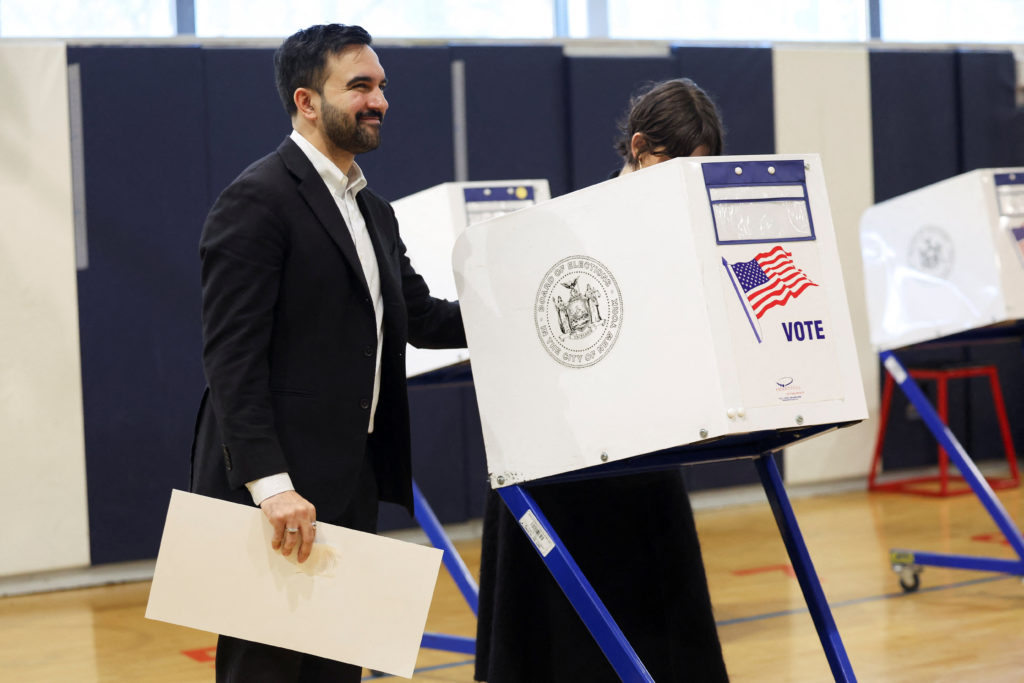
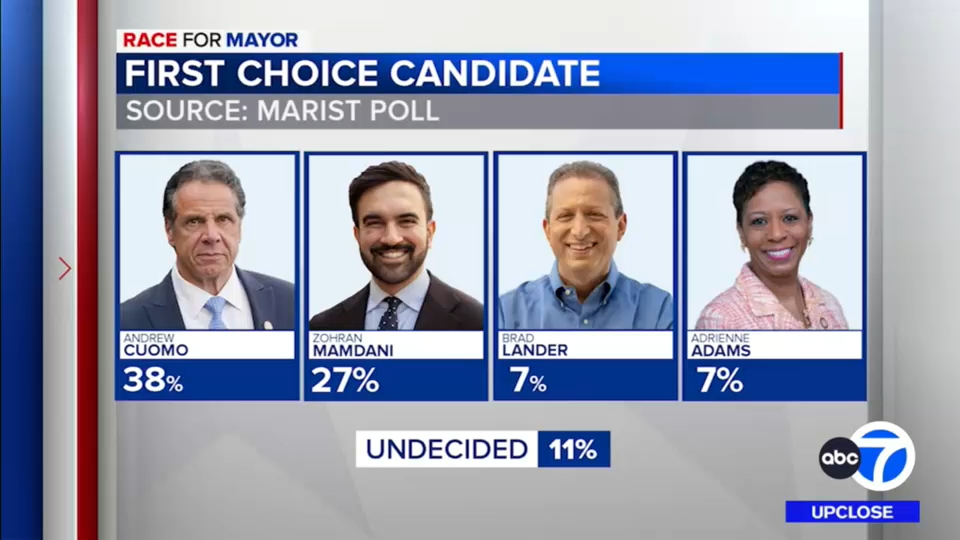
The election for the Mayor of New York City is held every four years in odd-numbered years. This means that after the last election in 2021, the next mayoral election will take place in November 2025. These elections are crucial, as the Mayor holds significant power over the executive branch of the city government, overseeing a vast budget and a sprawling bureaucracy responsible for everything from sanitation and transportation to policing and economic development. The political calendar typically involves primary elections held earlier in the year (often in June) for major parties like the Democratic Party and the Republican Party, followed by the general election in November. While election day itself rarely impacts tourist activities directly, the preceding campaigns and the subsequent policy shifts can subtly, or sometimes overtly, shape the travel and lifestyle experience in this iconic American city.
The Mayor’s Influence on Tourism, Culture, and Urban Development
The vision and priorities of the New York City Mayor are inextricably linked to the city’s appeal as a global tourism destination and its residents’ quality of life. From the moment you land at JFK Airport, LaGuardia Airport, or even Newark Liberty International Airport in New Jersey, the efficiency of the public transit system (MTA), the cleanliness of the streets, and the safety of its neighborhoods are all directly influenced by mayoral policies and resource allocation. A mayor focused on public safety and urban revitalization, for instance, might invest in increased police presence in tourist-heavy areas or fund beautification projects in parks like Central Park and the Brooklyn Bridge Park, enhancing the overall visitor experience.
Moreover, the Mayor plays a pivotal role in promoting New York City’s vibrant cultural scene. The city’s array of world-class museums, such as the Metropolitan Museum of Art, the Museum of Modern Art, and the Guggenheim Museum, often receive city funding or rely on city permits for major exhibitions and events. Support for the arts, from Broadway theaters to small community art spaces, helps maintain the creative energy that draws millions of tourists annually. The Mayor’s administration also facilitates major events that define the New York City experience, such as the Macy’s Thanksgiving Day Parade, the New Year’s Eve ball drop in Times Square, and numerous street festivals across all five boroughs—Manhattan, Brooklyn, Queens, The Bronx, and Staten Island. These events, which are meticulously planned and require extensive logistical support, would not be possible without strong city leadership.
Urban development policies also fall under mayoral purview, directly impacting the availability and type of accommodations. A mayor might encourage the construction of new luxury hotels in areas like Midtown Manhattan or Downtown Brooklyn, or conversely, prioritize affordable housing projects that might indirectly limit new hotel development. Regulations surrounding short-term rentals, such as the widely discussed Local Law 18 which significantly restricts Airbnb-style rentals for stays under 30 days without a host present, are direct outcomes of mayoral and City Council decisions. These policies have a tangible effect on visitors’ accommodation choices, pushing many towards traditional hotels, from grand establishments like The Plaza Hotel and The St. Regis New York to boutique options like The Ludlow Hotel or budget-friendly hostels. Understanding these regulatory shifts can be crucial for planning your stay and managing your travel budget effectively.
Navigating New York City Accommodations and Attractions
When considering hotels in New York City, the range is as diverse as the city itself. Luxury hotels, often found near Fifth Avenue or in areas like Tribeca, offer unparalleled service and amenities, frequently boasting stunning views of landmarks like the Empire State Building or the Statue of Liberty. These establishments, such as The Peninsula New York or Four Seasons Hotel New York Downtown, cater to discerning travelers seeking a refined lifestyle experience. On the other end of the spectrum, budget hotels and hostels in neighborhoods like Long Island City or parts of Brooklyn provide cost-effective options without sacrificing access to the city’s vast transit network.
The Mayor’s focus on maintaining public spaces and attractions directly impacts the experience at iconic landmarks. A commitment to green initiatives, for example, can enhance the natural beauty of Central Park, making it a more pleasant retreat from the urban bustle. Likewise, funding for the maintenance of historic sites like Grand Central Terminal or the 9/11 Memorial & Museum ensures these significant locations remain accessible and well-preserved for generations of visitors. Even less conventional attractions, like the rides at Coney Island or the arts scene in Greenwich Village and SoHo, benefit from city regulations that ensure safety, cleanliness, and vibrancy. For travelers interested in unique experiences, a mayoral administration that supports local businesses and community events can lead to a more authentic and diverse range of activities beyond the typical tourist traps.
Planning Your New York Visit Around the Election Cycle
While mayoral elections are not generally a deterrent for tourism, understanding the timing can be useful for specific types of travelers. During the peak campaign season (usually the spring and summer leading up to the November election), you might observe more political rallies, speeches, or campaign signage around the city. While these events are typically peaceful, they can occasionally lead to localized traffic disruptions or larger crowds in certain areas, particularly around City Hall in Lower Manhattan or public squares. However, for most tourists, these are minor considerations.
For those interested in the deeper societal fabric of New York City, visiting during an election year offers a unique opportunity to witness American democracy in action. You might overhear spirited debates in coffee shops, see candidates shaking hands at public markets, or read about local issues in the New York Times or New York Post. This can add another layer of cultural immersion to your trip, providing insights into the concerns and aspirations of New Yorkers.
Crucially, the long-term impact of an election is far more significant than any short-term disruptions. A newly elected mayor or a returning incumbent will set the tone for the city’s development over the next four years. This can influence investments in public transportation, making it easier or more challenging to navigate from your hotel in Queens to attractions in Manhattan. It can affect the city’s approach to sustainability and green spaces, impacting your enjoyment of parks and outdoor activities. And it can shape economic policies that might encourage new businesses, further diversifying the city’s renowned culinary scene or shopping districts like Fifth Avenue and SoHo.
The Enduring Appeal of New York City Beyond Politics
Regardless of who occupies Gracie Mansion, the official residence of the New York City Mayor, the city’s fundamental allure remains constant. Its towering skyscrapers, from the historic Empire State Building to the modern One World Trade Center, continue to inspire awe. The vibrant neighborhoods, each with its distinct character, offer endless exploration opportunities, whether you’re strolling through the cobblestone streets of Greenwich Village, admiring the street art of Bushwick, or enjoying the panoramic views from Governors Island.
New York City is a melting pot of cultures, reflected in its diverse culinary scene, where you can find everything from Michelin-starred restaurants to authentic street food. The city’s accommodation options cater to every preference, from opulent suites in Midtown offering concierge services to cozy apartments in Brooklyn for a more local experience. Travelers can choose between luxury travel packages, family-friendly resorts with kid-centric amenities, or budget travel options that allow for extended stays. The city’s lifestyle, characterized by its fast pace and endless opportunities, ensures that every visit is unique.
While the mayoral election is a significant event for New Yorkers and those deeply invested in urban governance, for the average traveler, it represents a contextual backdrop rather than a primary concern. The city’s tourism industry, robust and resilient, is designed to welcome visitors year-round, offering an unparalleled array of experiences. Whether you’re interested in history and architecture, world-class entertainment, culinary adventures, or simply soaking in the electric atmosphere, New York City always delivers. Staying informed about city affairs, even politically, can deepen your appreciation for this dynamic destination and help you understand the forces that continuously shape its evolving landscape. So, mark your calendars for November 2025 if you’re keen to witness New York City’s democratic process in action, but rest assured, the city’s magic is always on full display.
LifeOutOfTheBox is a participant in the Amazon Services LLC Associates Program, an affiliate advertising program designed to provide a means for sites to earn advertising fees by advertising and linking to Amazon.com. Amazon, the Amazon logo, AmazonSupply, and the AmazonSupply logo are trademarks of Amazon.com, Inc. or its affiliates. As an Amazon Associate we earn affiliate commissions from qualifying purchases.