
When one considers the vibrant tapestry of New York, a city that has captivated the world with its towering skyscrapers, bustling streets, and unparalleled cultural dynamism, the question of its “founders” might initially evoke images of legendary figures and colonial pioneers. However, the narrative of New York’s inception is far richer and more complex than a simple list of names. It’s a story woven from the threads of indigenous heritage, early European exploration, and the relentless spirit of trade and innovation that has defined this metropolis for centuries. To truly understand the “founders” of New York, we must look beyond a singular moment and acknowledge the multifaceted origins that have shaped its identity.
The Indigenous Stewards: Lenapehoking and the Original Inhabitants
Long before any European ships appeared on the horizon, the land that would become New York was the ancestral home of the Lenape people, who called this region Lenapehoking. The name itself, meaning “Land of the Lenape,” signifies a deep and enduring connection to the territory. The Lenape, a proud and sophisticated nation, were adept farmers, hunters, and fishermen, living in harmony with the natural bounty of the land and its waterways. Their presence established the initial human footprint on this strategically vital landscape, their villages and trails charting the very arteries that would later be utilized by newcomers.
A Land of Connection and Exchange
The Lenape understood the significance of the area’s waterways, particularly the Hudson River, which they knew as the Mahicannituck, or “river that flows both ways.” This natural highway facilitated trade and communication not only among different Lenape bands but also with neighboring tribes. They established settlements in areas that would later become iconic New York locales, such as Manhattan, Long Island, and the Hudson Valley. Their sophisticated understanding of the environment, their sustainable practices, and their established networks of exchange laid a crucial, albeit often overlooked, foundation for the future development of the region. The Lenape were the first architects of community in this locale, their lives and traditions forming the original cultural bedrock upon which subsequent layers of history would be built. Their legacy is imprinted in the very geography of the region, a testament to their enduring presence and their role as the original stewards of this land.
The European Vanguard: Exploration and Early Settlements
The arrival of Europeans marked a pivotal turning point in the history of New York. While various explorers traversed the waters of the region, it was the Dutch who established the first permanent European settlement, laying the groundwork for what would eventually become one of the world’s most influential cities. This era was characterized by ambition, the pursuit of commerce, and a clash of cultures.
Henry Hudson and the Dutch West India Company

The most recognizable name associated with the early European exploration of the region is Henry Hudson. Sailing under the Dutch flag for the Dutch East India Company in 1609, Hudson explored the river that now bears his name, the Hudson River. His voyage was primarily motivated by the search for a westward passage to Asia, but it revealed the immense potential of the New World for trade, particularly in furs. This exploration paved the way for the establishment of the Dutch West India Company, chartered in 1621, which played a central role in the colonization of New Netherland, the Dutch colony that encompassed the present-day New York region.
Peter Minuit and the Purchase of Manhattan
The establishment of a significant European presence was solidified with the arrival of the Dutch West India Company in the early 1620s. In 1624, the first settlers arrived, establishing a presence at Fort Orange (present-day Albany) and on Governors Island. However, the most iconic event attributed to the “founding” by the Dutch occurred in 1626. Peter Minuit, the Director-General of New Netherland, is famously credited with “purchasing” the island of Manhattan from the Lenape for goods valued at 60 Dutch guilders. While the concept of land ownership differed significantly between the Europeans and the Lenape, this transaction marked the formal beginning of Dutch settlement on Manhattan and the establishment of New Amsterdam, the precursor to New York City. This act, though steeped in historical controversy regarding the nature of the “purchase” and the understanding of land rights, undeniably cemented European claims and initiated the city’s trajectory as a major center of trade and habitation.
The English Transformation: From New Amsterdam to New York
The Dutch hold on New Netherland was relatively short-lived. The strategic importance and burgeoning economic potential of the region did not go unnoticed by the English, who sought to consolidate their control over the eastern seaboard of North America. This shift in power brought about another significant transformation in the identity and governance of the nascent colony.
The Duke of York and the Renaming of the Colony
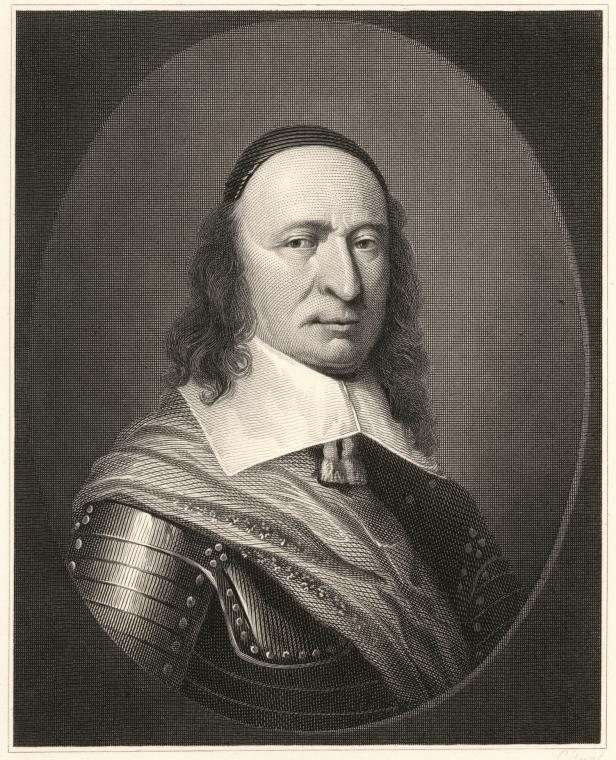
In 1664, during the Second Anglo-Dutch War, an English fleet arrived and demanded the surrender of New Amsterdam. The Dutch governor, Peter Stuyvesant, with limited resources and facing overwhelming odds, ultimately surrendered the colony without a shot fired. The English renamed the city New York in honor of the Duke of York, who was granted the territory by his brother, King Charles II of England. This renaming symbolized the transfer of power and the beginning of a new era under English rule. The English administration brought with it its own systems of governance, law, and social structure, further shaping the evolving character of the settlement.

The Legacy of Diverse Influences
While the English formally took control, the foundation laid by the Dutch, and the original presence of the Lenape, continued to influence the development of New York. The city’s early growth was driven by trade, its harbor a gateway for goods and people from across the globe. The diverse population that began to gather in New York reflected this mercantile spirit, attracting individuals from various European nations and eventually, through the forced migration of the transatlantic slave trade, enslaved Africans. The “founders” of New York, therefore, are not a monolithic group but a composite of indigenous peoples who first inhabited the land, European explorers and colonizers who sought to claim it, and the subsequent waves of immigrants and inhabitants who, through their labor and aspirations, have continuously built and redefined this extraordinary city. The enduring spirit of New York is a testament to this layered history, a fusion of peoples and ambitions that continues to shape its identity today.
LifeOutOfTheBox is a participant in the Amazon Services LLC Associates Program, an affiliate advertising program designed to provide a means for sites to earn advertising fees by advertising and linking to Amazon.com. Amazon, the Amazon logo, AmazonSupply, and the AmazonSupply logo are trademarks of Amazon.com, Inc. or its affiliates. As an Amazon Associate we earn affiliate commissions from qualifying purchases.