
The question of “who founded New York City?” is more complex than it might first appear, much like the multifaceted history of the city itself. Unlike many urban centers founded by a single visionary individual or a definitive decree, the origins of New York City are intertwined with exploration, trade, colonial ambitions, and a succession of names. What began as a strategic trading post eventually blossomed into a global metropolis, a premier travel destination and a beacon of diverse cultures. To understand its genesis, we must journey back to the early 17th century, exploring the European arrivals, the indigenous inhabitants, and the pivotal moments that shaped this iconic location.
Today, visitors flock to New York City for its iconic landmarks, vibrant local culture, and unparalleled experiences. From luxury hotels and stylish apartments offering stunning skyline views to hidden culinary gems and world-class attractions, the city caters to every lifestyle and interest. But beneath the modern facade of skyscrapers and bustling avenues lies a rich historical tapestry, with threads leading directly back to its Dutch and English colonial past. Understanding who laid the groundwork helps us appreciate the deep layers of history that continue to define the city’s unique character.
The Seeds of a Metropolis: Early Explorations and Claims
The story of New York City truly begins with the European ‘discovery’ of its magnificent harbor and the surrounding waterways. However, long before any European set foot on its shores, the area was home to thriving indigenous communities.
Henry Hudson’s Voyage and the Dutch East India Company
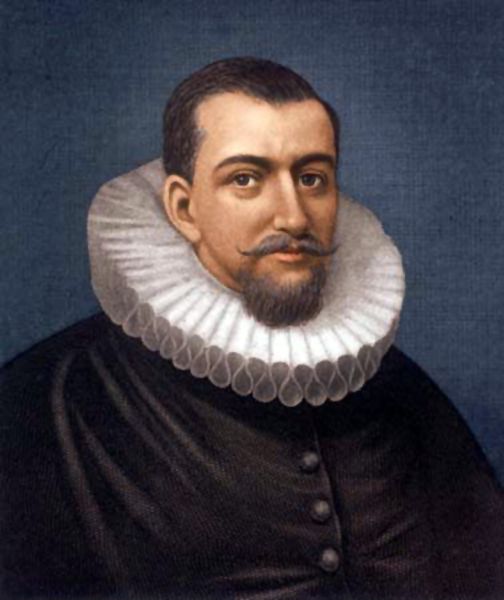
In 1609, an English sea captain named Henry Hudson, employed by the Dutch East India Company, sailed his ship, the Half Moon, into what is now known as New York Bay. His mission was to find a westward passage to Asia, a famed shortcut to the lucrative spice markets. While he didn’t find the passage, he did discover a massive, navigable river, which now bears his name: the Hudson River.
Hudson’s voyage was instrumental in bringing this rich region to the attention of the Netherlands. He noted the abundance of beaver and otter, whose pelts were highly prized in Europe for the fur trade. This discovery immediately piqued the interest of Dutch merchants, who saw immense potential for profit in establishing a trade network with the indigenous inhabitants. This early exploration set the stage for Dutch colonization and marked the true beginnings of what would become a global center for commerce and travel.
The Indigenous Inhabitants: The Lenape People
Before any European claims, the land now known as Manhattan Island and its surrounding areas were the ancestral homeland of the Lenape people (also known as the Delaware Indians). The Lenape had lived in harmony with the abundant nature of the region for thousands of years, developing sophisticated societies, vibrant local culture, and extensive trade networks. They utilized the land’s resources, fishing in the rivers, hunting in the forests, and cultivating crops like maize, beans, and squash.
Their seasonal movements and practices were deeply connected to the environment, and they viewed land ownership very differently from the Europeans. For the Lenape, land was a communal resource to be used and respected, not a commodity to be bought and sold in perpetuity. This fundamental difference in understanding would lead to misunderstandings and tragic consequences as European settlers arrived, eager to establish permanent settlements and exert colonial control. It’s crucial to remember that the “founding” of New York City involved an interaction, and often a displacement, of a vibrant existing civilization.
From New Amsterdam to a Bustling Trade Post
The promising reports from Henry Hudson’s voyage led to increased Dutch activity in the area. Initial expeditions focused on establishing trading posts along the Hudson River, but soon, the need for a more permanent settlement became apparent.
Peter Minuit and the Legendary Purchase of Manhattan Island
In 1621, the Dutch West India Company was formed, granted a monopoly on trade in the Americas and West Africa. Their primary goal was to establish a profitable fur trade with the Lenape and other indigenous groups. To solidify their claim and create a secure base, the company dispatched Peter Minuit as the Director-General of New Netherland in 1626.
Minuit’s most famous act, and arguably the closest thing to a “founding moment” for New York City, was his purchase of Manhattan Island from a band of Lenape for goods valued at 60 Dutch guilders (often cited as around $24 United States dollars at the time). This transaction is legendary, though its exact nature and the understanding between both parties remain subjects of historical debate. As mentioned, the Lenape likely understood this as granting shared access or usage rights, rather than a permanent transfer of ownership in the European sense. Regardless, for the Dutch, this purchase provided the legal and symbolic foundation for their burgeoning settlement, which they named New Amsterdam, establishing Fort Amsterdam at its southern tip.
Life in New Amsterdam: A Diverse Settlement
New Amsterdam quickly grew into a vibrant, if somewhat unruly, trade hub. Its strategic location at the mouth of the Hudson River made it ideal for controlling access to the interior and facilitating trade. The settlement was characterized by an astonishing degree of diversity, even in its early years. While Dutch was the official language, many other tongues could be heard, reflecting the various nationalities that arrived seeking opportunity.
Settlers included Walloons (French-speaking Protestants from what is now Belgium), French Huguenots, Germans, Scandinavians, and even a small community of Sephardic Jews who arrived from Brazil. A significant, though tragic, part of this early diversity was the presence of enslaved Africans, brought by the Dutch West India Company to provide labor for infrastructure projects and agriculture. This early mix of cultures, languages, and religions laid the groundwork for the future New York City’s reputation as a melting pot and a global center for tourism and lifestyle. The challenges of governing such a disparate group contributed to the development of a unique, pragmatic, and often tolerant urban spirit.
Governance and Growth under the Dutch West India Company

The early years of New Amsterdam were marked by intermittent conflicts with indigenous groups and challenges in establishing stable governance. The Dutch West India Company was primarily interested in profits from the fur trade, and sometimes neglected the needs of the settlers. Successive Director-Generals, most notably Willem Kieft and Peter Stuyvesant, grappled with issues ranging from defense to establishing a legal framework.
Stuyvesant, who arrived in 1647, was a formidable figure who brought a degree of order and development to the unruly settlement. He oversaw the construction of schools, hospitals, and basic infrastructure, including a protective wall across the northern edge of the settlement – the origin of modern Wall Street. He also implemented stricter laws and regulations, though often with a heavy hand. Despite his autocratic style, Stuyvesant’s efforts significantly contributed to the growth and prosperity of New Amsterdam, solidifying its position as a crucial port in New Netherland and foreshadowing its eventual status as a global hub for business and travel.
The English Arrival and the Birth of New York
The Dutch hold on New Netherland was always precarious, sandwiched between the established English colonies of New England to the north and Virginia to the south. Geopolitical tensions between England and the Netherlands ultimately determined the fate of New Amsterdam.
The Anglo-Dutch Wars and the Surrender of New Amsterdam
By the mid-17th century, England and the Netherlands were formidable maritime powers, constantly vying for control of global trade routes and colonial territories. The strategic importance of New Netherland, particularly its excellent harbor, was not lost on the English. It provided a valuable gateway to the interior and disrupted the continuity of English colonial holdings along the Atlantic seaboard.
In 1664, during a period of escalating tensions that would lead to the Second Anglo-Dutch War, King Charles II of England granted his brother, James, the Duke of York, all the land between the Connecticut River and the Delaware River – territory that unequivocally included New Netherland. Without a formal declaration of war, an English fleet, commanded by Colonel Richard Nicolls, sailed into New Amsterdam’s harbor and demanded its surrender.
Despite Peter Stuyvesant’s initial defiance and desire to fight, the town’s citizens, eager to avoid bloodshed and weary of the Dutch West India Company’s often-heavy-handed rule, refused to support a defense. Outnumbered and outgunned, Stuyvesant was forced to surrender New Amsterdam to the English without a shot being fired on September 8, 1664. This bloodless conquest marked a significant turning point in the city’s history.
Renaming and Royal Patronage: The Duke of York
Immediately after the surrender, the English wasted no time in asserting their new authority. New Amsterdam was promptly renamed New York in honor of the proprietor, the Duke of York. New Netherland itself was reorganized into several English colonies, including the province of New York and New Jersey.
The English period saw continued growth and diversification. While the Dutch influence gradually waned, it never entirely disappeared, leaving a lasting legacy in architecture, place names, and aspects of the city’s pragmatic commercial culture. The establishment of English law and governance provided a more stable framework for expansion, and New York continued its trajectory as a vital port and a melting pot of peoples. This consolidation under English rule cemented the city’s position as a burgeoning center of trade and population, laying the foundations for its eventual role as the most populous city in the United States and a global economic powerhouse.
Echoes of the Past: Experiencing Early New York Today
While the skyline of modern New York City might seem light-years away from the modest Dutch settlement, traces of its early history are remarkably present for those who know where to look. For travelers interested in history, the origins of this incredible city offer fascinating insights and unique attractions.
Walking Through History: Lower Manhattan’s Historic Sites
Lower Manhattan is the cradle of New York City, where New Amsterdam once stood. A walk through its narrow, winding streets reveals echoes of the past, making it an excellent destination for history buffs.
- Bowling Green: This small park at the foot of Broadway is the oldest public park in the city, established in 1733, but its history goes back further. It was originally a parade ground and cattle market in New Amsterdam, located just outside Fort Amsterdam.
- The Site of Fort Amsterdam: While the fort itself is long gone, its footprint is now occupied by the Alexander Hamilton U.S. Custom House, which also houses the National Museum of the American Indian. This site offers a poignant reminder of both the colonial military presence and the indigenous peoples whose land it once was.
- Wall Street: The iconic financial district derives its name from the wooden wall built by the Dutch in the 1650s to protect the northern boundary of New Amsterdam from English and indigenous attacks. Exploring this area gives a sense of the scale and ambition of the early settlement.
- Stone Street: One of the oldest paved streets in New York, Stone Street retains much of its charming Dutch character with its cobblestones and historic buildings. Today, it’s a popular spot for food and outdoor dining, allowing visitors to enjoy modern amenities in a deeply historical setting.
- Pearl Street: Once the waterfront of New Amsterdam, this street highlights how much land has been reclaimed over centuries. Its name reflects the oyster shells that once lined the shore.
- Fraunces Tavern Museum: While largely known for its Revolutionary War history (where George Washington bid farewell to his officers), the building itself dates back to 1719, standing as one of the oldest structures in the city and a testament to its enduring past.
- Federal Hall National Memorial: On the site where George Washington took the oath of office as the first president, and where the Bill of Rights was proposed, lies a complex historical narrative stretching back to the earliest days of New Amsterdam’s government.
For those planning family trips or business stays in New York City, dedicating time to explore these foundational landmarks provides a unique perspective on the city’s evolution. Guided tours and self-guided guides are readily available to enhance these experiences.

New York City as a Global Travel Destination: From Its Humble Roots
The journey from a modest fur trading post on Manhattan Island to the dazzling global metropolis we know today is nothing short of extraordinary. The early principles of trade, diversity, and resilience forged in New Amsterdam continue to define New York City. The city’s original character as a hub for different peoples and ideas has only intensified over centuries, making it one of the world’s most dynamic destinations.
Modern New York City offers an unparalleled array of accommodation options, from luxury travel resorts with stunning amenities to budget travel hostels and charming boutique hotels. Whether you’re seeking long-term stay apartments or short-term suites, booking platforms provide extensive reviews and comparison tools to help plan your visit. From the vibrant energy of Times Square and the architectural marvel of the Empire State Building to the poignant history of Ellis Island and the inspiring presence of the Statue of Liberty, the city offers a complete spectrum of tourism activities.
The story of who founded New York City is not one of a single individual, but rather a compelling narrative of exploration, colonization, and the remarkable endurance of a place destined for greatness. It’s a story woven by Dutch traders, indigenous inhabitants, English conquerors, and countless immigrants who, over four centuries, contributed to building the unparalleled global icon that stands today. Every visit to New York City is not just a journey through a modern marvel but also a subtle walk through centuries of captivating history.
LifeOutOfTheBox is a participant in the Amazon Services LLC Associates Program, an affiliate advertising program designed to provide a means for sites to earn advertising fees by advertising and linking to Amazon.com. Amazon, the Amazon logo, AmazonSupply, and the AmazonSupply logo are trademarks of Amazon.com, Inc. or its affiliates. As an Amazon Associate we earn affiliate commissions from qualifying purchases.