
New York City, a pulsating heart of culture, commerce, and innovation, stands as one of the world’s most iconic and sought-after destinations. From its soaring skyscrapers and world-class museums to its diverse neighborhoods and culinary scene, the city offers an unparalleled experience for every traveler. But beyond the glittering facades and bustling avenues, the city’s character is profoundly shaped by its leadership. The mayors of New York City play a pivotal role in charting its course, influencing everything from urban development and public safety to the very fabric of daily life for residents and the millions of tourists who visit annually.

Understanding the contributions of the city’s past leaders provides invaluable insight into how New York City has evolved into the global travel hub it is today. Their policies and visions have directly impacted the growth of landmarks, the development of accommodation options, the vibrancy of its tourism sector, and the unique lifestyle that captivates the world. This article delves into the tenures of the last five mayors of New York City, exploring their legacies and how their time in office has indelibly shaped the city we experience today, from a travel and lifestyle perspective.
Shaping the Modern Metropolis: A Mayoral Legacy
The journey of New York City through the past few decades has been one of dramatic transformation, resilience, and continuous reinvention. Each of the last five mayors has left an indelible mark, responding to unique challenges and seizing opportunities that have directly influenced the city’s appeal as a premier destination and its capacity to welcome visitors from across the globe.
Eric Adams: The Post-Pandemic Era and Future Horizons (2022-Present)
Taking office in January 2022, Eric Adams inherited a New York City grappling with the profound aftermath of the COVID-19 pandemic. His administration has largely focused on public safety, economic recovery, and rebuilding confidence in the city’s future. For the tourism sector, Adams’ emphasis on restoring a sense of order and cleanliness has been crucial. A safer, more vibrant city directly translates to increased appeal for travelers and encourages them to explore beyond the well-trodden paths of Manhattan to discover the hidden gems in Brooklyn, Queens, and the Bronx.
His initiatives have aimed at revitalizing NYC‘s cultural heartbeat and nightlife, recognizing that these elements are fundamental to the New York lifestyle and a major draw for visitors seeking authentic experiences. Efforts to support small businesses and foster culinary innovation contribute to the city’s reputation as a gastronomic paradise, appealing to foodie travelers and those looking for unique dining experiences. The administration also champions sustainability, with policies that will likely lead to more eco-friendly hotels and attractions in the future, aligning with the growing trend of responsible tourism. While still early in his tenure, Adams is working to ensure that New York City remains not just a resilient metropolis, but a welcoming and exciting destination for all. This period is also seeing a resurgence in the hotel market, with new boutique hotels and luxury apartments emerging to cater to the evolving demands of both business travelers and leisure guests.
Bill de Blasio: Progressive Governance and Urban Development (2014-2021)
Bill de Blasio’s two terms were marked by a focus on progressive policies aimed at addressing income inequality and improving the lives of working-class New Yorkers. While these policies were not always directly related to tourism, they had significant indirect impacts on the city’s lifestyle and infrastructure. His signature initiative, universal pre-kindergarten, boosted family well-being, which in turn contributes to the stability of communities where many tourism industry workers reside. Affordable housing initiatives, a cornerstone of his administration, aimed to keep a diverse workforce in the city, which is vital for maintaining the vibrant character that attracts visitors.
The latter part of his second term was defined by the unprecedented challenge of the COVID-19 pandemic. The city’s response, including lockdowns and health measures, drastically impacted the travel and hospitality sectors. Empty hotels, closed Broadway shows, and quiet attractions painted a stark picture of a city on pause. However, de Blasio’s administration also oversaw the initial phases of the city’s adaptation and eventual reopening efforts, laying the groundwork for recovery. Despite the challenges, New York City remained a resilient destination, with its essential charm awaiting the return of travelers as restrictions eased. His tenure also saw continued development of public spaces, although the focus was often on community benefit rather than large-scale tourist landmarks.
Michael Bloomberg: The Billionaire Mayor and Urban Transformation (2002-2013)
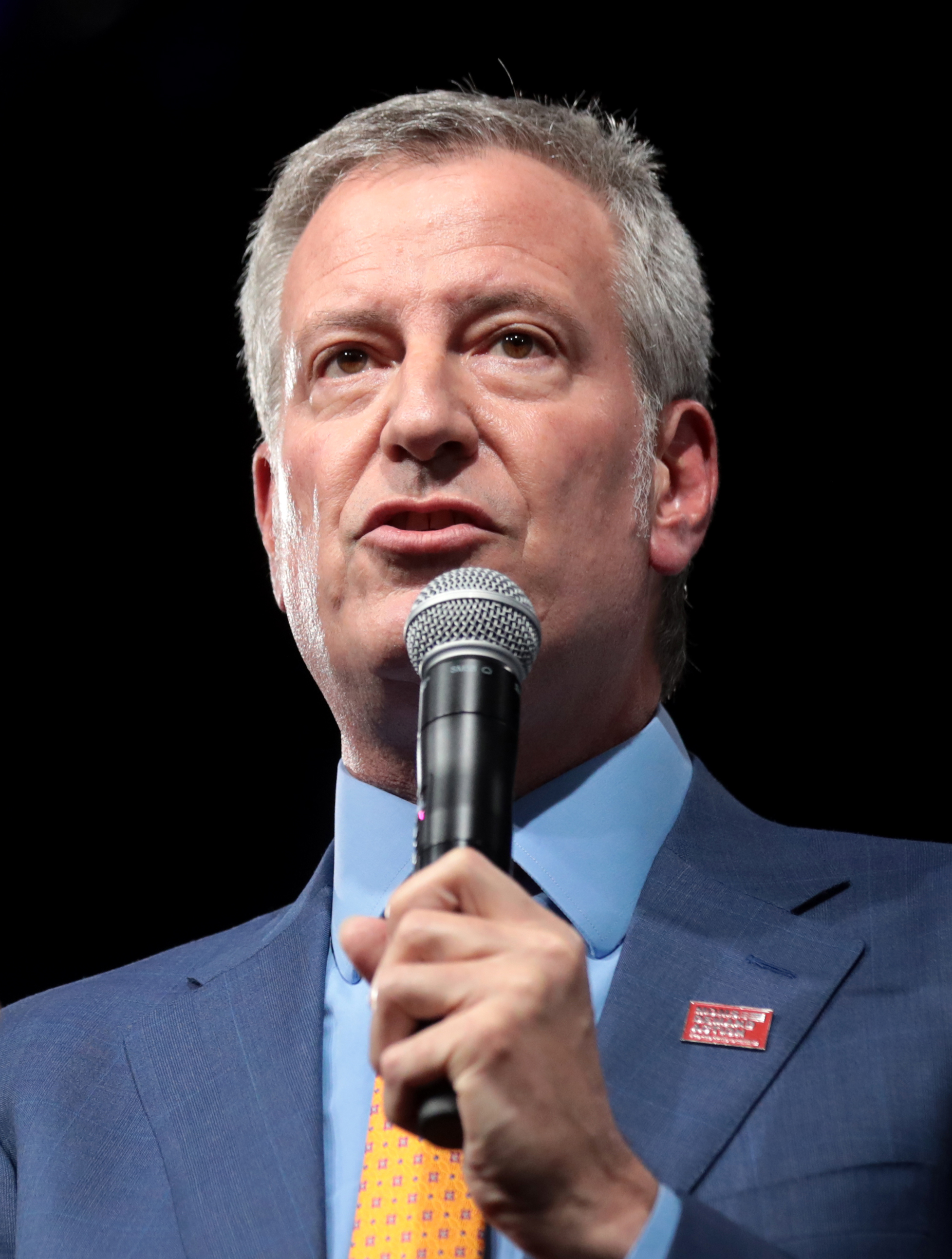
Michael Bloomberg’s three terms as mayor spanned a pivotal era for New York City, beginning shortly after the devastating events of September 11, 2001. His leadership was instrumental in the city’s economic recovery and a remarkable urban renaissance that profoundly reshaped its appeal as a global destination. Bloomberg championed initiatives that made New York City safer, cleaner, and more environmentally friendly. The pedestrianization of Times Square transformed a chaotic intersection into a vibrant public plaza, a quintessential NYC landmark where millions of tourists gather.
Under his administration, iconic projects like the High Line – an elevated park built on historic freight rail lines – were conceived and brought to life, becoming instant draws for both locals and visitors seeking unique urban green spaces. His focus on public health led to a cleaner environment, contributing to a higher quality of life and making the city more attractive for long-term stays or family trips. Bloomberg also oversaw a boom in hotel development, particularly in the luxury travel sector, with numerous new hotels and boutique accommodations emerging across the boroughs. His policies fostered an environment of growth and innovation, strengthening the city’s tourism infrastructure and cementing its status as a premier destination for business and leisure travelers alike. The establishment of Citi Bike further enhanced urban mobility for explorers.
Rudy Giuliani: Restoring Order and Rebuilding After 9/11 (1994-2001)
Rudy Giuliani’s tenure as mayor is largely remembered for his aggressive stance on crime reduction and his leadership during the immediate aftermath of the September 11th attacks. His “Broken Windows” policing strategy significantly reduced crime rates, transforming New York City from a place often perceived as dangerous into a safer, more welcoming environment. This shift was profoundly beneficial for tourism; a safer city naturally encourages more visitors to explore its myriad attractions and enjoy its vibrant nightlife. The revitalization of areas like Times Square, which began under previous administrations but accelerated under Giuliani, created a more family-friendly atmosphere that contributed to the growth of mass tourism.
The defining moment of his mayoralty was the 9/11 tragedy. Giuliani’s calm and resolute leadership during this horrific period earned him international praise and showcased the extraordinary resilience of New York City. While the attacks were a devastating blow to the city’s spirit and its tourism industry at the time, his actions helped lay the groundwork for eventual recovery and the rebuilding efforts that followed. The creation of memorial sites and the collective determination to rebuild strengthened New York’s image as a symbol of endurance and hope, attracting visitors who sought to pay their respects at Ground Zero and witness the city’s unwavering spirit. His term also saw the continuous upgrade of public infrastructure, indirectly benefiting accessibility for both residents and travelers.
David Dinkins: The First African American Mayor and a City in Transition (1990-1993)
David Dinkins served a single term as New York City’s first African American mayor during a challenging period marked by high crime rates and economic struggles. Despite the difficulties, Dinkins’ administration focused on addressing racial tensions and fostering a more inclusive city. His commitment to diversity and civic harmony aimed to create a New York where all communities felt valued, a foundational element for a city that prides itself on being a global melting pot. This emphasis on inclusivity indirectly contributes to the city’s appeal as a cultural destination, where visitors can experience a rich tapestry of local cultures, foods, and experiences.
One of his notable achievements, albeit often overshadowed by the challenges of the time, was securing the lease for the U.S. Open Tennis Championships to remain in Queens for another 99 years. This decision solidified a major annual sporting event that continues to draw thousands of international visitors and generate significant tourism revenue for the city. Dinkins also advocated for increased funding for the arts and cultural institutions, recognizing their vital role in the city’s identity and its attractiveness. Though his tenure predated the massive tourism boom of later decades, his efforts laid some of the groundwork for a more stable and culturally rich city that would eventually become a magnet for travelers. His focus on youth programs and maintaining public spaces, despite budget constraints, aimed to preserve the quality of life that is ultimately attractive to both residents and those seeking to experience the real New York.

The Enduring Impact on New York City’s Travel and Lifestyle Landscape
The tenures of these five mayors illustrate a dynamic interplay between governance and the evolution of a city that consistently reinvents itself. Their collective actions have profoundly shaped New York City’s status as a premier global destination, impacting every facet of the traveler’s experience and the vibrant lifestyle it offers.
From David Dinkins’s efforts to foster inclusivity and secure major sporting events to Rudy Giuliani’s transformative crime reduction strategies that made the city safer for all, a foundation was built for future tourism growth. Michael Bloomberg’s era was perhaps the most impactful on the physical and experiential landscape, bringing forth iconic landmarks like the High Line and vastly improving public spaces, which directly translated into enhanced attractions and a more appealing urban environment. His focus on economic development also fueled an unprecedented boom in the hotel industry, offering a wider range of accommodation options, from luxury resorts to diverse apartments and boutique hotels, catering to every type of traveler and budget.
Bill de Blasio’s progressive social policies, while not always directly related to tourism, underscored the city’s commitment to social equity, contributing to the overall stability and vibrancy of its communities, which are ultimately experienced by visitors. His administration’s navigation of the pandemic was a stark reminder of how mayoral leadership directly affects the entire travel ecosystem, from airport operations to restaurant closures. Now, Eric Adams is steering the city through its post-pandemic recovery, prioritizing public safety and economic revitalization, which are critical for rebuilding tourism confidence and reinforcing New York City’s image as a dynamic and welcoming place.
The decisions made by these leaders, whether concerning infrastructure projects, public safety, environmental initiatives, or cultural funding, have cumulatively crafted the intricate tapestry of New York City as we know it. They have influenced the types of accommodation available, from sleek suites to cozy apartments, shaped the development of new landmarks and the preservation of historical ones, and cultivated a lifestyle that is both uniquely New York and universally appealing. For anyone planning a trip to this incredible metropolis, understanding the legacy of its mayors offers a deeper appreciation for the city’s resilience, innovation, and enduring allure as a top global destination. Each era has contributed to the travel experiences and local culture that await exploration, making New York City a perpetual magnet for travelers seeking everything from luxury stays and business accommodation to budget-friendly exploration and immersive cultural immersion.
LifeOutOfTheBox is a participant in the Amazon Services LLC Associates Program, an affiliate advertising program designed to provide a means for sites to earn advertising fees by advertising and linking to Amazon.com. Amazon, the Amazon logo, AmazonSupply, and the AmazonSupply logo are trademarks of Amazon.com, Inc. or its affiliates. As an Amazon Associate we earn affiliate commissions from qualifying purchases.