
Yes, Oklahoma does have state taxes, a fact crucial for any traveler or potential resident planning their visit or relocation to this vibrant state in the heart of the United States. Understanding the tax landscape, especially as it pertains to visitors, is key to budgeting effectively and ensuring a smooth, enjoyable trip. While the complexities of state income tax and property tax primarily concern residents, travelers will most directly encounter sales tax and lodging tax, which can subtly influence the overall cost of their stay. Far from being a deterrent, familiarity with these aspects allows visitors to appreciate the excellent value Oklahoma offers across its diverse attractions, accommodations, and unique cultural experiences. This article will delve into Oklahoma’s tax structure from a traveler’s perspective, guiding you through what to expect and how to plan for an unforgettable journey through the Sooner State.
Navigating Oklahoma’s Tax Landscape for Visitors
For those planning to explore the diverse landscapes and vibrant cities of Oklahoma, understanding the local tax structure is more about informed budgeting than a deep dive into fiscal policy. While residents contend with state income tax and property tax, which fund crucial state services and infrastructure, a visitor’s primary tax considerations revolve around sales tax on goods and services, and the lodging tax applied to accommodations. These taxes are an integral part of the cost structure for travel, influencing everything from the price of a souvenir to the nightly rate of a luxury hotel suite. By understanding these elements, travelers can make smarter choices, ensuring their travel budget stretches further to encompass more of Oklahoma’s rich offerings.
Understanding State Sales Tax: Your Everyday Purchases
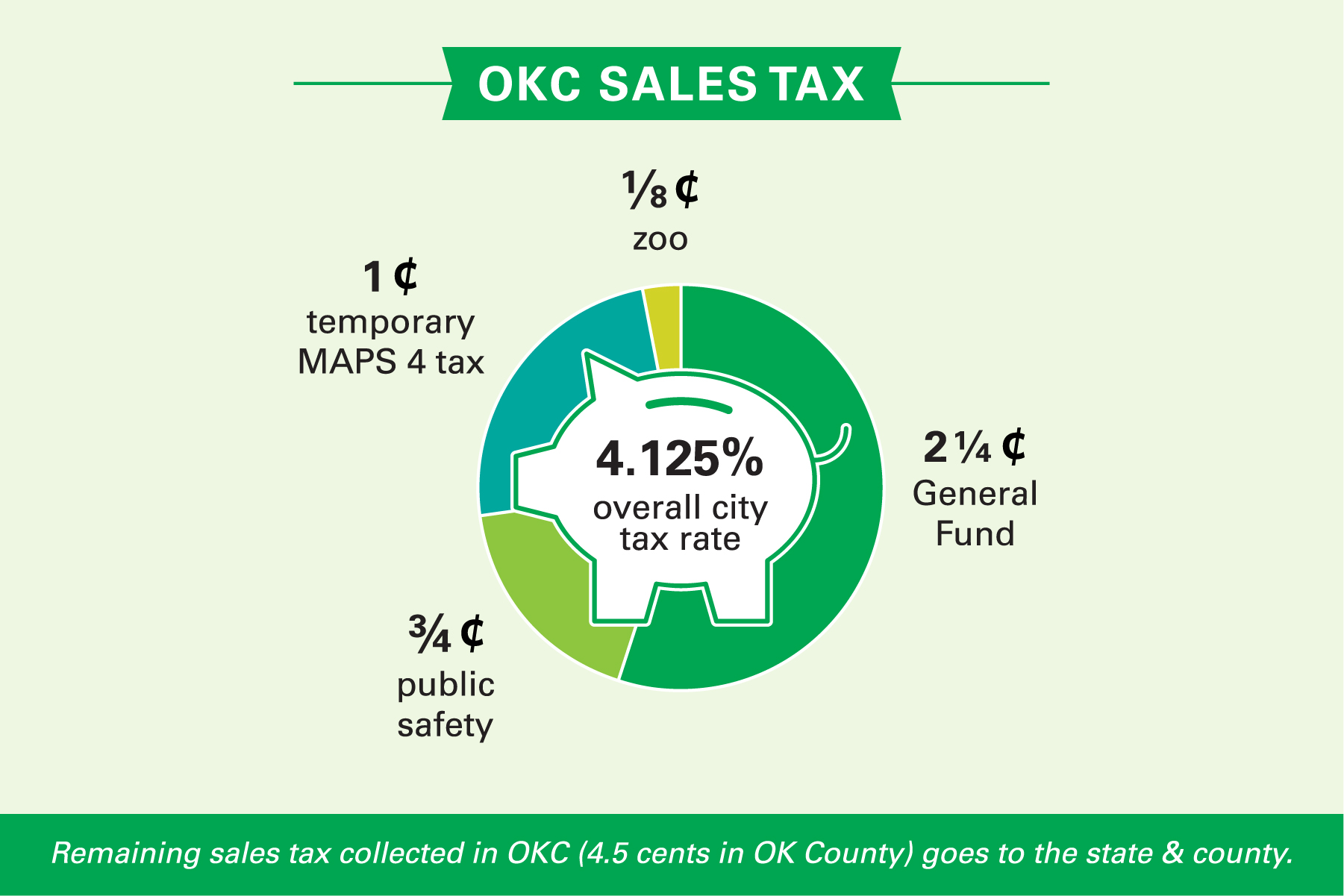
The most common tax encountered by any traveler in Oklahoma is the sales tax. This tax is levied on the purchase of most tangible goods and some services. The statewide sales tax rate in Oklahoma is a competitive 4.5%. However, it’s vital to remember that local municipalities and counties can, and often do, impose their own additional sales taxes. This means the actual sales tax rate you pay will vary depending on where you are in the state. For instance, in Oklahoma City, the combined state and local sales tax rate can be around 8.625%, while in Tulsa, it might be slightly different.
This combined rate applies to a wide range of purchases typical for tourists: meals at restaurants, snacks from convenience stores, souvenirs from gift shops, clothing, and entertainment tickets. For example, a delicious fried onion burger in El Reno or a unique piece of Native American art from a gallery will have sales tax added to its listed price. Being aware of these varying rates allows travelers to anticipate the final cost of their purchases, preventing any surprises at the checkout. For budget travelers, considering the impact of sales tax on daily expenses, particularly food, can lead to smart choices like seeking out local markets or opting for accommodations with kitchenettes to prepare some meals, thereby stretching their travel dollars further.
The Impact of Lodging Tax: Accommodating Your Stay
One of the most significant tax considerations for visitors is the lodging tax, often referred to as hotel occupancy tax. This tax is applied to the cost of your accommodation, whether it’s a cozy motel, a luxurious hotel suite, a charming bed and breakfast, or a vacation rental. Similar to sales tax, the lodging tax in Oklahoma is a combination of state and local rates. The state lodging tax is typically a fixed percentage, but cities and counties can add their own significant fees.
For example, a stay in Oklahoma City might incur a total lodging tax that significantly adds to the base room rate. This is a crucial factor when comparing hotel prices online; always check the “total price” that includes all taxes and fees before booking. For a business traveler on an expense account, this might be a minor detail, but for family trips or budget travel, an additional 5-15% on accommodation costs can impact the overall travel budget significantly. Savvy travelers might look into accommodations in areas with lower local taxes, or explore long-term stay options which sometimes offer different tax structures or discounts, making a multi-week stay more economical in places like Norman or Stillwater. When booking through online travel agencies or directly with properties like the historic Skirvin Hilton or the modern Omni Oklahoma City Hotel, always confirm the final price inclusive of all taxes to avoid unexpected charges upon checkout.
Other Taxes to Consider: Fuel and Rental Cars
Beyond sales and lodging taxes, travelers in Oklahoma should also factor in other minor taxes that contribute to their overall travel expenses. Fuel tax, for instance, is built into the price you pay at the pump, affecting the cost of exploring Oklahoma’s scenic drives, like sections of historic Route 66. While not itemized separately at the pump, higher fuel taxes translate to slightly more expensive road trips.
For those renting a car, there may also be specific rental car taxes or fees added to the daily rate. These charges can vary by rental company and location but are typically included in the final price quoted. Understanding these additional costs helps in accurately budgeting for transportation, especially if you plan extensive road travel to natural wonders like the Wichita Mountains Wildlife Refuge or the recreational haven of Lake Texoma.
Income Tax and Property Tax: Primarily for Residents
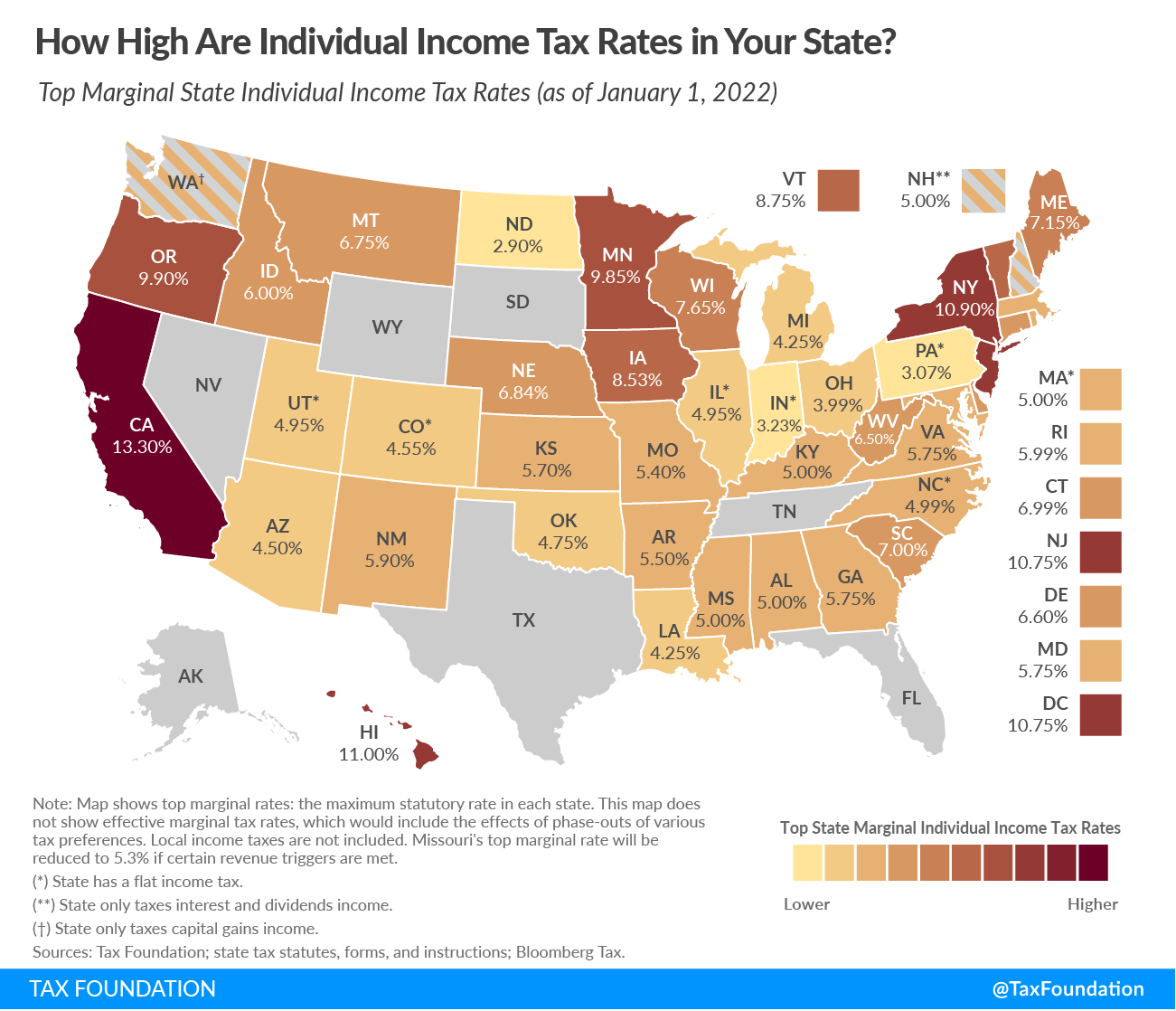
It’s important to differentiate between taxes that directly affect tourists and those primarily impacting residents. State income tax and property tax fall into the latter category. Oklahoma has a progressive state income tax structure, meaning higher earners pay a higher percentage. Property taxes are levied by local governments based on the assessed value of real estate. While these taxes don’t directly impact a traveler’s immediate expenses, they are crucial for funding the state’s infrastructure, public services, and educational institutions – elements that indirectly enhance the visitor experience by ensuring well-maintained roads, public safety, and vibrant cultural amenities. Travelers benefit from the well-being of the local economy and infrastructure supported by these resident-borne taxes.
Discovering Oklahoma: A Rich Tapestry of Travel Experiences
Moving beyond the numbers, Oklahoma truly shines as a destination offering an incredible diversity of experiences, making the slight impact of state taxes a small price to pay for the rich cultural immersion and natural beauty awaiting visitors. From bustling urban centers brimming with art and history to serene natural parks perfect for outdoor adventures, and a profound connection to Native American heritage, Oklahoma promises a memorable journey for every type of traveler. The state’s commitment to preserving its past while embracing modernity creates a unique travel destination.
Iconic Cities and Cultural Hubs
Oklahoma’s major cities serve as dynamic hubs for culture, entertainment, and history.
Oklahoma City, the state capital, blends its Western heritage with contemporary urban sophistication. Visitors can wander through Bricktown, an entertainment district revitalized from old warehouses, offering canal boat rides, diverse dining, and lively nightlife. The nearby Stockyards City transports you back to the Old West, with cattle auctions, Western wear shops, and authentic steakhouses. The city is also home to poignant memorials and world-class museums, including the profoundly moving Oklahoma City National Memorial & Museum and the expansive National Cowboy & Western Heritage Museum, which explores the history and culture of the American West.
Tulsa, often celebrated for its stunning Art Deco architecture, offers a different urban flavor. The city boasts a thriving arts scene, exemplified by the Philbrook Museum of Art, housed in an Italianate villa, and the Gilcrease Museum, with its vast collection of Western art. A must-visit is Gathering Place, an award-winning park along the Arkansas River, providing vast green spaces, playgrounds, and recreational facilities for all ages. Tulsa’s Brady Arts District is a hub for live music, galleries, and unique dining experiences.
Norman, a vibrant university town south of Oklahoma City, is home to the University of Oklahoma and its excellent museums, including the Sam Noble Oklahoma Museum of Natural History, which houses dinosaur skeletons and exhibits on the state’s prehistoric past. These cities, each with its unique charm, offer a wide array of hotels and accommodations, catering to everything from luxury travel to budget-friendly stays, all subject to the local lodging taxes.
Embracing Oklahoma’s Natural Beauty and Outdoor Adventures
Beyond its urban allure, Oklahoma is a haven for outdoor enthusiasts, boasting diverse landscapes from rolling plains and lush forests to stunning mountains and expansive lakes. The state’s natural beauty provides a perfect backdrop for a variety of adventures, offering an excellent return on investment for any travel budget.
The Wichita Mountains Wildlife Refuge, in southwestern Oklahoma, is a primal landscape of ancient mountains, home to free-roaming bison, elk, and longhorns. Visitors can enjoy hiking, rock climbing, and scenic drives, often spotting wildlife in their natural habitat. This area provides a rugged, authentic experience for nature lovers.
For those seeking a refreshing escape, Turner Falls Park, near Davis, features Oklahoma’s largest waterfall, natural swimming areas, caves, and hiking trails. It’s an ideal spot for family trips, offering a blend of relaxation and adventure. Meanwhile, Great Salt Plains State Park offers a truly unique experience, allowing visitors to dig for selenite crystals, a fun and free activity that makes for a memorable souvenir.
Water sports enthusiasts will find much to love at Lake Texoma, one of the largest reservoirs in the United States, straddling the Oklahoma-Texas border. It’s a popular destination for fishing, boating, and various water activities, complete with resorts and cabins for accommodation. The diverse natural attractions across Oklahoma prove that incredible experiences don’t always come with a hefty price tag, especially when factoring in the state’s reasonable cost of living and manageable tax rates for travelers.
Journey Through History and Native American Culture
Oklahoma holds a profound place in American history, particularly regarding the Western expansion and the rich heritage of its Native American nations. This deep history offers countless opportunities for cultural immersion and learning.
The legendary Route 66 slices through Oklahoma, inviting travelers on a nostalgic journey through historic towns, vintage diners, and quirky roadside attractions. Exploring the “Mother Road” is a quintessential American experience, offering a glimpse into a bygone era of cross-country travel. Many small towns along Route 66 have preserved their unique charm, providing budget-friendly stops and authentic local experiences, where sales tax on gas and snacks will be your primary tax consideration.
More significantly, Oklahoma is home to 39 federally recognized Native American tribes, including the Cherokee, Chickasaw, Choctaw, Muscogee (Creek), and Seminole Nations, often referred to as the Five Civilized Tribes. Their presence has shaped the state’s identity, culture, and even its landscape. Visitors can explore numerous tribal cultural centers and museums, such as the Five Civilized Tribes Museum in Muskogee, which offers insights into their art, history, and traditions. Experiencing Native American powwows, festivals, and culinary traditions provides a unique perspective on Oklahoma’s diverse cultural fabric, enriching any travel experience beyond measure.
Smart Planning: Accommodation, Budgeting, and Lifestyle Tips
A truly satisfying trip to Oklahoma requires smart planning, especially when it comes to managing your budget and choosing accommodations that enhance your overall travel lifestyle. Understanding how taxes fit into your overall expenses, coupled with savvy booking strategies and an appreciation for local flavors, will help maximize your enjoyment of this welcoming state.
Choosing Your Oklahoma Accommodation Wisely
Oklahoma offers a vast array of accommodation options to suit every preference and budget, from opulent luxury resorts to charming boutique hotels, practical budget motels, and personalized vacation rentals. For luxury travel, cities like Oklahoma City and Tulsa boast high-end hotels such as the Skirvin Hilton, a historic landmark, or the modern Omni Oklahoma City Hotel, offering premium amenities, spas, and gourmet dining. For travelers seeking a unique experience, boutique hotels often provide local character and personalized service.
On the other hand, budget travelers and families might opt for well-known motel chains or consider vacation rentals for more space and the option of self-catering, which can significantly reduce dining costs. RV parks and campgrounds are also abundant, especially near popular natural attractions like Turner Falls Park or Lake Texoma, providing an economical and immersive way to experience the outdoors. When booking, always compare prices across different platforms, read reviews, and pay close attention to the final price that includes the lodging tax, which, as mentioned, can vary by location. Booking during off-peak seasons can often lead to substantial savings on accommodation, further reducing the overall impact of taxes on your travel budget.
Budgeting for a Memorable Oklahoma Trip
Effective budgeting is crucial for any trip, and a visit to Oklahoma is no exception. Beyond the initial costs of travel and accommodation, remember to factor in the state’s sales tax on food, souvenirs, and activities, as well as fuel costs if you plan to drive extensively.
To maximize your budget, consider these tips:
- Explore Free Attractions: Many of Oklahoma’s natural wonders, like hiking trails in the Wichita Mountains Wildlife Refuge or exploring sections of Route 66, are free or have minimal entrance fees. The Gathering Place in Tulsa is another fantastic, free attraction.
- Dine Like a Local: Seek out local diners and food trucks for authentic and more affordable meals, where the sales tax will be less impactful than at high-end restaurants. Oklahoma is famous for its BBQ and fried onion burgers, offering delicious experiences without breaking the bank.
- Look for Packages: Some hotels or tour operators offer packages that bundle accommodation with attractions, potentially offering savings that offset tax costs.
- Travel Off-Season: Visiting during the shoulder seasons (spring and fall) can mean lower prices for flights and hotels, along with milder weather, enhancing your experience.
- Utilize Public Transport (where available): In larger cities like Oklahoma City and Tulsa, public transportation options can help reduce car rental and fuel expenses.

Experiencing Oklahoma: Food, Festivities, and Local Flavors
Oklahoma’s lifestyle is deeply rooted in its diverse heritage, which translates into a rich tapestry of food, festivities, and local culture. Visitors should seize every opportunity to immerse themselves in this unique blend. The state’s culinary scene goes beyond just barbecue and steak; you can find authentic Native American dishes, hearty comfort food, and surprisingly diverse international cuisine, especially in urban centers. Sampling local flavors is not just about eating; it’s an experience in itself, often enjoyed in welcoming, community-focused settings.
Throughout the year, Oklahoma hosts numerous festivals, rodeos, and cultural events celebrating everything from jazz music in Tulsa to Native American powwows across various tribal lands. These events offer a fantastic way to connect with the local culture and create lasting memories. For a family trip, catching a minor league baseball game or visiting an amusement park like Frontier City in Oklahoma City can add an extra layer of fun. The warmth and hospitality of Oklahomans often stand out to visitors, making the overall travel experience exceptionally pleasant and memorable. By embracing the local lifestyle, from exploring the scenic walking paths around Lake Hefner to discovering a hidden gem diner, travelers will find that the value of their Oklahoma adventure far exceeds any minor tax considerations.
In conclusion, while Oklahoma indeed has state taxes that apply to both residents and visitors, they are generally manageable and should not deter anyone from experiencing the incredible diversity and value the state has to offer. By understanding how sales tax and lodging tax affect your travel budget and by applying smart planning strategies for accommodation, dining, and activities, you can ensure a fulfilling and economically sound journey. Oklahoma is a state rich in history, natural beauty, and vibrant culture, promising an authentic and memorable travel experience that makes every dollar, tax included, well spent.
LifeOutOfTheBox is a participant in the Amazon Services LLC Associates Program, an affiliate advertising program designed to provide a means for sites to earn advertising fees by advertising and linking to Amazon.com. Amazon, the Amazon logo, AmazonSupply, and the AmazonSupply logo are trademarks of Amazon.com, Inc. or its affiliates. As an Amazon Associate we earn affiliate commissions from qualifying purchases.