
Oklahoma City, the vibrant capital of Oklahoma and one of the most dynamic metropolitan areas in the United States, is a city defined by its remarkable growth and spirited development. As of recent estimates, the population of Oklahoma City stands at over 690,000 residents, making it the 20th most populous city in the nation. This significant figure, however, is more than just a number; it represents the heartbeat of a thriving urban landscape that continually redefines itself. For travelers, prospective residents, and those interested in the nexus of urban development, tourism, and lifestyle, understanding the population dynamics of Oklahoma City is crucial. It’s a narrative of resilience, strategic planning, and a welcoming culture that shapes everything from its burgeoning hotel scene and diverse accommodations to its unique landmarks and flourishing local lifestyle. The city’s population isn’t merely a statistic; it’s the driving force behind its economic vitality, its cultural richness, and its appeal as a destination.

Oklahoma City’s Growing Footprint: A Look at Population Trends
The story of Oklahoma City’s population is one of consistent and often accelerated growth, especially over the last few decades. This expansion has been a direct result of various factors, including robust economic development, strategic urban planning initiatives, and a high quality of life that attracts individuals and families from across the nation.
Historical Growth and Demographic Shifts
Historically, Oklahoma City experienced its initial booms during the land runs of the late 19th century, quickly establishing itself as a major hub in the burgeoning state of Oklahoma. However, like many American cities, it faced periods of stagnation and even decline in its urban core during the mid-20th century. The significant turning point arrived with concerted efforts like the Metropolitan Area Projects (MAPS) initiatives, beginning in the 1990s. These public works programs, funded by a temporary sales tax, injected billions of dollars into infrastructure, recreational facilities, and cultural attractions, revitalizing the downtown area and making the city more attractive for residents and businesses.
Since then, Oklahoma City has seen a steady upward trajectory in its population. The early 21st century has witnessed particularly strong growth, with thousands of new residents moving to the metropolitan area each year. This growth is not merely numerical; it also reflects significant demographic shifts. The city has become increasingly diverse, attracting people from various ethnic and cultural backgrounds. This diversification enriches the local culture, influencing everything from the culinary scene to community events and the arts. The age demographic also shows a youthful trend, with a growing number of young professionals and families drawn by career opportunities, affordable living, and a vibrant community spirit. This influx of a younger demographic further fuels the demand for modern amenities, varied lifestyle options, and dynamic social spaces.
Future Projections and Urban Development
Looking ahead, population projections for Oklahoma City indicate continued expansion. Experts predict that the city will comfortably surpass the 700,000 mark in the coming years, with the broader metropolitan area potentially reaching well over 1.5 million residents. This anticipated growth is a testament to the city’s ongoing economic development and its strategic vision. To accommodate this expansion, urban planners are continually at work, focusing on sustainable development, improving public transit, expanding green spaces, and fostering mixed-use developments that encourage walkability and community engagement.
Projects like the ongoing MAPS 4 initiatives further solidify this commitment to future growth. These projects include investments in mental health services, new parks, youth centers, affordable housing, and enhancements to existing public facilities. Such forward-thinking urban development ensures that as the population grows, the infrastructure and quality of life keep pace, preventing urban sprawl from diminishing the city’s appeal. The emphasis on creating livable, interconnected neighborhoods with access to amenities, jobs, and recreation makes Oklahoma City an increasingly desirable place to call home, thereby reinforcing its population growth cycle.
The Population’s Impact on Travel and Tourism in Oklahoma City
The robust and growing population of Oklahoma City has a profound impact on its travel and tourism sectors. A larger resident base means a stronger local economy, more diverse cultural offerings, and a greater demand for services that also benefit visitors. It creates a critical mass necessary to support a thriving hospitality industry and an array of attractions.
Catering to a Diverse Visitor Base: Accommodations and Hospitality
With a steadily increasing population and a corresponding rise in business and leisure travel, Oklahoma City’s accommodation sector has flourished. The city now boasts a wide array of hotels, suites, resorts, and apartments designed to cater to every taste and budget. From luxurious, full-service hotels ideal for business travelers and upscale tourists to cozy boutique hotels offering unique experiences, the choices are abundant.
Historic gems like the Skirvin Hilton Oklahoma City provide a blend of classic elegance and modern amenities, appealing to those who appreciate a touch of history. For contemporary luxury and convention access, the Omni Oklahoma City Hotel stands out with its sophisticated design and prime location near major attractions. Art enthusiasts might prefer the 21c Museum Hotel Oklahoma City, which cleverly combines a contemporary art museum with a luxury hotel, offering an immersive cultural experience right from check-in. Beyond traditional hotels, the rise of extended-stay apartments and vacation rentals caters to families, long-term visitors, and those seeking a more local living experience. This diverse hospitality landscape is a direct reflection of the city’s growth, necessitating a wider range of options for both the transient visitor and those considering a longer stay or relocation. The competitive market fostered by a growing population encourages continuous improvement in service, amenities, and overall guest experience.
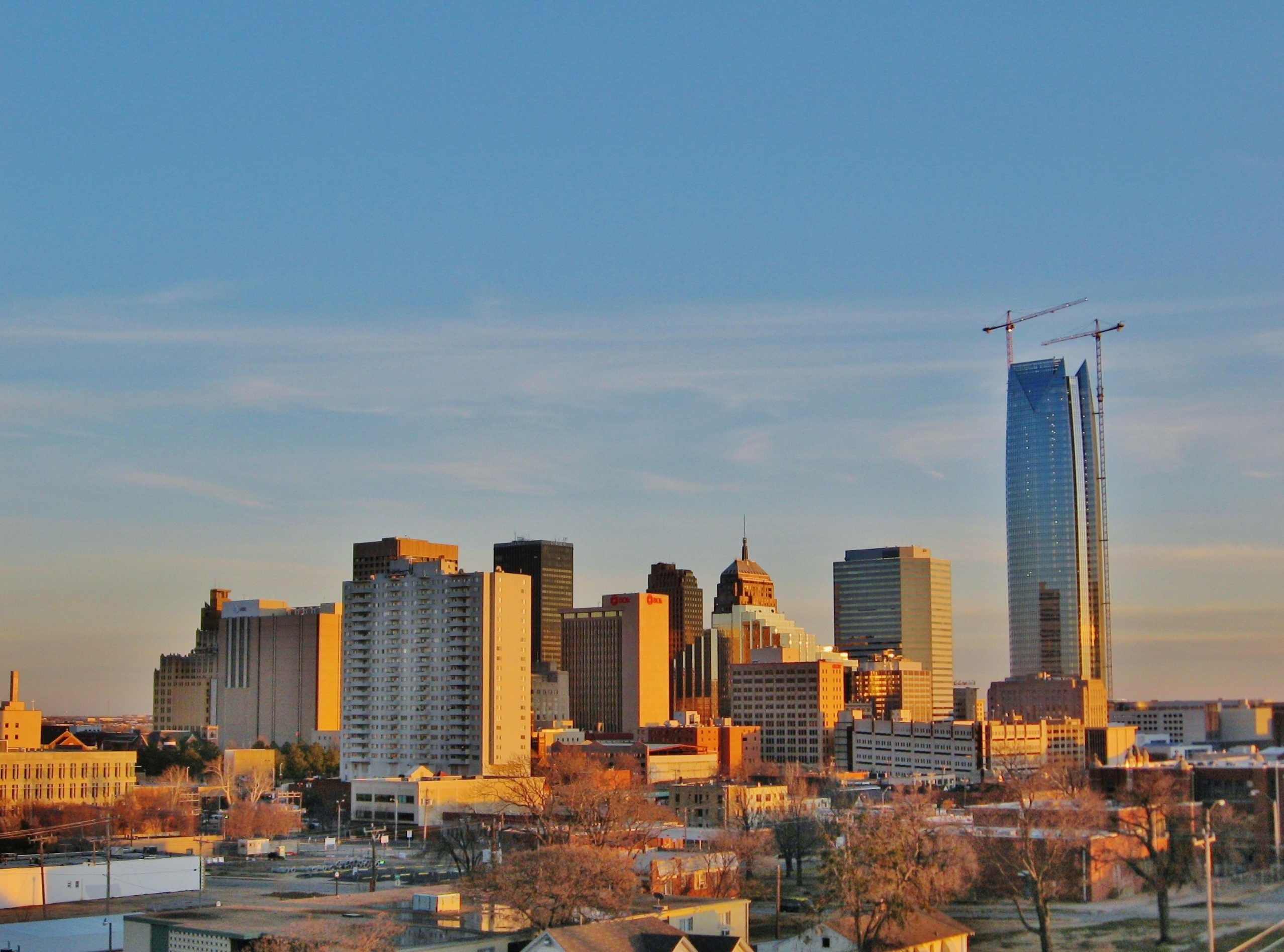
A Vibrant Cultural Scene and Local Lifestyle
The increasing population has significantly contributed to the vibrancy of Oklahoma City’s cultural scene and local lifestyle. More residents mean more patrons for local businesses, more artists and performers, and a greater demand for diverse entertainment and dining options. This creates a ripple effect, leading to the emergence of eclectic neighborhoods and cultural districts that offer unique experiences for both residents and visitors.
The Bricktown Entertainment District, once a dilapidated warehouse area, has transformed into a bustling hub of restaurants, bars, and entertainment venues, complete with a scenic canal and water taxis. This revitalization was spurred by urban development and supported by the growing number of people living and working in the city. Similarly, the Paseo Arts District and the Plaza District have blossomed into bohemian enclaves, home to art galleries, independent boutiques, and innovative eateries, showcasing the city’s creative spirit. These districts thrive because there’s a substantial local population to support their unique offerings, ensuring a lively atmosphere day and night. The culinary scene, in particular, has exploded, with a plethora of new restaurants reflecting global flavors and farm-to-table philosophies, catering to increasingly sophisticated palates. This rich cultural tapestry, constantly evolving with the city’s demographic shifts, makes Oklahoma City an exciting place to explore.
Landmarks and Attractions: More Than Just Numbers
The growth of Oklahoma City’s population directly impacts the development, preservation, and utilization of its landmarks and attractions. A larger populace provides the funding base through taxes and the volunteer base through community engagement necessary to maintain and enhance public spaces and historical sites. It also ensures a steady stream of visitors, making these attractions viable and vibrant.
Iconic sites like the Oklahoma City National Memorial & Museum stand as poignant testaments to history, drawing visitors from around the globe, but also serving as a vital community space for remembrance and reflection for local residents. The beautifully landscaped Myriad Botanical Gardens and the expansive Scissortail Park are examples of world-class urban parks that have been developed and are sustained by the city’s growing population and its commitment to green infrastructure. These parks offer a peaceful retreat and host numerous community events, concerts, and festivals, enhancing the overall lifestyle quality. The National Cowboy & Western Heritage Museum preserves the rich history of the American West, while the impressive State Capitol Building offers a glimpse into the state’s political landscape. Even recreational areas like Lake Hefner, popular for sailing, jogging, and dining, see increased usage and investment due to the city’s expanding population. Each landmark and attraction, whether historical, cultural, or recreational, benefits from the city’s demographic upward trend, ensuring their continued relevance and accessibility.
Lifestyle and Economic Vibrancy Driven by Population Dynamics
The population of Oklahoma City is not just a measure of its size but a dynamic indicator of its economic health and lifestyle quality. The influx of new residents fuels economic engines, diversifies the job market, and cultivates a specific urban lifestyle that balances modern amenities with a friendly, accessible atmosphere.
Economic Drivers and Quality of Life
Oklahoma City’s impressive population growth is intrinsically linked to its robust and diversified economy. The city has successfully moved beyond its historical reliance on oil and gas, though energy remains a significant sector. Today, it boasts strong industries in aerospace, aviation, bioscience, logistics, and agribusiness, along with a rapidly expanding technology sector. This economic diversification creates a wide array of job opportunities, which in turn attracts more people, forming a virtuous cycle of growth. A larger and more skilled workforce makes the city more attractive to businesses looking to relocate or expand, further bolstering the economy.
The quality of life in Oklahoma City is a major draw. Compared to other major metropolitan areas in the United States, Oklahoma City offers a remarkably low cost of living, particularly in housing, which makes it an appealing option for individuals and families seeking affordability without sacrificing urban amenities. The average commute times are shorter, and the city maintains a friendly, community-oriented atmosphere often associated with smaller towns, despite its substantial size. This unique blend of urban sophistication and down-home hospitality contributes significantly to the city’s appeal, enhancing the overall lifestyle for its growing population.

The Allure for New Residents and Businesses
The combination of a growing job market, affordable living, and an improving quality of life makes Oklahoma City particularly attractive to new residents and businesses alike. Young professionals find ample opportunities to launch their careers, while families appreciate the strong public and private school systems and numerous recreational activities. Entrepreneurs are drawn to a supportive business environment, with initiatives and resources designed to foster innovation and growth.
The city actively markets itself as a place where individuals and businesses can thrive, emphasizing its strategic central location within the United States for logistics and distribution, its modern infrastructure, and its forward-thinking leadership. This proactive approach, coupled with the tangible benefits of living and working in Oklahoma City, ensures that the city continues to draw a steady stream of new talent and investment. The increasing population itself creates a larger consumer base, which in turn supports a broader range of retail, service, and entertainment options, further enriching the urban experience and solidifying Oklahoma City’s status as a burgeoning metropolitan powerhouse.
In conclusion, the population of Oklahoma City is currently over 690,000, and this figure is a powerful indicator of the city’s dynamic trajectory. This growth isn’t just about numbers; it’s about the vibrant communities, the flourishing hospitality industry, the diverse cultural scene, and the economic opportunities that define this modern American metropolis. For anyone looking to travel, invest, or perhaps even find a new home, understanding the story behind Oklahoma City’s population provides valuable insight into its present appeal and its promising future. The city’s continuous evolution, driven by its people, makes it a fascinating subject for observation and an exciting destination for exploration.
LifeOutOfTheBox is a participant in the Amazon Services LLC Associates Program, an affiliate advertising program designed to provide a means for sites to earn advertising fees by advertising and linking to Amazon.com. Amazon, the Amazon logo, AmazonSupply, and the AmazonSupply logo are trademarks of Amazon.com, Inc. or its affiliates. As an Amazon Associate we earn affiliate commissions from qualifying purchases.