
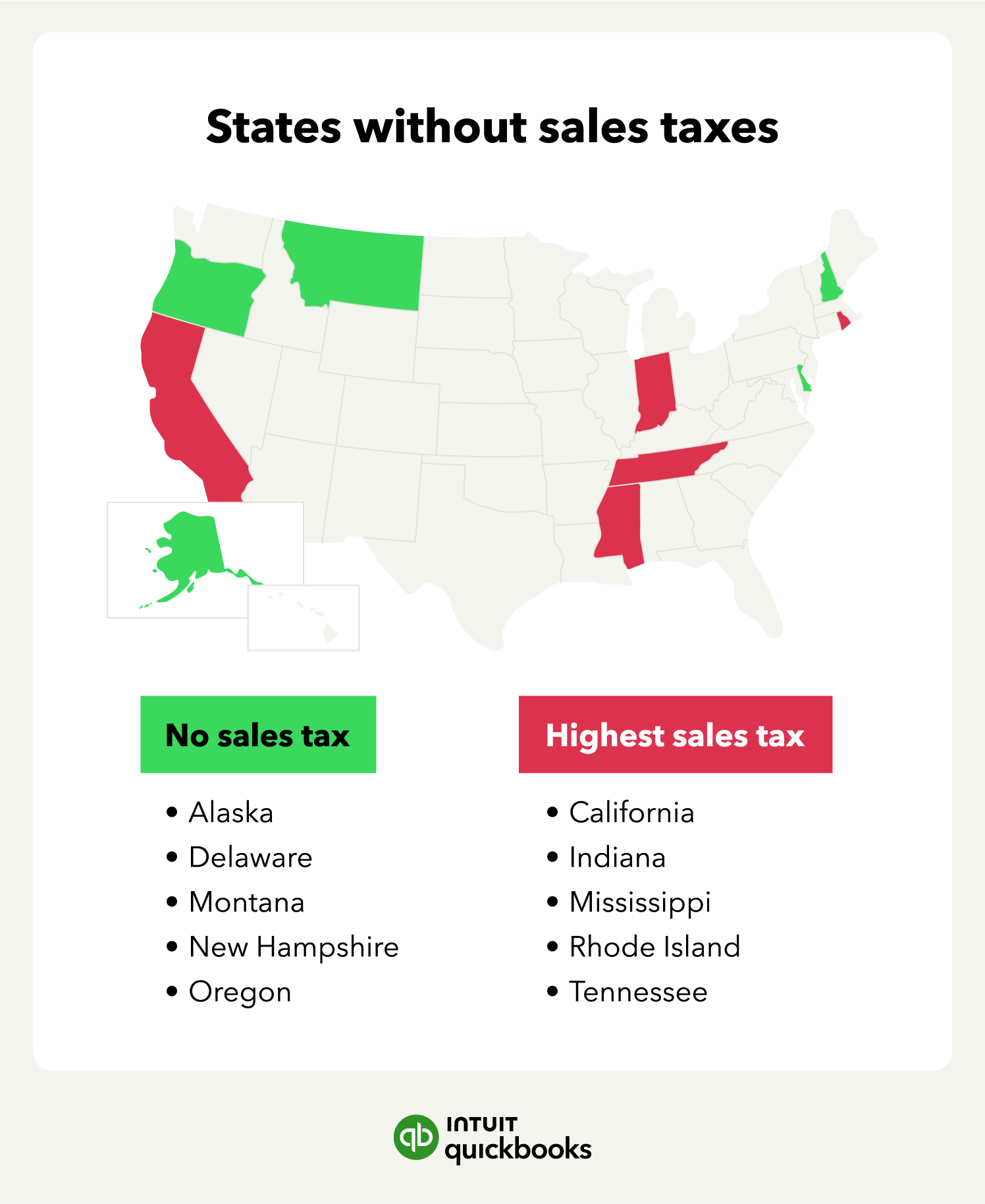
When planning a trip, savvy travelers often consider every aspect of their budget, from flight costs and accommodation rates to daily expenses like dining, activities, and shopping. One factor that can significantly impact the overall cost of a vacation, yet is often overlooked, is local sales tax. For those contemplating a journey to the Pacific Northwest, specifically the stunning State of Oregon, a crucial question frequently arises: Does Oregon have sales tax? The answer, which delights countless visitors each year, is a resounding no. Oregon stands as one of only a handful of states in the United States that does not impose a statewide sales tax on goods and services.

This unique fiscal characteristic profoundly shapes the travel and tourism experience within the Beaver State, making it an exceptionally attractive destination for a diverse range of visitors – from budget-conscious backpackers to luxury seekers. The absence of sales tax isn’t just a minor perk; it’s a fundamental aspect of Oregon’s appeal, influencing everything from the cost of your morning coffee to major purchases like electronics or designer apparel. As you delve into Oregon’s vibrant cities, explore its breathtaking natural landmarks, or indulge in its renowned culinary scene, the knowledge that the price you see is the price you pay adds an undeniable layer of satisfaction. This article will explore the implications of Oregon’s no-sales-tax policy, offering insights into how it enhances travel, shopping, and overall lifestyle experiences across this captivating state, ensuring you make the most of your visit.
The Financial Advantage for Travelers in Oregon
The absence of a statewide sales tax in Oregon is arguably one of its most significant draws for tourists, offering tangible financial benefits that can stretch a travel budget further. Unlike many other popular travel destinations, visitors to Oregon won’t find an additional percentage tacked onto their purchases at the register. This policy creates a distinctive economic landscape that translates into real savings for virtually every type of traveler.
Understanding Oregon’s Unique Tax Landscape
To truly appreciate the advantage, it’s helpful to understand Oregon’s fiscal structure. Rather than relying on a sales tax, the state primarily funds its public services through personal and corporate income taxes, as well as property taxes. This model stands in contrast to neighboring states like Washington, which has a general sales tax, or California, which also imposes a sales tax alongside income taxes. For consumers, this means that whether you’re buying a souvenir t-shirt, a gourmet meal, or a new pair of hiking boots, the price tag reflects the final cost. This transparency and predictability in pricing eliminate the common annoyance of calculating an extra 5-10% at checkout, simplifying transactions and enhancing the overall shopping experience.
This unique approach also contributes to Oregon’s reputation as a prime destination for “shopping tourism,” where visitors specifically come to take advantage of the tax savings. The impact is felt across the board, from small, local boutiques to large retail chains, making every purchase a little sweeter.
Maximizing Your Travel Budget
The financial benefits of no sales tax in Oregon are extensive and can be applied to almost every aspect of your trip. Consider the cumulative savings over a multi-day visit:
- Shopping: This is where the savings are most evident. Whether you’re upgrading your camera gear, purchasing new apparel, stocking up on local crafts, or simply buying groceries for a self-catering apartment, you’ll save the equivalent of what would typically be sales tax elsewhere. For significant purchases, such as electronics or high-end clothing, these savings can amount to hundreds of dollars, making Oregon an attractive place for major retail therapy.
- Dining Out: Enjoying Oregon’s vibrant culinary scene, from farm-to-table restaurants in Portland to fresh seafood shacks on the Oregon Coast, becomes more affordable. Every meal, snack, and drink ordered at a restaurant or café will be sales-tax-free, allowing you to indulge more frequently or choose slightly more upscale options without breaking the bank.
- Experiences and Activities: While some specific activities or venues might have their own admissions taxes or fees, the underlying goods purchased for experiences – like art supplies for a workshop, gear for outdoor adventures, or merchandise at an attraction – will not be subject to sales tax. This helps keep the cost of engaging with Oregon’s rich array of activities more accessible.
- Souvenirs and Gifts: Bringing home mementos for friends and family is a common part of travel. In Oregon, every trinket, local delicacy, and handcrafted item you buy as a gift or souvenir will cost exactly what’s listed, allowing you to buy more or save money.
By consciously factoring in these savings, travelers can either reduce their overall trip expenses or reallocate those saved funds towards additional experiences, extra nights at a luxurious resort, or more extensive exploration of Oregon’s many wonders.
Shopping and Lifestyle in the Beaver State
Beyond the direct financial savings, Oregon’s no-sales-tax policy profoundly influences the state’s shopping culture and caters to a variety of lifestyles, from extravagant splurges to mindful budget travel. This unique aspect enhances the overall visitor experience, turning retail into an integral and enjoyable part of many Oregon itineraries.
A Shopper’s Paradise
Oregon has cultivated a reputation as a shopper’s paradise, primarily due to the tax-free advantage. Major cities like Portland are hubs for diverse retail experiences. Here, you can explore everything from high-end boutiques on Northwest 23rd Avenue to sprawling shopping centers like Pioneer Place downtown. The city is also home to flagship stores of globally recognized brands such as Nike and Columbia Sportswear, both of which have deep roots in Oregon. For those seeking significant discounts on popular brands, the Woodburn Premium Outlets, located just south of Portland, become an even more attractive destination without the added burden of sales tax.
Beyond these well-known retail destinations, charming small towns across Oregon offer unique shopping opportunities. In places like Ashland, famous for its Shakespeare Festival, visitors can browse art galleries and specialty shops with the assurance of tax-free pricing. Along the Oregon Coast, seaside communities like Cannon Beach and Astoria offer quaint shops filled with local crafts, antiques, and beach-themed souvenirs. Even in more remote areas, visitors can find local products, from artisanal foods to handcrafted goods, all benefiting from the state’s tax policy. This creates a compelling reason for travelers to allocate part of their trip specifically for retail exploration, transforming shopping from a necessity into a rewarding leisure activity.
From Budget-Friendly Finds to Luxury Buys
The absence of sales tax caters to all segments of the lifestyle travel market. For budget travelers, the savings on everyday essentials, groceries, and affordable souvenirs mean more money available for experiences, hostel stays, or extending their trip. It allows them to enjoy Oregon’s offerings without constantly worrying about hidden costs.
For luxury travelers, the benefit is equally significant. Purchasing high-value items like designer clothing, fine jewelry, or premium electronics can result in substantial savings. A luxury hotel stay in Portland might involve indulging in exquisite dining and exclusive shopping experiences, where the sales tax exemption amplifies the value of every premium purchase. This makes Oregon an appealing choice for those who appreciate high-quality goods and experiences without the added tax burden.
Families on vacation also benefit greatly. The cost of clothing for children, toys, school supplies, or even just snacks and drinks for a day out at Oregon Zoo or OMSI (Oregon Museum of Science and Industry) adds up quickly. Without sales tax, family budgets stretch further, making a trip to Oregon a more economical and stress-free option for family trips.
Dining Out and Entertainment
Oregon’s culinary scene is a major draw, celebrated for its farm-to-table philosophy, craft breweries, world-class wineries in the Willamette Valley, and diverse food truck culture. The absence of sales tax extends to all these gastronomic delights. When you order a craft beer in Bend, savor fresh seafood in Newport, or enjoy a sophisticated meal in Portland, the price on the menu is what you pay (excluding tip, of course). This direct pricing makes budgeting for meals straightforward and encourages diners to explore more of Oregon’s extensive food and beverage offerings.
Similarly, tickets for entertainment, concerts, sporting events, or museum admissions are typically free of sales tax (though separate convenience or facility fees might apply, these are generally not sales tax). This means an evening out to see a show at the historic Arlene Schnitzer Concert Hall or catching a Portland Trail Blazers game becomes a slightly more affordable proposition, contributing to a more relaxed and enjoyable travel lifestyle. The cumulative effect of these small savings across dining and entertainment adds up, allowing visitors to immerse themselves more deeply in Oregon’s vibrant cultural tapestry.
Accommodation and Travel Planning Considerations
While the absence of a statewide sales tax is a significant advantage for travelers to Oregon, it’s important to clarify how this applies to accommodation and to consider other aspects of travel planning. Understanding these nuances ensures a smoother and more predictable trip.
Hotel Stays and Lodging Taxes
A common misconception among first-time visitors to Oregon is that their hotel stay will also be entirely tax-free. While there is no sales tax on lodging, hotels, resorts, apartments, and other forms of accommodation are typically subject to lodging taxes (also known as occupancy taxes, transient room taxes, or tourist taxes). These taxes are levied by local municipalities (cities and counties) rather than the state, and their rates vary significantly depending on the location.
For example, a hotel room in downtown Portland might incur a combined city and county lodging tax that can range from 11-13.5% or more, depending on the exact location and specific fees. In contrast, a stay in a smaller coastal town or a rural area might have a lower lodging tax rate. These taxes are an essential source of revenue for local governments, often funding tourism promotion, local infrastructure, and public services.
When booking your accommodation, it is crucial to always check the final price, which should clearly itemize any applicable lodging taxes. Websites for booking hotels (e.g., Booking.com, Expedia) or vacation rentals (e.g., Airbnb, VRBO) typically display the total cost including these taxes upfront. So, while you’ll save on items purchased during your stay, remember to factor in these specific lodging taxes when budgeting for your hotel, suite, or villa in Oregon. Properties like The Nines in Portland or the Sunriver Resort near Bend will still have these local taxes applied, regardless of the no-sales-tax rule.
Planning Your Oregon Itinerary
The no-sales-tax policy should be a key consideration when planning your overall Oregon itinerary, especially if shopping is on your agenda or if you are managing a tight budget.
- Shopping-Focused Trips: If you’re coming to Oregon primarily for retail therapy, consider dedicating specific time to cities like Portland or areas with major outlet malls. Knowing you save 5-10% on every purchase can influence decisions on what to buy, from new outdoor gear for your adventures in the Mount Hood National Forest to a complete wardrobe refresh.
- Outdoor Adventures: For travelers exploring Oregon’s incredible natural beauty – from the rugged Oregon Coast to the majestic Crater Lake National Park – the savings on camping equipment, hiking shoes, or souvenirs from park gift shops can add up. This allows more of your budget to go towards experiences like guided tours, river rafting, or winery visits in the Willamette Valley.
- City Explorations: In cities like Salem, Eugene, or Ashland, the tax savings enhance the experience of visiting local attractions, dining at unique restaurants, and enjoying the local culture. It makes city breaks more affordable and encourages greater participation in what these urban centers have to offer.
- Budgeting for Food: When planning meals, remember that the menu price is the final price (before tip). This simplifies budgeting for food, whether you’re grabbing a quick bite from a food cart in Portland or enjoying a leisurely dinner. This benefit extends to groceries as well, which is especially useful for travelers staying in accommodations with kitchenettes.
By keeping these tax considerations in mind, you can optimize your travel budget, allowing for either more savings or a richer, more extensive exploration of all the diverse attractions and experiences that Oregon proudly offers.
Beyond the Savings: Exploring Oregon’s Diverse Attractions
While the allure of tax-free shopping is a significant draw, Oregon’s appeal extends far beyond its fiscal policy. The state boasts an incredible array of destinations, attractions, and experiences that cater to every interest, from awe-inspiring natural wonders to vibrant cultural scenes. The lack of sales tax simply sweetens the deal, making the enjoyment of these diverse offerings even more accessible.
Iconic Landmarks and Natural Wonders
Oregon is a land of dramatic contrasts and breathtaking landscapes, earning its place among the top travel destinations for nature lovers. The state is home to some of the most famous places and natural landmarks in the United States.
- Crater Lake National Park: A truly iconic landmark, Crater Lake National Park showcases the deepest lake in the U.S. with incredibly vivid blue waters, formed in the caldera of an ancient volcano. Visitors come for scenic drives, hiking, and boat tours. While park entry fees apply, any purchases at the gift shop for souvenirs, books, or snacks will be sales-tax-free, adding a small but appreciated saving.
- Oregon Coast: Stretching over 360 miles, the Oregon Coast is a public playground featuring dramatic sea stacks, sandy beaches, charming lighthouses, and abundant wildlife. Destinations like Cannon Beach with its famous Haystack Rock offer stunning views and opportunities for tide pooling. Shopping for unique art or local seafood in coastal towns benefits from the tax exemption.
- Columbia River Gorge: This majestic canyon, carved by the Columbia River, is home to numerous waterfalls, including the iconic Multnomah Falls. It’s a haven for hikers, photographers, and sightseers, with many viewpoints and trails. Gear purchased for these outdoor adventures, or mementos from visitor centers, are all tax-free.
- Mount Hood: The highest peak in Oregon, Mount Hood offers year-round recreation, from skiing and snowboarding in winter to hiking and camping in summer. The surrounding national forest provides countless opportunities for outdoor enthusiasts, and the tax savings on equipment or supplies make these activities more accessible.
These natural landmarks provide the backdrop for unforgettable experiences, and the absence of sales tax ensures that ancillary purchases for enjoyment or remembrance remain budget-friendly.
Local Culture, Food, and Unique Experiences
Oregon’s cultural fabric is as rich and varied as its landscapes, offering travelers a deep dive into local traditions, innovative culinary scenes, and vibrant communities.
- Foodie Adventures: Portland, in particular, is renowned for its innovative food scene, from award-winning restaurants to an unparalleled array of food trucks. The no-sales-tax policy makes it even more tempting to explore different cuisines, indulge in craft beverages (from breweries to coffee shops), and sample local produce at farmers’ markets. Beyond Portland, cities like Bend have become craft beer meccas, and the Willamette Valley is a world-class wine region known for its Pinot Noir.
- Arts and Culture: Oregon boasts a thriving arts scene, with numerous theaters, galleries, and music venues. The Oregon Shakespeare Festival in Ashland draws international acclaim, offering top-tier theatrical productions. Exploring local artisan shops or purchasing tickets for performances without the added sales tax contributes to a more enriching and accessible cultural experience.
- Unique Local Finds: From the iconic wool blankets of Pendleton Woolen Mills to the quirky independent bookstores and vintage shops found throughout the state, Oregon offers a plethora of unique finds. The tax-free environment encourages visitors to seek out these distinctive local products, supporting local businesses and taking home truly authentic souvenirs.
The overall tourism experience in Oregon is undoubtedly enhanced by its no-sales-tax policy. It’s an incentive that encourages exploration, supports local economies, and ultimately leaves visitors with more money in their pockets to spend on what truly matters to them – whether that’s an extra night at a charming boutique hotel, a memorable meal, or a one-of-a-kind souvenir from their journey through the Beaver State.

Conclusion
To definitively answer the question, “Does the State of Oregon have sales tax?”, the answer is a clear and unequivocal no. This fundamental aspect of Oregon’s economic structure is not merely a fiscal detail but a significant advantage that profoundly shapes the travel and tourism experience within the state. For travelers, the absence of a statewide sales tax translates into tangible savings across a myriad of expenditures, from everyday purchases and dining out to significant retail splurges.
This unique policy positions Oregon as an exceptionally attractive destination for all types of visitors. Whether you’re a budget-conscious backpacker looking to stretch every dollar, a family seeking affordable adventures, or a luxury traveler indulging in high-end shopping and gourmet dining, the tax savings contribute to a more enjoyable and financially efficient trip. Oregon becomes a true shopper’s paradise, offering the freedom to purchase goods – be it outdoor gear, fashionable apparel, electronics, or local crafts – at the price displayed, free from an unwelcome additional percentage at the checkout.
While lodging taxes are still applicable to hotel, resort, and apartment stays, these are distinct from sales tax and are transparently communicated during the booking process. Beyond the financial benefits, Oregon beckons with its unparalleled natural beauty, including the majestic Crater Lake National Park, the stunning Oregon Coast, and the lush Willamette Valley. Its vibrant cities like Portland and Bend offer rich cultural experiences, innovative culinary scenes, and a thriving arts community.
In essence, Oregon’s no-sales-tax policy serves as an inviting incentive, encouraging visitors to explore its diverse landscapes, engage with its unique local culture, and fully immerse themselves in the “lifestyle” of the Beaver State without the added burden of sales tax. This makes Oregon not just a beautiful place to visit, but also a smart choice for a memorable and value-driven travel experience. Plan your trip with confidence, knowing that Oregon delivers both breathtaking attractions and a pleasant surprise for your wallet.
LifeOutOfTheBox is a participant in the Amazon Services LLC Associates Program, an affiliate advertising program designed to provide a means for sites to earn advertising fees by advertising and linking to Amazon.com. Amazon, the Amazon logo, AmazonSupply, and the AmazonSupply logo are trademarks of Amazon.com, Inc. or its affiliates. As an Amazon Associate we earn affiliate commissions from qualifying purchases.