
Portland, Oregon is often celebrated for its unique blend of urban sophistication and natural beauty, a city synonymous with quirky charm, craft breweries, and an unparalleled outdoor lifestyle. Beyond the iconic food trucks, the sprawling Forest Park, and the captivating arts scene, lies a fundamental question that shapes its character and influences every aspect of life, travel, and tourism: how many people call this dynamic city home? Understanding Portland‘s population isn’t just about a number; it’s about comprehending the demographic heartbeat that drives its culture, fuels its economy, and continually reshapes its identity as a premier travel destination.
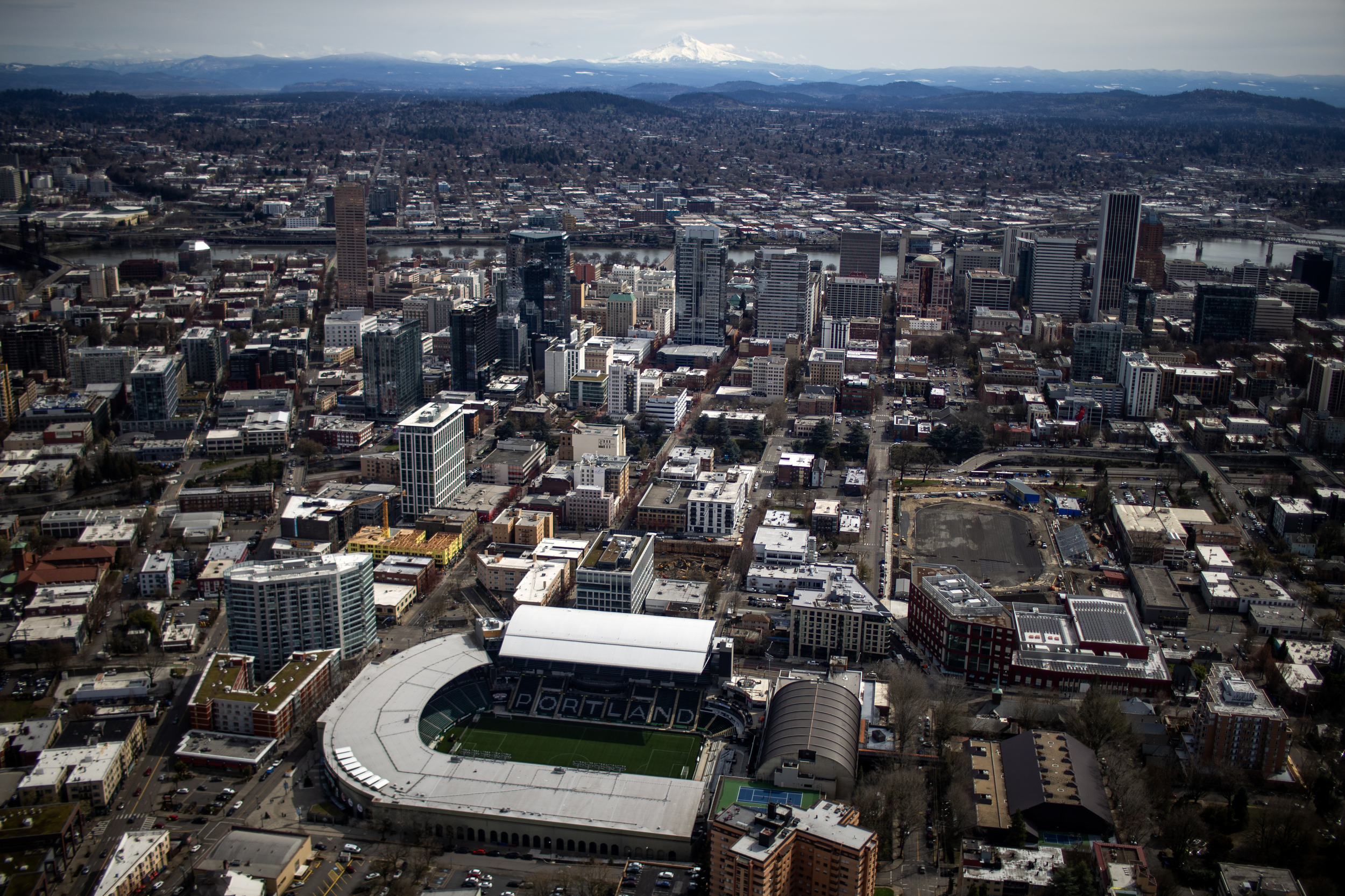
At its core, the population of Portland directly impacts the vibrancy of its neighborhoods, the diversity of its culinary landscape, and the availability of everything from boutique hotels to long-term apartment rentals. For travelers planning a visit, knowing the scale of the city’s inhabitants provides context for navigating its bustling streets, appreciating its tight-knit communities, and understanding the demand for various accommodation types. For those considering a longer stay, whether for business or leisure, population metrics offer insights into the lifestyle, housing market, and overall atmosphere they can expect.
Understanding Portland’s Population Dynamics
The city of Portland, located primarily in Multnomah County with portions extending into Washington and Clackamas Counties, has experienced significant growth over the past few decades, evolving from a sleepy Pacific Northwest port city to a bustling urban center. This growth has been both a boon and a challenge, bringing with it a rich tapestry of cultures and ideas, alongside the pressures of urbanization.
Current Demographics and Growth Trends
As of recent estimates, the population of the city proper of Portland, Oregon, hovers around 650,000 to 670,000 residents. This figure positions Portland as the most populous city in Oregon and a significant urban hub in the broader Pacific Northwest region. However, to truly grasp its scale and influence, it’s crucial to consider the greater Portland metropolitan area, which encompasses surrounding suburbs and extends into southwestern Washington state. This larger metropolitan statistical area (MSA) is home to approximately 2.5 million to 2.7 million people. This distinction is vital for understanding economic reach, commuter patterns, and the overall footprint of the region.
Historically, Portland has witnessed a steady upward trend in its population, particularly from the early 2000s through the mid-2010s, driven by its reputation as a progressive city with abundant job opportunities, a vibrant arts scene, and access to stunning natural landscapes. While the pace of growth has modulated in recent years, reflecting national trends and local housing market dynamics, the city continues to attract new residents, drawn by its unique lifestyle offerings. Demographic data reveals a diverse populace, with a significant proportion of young professionals, artists, and families, contributing to its dynamic and youthful spirit. The median age typically falls in the mid-30s, indicative of a city brimming with energy and innovation.
Factors Influencing Population Changes
Several interconnected factors have historically influenced and continue to shape Portland’s population trajectory. Economic opportunities, particularly in tech, creative industries, healthcare, and sustainable development, have acted as a powerful magnet. Major employers and a thriving startup ecosystem have drawn talent from across the nation and globally, leading to inward migration.
The city’s celebrated quality of life is another undeniable draw. Its commitment to green spaces, extensive public transit options, and a palpable emphasis on community and local businesses appeals to many seeking an alternative to larger, more traditional urban centers. Access to outdoor recreation, from hiking in the Columbia River Gorge to skiing on Mount Hood, provides an unparalleled backdrop for residents. However, this popularity has also led to challenges, notably rising housing costs and increasing traffic congestion, which can, at times, temper growth and influence outward migration to more affordable surrounding areas within the metropolitan sphere. The balance between maintaining its unique character and accommodating growth remains a perennial discussion among residents and policymakers alike.
The Impact of Population on Tourism and Lifestyle
The sheer number of people living in Portland, coupled with their diverse backgrounds and interests, profoundly impacts the city’s appeal as a tourist destination and its overall lifestyle. A larger, more diverse population translates directly into a richer cultural landscape, a broader array of dining options, and a more robust infrastructure to support both residents and visitors.
Vibrancy and Cultural Diversity
The substantial population base ensures a constant buzz of activity throughout Portland’s many distinct neighborhoods. From the trendy boutiques and art galleries of the Pearl District to the vintage shops and indie theaters of the Hawthorne District, each area pulses with a unique energy largely generated by its residents. This density of people creates a demand for a vast range of cultural experiences, from live music venues on Mississippi Avenue to the vibrant street art of the Alberta Arts District.
Tourists benefit immensely from this resident-driven culture. The legendary food scene, for example, with its farm-to-table restaurants and diverse food cart pods, is a direct reflection of a population that values culinary innovation, local sourcing, and a wide variety of international flavors. Events like the Portland Rose Festival or the Oregon Brewers Festival thrive on both local participation and tourist interest, becoming bigger and better because there’s a critical mass of people to support and enjoy them. This vibrant local culture is one of the primary reasons Portland consistently ranks high on lists of must-visit destinations for those seeking authentic experiences rather than just generic sightseeing.

Economic Implications for Travel and Accommodation
A healthy and growing population underpins a robust tourism economy. More residents mean a larger local workforce for hotels, restaurants, attractions, and tour operators. It also means a strong local economy capable of supporting the infrastructure necessary for tourism, from public transportation systems to well-maintained parks and public spaces. The demand for accommodation in Portland is directly influenced by its population and attractiveness. A city with a healthy population base can sustain a diverse range of lodging options, from luxury hotels to budget-friendly hostels and unique vacation rentals.
For instance, the presence of major convention centers, driven partly by the city’s economic activity and population, leads to a consistent flow of business travelers who require high-quality accommodations like the Hyatt Regency Portland at Oregon Convention Center or The Nines, a Luxury Collection Hotel. Concurrently, the city’s reputation for quirkiness and outdoor adventure attracts leisure travelers, driving demand for boutique hotels in areas like the Downtown core or charming guesthouses in residential neighborhoods. The competition among these various establishments often leads to better services and a wider array of amenities for visitors. Understanding the resident population helps tourism boards and hoteliers predict demand, ensuring there’s a suitable bed for every traveler, whether they seek a lavish suite, a family-friendly apartment, or a cozy, long-term stay.
Navigating Portland: Attractions and Neighborhoods for Visitors
The scale and distribution of Portland’s population have shaped its urban layout and the concentration of its attractions. For visitors, this means a city that is remarkably walkable and navigable, with distinct districts offering unique experiences.
Popular Landmarks and Experiences
The city’s residents are the lifeblood of its most cherished landmarks and experiences. Washington Park, a sprawling urban park home to the Oregon Zoo, the International Rose Test Garden, and the tranquil Japanese Garden, is a testament to Portland’s commitment to green spaces, heavily utilized and cherished by its population. The sustained interest from both locals and tourists allows these attractions to flourish and expand.
Similarly, iconic destinations like Powell’s City of Books, a beloved independent bookstore spanning an entire city block, thrives on the literary appetite of a large, educated populace. The historic Pittock Mansion offers not only a glimpse into the city’s past but also panoramic views of the skyline and Mount Hood, attracting countless visitors who appreciate the city’s history and natural beauty. Even the ubiquitous food truck scene, with hundreds of unique vendors across the city, is a direct response to a diverse population demanding convenient, affordable, and high-quality cuisine. These examples underscore how Portland’s population isn’t just a number but an active participant in creating and sustaining its most iconic experiences.
Accommodation Options Reflecting Population Density
The density of Portland’s population and its visitor traffic directly influence the type and quantity of accommodation available. In the bustling Downtown and Pearl District, where offices, shops, and cultural venues converge, you’ll find a concentration of upscale hotels like the Kimpton Hotel Monaco Portland and Sentinel Hotel, catering to both business and luxury travelers. These areas thrive on the constant flow of people, both residents and visitors, who seek convenience and high-end amenities.
Moving beyond the central core, the character of accommodation shifts, reflecting the more residential and community-focused nature of surrounding neighborhoods. For instance, in areas like Southeast Portland or Northeast Portland, visitors might find more boutique hotels housed in historic buildings, charming bed-and-breakfasts, or a wider array of vacation rental apartments, such as those listed on platforms like Airbnb Portland. These options cater to travelers looking for a more local experience, perhaps a longer-term stay, or those traveling with families who appreciate the space and amenities of an apartment. The choice of accommodation in Portland is thus as diverse as its population, offering everything from opulent suites to cozy, budget-friendly options, each designed to meet the varying needs of the millions who pass through or reside within its boundaries.

Future Outlook: Portland’s Evolving Urban Landscape
The question of “how many people live in Portland, Oregon” is not static; it’s a dynamic variable that continually shapes the city’s trajectory. Urban planners, local businesses, and residents alike keenly observe population trends, recognizing their profound implications for infrastructure, public services, economic development, and cultural preservation.
Looking ahead, Portland is projected to continue its moderate growth within the metropolitan area, even if the city proper’s growth rate may fluctuate. This expansion will likely lead to further development of mixed-use neighborhoods, increased focus on sustainable urban planning, and continuous efforts to balance economic prosperity with environmental stewardship. The influx of new residents will continue to diversify the city’s cultural fabric, fostering new culinary trends, artistic expressions, and community initiatives.
For the travel and tourism sector, this sustained population base means a constantly evolving city with new attractions, updated facilities, and a renewed sense of purpose. Hotels and accommodation providers will need to adapt to changing traveler preferences, perhaps with an increased demand for eco-friendly options, tech-integrated rooms, or even more localized and experiential stays. The city’s lifestyle, characterized by its outdoor pursuits along the Willamette River and its vibrant urban core, will remain a key draw, continuously attracting individuals who resonate with its unique ethos.
Ultimately, the number of people living in Portland, Oregon is more than a statistic. It is a living, breathing indicator of a city’s appeal, its challenges, and its boundless potential. It’s the engine that drives its celebrated culture, supports its thriving tourism industry, and ensures that Portland remains an intriguing and unforgettable destination for millions, year after year.
LifeOutOfTheBox is a participant in the Amazon Services LLC Associates Program, an affiliate advertising program designed to provide a means for sites to earn advertising fees by advertising and linking to Amazon.com. Amazon, the Amazon logo, AmazonSupply, and the AmazonSupply logo are trademarks of Amazon.com, Inc. or its affiliates. As an Amazon Associate we earn affiliate commissions from qualifying purchases.