
Navigating a period of unemployment can be a challenging experience, fraught with financial uncertainty and emotional stress. For residents of Oregon, understanding the process of applying for unemployment insurance benefits is a crucial first step toward stability. While primarily a financial safety net, this period can also be an unexpected opportunity for introspection, local exploration, and focusing on personal well-being. This comprehensive guide will walk you through the specifics of applying for unemployment in the Beaver State, while also touching upon how to thoughtfully engage with Oregon’s’s unique offerings during this time, aligning with principles of resourceful living and mental resilience.
Understanding Unemployment Benefits in Oregon
Unemployment insurance (UI) benefits in Oregon are designed to provide temporary financial assistance to eligible workers who have lost their jobs through no fault of their own. Administered by the Oregon Employment Department, these benefits help individuals meet their basic needs while actively searching for new employment. It’s important to understand that UI is not an entitlement but an earned benefit, funded by employer contributions.
Eligibility Requirements
To qualify for unemployment benefits in Oregon, you must meet several key criteria. These typically include:
- Monetary Eligibility: You must have earned enough wages during your “base period” (a specific 12-month period defined by the state) to establish a claim. This ensures that you have a recent history of attachment to the workforce. The Oregon Employment Department uses your highest-earning calendar quarters to calculate your potential weekly benefit amount.
- Reason for Separation: You must have lost your job through no fault of your own. This generally includes layoffs, reductions in force, or business closures. If you quit your job, you may still be eligible under certain circumstances, such as for good cause related to work or personal safety. If you were fired, you might be eligible if the firing was not due to misconduct.
- Availability and Ability to Work: You must be physically able and available to work, and actively seeking suitable employment. This means you should not have any conditions that prevent you from working, and you must be willing to accept appropriate job offers.
- Work Search Requirements: After applying, you will be required to perform a certain number of work-search activities each week (e.g., applying for jobs, attending job fairs, networking) and report them to the department. These requirements emphasize your commitment to rejoining the workforce.
Understanding these criteria upfront can help you determine your likelihood of eligibility and prepare the necessary documentation for a smooth application process.
What You’ll Need to Apply
Gathering the required information before you begin your application will significantly streamline the process. Having everything at hand can reduce stress and prevent delays. Here’s a checklist of common items you’ll likely need:
- Social Security Number: Your personal identifier for all employment-related records.
- Employer Information: Names, addresses, and phone numbers of all employers for the last 18 months, including your most recent employer. You’ll also need the dates you worked for each, and the reason for separation.
- Gross Earnings Information: Details of your earnings from these employers, particularly during your base period. Pay stubs or W-2 forms can be helpful, though the department often has access to this data.
- Alien Registration Number (if applicable): For non-U.S. citizens authorized to work in the United States.
- Bank Account Information: Your routing and account numbers if you wish to receive your benefits via direct deposit, which is typically the quickest and most secure method.
- Union Information (if applicable): If you are a member of a union, you may need to provide your union name and local number.
Having these details readily available will make filling out the online application much faster and more accurate, minimizing the chance of needing to resubmit information.
The Application Process: A Step-by-Step Guide
The most efficient way to apply for unemployment benefits in Oregon is online. The Oregon Employment Department provides a user-friendly portal designed to guide applicants through each step. While the process is digital, it’s still important to pay close attention to detail and submit accurate information.
Online Application Portal
To initiate your claim, you’ll need to visit the official website of the Oregon Employment Department. Look for the “Apply for Benefits” section.
- Create an Account: If you don’t already have one, you’ll need to create an online account. This typically involves providing an email address, creating a password, and setting up security questions. This account will be your main point of interaction with the department throughout your claim.
- Start Your Initial Claim: Once logged in, you can begin the application. You’ll be asked to provide all the personal and employment information you gathered previously. Be as thorough and accurate as possible. Any discrepancies could lead to delays or denials.
- Review and Submit: Before final submission, carefully review all your entries. It’s easy to make a typo that could cause issues. Once satisfied, submit your application. You should receive a confirmation number, which you should keep for your records.
- Await Determination: After submission, the department will review your application and verify your information with your former employers. This process can take a few weeks. During this time, you might receive a “Wage and Hour” determination or a request for additional information. Respond promptly to any such requests. You will eventually receive a monetary determination letter, detailing your weekly benefit amount and the total amount you may receive.
It’s crucial to apply as soon as you become unemployed because benefits are typically paid from the date your application is filed, not the date you lost your job. Delays in applying can mean lost benefit weeks.
Continued Claims and Work Search Requirements
Once your initial claim is approved, the process doesn’t end there. To continue receiving benefits, you must file “weekly claims” and adhere to work search requirements.
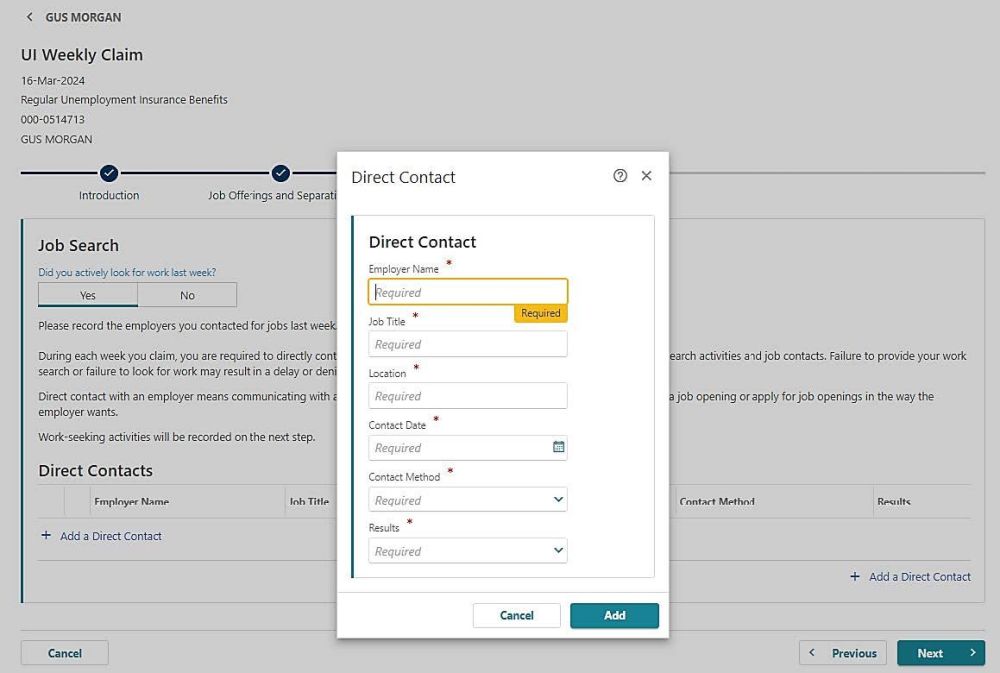
- Filing Weekly Claims: Each week, you will need to log back into your online account and report your earnings (even if zero), any job offers received or refused, and certify that you are able and available to work. You’ll also confirm that you have met your work search requirements for that week. Be honest and accurate in your reporting; misrepresentation can lead to penalties or a requirement to repay benefits.
- Work Search Activities: The Oregon Employment Department will outline specific work search activities you must perform. This usually includes applying for a certain number of jobs, attending workshops, or participating in job fairs. Maintaining a detailed log of your work search activities, including dates, company names, contact persons, and method of application, is highly recommended. You may be asked to provide this log.
- Exploring Career Resources: While satisfying work search requirements, consider utilizing resources like Workforce Oregon (a network of career centers throughout the state). These centers often provide free services such as resume writing assistance, interview coaching, and access to job listings and training programs, helping you not just fulfill requirements but genuinely improve your re-employment prospects. These resources are an excellent way to turn a challenging period into an opportunity for skill development and career advancement.
Navigating Life During Unemployment in Oregon: Resourceful Living and Local Exploration
Unemployment, while financially taxing, doesn’t mean your life has to come to a standstill. In fact, it can be a unique moment to slow down, explore your local environment, and focus on personal well-being – all while adhering to a budget. Oregon offers a wealth of natural beauty and community resources that can enrich this transitional period without breaking the bank.
Budget-Friendly Activities and Attractions
Oregon is renowned for its stunning landscapes and vibrant communities, many of which offer free or low-cost activities perfect for those managing a tight budget.
- Embrace the Outdoors: Take advantage of Oregon’s diverse natural environment. Hiking trails abound, from the majestic Columbia River Gorge near Portland with its numerous waterfalls to the serene forests around Mount Hood. Crater Lake National Park offers breathtaking views, and while there’s an entrance fee, the experience can be deeply restorative. Many state parks have minimal day-use fees or free access, offering opportunities for picnics, gentle walks, and photography. The iconic Oregon Coast is free to access, with endless beaches for strolling, beachcombing, and enjoying dramatic sunsets. Head to Cannon Beach to marvel at Haystack Rock, or explore the charming coastal towns.
- Explore Local Culture: Many cities, like Portland, Salem, and Eugene, boast numerous public parks, farmers’ markets, and free community events that offer a taste of local culture without expense. Check out local library programs, free museum days, or art gallery openings. For instance, the Willamette Valley is famous for its wineries, and while tastings incur a cost, driving through the scenic vineyards is free and picturesque.
- Volunteer Opportunities: Volunteering not only helps your community but also provides a sense of purpose, allows you to meet new people, and can even boost your resume. Whether it’s at a food bank, an animal shelter, or a local environmental cleanup, giving back can be incredibly fulfilling.
Affordable Accommodation Options
While permanent accommodation is generally a given for unemployment applicants, short-term or temporary accommodation solutions can become relevant if you need to relocate for job opportunities or simply seek a change of scenery without the financial burden of traditional travel.
- Hostels and Guesthouses: For those considering a temporary stay in a new Oregon city for a job interview or to explore new job markets, budget-friendly hostels in cities like Portland or Bend can offer significant savings compared to hotels. Many provide communal kitchens, further cutting down on food costs.
- Extended Stay Options: If you need slightly longer-term accommodation due to job searching in a different part of the state, look for extended-stay hotels or apartment-style accommodations. These often come with kitchenettes and offer weekly or monthly rates that are more economical than nightly hotel stays.
- Camping and RV Parks: For those with a tent or RV, Oregon’s numerous state and national park campgrounds offer an extremely affordable way to explore. This can be a wonderful, immersive way to enjoy the state’s natural beauty, perhaps while contemplating your next career move by the Deschutes River or along the Oregon Coast. Always check seasonal availability and reservation requirements.
These options emphasize that even during a period of financial constraint, thoughtful planning can allow for necessary travel or even simple changes of pace.
Embracing Oregon’s Outdoors and Community
The “lifestyle” aspect during unemployment can greatly benefit from connecting with Oregon’s natural environment and vibrant community. Beyond specific activities, it’s about a mindset.
- Wellness Through Nature: Spending time outdoors is scientifically proven to reduce stress and improve mental well-being. Oregon’s forests, mountains, rivers, and coastline offer endless opportunities for free therapy. A walk in the local park, a hike, or simply sitting by a river can be incredibly grounding during uncertain times. For instance, a drive through the scenic Rogue Valley can offer peace and perspective.
- Community Engagement: Connect with local community groups, volunteer organizations, or hobby clubs. Many towns, from Tillamook to Ashland, have active community centers and events. Joining a book club, a hiking group, or participating in local festivals (like the Oregon Shakespeare Festival in Ashland, which offers various free outdoor performances and events) can combat isolation, foster new friendships, and expand your network, potentially leading to job opportunities.
- Sustainable Living: This period can also be an opportunity to reassess your lifestyle choices. Focusing on cooking at home, utilizing public transportation or biking, and supporting local businesses can not only save money but also foster a more sustainable and community-oriented way of living, a hallmark of the Pacific Northwest ethos.
Beyond the Application: Planning for Re-employment and Future Ventures
Securing unemployment benefits in Oregon is a vital safety net, but it’s just one part of navigating this transitional period. The ultimate goal is re-employment, and thoughtful planning can turn this challenge into an opportunity for career growth and personal development.
Career Resources and Training Programs
The Oregon Employment Department and its partner organizations offer a wealth of resources beyond processing claims.
- Local Career Centers: Physical career centers, often part of the Workforce Oregon network, are invaluable. They provide free services such as one-on-one career counseling, resume and cover letter workshops, interview preparation, and job search assistance. Many also host job fairs and employer recruitment events, giving you direct access to hiring managers.
- Skill Development and Training: Explore opportunities for skill enhancement. Many community colleges in Oregon offer short-term certification programs or continuing education courses that can make you more competitive in the job market. The Oregon Employment Department may even have programs that can help fund retraining for in-demand occupations. This is an ideal time to invest in yourself and acquire new skills or refresh existing ones.
- Networking: Leverage professional networking events, online platforms like LinkedIn, and even casual community gatherings. Often, the best job leads come through personal connections. Attending industry meetups or local business association events, even virtually, can open doors you might not find through traditional job boards.

Future Planning and Financial Wellness
Unemployment can serve as a stark reminder of the importance of financial preparedness and long-term planning.
- Budgeting and Financial Literacy: Use this time to refine your budgeting skills and explore resources for financial literacy. Understanding how to manage your expenses effectively, save for emergencies, and plan for retirement is crucial for long-term stability. Many non-profit organizations offer free financial counseling services.
- Exploring Entrepreneurship: For some, unemployment sparks an entrepreneurial spirit. Oregon’s vibrant startup scene, particularly in cities like Portland and Bend, offers resources for aspiring business owners. Even if a full-fledged startup isn’t feasible, exploring freelance work or consulting can provide immediate income and valuable experience.
- Mental Health and Well-being: The stress of unemployment can take a toll on mental health. Prioritize self-care, whether it’s through exercise, meditation, hobbies, or seeking support from friends, family, or professionals. Many community health organizations in Oregon offer low-cost or free mental health services. Integrating outdoor activities and community engagement, as discussed earlier, are also powerful tools for maintaining a positive mindset.
Applying for unemployment in Oregon is a practical process for securing a financial bridge during a career transition. By diligently following the application steps, adhering to requirements, and leveraging available career resources, you can effectively navigate this period. Simultaneously, by embracing Oregon’s natural beauty and community spirit, you can foster personal resilience, explore new facets of your home state, and ultimately emerge from this experience not just re-employed, but perhaps with a renewed sense of purpose and well-being.
LifeOutOfTheBox is a participant in the Amazon Services LLC Associates Program, an affiliate advertising program designed to provide a means for sites to earn advertising fees by advertising and linking to Amazon.com. Amazon, the Amazon logo, AmazonSupply, and the AmazonSupply logo are trademarks of Amazon.com, Inc. or its affiliates. As an Amazon Associate we earn affiliate commissions from qualifying purchases.