
Understanding the time zone for any travel destination is a fundamental aspect of planning a seamless and enjoyable trip. For those setting their sights on the picturesque landscapes, vibrant cities, and unique cultural experiences of Oregon, knowing the local time is more than just a trivial detail; it’s a crucial element that impacts everything from flight schedules and hotel check-ins to dining reservations and event timings. Oregon, a state renowned for its diverse geography ranging from the rugged coastline to the high desert, primarily operates within one time zone, but with an interesting and important exception in its eastern reaches. This guide delves into the intricacies of Oregon’s time zones, offering essential insights for travelers, digital nomads, and anyone looking to fully immerse themselves in the Beaver State.

From coordinating a business stay in Portland to embarking on a family trip to Crater Lake National Park, or even planning a luxury retreat along the Oregon Coast, time synchronization is key. This article will help you master the clocks of Oregon, ensuring your adventure is timed to perfection, allowing you to maximize every moment, whether it’s exploring historical landmarks, savoring local cuisine, or simply relaxing in your chosen accommodation.
Understanding Oregon’s Primary Time Zone: Pacific Time
The vast majority of Oregon, including its major cities, popular tourist destinations, and economic centers, observes Pacific Time. This means that if you’re traveling to Portland, Salem, Eugene, Bend, or anywhere along the stunning Oregon Coast, you’ll be operating on Pacific Time.
Pacific Time is typically seven hours behind Coordinated Universal Time (UTC-7) during Daylight Saving Time and eight hours behind (UTC-8) during standard time. This time zone is shared with neighboring states like Washington and California, making cross-state travel and communication relatively straightforward for visitors from the west coast. For those arriving from the Central Standard Time (CST) or Eastern Standard Time (EST) zones, this entails a two-hour or three-hour time difference, respectively, which is crucial for managing jet lag and scheduling.
The prevalence of Pacific Time across most of Oregon simplifies many aspects of travel planning. When booking flights to Portland International Airport (PDX) or making reservations for a boutique hotel in Ashland, you can generally assume the times listed are in Pacific Time. However, understanding the shift between standard and daylight saving time is equally vital for avoiding confusion.
PST vs. PDT: The Cycle of Daylight Saving
Like many other regions in the United States, Oregon observes Daylight Saving Time. This means the time zone shifts biannually.
- Pacific Standard Time (PST): During the colder months, from early November to mid-March, Oregon operates on Pacific Standard Time (PST), which is UTC-8. This is the “standard” setting where the clocks are pushed back an hour.
- Pacific Daylight Time (PDT): From mid-March to early November, the state switches to Pacific Daylight Time (PDT), which is UTC-7. During this period, clocks “spring forward” an hour, extending daylight into the evening.
This annual change has significant implications for travelers, especially those planning trips around the transition dates. For instance, if your flight arrives on the day Daylight Saving Time begins or ends, double-checking your itinerary against the local time change is paramount. Many apps and devices automatically adjust, but it’s always wise to confirm, particularly for critical appointments like check-in at a resort or a timed entry to a popular landmark such as Multnomah Falls. These shifts can affect everything from the perceived length of your day for outdoor activities to the timing of sunset views at Cannon Beach.
The Impact on Travel Planning
The Pacific Time zone directly influences how travelers from different regions plan their journeys to Oregon. For international visitors or those from the East Coast, the time difference can lead to jet lag. Planning your arrival with this in mind, perhaps booking an early check-in at your Portland hotel or opting for a more relaxed itinerary on your first day, can make a significant difference.
Accommodation bookings, too, are tied to the local time. A 3 PM check-in at a downtown Portland hotel means 3 PM Pacific Time, not your home time zone. The same applies to booking tours, reserving tables at acclaimed restaurants in the Willamette Valley, or securing tickets for the Oregon Shakespeare Festival in Ashland. Always confirm reservation times in the local Oregon time to avoid any miscommunications or missed experiences. The time zone also influences the scheduling of public transportation, the operational hours of attractions like the Oregon Zoo, and even the best times to capture sunrise photos over Mount Hood or sunset vistas along the Oregon Coast.
Navigating the Time Zone Divide: Eastern Oregon’s Exception
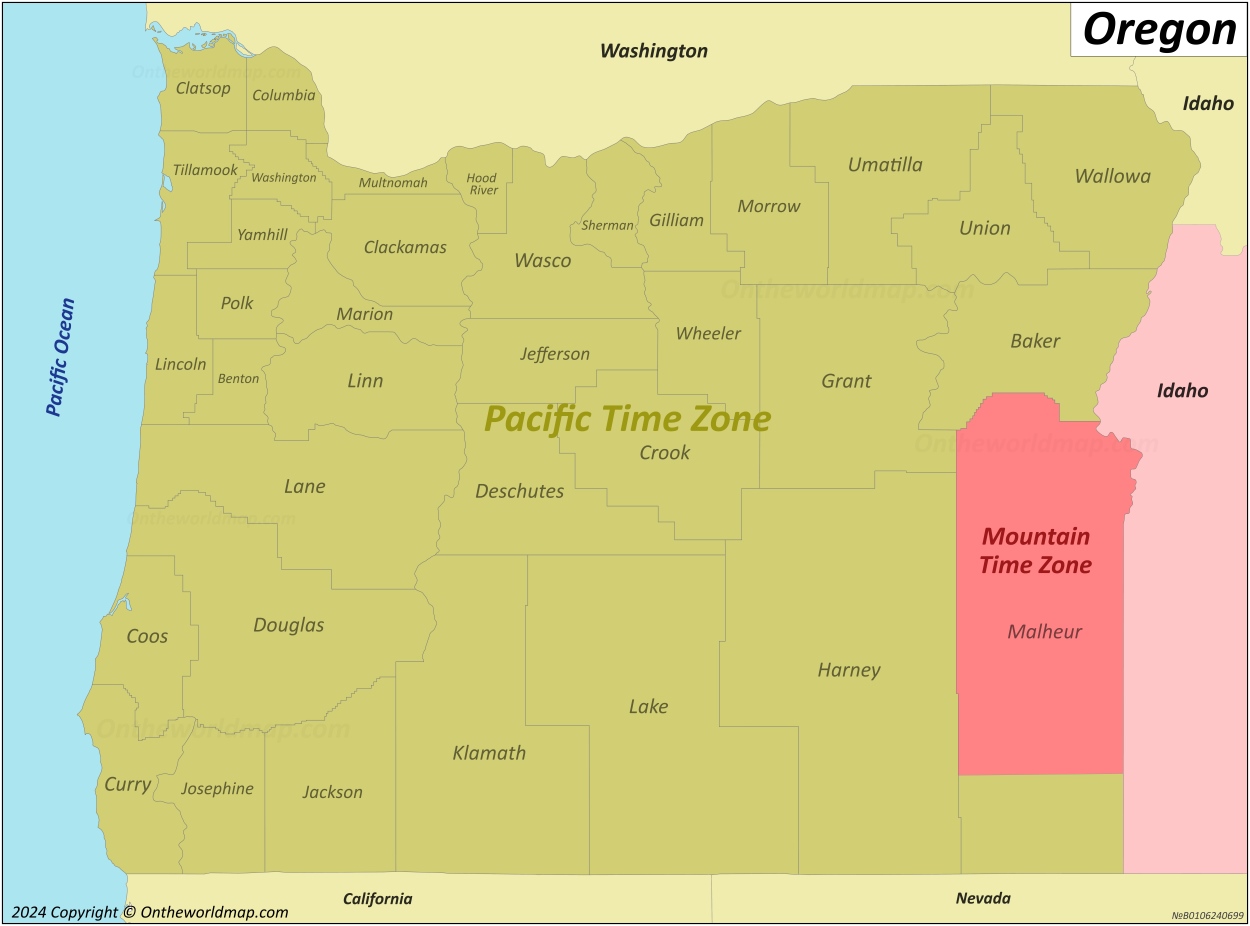
While the vast majority of Oregon adheres to Pacific Time, there’s a notable exception that travelers, especially those venturing into the state’s less-traveled eastern regions, must be aware of. A portion of Eastern Oregon, particularly the county closest to Idaho, observes Mountain Time. This subtle yet significant shift can catch unsuspecting travelers off guard, making it crucial to understand exactly where this time zone boundary lies.
The rationale behind this split is primarily geographical and economic. These eastern counties are more closely aligned with Idaho for commerce, communication, and local community ties. It makes practical sense for them to share a time zone with their immediate neighbors rather than with Portland or Salem, which are hundreds of miles away. This creates a fascinating and sometimes challenging dynamic for those traversing the state from west to east or vice versa.
Key Counties and Their Mountain Time Connection
The primary area in Oregon that observes Mountain Time is Malheur County, located in the extreme southeastern corner of the state, bordering Idaho. This means that towns within Malheur County, such as Ontario, Vale, and Nyssa, are one hour ahead of the rest of Oregon (on Mountain Standard Time or Mountain Daylight Time). So, when it’s 3 PM in Portland, it’s 4 PM in Ontario.
While Malheur County is the only county entirely within the Mountain Time zone, travelers should also be aware that some smaller, unincorporated communities or specific businesses in adjacent counties might unofficially operate on Mountain Time due to proximity to Idaho. However, for official purposes and the vast majority of areas, the boundary is quite distinct. Understanding this precise geographical split is crucial for anyone planning a road trip through Eastern Oregon, particularly if their itinerary involves crossing the Oregon-Idaho border multiple times or coordinating with people on both sides of the state.
Practical Advice for Travelers in Eastern Oregon
For those exploring Eastern Oregon, a little foresight regarding the time zone change can save a lot of hassle.
- Double-Check Everything: When booking accommodation in Malheur County, confirming check-in/check-out times in local Mountain Time is crucial. The same goes for restaurant reservations, tour departures, or any scheduled activities.
- Device Settings: While smartphones and GPS devices usually adjust automatically, it’s prudent to manually check your device’s time settings as you approach or cross into Malheur County. Sometimes, a weak signal or a device glitch can lead to incorrect time display.
- Communication: If you’re coordinating with friends or family in other parts of Oregon while in Malheur County, always specify the time zone to avoid confusion. A simple “Let’s meet at 5 PM Mountain Time” or “5 PM Pacific Time” can make all the difference.
- Road Trip Awareness: If you’re driving through Oregon from west to east, be prepared to “lose” an hour as you cross into Malheur County. Conversely, traveling west will mean “gaining” an hour. This can impact your arrival times for pre-booked hotels or evening events.
- Gas Station and Store Hours: In remote areas of Eastern Oregon, understanding the local time is essential for knowing when businesses like gas stations, grocery stores, or visitor centers will be open, especially if you’re on a long drive through less populated regions.
By being mindful of this unique time zone split, travelers can seamlessly navigate their way through Oregon’s diverse landscapes, from the Columbia River Gorge to the Alvord Desert, without missing a beat.
Time Zone Considerations for Your Oregon Trip
Successfully navigating Oregon’s time zones goes beyond simply knowing what time it is. It involves integrating this knowledge into every aspect of your travel, from booking your stay to experiencing local culture. Thoughtful consideration of the time difference can significantly enhance your trip, minimizing stress and maximizing enjoyment.
Seamless Accommodation and Booking
When planning your stay, whether it’s a luxury suite in downtown Portland, a cozy cabin near Mount Hood, or an eco-resort along the Oregon Coast, the time zone plays a vital role in ensuring a smooth experience.
- Arrival and Departure: Confirm your flight, train, or bus arrival and departure times in local Pacific Time (or Mountain Time if applicable). This prevents misinterpreting early morning arrivals as late nights or vice-versa.
- Hotel Check-in/Check-out: Most accommodations, from budget-friendly motels to high-end resorts, adhere strictly to their local check-in and check-out times. Communicating your expected arrival time, especially if it’s significantly earlier or later than standard, and clarifying it in the local time, is always a good practice. This is particularly relevant if you’re arriving from a distant time zone and your internal clock is still adjusting.
- Booking Platform Accuracy: While reputable booking websites generally display times in the local destination’s time zone, always do a quick mental check, especially if you’re booking well in advance or from a different continent. An early morning flight arrival might mean you need to arrange for an extra night’s stay or early check-in at your chosen accommodation.
Maximizing Your Tourism Experiences
Oregon boasts an incredible array of attractions, from the urban delights of Portland with its famous Powell’s City of Books to the natural wonders of Crater Lake National Park. Time zone awareness helps you make the most of every opportunity.
- Attraction Opening Hours: Whether you’re visiting museums, art galleries, national parks, or local landmarks like the Tillamook Creamery, always verify their operating hours in local Oregon time. Seasonal changes, especially around Daylight Saving Time shifts, can also affect these hours.
- Event Scheduling: Attending a concert, a sporting event, or a seasonal festival? Event times are invariably listed in the local time zone. Confirming this ensures you don’t miss the beginning of a performance or arrive too early for a pre-show dinner.
- Dining Reservations: Oregon’s culinary scene is vibrant. Making dinner reservations, particularly at popular spots in Portland or the Willamette Valley, requires adherence to local time. This is especially important if you’re traveling from the East Coast, where 7 PM dinner for you might feel like 10 PM.
- Outdoor Activities: For activities like hiking in the Columbia River Gorge, surfing on the Oregon Coast, or exploring the Oregon Dunes National Recreation Area, understanding sunrise and sunset times (which change with the seasons and Daylight Saving Time) is essential for safety and maximizing daylight hours.
Lifestyle Adjustments for an Enjoyable Stay
Your personal lifestyle, whether you’re accustomed to early mornings or late nights, will inevitably be influenced by Oregon’s time zone.
- Jet Lag Management: For long-distance travelers, managing jet lag is paramount. Gradually adjusting your sleep schedule a few days before your trip, staying hydrated, and exposing yourself to natural light upon arrival can help. Avoid important meetings or strenuous activities on your first day if possible.
- Business Travel: For business stays, particularly if you need to communicate with colleagues in different time zones, maintaining a time zone converter on your phone or computer is indispensable. Scheduling calls that accommodate everyone’s working hours is a common challenge.
- Family Trips: Traveling with children requires even more careful time management. Their sleep schedules can be highly sensitive to time changes, so allowing for extra adjustment time and maintaining some semblance of routine, adjusted to local time, is beneficial.
- Leisure and Relaxation: Ultimately, your trip is for enjoyment. While adhering to schedules, remember to allow flexibility for spontaneous exploration. Being aware of the time zone simply provides a solid framework for your adventures, ensuring you don’t miss out on any of Oregon’s captivating offerings.
Overcoming Time Zone Challenges: Tips for Travelers
Understanding Oregon’s time zones is the first step; effectively managing them is the next. Travelers, especially those embarking on longer journeys or crossing multiple time zones, often face challenges like jet lag and communication difficulties. With a few proactive strategies, these hurdles can be overcome, allowing for a more relaxed and fulfilling travel experience in Oregon.
Managing Jet Lag When Visiting Oregon
Jet lag can significantly impact the initial days of your trip, turning excitement into fatigue. Here are some proven strategies to minimize its effects:
- Pre-Adjust Your Sleep Schedule: A few days before your departure, try to gradually shift your bedtime and wake-up time closer to Oregon’s time zone. Even an hour or two can make a difference.
- Hydrate and Avoid Dehydration: Drink plenty of water before, during, and after your flight. Dehydration can exacerbate jet lag symptoms. Limit alcohol and excessive caffeine, as they can disrupt sleep patterns.
- Embrace Natural Light: Upon arrival, expose yourself to natural daylight as much as possible, especially in the morning. This helps reset your body’s internal clock. Conversely, try to minimize light exposure in the evenings if you need to sleep earlier.
- Stay Active (Moderately): Light exercise or walking around attractions like the International Rose Test Garden in Portland can help you feel more alert and tired at appropriate times. Avoid strenuous workouts immediately upon arrival.
- Avoid Napping (or Keep Them Short): While tempting, long naps can make it harder to adjust to the local sleep schedule. If you must nap, keep it short (20-30 minutes) and early in the afternoon.
- Eat According to Local Time: Try to eat your meals at the standard local meal times. This helps signal to your body when it should be awake and when it should prepare for rest.
- Melatonin or Sleep Aids (Consult a Doctor): For some, over-the-counter melatonin supplements can help regulate sleep cycles. Always consult with a healthcare professional before using any sleep aids.
Communication Across Time Zones
Whether you’re calling home, conducting business, or coordinating with local tour operators, clear communication about time is essential.
- Specify Time Zones: Always mention the time zone when scheduling calls or meetings. Instead of “Let’s chat at 10 AM,” say “Let’s chat at 10 AM Pacific Time” or “1 PM Eastern Standard Time.”
- Use World Clock Apps: Many smartphones and computer operating systems include a world clock feature, allowing you to easily track multiple time zones simultaneously. This is invaluable for quickly converting times.
- Pre-Planned Communication Windows: If you have regular calls with people in distant time zones, try to establish consistent “windows” that work for everyone. For example, late afternoon in Oregon might be ideal for early evening calls with the East Coast.
- Email for Non-Urgent Matters: For less urgent communications, email provides a convenient asynchronous method, allowing recipients to respond at their leisure, regardless of time differences.
Leveraging Technology for Time Management
Modern technology offers an array of tools to simplify time zone management while traveling.
- Smartphone Auto-Update: Most smartphones automatically adjust to the local time zone when you arrive at a new destination, provided you have network coverage. Double-check this feature is enabled.
- Dedicated Time Zone Converters: Numerous apps and websites are designed specifically for time zone conversions, offering intuitive interfaces to compare times across different cities globally.
- Flight & Hotel Apps: Many airline and hotel apps will display your booking information in the local time of your destination, adding an extra layer of clarity.
- Smartwatches and Wearables: Devices like smartwatches often synchronize with your phone’s time settings, providing a convenient glance at the local time.
- Digital Itineraries: Using digital itinerary planners can help keep all your bookings and scheduled activities organized and displayed in the correct local times, reducing the chances of misinterpretation.
By proactively addressing time zone differences with these tips, you can ensure your trip to Oregon is as smooth and enjoyable as possible, allowing you to focus on the incredible experiences that await you, rather than worrying about the clock.

Conclusion: Embracing Oregon’s Diverse Clocks
Oregon, with its captivating blend of natural beauty, dynamic cities, and welcoming communities, offers an unforgettable travel experience. A key to unlocking this experience fully lies in understanding and respecting its time zones. While the vast majority of the state, including iconic destinations like Portland, the Willamette Valley, and the Oregon Coast, operates on Pacific Time (PST/PDT), the unique exception of Malheur County observing Mountain Time adds a layer of complexity that is easily navigated with proper preparation.
From coordinating accommodation bookings and hotel check-ins to scheduling exhilarating outdoor activities or enjoying Oregon’s renowned culinary scene, time awareness is an invisible thread that weaves through every aspect of your journey. By applying the strategies discussed – managing jet lag effectively, ensuring clear communication across time zones, and leveraging modern technology – you can transform potential confusions into seamless transitions.
Ultimately, embracing Oregon’s diverse clocks means enriching your travel narrative. It allows you to synchronize your personal rhythm with the pulse of the state, ensuring that every sunrise over the Cascade Mountains and every sunset over the Pacific Ocean is savored without the distraction of time zone woes. So, pack your bags, set your watches, and get ready to experience the timeless charm and dynamic spirit of Oregon. Your adventure awaits, perfectly timed.
LifeOutOfTheBox is a participant in the Amazon Services LLC Associates Program, an affiliate advertising program designed to provide a means for sites to earn advertising fees by advertising and linking to Amazon.com. Amazon, the Amazon logo, AmazonSupply, and the AmazonSupply logo are trademarks of Amazon.com, Inc. or its affiliates. As an Amazon Associate we earn affiliate commissions from qualifying purchases.