
For travelers planning a visit or simply curious about the rhythm of life in one of the Pacific Northwest’s most distinctive cities, understanding the local time is a fundamental starting point. Portland, Oregon, like much of the United States West Coast, operates on Pacific Standard Time (PST) during the winter months. This means it is three hours behind the East Coast of the United States (Eastern Standard Time, EST) and eight hours behind Coordinated Universal Time (UTC-8).
However, the question of “what time is it?” isn’t always a static answer, as Portland, Oregon observes Daylight Saving Time. From the second Sunday in March to the first Sunday in November, the city switches to Pacific Daylight Time (PDT), moving one hour forward (UTC-7). This seasonal shift profoundly impacts everything from flight schedules and hotel check-ins to the timing of local attractions and the general atmosphere of the city. For anyone looking to explore the vibrant culture, stunning natural beauty, and unique lifestyle that Portland, Oregon offers, factoring in the time zone and its changes is crucial for a seamless and enjoyable travel experience. This comprehensive guide delves into the specifics of Portland, Oregon’s time zone and how it influences travel, tourism, accommodation choices, and daily activities, ensuring you make the most of every moment in this captivating destination.
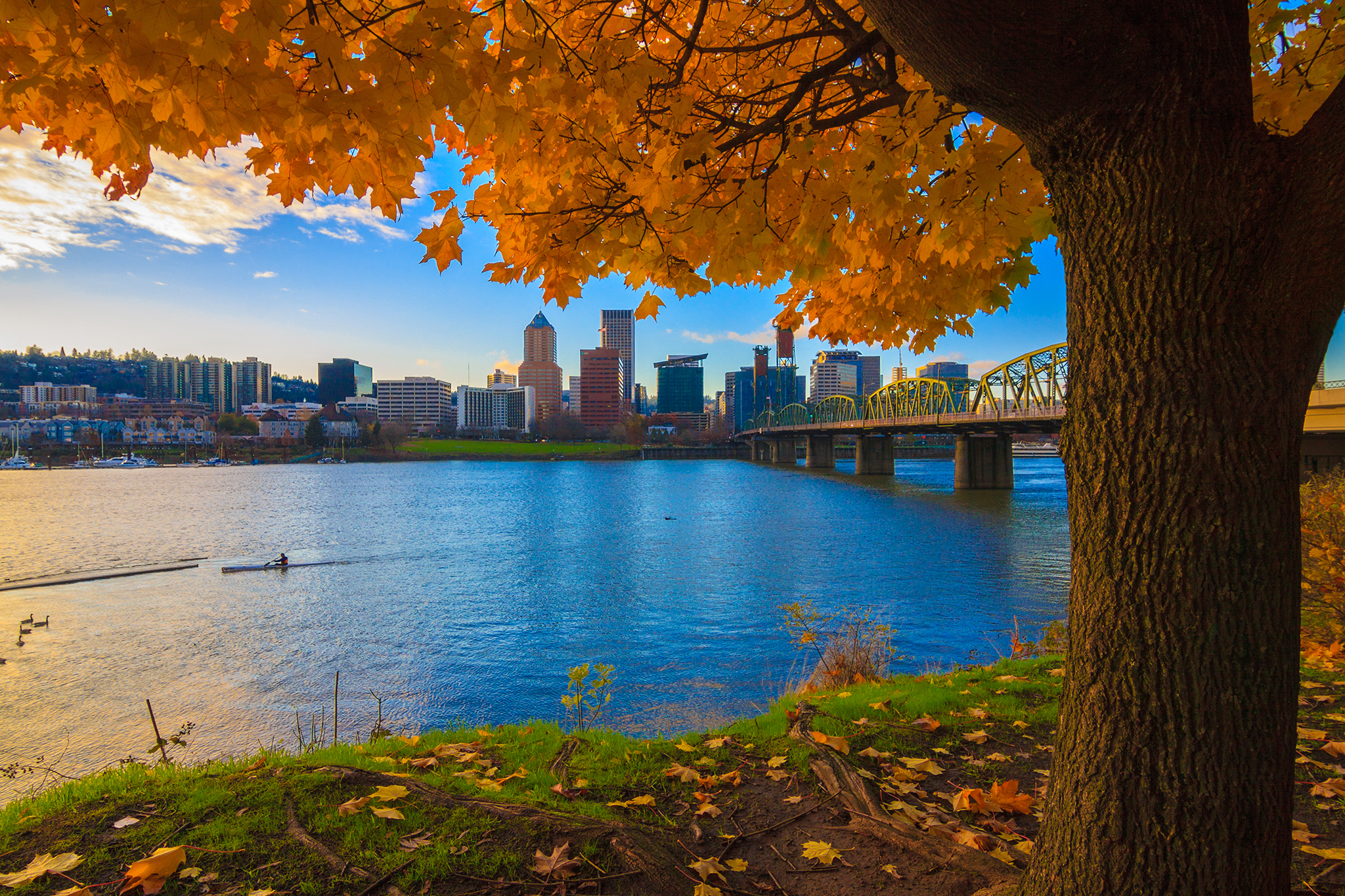
Understanding Portland’s Time Zone: Pacific Standard Time (PST)
Portland, Oregon is situated within the Pacific Time Zone, a designation shared with other West Coast states like California, Washington, and parts of Nevada and Idaho. This geographical alignment means that when you check the time in Portland, Oregon, you’re engaging with a system designed to standardize daily life across a vast longitudinal expanse. For visitors arriving from different parts of the globe, understanding this fundamental aspect of local time is the first step in successful trip planning. The observance of Daylight Saving Time further adds a layer of complexity that knowledgeable travelers must consider.
The Mechanics of Time Zones and Daylight Saving
The concept of time zones emerged in the late 19th century as a solution to the chaos caused by individual communities setting their clocks according to local solar noon, which complicated railway timetables and communication. The United States was divided into four standard time zones: Eastern, Central, Mountain, and Pacific. Portland, Oregon, falls squarely into the Pacific Time Zone.
During the colder months, from early November to early March, Portland, Oregon observes Pacific Standard Time (PST), which is UTC-8. This means that if it’s noon UTC, it’s 4:00 AM in Portland, Oregon. However, like most of the United States (with exceptions like Arizona and Hawaii), Oregon shifts to Pacific Daylight Time (PDT) during the warmer months. This change, often referred to as “springing forward,” occurs on the second Sunday in March, when clocks are advanced by one hour, making Portland, Oregon UTC-7. The clocks then “fall back” to PST on the first Sunday in November. This practice extends daylight into the evening, which significantly influences tourist activities and local lifestyle during spring, summer, and early fall. Understanding whether the city is on PST or PDT is vital, especially when coordinating with people in different time zones or planning timed activities.
Practical Implications for Travelers to Portland
The time difference has various practical implications for travelers. For instance, if you’re flying in from the East Coast of the United States, you’ll experience a three-hour time change, while travelers from Europe or Asia will face even larger shifts, often leading to jet lag. Planning for this is essential, especially for business travelers needing to be sharp upon arrival or families trying to maintain routines.
Consider your arrival time relative to hotel check-in policies. Most hotels, from luxury resorts like The Nines, a Luxury Collection Hotel to more boutique accommodations like Ace Hotel Portland, typically have a check-in time of 3:00 PM or 4:00 PM local time. If you arrive early due to a red-eye flight, knowing the time allows you to arrange for early check-in, baggage storage, or plan immediate activities to fill the gap. Similarly, understanding the check-out time (often 11:00 AM or noon) is crucial for avoiding late fees or ensuring you have enough time to pack and depart. For tourism, knowing the precise time is key to booking tours, making dinner reservations, and visiting landmarks. Attractions like the International Rose Test Garden or Powell’s City of Books have specific opening and closing hours, which can be extended during Pacific Daylight Time due to more available daylight, impacting how you structure your day.
Navigating Time for an Optimal Portland Experience
Beyond merely knowing the current hour, a deeper understanding of how time shapes your entire travel experience in Portland, Oregon can transform a good trip into an exceptional one. From mitigating the effects of jet lag to choosing the perfect season for your visit, strategic time management is key to unlocking the full potential of this vibrant Pacific Northwest gem. Considering the practicalities of arrival and the seasonal rhythms of the city ensures that every moment of your exploration, from its urban delights to its natural surroundings, is optimized.
Planning Your Arrival: Battling Jet Lag and Early Check-ins
For many visitors, the journey to Portland, Oregon involves crossing multiple time zones, particularly for those traveling from the East Coast of the United States or international destinations in Europe and Asia. This can lead to jet lag, a common traveler’s foe that can disrupt sleep patterns, energy levels, and overall enjoyment. To combat jet lag effectively, begin adjusting your sleep schedule a few days before departure. Once in Portland, Oregon, expose yourself to natural light during the day, stay hydrated, and try to synchronize with local meal and sleep times as quickly as possible.
Early morning arrivals often precede the standard hotel check-in times. Instead of waiting idly, smart travelers can leverage this time. Many hotels, such as The Heathman Hotel or Hotel Monaco Portland, offer luggage storage services, allowing you to drop off your bags and immediately begin exploring. You could head to a local coffee shop like Stumptown Coffee Roasters for a refreshing pick-me-up, take a stroll along the Willamette River, or immerse yourself in the literary haven of Powell’s City of Books in the Pearl District. Planning these initial activities can help you acclimate to the local time, shake off travel fatigue, and seamlessly transition into your vacation without wasting precious hours. For those on business trips, securing early check-in at accommodations like Hyatt Centric Downtown Portland can be paramount for preparing for meetings.
Seasonal Rhythms: Best Times to Visit Portland

The seasonal observance of Daylight Saving Time profoundly influences the “best time” to visit Portland, Oregon, aligning with the city’s natural cycles and tourism peak seasons.
- Spring (March to May): As Portland, Oregon springs forward into Pacific Daylight Time, the city awakens with blooming flowers, particularly at the International Rose Test Garden and Japanese Garden within Washington Park. Days become longer, offering more daylight hours for sightseeing and outdoor activities like hiking in Forest Park. This is a fantastic time for those who enjoy pleasant weather and fewer crowds than the summer peak.
- Summer (June to August): With maximum daylight hours under Pacific Daylight Time, summer is the prime tourist season. The city buzzes with outdoor markets, festivals, and extended hours for attractions. The evenings are long and mild, perfect for alfresco dining or enjoying a sunset view from Pittock Mansion. However, accommodation prices at places like Sentinel Hotel or Kimpton RiverPlace Hotel and flight costs are generally higher, and popular spots can be crowded.
- Fall (September to November): As the clocks prepare to “fall back” to Pacific Standard Time, autumn in Portland, Oregon offers crisp air, stunning foliage, and a more relaxed pace. The longer evenings after the Daylight Saving Time shift can mean earlier closures for some outdoor attractions but open opportunities for cozy indoor activities like exploring museums or enjoying Portland, Oregon’s renowned culinary scene.
- Winter (December to February): Operating on Pacific Standard Time, winter brings shorter daylight hours and cooler, often rainy, weather. This season is ideal for those seeking a quiet, cozy getaway, focusing on indoor attractions like the Portland Art Museum or OMSI (Oregon Museum of Science and Industry), and experiencing Portland, Oregon’s famous coffee culture and craft breweries. Budget travelers might also find better deals on accommodation during this off-peak period.
Your choice of when to visit depends heavily on your priorities – whether it’s maximizing daylight for outdoor adventures, experiencing vibrant summer festivals, or enjoying a tranquil, rain-kissed city escape.
Portland by the Clock: Crafting Your Itinerary
Crafting an effective itinerary in Portland, Oregon is intrinsically linked to understanding and utilizing the local time. From the precise timing of reservations at acclaimed restaurants to optimizing visits to world-class landmarks and ensuring a restful stay at your chosen accommodation, every aspect of your trip benefits from thoughtful time management. This approach allows you to immerse yourself fully in the local culture, savor culinary delights, and explore the city’s diverse offerings without feeling rushed or out of sync with Portland, Oregon’s unique pace.
Culinary Adventures and Coffee Culture: Dining by the Hour
Portland, Oregon is celebrated for its innovative food scene and vibrant coffee culture, and experiencing these requires an awareness of the clock. Portland, Oregon’s independent coffee shops often open early, sometimes as early as 6:00 AM, making them perfect for an early start to beat jet lag or to fuel up before a morning hike. Places like Stumptown Coffee Roasters are local institutions and offer a genuine taste of Portland, Oregon’s morning ritual.
When it comes to dining, many of Portland, Oregon’s acclaimed restaurants, known for farm-to-table cuisine and eclectic menus, often require reservations, especially for dinner. Booking these in advance, keeping the local Pacific Standard Time or Pacific Daylight Time in mind, is crucial to secure a table. Brunch spots, particularly on weekends, can also have long waits, so arriving shortly after opening (usually 9:00 AM or 10:00 AM) is a good strategy. Food carts, a quintessential Portland, Oregon experience, typically operate from late morning until late afternoon or early evening, offering flexible options for lunch or an early dinner. For iconic treats like those at Voodoo Doughnut, be prepared for queues at all hours, but early mornings might offer a slightly shorter wait. Coordinating your meals with local peak times ensures you get to enjoy the best of Portland, Oregon’s culinary landscape, from gourmet dining to casual street food.
Exploring Landmarks and Attractions with Time in Mind
Portland, Oregon boasts a diverse array of landmarks and attractions, each with specific operating hours that dictate the flow of your sightseeing schedule. Natural attractions like Forest Park, one of the largest urban parks in the United States, are accessible from dawn till dusk, offering flexibility, especially during the long summer days of Pacific Daylight Time. Popular spots within Washington Park, such as the International Rose Test Garden and the Japanese Garden, also have seasonal hours, often extending later into the evening during summer. Checking these times beforehand is essential to avoid disappointment.
For indoor attractions like the Oregon Zoo, Portland Art Museum, or OMSI (Oregon Museum of Science and Industry), you’ll find more consistent operating hours, generally from late morning to late afternoon. Many museums also offer specific days or evenings with free or discounted admission, which can be popular and require early arrival. Furthermore, day trips from Portland, Oregon, such as to Mount Hood or the stunning Columbia River Gorge and its iconic Multnomah Falls, demand careful time planning. These excursions often involve significant driving, so starting early ensures you have ample daylight to explore and enjoy the scenery, especially during the shorter days of Pacific Standard Time. By scheduling activities logically based on opening and closing times, travel time between locations, and peak visitor hours, you can maximize your exploration of Portland, Oregon’s renowned landmarks.
Accommodation and Downtime: Maximizing Your Stay
The timing of your stay significantly influences your choice of accommodation and how you experience it. For travelers seeking a luxurious escape, resorts or upscale hotels like The Heathman Hotel or Sentinel Hotel offer amenities that can be enjoyed at any hour. Business travelers might prefer hotels like Hyatt Centric Downtown Portland that cater to their specific needs, understanding that time zone adjustments are critical for productivity. Family trips might opt for suites or apartments with more space and facilities for children, where bedtimes and wake-up calls are particularly sensitive to time changes.
Booking accommodations well in advance is always recommended, especially during Portland, Oregon’s peak summer season when the long Pacific Daylight Time days draw in more visitors. When comparing options, consider how location impacts travel time to your desired attractions. Staying in central areas like the Pearl District or Downtown Portland can minimize transit time, allowing more flexibility in your daily schedule. However, venturing into neighborhoods like the Hawthorne District or South Waterfront can offer unique local experiences, even if it means a slightly longer commute. Moreover, utilizing accommodation amenities like fitness centers for morning workouts or evening lounges for unwinding can help regulate your internal clock and alleviate jet lag symptoms, making your stay not just comfortable but also conducive to your overall well-being. Smart accommodation choices are about more than just a place to sleep; they are about curating a lifestyle experience that aligns with your travel goals and the local rhythms of Portland, Oregon.
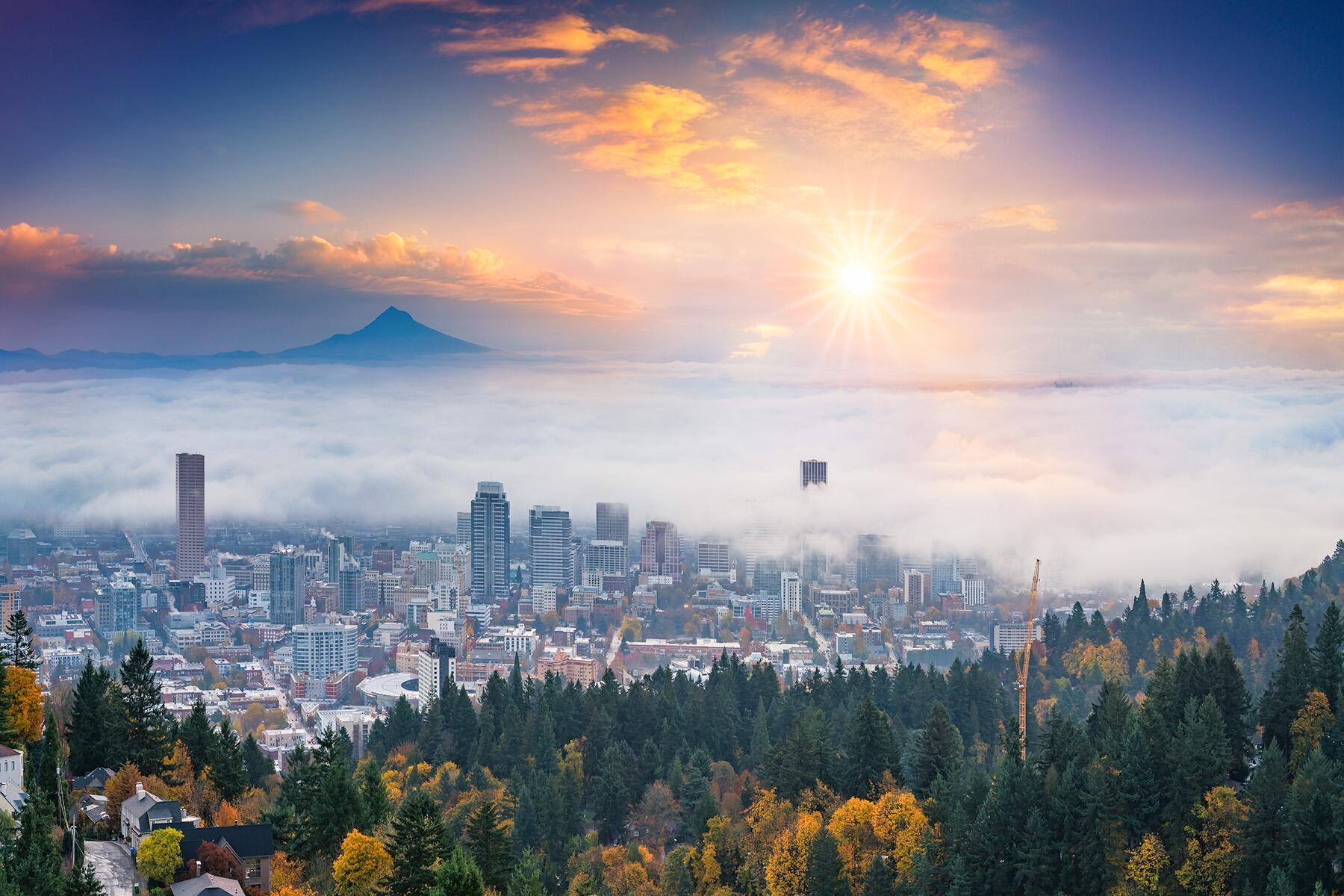
The Timeless Allure of Portland, Oregon
Ultimately, while knowing “What time is it in Portland, Oregon?” provides a foundational answer, it opens the door to a much richer exploration of this dynamic city. Portland, Oregon’s location in the Pacific Time Zone, combined with its observance of Daylight Saving Time, shapes the experiences of every visitor. From the initial considerations of managing jet lag and coordinating flights, to planning a seamless itinerary that maximizes daylight hours for landmark exploration and evening enjoyment of its renowned culinary scene, time is an invisible yet powerful force guiding your journey.
Whether you’re visiting for leisure, business, or a family vacation, understanding Portland, Oregon’s temporal landscape empowers you to make informed decisions about your travel, accommodation, and daily activities. It enables you to synchronize with the local rhythm, appreciate the subtle shifts of the seasons, and fully immerse yourself in the unique lifestyle that defines this Oregon metropolis. So, as you prepare to explore Portland, Oregon, remember that a thoughtful approach to time will not only ensure logistical smoothness but will also deepen your connection to a city where every moment offers an opportunity for discovery and delight.
LifeOutOfTheBox is a participant in the Amazon Services LLC Associates Program, an affiliate advertising program designed to provide a means for sites to earn advertising fees by advertising and linking to Amazon.com. Amazon, the Amazon logo, AmazonSupply, and the AmazonSupply logo are trademarks of Amazon.com, Inc. or its affiliates. As an Amazon Associate we earn affiliate commissions from qualifying purchases.