
Nestled in the picturesque Pacific Northwest region of the United States, Oregon stands as a beacon for travelers seeking an unparalleled blend of natural beauty, vibrant culture, and diverse experiences. Far more than just a dot on the map, this captivating state offers a tapestry of landscapes ranging from rugged coastlines and snow-capped peaks to verdant valleys and arid high deserts, making it an endlessly fascinating destination for every type of explorer. Understanding Oregon’s precise location is the first step in unlocking the myriad adventures that await, setting the stage for unforgettable journeys through its cities, towns, and breathtaking wilderness areas.
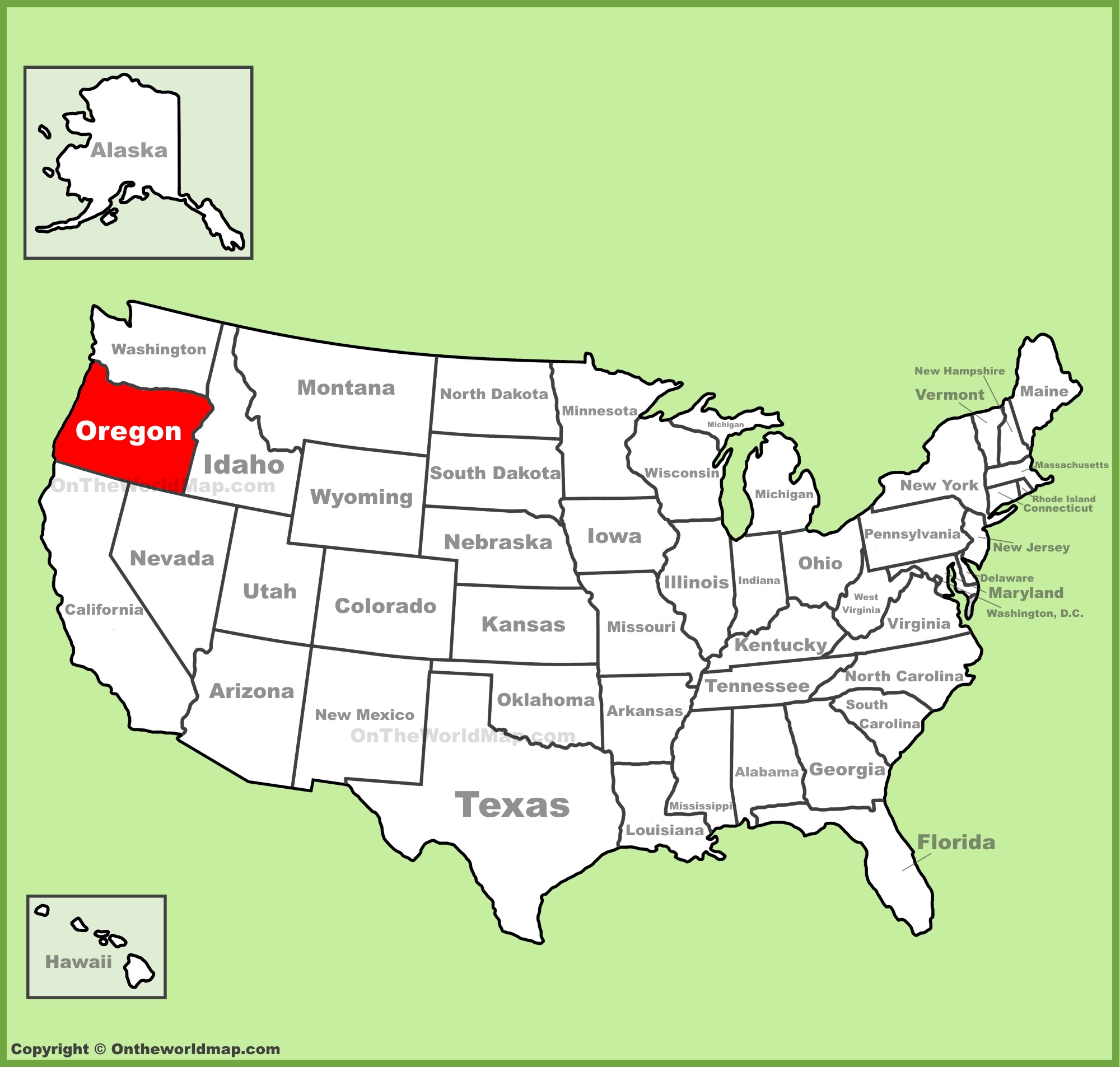
This comprehensive guide will not only pinpoint Oregon’s geographical coordinates but also delve into what makes its location so unique and appealing. From its strategic position bordering the Pacific Ocean to the distinctive regions within its borders, we’ll explore how geography shapes everything from local culture and culinary delights to the diverse range of accommodations and travel experiences available. Whether you’re planning a luxurious escape, an adventurous family trip, or a budget-friendly solo exploration, Oregon’s location is the key to discovering the perfect itinerary.
Pinpointing Oregon on the Map: A Geographic Overview
Oregon’s location in the western part of North America gives it a unique geographical identity, influencing its climate, ecosystems, and the lifestyles of its residents. It’s a state defined by dramatic contrasts, making it a compelling study in geographical diversity. Its borders, both natural and man-made, carve out a territory rich in resources and scenic beauty, attracting millions of visitors annually.
Northwestern Charm: Borders and Regions
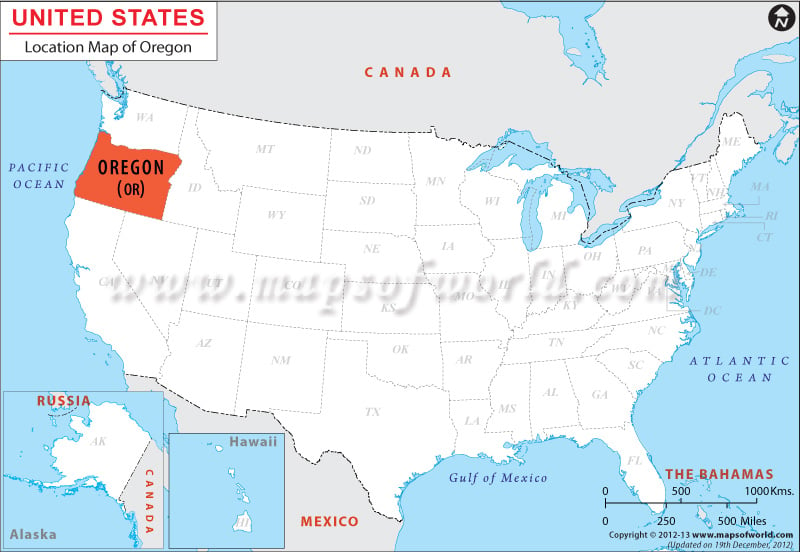
Oregon is bordered by four other U.S. states and a vast ocean, each influencing its character. To the north, the mighty Columbia River forms a significant portion of its border with Washington, a state with which it shares many cultural and environmental similarities. This shared river system has played a pivotal role in the region’s history, commerce, and natural beauty, particularly within the stunning Columbia River Gorge.
To the east, Oregon shares a border with Idaho, extending into the high desert plains that characterize much of Eastern Oregon. This eastern frontier is a realm of vast open spaces, dramatic geological formations, and a stark, beautiful arid climate. The southern border touches Nevada and California, transitioning from high desert to forested mountain ranges, especially as one moves towards the California coast. Finally, to the west, Oregon boasts over 360 miles of pristine coastline along the Pacific Ocean, a defining feature that shapes its weather patterns, ecology, and recreational opportunities.
Within these borders, Oregon is broadly categorized into several distinct geographical regions:
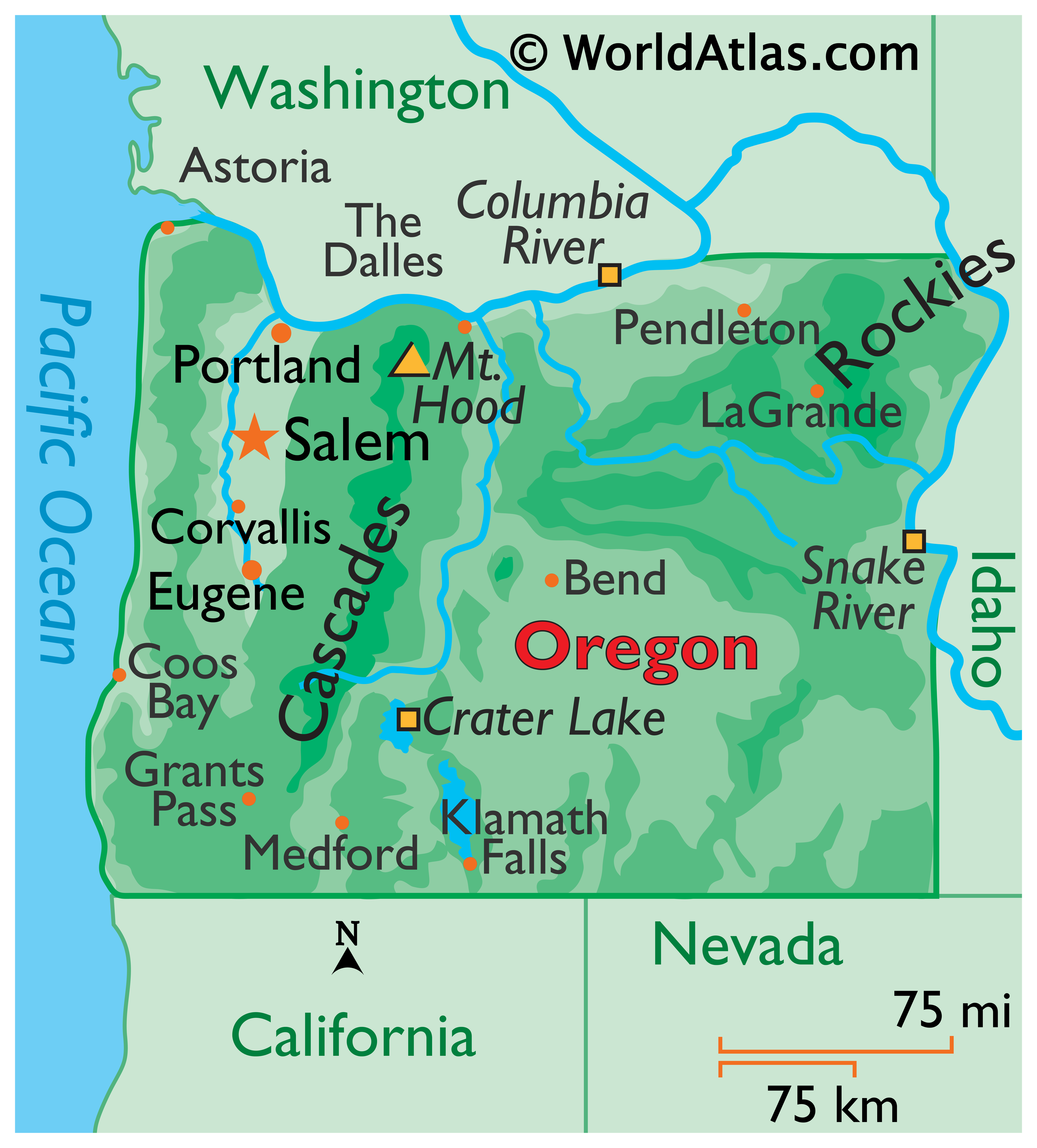
- The Oregon Coast: A rugged and dramatic stretch featuring iconic sea stacks, expansive beaches, charming coastal towns like Cannon Beach and Astoria, and abundant wildlife.
- The Coast Range: A series of low mountain ranges separating the coast from the Willamette Valley, characterized by dense forests and a temperate rainforest climate.
- The Willamette Valley: The heart of Oregon’s agricultural industry and population, home to major cities like Portland, Salem, and Eugene. This fertile valley, fed by the Willamette River, is also renowned as Oregon Wine Country.
- The Cascade Range (Cascade Mountains): A majestic mountain range running north to south, featuring towering volcanoes like Mount Hood and providing spectacular scenery, skiing, and hiking opportunities. This range acts as a significant climate divider.
- Central Oregon and the High Desert: East of the Cascades, the landscape transforms into a drier, sunnier region with ponderosa pine forests, volcanic plateaus, and genuine high desert terrain. Bend is its largest city, a hub for outdoor recreation.
- Eastern Oregon: An expansive area characterized by vast rangelands, cattle ranches, dramatic geological features like the John Day Fossil Beds National Monument, and a rich history of pioneering spirit.
- Southern Oregon: Known for its unique combination of wine regions like the Rogue Valley, the dramatic beauty of Crater Lake National Park, and cultural hubs such as Ashland.
Key Cities and Their Significance
Oregon’s major cities serve as cultural, economic, and recreational anchors, each offering a distinct flavor of the state’s diverse appeal.
- Portland: The state’s largest city, located in the northern Willamette Valley, is a vibrant hub known for its progressive culture, thriving food scene (especially food trucks and craft breweries), extensive bike paths, and beautiful urban parks. It’s a gateway to both the Oregon Coast and the Columbia River Gorge.
- Salem: The state capital, situated further south in the Willamette Valley, offers a more relaxed pace with historical architecture, beautiful gardens, and a central location for exploring the surrounding wine country.
- Eugene: Located at the southern end of the Willamette Valley, Eugene is a university town (home to the University of Oregon) renowned for its arts scene, outdoor recreation, and a strong emphasis on sustainability and sports, particularly track and field.
- Bend: Positioned in Central Oregon on the eastern side of the Cascade Mountains, Bend is an outdoor enthusiast’s paradise. It’s a popular base for skiing on Mount Bachelor, hiking, mountain biking, and exploring the High Desert landscape, including the High Desert Museum.
- Ashland: In Southern Oregon, Ashland is a cultural gem, famous for the Oregon Shakespeare Festival. Its charming downtown, excellent restaurants, and proximity to vineyards make it a unique destination.
Unveiling Oregon’s Diverse Landscapes and Landmarks
The geographic location of Oregon blesses it with an extraordinary array of natural wonders and man-made landmarks. These attractions are not just points of interest; they are integral to the state’s identity and provide endless opportunities for travel, tourism, and unforgettable experiences.
Coastal Wonders and Aquatic Adventures
The Oregon Coast is a spectacular fusion of raw natural beauty and charming seaside communities. Its roughly 360 miles of public beaches are a national treasure, offering diverse experiences from dramatic cliff faces to expansive sandy shores.
- Cannon Beach is perhaps the most iconic coastal town, famous for the colossal Haystack Rock, a basalt sea stack rising 235 feet from the sand. This area is perfect for tide pooling, beachcombing, and watching dramatic sunsets.
- Astoria, at the mouth of the Columbia River, is the oldest American settlement west of the Rocky Mountains. It’s rich in maritime history, with attractions like the Astoria Column offering panoramic views.
- Newport serves as a central hub for marine science and recreation, home to the Oregon Coast Aquarium and a bustling historic bayfront where visitors can observe sea lions in their natural habitat.
Beyond sightseeing, the coast is an aquatic adventure playground. Whale watching is a popular activity, especially during migration seasons (winter and spring), with pods of grey whales passing close to shore. Surfing, kayaking, crabbing, and deep-sea fishing are also prominent, offering unique ways to connect with the Pacific Ocean’s power and beauty. The Tillamook Creamery, though not directly on the beach, is a popular detour for those exploring the northern coast, offering delicious ice cream and cheese.
Majestic Mountains and Verdant Valleys
Moving inland, Oregon’s mountainous regions and fertile valleys present a completely different, yet equally stunning, natural canvas.
- Mount Hood, the state’s highest peak at 11,249 feet, dominates the skyline east of Portland. This active volcano is a year-round destination for skiing and snowboarding (Timberline Lodge offers North America’s only year-round ski season), hiking, and scenic drives. The town of Hood River in the Columbia River Gorge is a mecca for windsurfing and kitesurfing, leveraging the unique wind tunnel effect of the gorge.
- Crater Lake National Park, located in the Cascade Mountains of Southern Oregon, is an absolute must-see. Formed in the caldera of a collapsed volcano, its pristine, deep-blue waters are the deepest in the USA. Visitors can drive the scenic Rim Drive, hike numerous trails, or take a boat tour to Wizard Island.
- The Columbia River Gorge, carved by the Columbia River through the Cascade Mountains, is a designated National Scenic Area. It’s famed for its dramatic waterfalls, including the iconic Multnomah Falls, which cascades 620 feet in two drops. The gorge offers world-class hiking, biking, and photography opportunities, showcasing lush temperate rainforests and stunning vistas.
- The Willamette Valley, stretching approximately 150 miles from Portland south to Eugene, is renowned as the heart of Oregon Wine Country. Its mild climate and fertile soils are ideal for cultivating Pinot Noir grapes, and hundreds of wineries offer tasting rooms and tours, providing a delightful experience for culinary and oenology enthusiasts.
Planning Your Oregon Experience: Travel, Accommodation, and Lifestyle
Oregon’s diverse geography and vibrant culture lend themselves to an incredible array of travel styles and experiences. From luxury retreats to rugged outdoor adventures, the state’s location facilitates a journey tailored to every preference.
Crafting Your Oregon Itinerary: Travel & Tourism Insights
Exploring Oregon means embracing its variety. A well-planned itinerary can encompass everything from urban exploration to wilderness adventures, making the most of the state’s accessible regions.
- Destinations & Attractions: For urban culture and food, Portland is unbeatable, with its famous food truck pods, craft breweries, and unique boutiques. Nature lovers will flock to the Oregon Coast for its dramatic scenery or to the Cascade Mountains for hiking and winter sports. Wine connoisseurs will find nirvana in Oregon Wine Country, particularly the Willamette Valley, while thrill-seekers can head to Central Oregon for mountain biking, rock climbing, and rafting. Don’t forget the historical significance of places like Astoria or the cultural richness of Ashland.
- Experiences: Oregon offers unique experiences like mushroom foraging in the Coast Range, exploring volcanic lava tubes near Bend, or stargazing in the pristine dark skies of Eastern Oregon. Culinary tours focusing on farm-to-table cuisine and craft beverages are popular, as are art gallery walks in cities like Portland and Ashland.
- Tips for Travelers: The best time to visit often depends on your desired activities. Summer (June-September) is ideal for hiking, camping, and coastal activities, though expect crowds. Spring and fall offer milder weather, fewer tourists, and vibrant natural beauty (wildflowers in spring, colorful foliage in fall). Winter is perfect for snow sports in the Cascades. Public transportation is robust in Portland, but a car is essential for exploring the wider state. Always check weather forecasts, especially when venturing into mountainous or coastal areas, as conditions can change rapidly.
Where to Stay: Hotels, Resorts, and Unique Accommodations
Accommodation options in Oregon are as diverse as its landscapes, catering to every budget and travel style. Whether you seek opulent luxury or a cozy, rustic escape, the perfect lodging awaits.
- Luxury & Resorts: In Portland, establishments like The Nines, a Luxury Collection Hotel, offer sophisticated amenities, exquisite dining, and prime downtown locations. Along the coast, properties such as Salishan Coastal Lodge provide upscale experiences with stunning ocean views, spa services, and golf courses. In Central Oregon, Sunriver Resort is a popular choice for families and groups, boasting extensive recreational facilities including multiple golf courses, swimming pools, and access to outdoor activities.
- Boutique Hotels & Unique Stays: Many Oregon towns, particularly in the Willamette Valley wine regions and historical areas, are home to charming boutique hotels and bed & breakfasts. These often emphasize local character, gourmet breakfasts, and personalized service. For those seeking something truly different, glamping sites and yurts are available in state parks and private campgrounds, offering a blend of nature immersion and comfort.
- Budget-Friendly Options: Throughout the state, travelers can find numerous budget-friendly motels, hostels in larger cities, and campgrounds in nearly every state park and national forest. Vacation rentals (apartments, cabins, and villas available through various platforms) also offer excellent value, especially for longer stays or family trips, providing amenities like kitchens and multiple bedrooms.
- Booking and Reviews: It’s always advisable to book accommodations in advance, especially during peak seasons or for popular events. Utilizing booking platforms that include guest reviews can help ensure a quality stay, providing insights into amenities, service, and location.
Embracing the Oregon Lifestyle: From Luxury to Adventure
The Oregon lifestyle is deeply rooted in appreciation for nature, local craftsmanship, and a vibrant community spirit. This translates into unique experiences for visitors.
- Eco-Tourism and Sustainability: Oregon is a leader in environmental stewardship. Many businesses, from hotels to tour operators, prioritize sustainable practices. Travelers can engage in eco-conscious activities like guided nature walks, wildlife viewing in protected areas, and supporting local, organic farms.
- Culinary Excellence: The state’s farm-to-table movement is robust, fueled by the fertile Willamette Valley and access to fresh Pacific seafood. Portland is a national culinary hotspot, but delicious experiences extend to breweries in Bend, wineries in Oregon Wine Country, and fresh seafood shacks on the Oregon Coast.
- Active and Adventurous Lifestyles: Whether it’s backpacking in the Cascade Mountains, surfing off the Oregon Coast, or whitewater rafting on the Rogue River (near Grants Pass), Oregon provides ample opportunities for adventure. Resorts and guides often cater to these activities, offering equipment rentals and lessons.
- Family-Friendly Trips: Oregon’s diverse attractions make it ideal for family vacations. Kids will love the Oregon Zoo in Portland, exploring tide pools on the coast, or engaging in hands-on exhibits at the High Desert Museum near Bend.
- Business Stays: Major cities like Portland, Salem, and Eugene are well-equipped for business travelers, offering convention centers, corporate hotels, and easy access to transportation. The state’s natural beauty also provides unique options for corporate retreats and team-building activities.
In essence, Oregon’s strategic location is not merely a geographic fact; it is the foundation upon which its entire appeal rests. It dictates the rich biodiversity, the distinct regional cultures, and the incredible array of experiences that travelers can enjoy. From the misty grandeur of its coast to the sun-drenched expanses of its high desert, and the vibrant life of its cities, Oregon invites discovery at every turn.
By understanding where Oregon is located and the varied landscapes it encompasses, visitors can better plan their journey to fully immerse themselves in the “Beaver State’s” unique charm. It’s a destination that promises to surprise, inspire, and create lasting memories for all who venture to its remarkable corners.
LifeOutOfTheBox is a participant in the Amazon Services LLC Associates Program, an affiliate advertising program designed to provide a means for sites to earn advertising fees by advertising and linking to Amazon.com. Amazon, the Amazon logo, AmazonSupply, and the AmazonSupply logo are trademarks of Amazon.com, Inc. or its affiliates. As an Amazon Associate we earn affiliate commissions from qualifying purchases.