
The question “Does America own Puerto Rico?” often sparks curiosity and debate, particularly among travelers and those interested in global affairs. For many, the answer might seem straightforward, but the reality of Puerto Rico’s relationship with the United States is nuanced and deeply rooted in history, presenting a unique case study in political status. From a traveler’s perspective, understanding this relationship enriches the experience, shedding light on the island’s vibrant culture, diverse landscapes, and the warm spirit of its people. As a fascinating Caribbean destination, Puerto Rico offers an unparalleled blend of familiar convenience and exotic allure, shaped by its distinctive status as a U.S. territory.
A Unique Relationship: Unpacking Puerto Rico’s Status
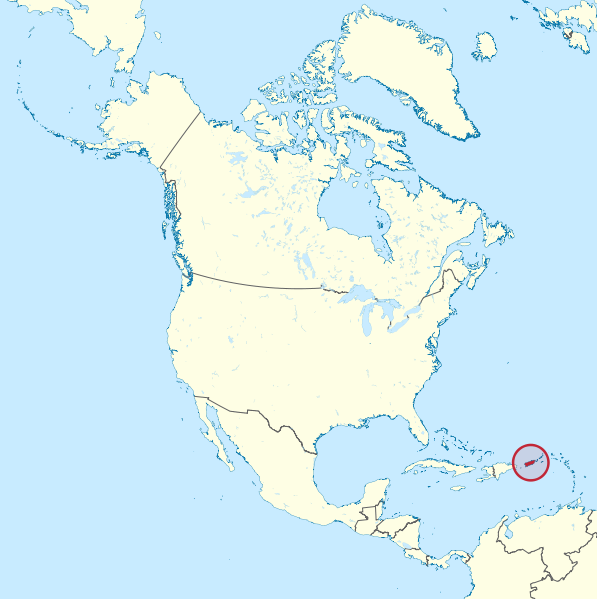
To truly appreciate Puerto Rico, one must first grasp its complex political identity. It is neither an independent nation nor a state within the United States, but rather an unincorporated territory. This status means it is subject to the sovereignty of the U.S. federal government but is not an integral part of the United States in the same way a state is. This unique arrangement profoundly influences everything from its governance to its economy and, crucially for travelers, its accessibility and cultural fabric.
Historical Ties: From Spanish Colony to U.S. Territory
Puerto Rico’s journey to its current status began centuries ago. Originally inhabited by the Taíno people, it was colonized by Spain in the 15th century, remaining under Spanish rule for over 400 years. The island’s strategic location in the Caribbean Sea made it a prized possession, leading to a rich fusion of indigenous, Spanish, and later, African influences that form the bedrock of its culture today.
The pivotal shift occurred in 1898, at the conclusion of the Spanish-American War. As a result of the Treaty of Paris, Spain ceded Puerto Rico to the United States. This marked the beginning of a new chapter, transitioning the island from a Spanish colony to a U.S. territory. Over the subsequent decades, the relationship evolved, with significant milestones shaping its present-day status.
Citizenship and Autonomy: What It Means for Residents
One of the most defining aspects of Puerto Rico’s relationship with the U.S. is the citizenship granted to its residents. In 1917, the Jones-Shafroth Act conferred U.S. citizenship upon Puerto Ricans. This means that individuals born in Puerto Rico are U.S. citizens, can travel freely to and from the mainland United States, and hold U.S. passports. However, unlike citizens residing in the 50 states, Puerto Ricans residing on the island do not have voting representation in the U.S. Congress and cannot vote in presidential elections, despite being subject to most federal laws.
Puerto Rico operates under its own constitution, establishing a republican form of government. It has an elected governor and a bicameral legislative assembly, allowing for significant local autonomy in managing internal affairs. The official languages are Spanish and English, reflecting the dual cultural influences. The currency is the U.S. dollar, and the postal service, federal courts, and defense fall under U.S. jurisdiction. This unique hybrid status, often referred to as a Commonwealth, creates a dynamic environment where distinct Puerto Rican traditions flourish alongside strong ties to the American way of life.
Discovering Puerto Rico: A Traveler’s Paradise
For travelers, Puerto Rico’s status offers an incredible advantage. U.S. citizens can visit without a passport, making it as accessible as a domestic trip, yet it transports visitors to a world brimming with distinct Caribbean charm, vibrant culture, and breathtaking natural beauty. It’s a destination where you can enjoy the conveniences of U.S. infrastructure while immersing yourself in a profoundly rich and unique island experience.
San Juan: A Blend of History and Modernity
The capital city, San Juan, serves as the perfect entry point to the island’s allure. Its jewel, Old San Juan, is a designated UNESCO World Heritage Site that transports visitors back in time. Walking its cobblestone streets, flanked by brightly colored colonial buildings, feels like stepping into a living museum. Here, historic landmarks tell tales of centuries past. The formidable fortresses of El Morro (officially Fuerte San Felipe del Morro) and Castillo San Cristóbal, both part of the San Juan National Historic Site, stand as testaments to the island’s strategic importance and fierce defense.
Beyond its historical core, San Juan is a bustling metropolis. Areas like Condado and Isla Verde boast modern resorts, designer boutiques, and a lively nightlife. From luxury accommodations like the historic Condado Vanderbilt Hotel to the beachfront elegance of the Caribe Hilton or the Marriott Resort & Stellaris Casino, San Juan offers a spectrum of lodging options. The city also pulsates with contemporary arts, music, and a thriving culinary scene, especially around areas like La Placita de Santurce and Calle Loíza. The contrast between the ancient walls of La Fortaleza, the governor’s mansion on Fortaleza Street, and the energetic beat of salsa music in a modern club encapsulates San Juan’s unique charm.
Beyond the Capital: Natural Wonders and Local Charms
While San Juan provides an excellent introduction, Puerto Rico’s true magic unfolds as you venture beyond its urban centers. The island is a tapestry of diverse ecosystems, from lush rainforests to pristine beaches and mystical caves.
One of its crown jewels is El Yunque National Forest, the only tropical rainforest in the U.S. National Forest System. Here, visitors can hike through verdant trails, discover stunning waterfalls, and marvel at the incredible biodiversity. Nearby, the golden sands of Luquillo Beach offer a tranquil retreat, perfect for swimming and sunbathing.
For a truly ethereal experience, a visit to one of Puerto Rico’s renowned Bioluminescent Bays is a must. Especially on the island of Vieques, Mosquito Bay lights up with microscopic organisms, creating an otherworldly glow when disturbed. The nearby island of Culebra is home to Flamenco Beach, consistently ranked among the world’s most beautiful beaches, with its soft white sand and crystal-clear turquoise waters.

Moving south, the city of Ponce, known as the “Pearl of the South,” boasts impressive neoclassical architecture, vibrant plazas, and cultural institutions like the Art Museum of Ponce and the historic Serrallés Castle. The western coast, particularly around Rincon, is a surfing mecca, while the southwest offers breathtaking dry forests in Guánica and the iconic Cabo Rojo Lighthouse with its stunning cliffside views. The Camuy River Cave Park in the northwest allows exploration of one of the world’s largest cave systems, a marvel of natural engineering. These diverse attractions underscore the island’s appeal to all types of travelers, from adventure seekers to those simply looking to relax amidst unparalleled beauty.
Experiencing Puerto Rico: Culture, Cuisine, and Accommodation
The essence of Puerto Rico is not just in its landscapes but also in its vibrant culture, which is both distinctly Caribbean and deeply intertwined with its American connection. This fusion creates a destination that is simultaneously familiar and refreshingly new.
Savoring the Flavors: Puerto Rican Gastronomy
Puerto Rican cuisine is a delicious testament to its history, blending Spanish, African, and Taíno influences with modern twists. Staples like mofongo (fried plantains mashed with garlic and pork cracklings), arroz con gandules (rice with pigeon peas), and lechón asado (spit-roasted pork) are national treasures. Seafood is abundant and fresh, especially in coastal towns like Fajardo or Aguadilla.
Beyond traditional dishes, the island’s culinary scene has evolved to embrace fine dining and innovative fusions. From casual roadside kioskos serving up frituras (fried snacks) in Loíza to upscale restaurants in San Juan helmed by celebrity chefs, there’s an experience for every palate and budget. Don’t forget to sample the island’s world-famous rum; a tour of the Casa Bacardí (Bacardí Rum Distillery) offers insight into its production and history. The island’s coffee culture is also robust, with aromatic, locally grown beans providing a delightful start to any day.
Where to Stay: From Luxury Resorts to Boutique Stays
Puerto Rico’s accommodation landscape caters to every travel style and budget, from opulent luxury resorts to charming guesthouses and long-term stay apartments. In areas like Dorado, you’ll find ultra-luxury properties like the Ritz-Carlton Reserve Dorado Beach and the St. Regis Bahia Beach Resort, offering unparalleled service, private beaches, and world-class golf courses. These resorts cater to those seeking a high-end, pampered experience, often with amenities like private villas, gourmet dining, and spa services.
For a more boutique experience, Old San Juan features historic hotels like Hotel El Convento, a beautifully restored former convent that blends colonial charm with modern comforts. Throughout the island, you can find a range of options, from well-known chains such as the Hyatt Grand Reserve Puerto Rico in Rio Grande or the Courtyard by Marriott Isla Verde Beach Resort to local paradores (country inns) like Parador El Faro in Aguadilla, which offer an authentic taste of Puerto Rican hospitality and often focus on local experiences and sustainable tourism. Whether you’re planning a romantic getaway, a family vacation, or a business trip, the island offers diverse accommodations to suit your needs, often providing booking flexibility and competitive pricing.
Lifestyle in the Caribbean: Why Puerto Rico Beckons
The unique political status of Puerto Rico fundamentally shapes the lifestyle found on the island, creating an environment that appeals to a broad spectrum of visitors and potential residents alike. It’s a place where the vibrant pulse of Latin America meets the familiar rhythms of the United States, all set against the stunning backdrop of the Caribbean Sea and the Atlantic Ocean.
Adventure and Relaxation: Tailoring Your Trip
Puerto Rico truly caters to every lifestyle preference. For adventure enthusiasts, there’s endless exploration: zip-lining through the canopy of El Yunque, surfing the legendary breaks of Rincon, snorkeling in the crystal-clear waters off Cayo Icacos near Fajardo, or even exploring the geological wonders of La Cueva del Indio and the Arecibo Observatory. The convenience of having a U.S. territory with such diverse natural attractions means easy access to exhilarating experiences without the complexities of international travel.
For those seeking relaxation, the island offers countless pristine beaches, luxurious spas, and serene retreats. Imagine unwinding on Condado Beach with a tropical drink, enjoying a wellness retreat in the tranquil mountains of Coamo, or simply soaking in the sun at a resort like El Conquistador Resort with its private island, Palomino Island. Families will find an abundance of child-friendly activities, from exploring the interactive exhibits at the Museo de Arte de Puerto Rico to kayaking through the bioluminescent waters. Budget travelers can enjoy local food trucks, explore free historic sites, and find affordable guesthouses, while luxury travelers can indulge in high-end shopping at Mall of San Juan or Plaza Las Américas and stay at world-class resorts.
Economic Influence and Tourism’s Role
The U.S. connection also significantly impacts Puerto Rico’s economy, particularly its tourism sector. The ease of travel for U.S. citizens, the use of the U.S. dollar, and the presence of familiar U.S. brands alongside local businesses, create a welcoming environment for visitors. Tourism is a vital pillar of the island’s economy, supporting numerous jobs and fostering local entrepreneurship. This economic integration, while offering benefits, also presents challenges, as the island navigates its fiscal relationship with the federal government. Events like Hurricane Maria in 2017 underscored both the vulnerabilities and the incredible resilience of the Puerto Rican people, often supported by federal aid and the unwavering spirit of volunteers and relief efforts. The recovery efforts have revitalized many tourist areas, making the island more welcoming than ever.
Navigating the Future: Puerto Rico’s Evolving Identity
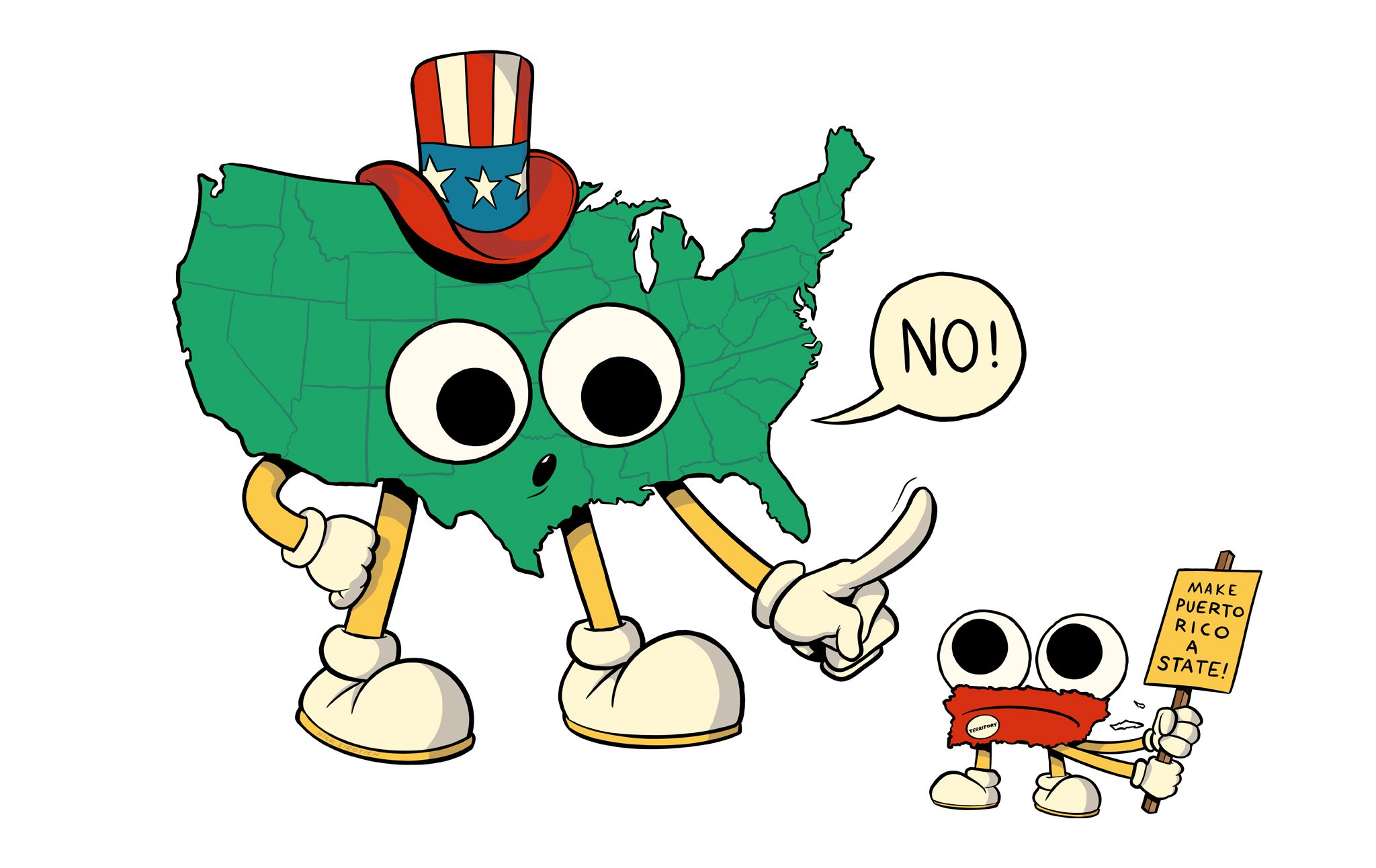
The question of Puerto Rico’s ultimate political status — statehood, independence, or an enhanced Commonwealth — remains a central and ongoing debate among its residents and in U.S. political circles. Plebiscites have been held over the years, reflecting the deep divisions and varying aspirations within the population. Each option carries profound implications for the island’s future, its economy, and its relationship with the mainland United States.
Regardless of its eventual political destiny, Puerto Rico continues to thrive as a vibrant cultural entity. Its people, often referred to as jíbaros (a term for rural Puerto Ricans symbolizing a strong connection to the land and traditional values), maintain a fierce pride in their heritage, language, and traditions. This enduring spirit, combined with its unique blend of American convenience and Caribbean soul, ensures that Puerto Rico will remain a compelling destination for travelers seeking both adventure and cultural immersion.
In conclusion, while “owning” isn’t the precise legal term, Puerto Rico is indeed a territory of the United States. This complex political relationship has forged a truly distinct identity for the island, making it an extraordinary place to visit, live, and explore. It offers the best of both worlds: the familiar ease of U.S. travel combined with an intoxicatingly rich, independent culture that enchants every visitor. From the historic streets of Old San Juan to the rainforests of El Yunque and the serene beaches of Vieques and Culebra, Puerto Rico invites you to discover its beauty, history, and the vibrant spirit of its people.
LifeOutOfTheBox is a participant in the Amazon Services LLC Associates Program, an affiliate advertising program designed to provide a means for sites to earn advertising fees by advertising and linking to Amazon.com. Amazon, the Amazon logo, AmazonSupply, and the AmazonSupply logo are trademarks of Amazon.com, Inc. or its affiliates. As an Amazon Associate we earn affiliate commissions from qualifying purchases.