
Puerto Rico, often hailed as the “Island of Enchantment,” beckons travelers with its vibrant culture, stunning natural landscapes, and historical richness. From the cobblestone streets of Old San Juan to the lush rainforests of El Yunque National Forest and the breathtaking bioluminescent bays of Vieques and Fajardo, this Caribbean gem promises an unforgettable experience. Yet, like many popular travel destinations grappling with the pressures of modern consumption and infrastructural demands, Puerto Rico faces a significant challenge that sometimes casts a shadow over its undeniable allure: a pervasive issue with waste management and accumulation.

For those planning a trip, booking accommodation, or simply curious about the real lifestyle on the island, understanding this facet is crucial. While it doesn’t diminish the incredible beauty or the warmth of its people, acknowledging and addressing the trash problem is vital for both sustainable tourism and the long-term well-being of the island. This article delves into the visible impact of the waste problem, its underlying causes, and the collective efforts being made to foster a more sustainable future, offering insights for responsible travelers who wish to contribute positively to their chosen destination.
The Visible Impact: A Stain on Paradise?
The romanticized image of Puerto Rico is one of pristine beaches, verdant mountains, and bustling, colorful towns. For the most part, this image holds true. Many prime tourist areas, especially those managed by reputable hotels and resorts, maintain high standards of cleanliness to ensure an optimal visitor experience. However, venture slightly off the beaten path, or observe local communities and certain public spaces, and the waste challenge becomes more apparent.
Beaches and Natural Wonders Under Threat
One of the most concerning aspects of the trash problem is its impact on Puerto Rico’s celebrated natural landmarks. Beaches, which are primary attractions for many visitors seeking relaxation or water sports, often bear the brunt of mismanaged waste. While iconic spots like Flamenco Beach on Culebra are meticulously maintained, lesser-known but equally beautiful coves and stretches of coastline can be marred by plastic bottles, fishing debris, and general litter. This not only detracts from the aesthetic appeal but also poses a severe threat to marine life and delicate ecosystems, impacting activities such as snorkeling, diving, and simply enjoying the scenic views.
The island’s unique natural reserves, including its precious bioluminescent bays like Mosquito Bay in Vieques and Laguna Grande in Fajardo, are also vulnerable. Pollution can directly affect the microorganisms responsible for the breathtaking glow, jeopardizing one of Puerto Rico’s’s most magical attractions and an essential component of its adventure travel offerings. The health of these natural wonders is intrinsically linked to the long-term viability of tourism and the local economy they support.
Urban Landscapes and Infrastructure Strain
Beyond the natural environment, the issue is visible in urban and suburban areas. While major cities like San Juan boast beautifully preserved historic districts, illegal dumpsites can be found on roadsides and in undeveloped lots, particularly outside the main tourist corridors. Overfilled public trash bins, especially during peak seasons or after large events, are not uncommon. This affects the overall visual appeal of certain areas, influencing visitor perception and potentially impacting decisions regarding accommodation choices or local food experiences in less maintained neighborhoods.
For residents, the waste problem directly impacts their lifestyle and public health. Accumulated trash can attract pests, contribute to air and water pollution, and exacerbate flooding during heavy rains, particularly in areas with inadequate drainage systems. The challenge is complex, interwoven with economic conditions, public awareness, and the capacity of local governments to manage waste effectively across the entire island, from bustling urban centers to remote rural communities.
Unpacking the Roots of the Issue
The waste management challenges in Puerto Rico are not born from a single cause but rather a confluence of historical, economic, environmental, and cultural factors. Understanding these roots is key to appreciating the complexity of the situation and the difficulty in implementing swift, comprehensive solutions.
From Natural Disasters to Daily Consumption
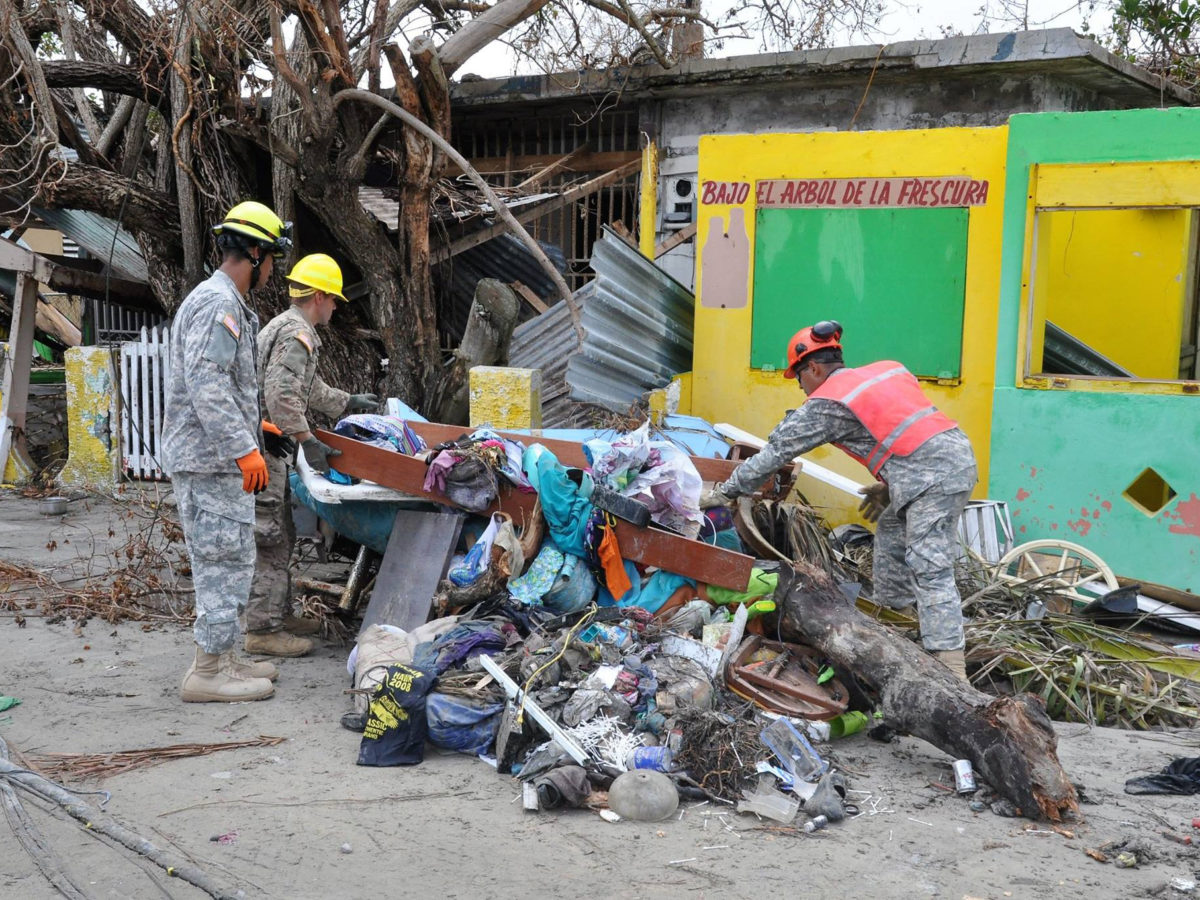
One cannot discuss Puerto Rico’s recent history without acknowledging the devastating impact of major hurricanes, particularly Hurricane Maria in 2017. The storm left behind an unimaginable amount of debris – destroyed homes, vehicles, vegetation, and infrastructure. The sheer volume overwhelmed existing waste management facilities, leading to temporary dumps and a long-term backlog in cleanup and processing. While significant progress has been made, the effects of such catastrophic events linger, straining resources and diverting attention from proactive waste reduction strategies.
Beyond disaster-related debris, the everyday consumption habits of residents and visitors contribute significantly to the waste stream. Like many societies, Puerto Rico relies heavily on single-use plastics, packaging, and non-biodegradable materials. A lack of widespread and consistent recycling programs, coupled with limited public education on waste segregation, means that a large proportion of waste ends up in landfills. These landfills, many of which are already nearing capacity or operating beyond their environmental permits, represent a critical bottleneck in the island’s waste management system.
Infrastructure Challenges and Policy Gaps
Puerto Rico’s waste management infrastructure has historically been underdeveloped and underfunded. Collection services can be inconsistent in some areas, particularly rural ones, leading residents to resort to illegal dumping. The island has faced challenges in developing modern waste-to-energy facilities or expanding advanced recycling operations. The reliance on traditional landfills is unsustainable given the island’s limited land area and the environmental risks associated with these sites.
Policy and regulatory frameworks have also struggled to keep pace with the growing waste problem. While there are environmental protection laws, enforcement can be inconsistent, and a comprehensive, island-wide strategy for waste reduction, recycling, and sustainable disposal has been difficult to implement and sustain across successive administrations. Economic constraints further complicate matters, as funding for new infrastructure, public education campaigns, and enforcement initiatives often competes with other pressing needs in a territory facing significant fiscal challenges.
The Role of Tourism in Waste Generation
While tourism is a vital economic engine for Puerto Rico, it also contributes to the waste generation problem. An increase in visitors means more consumption of goods, more restaurant waste, more hotel amenities used, and subsequently, more trash. A single traveler, especially one staying at a large resort like the Caribe Hilton or the El Conquistador Resort, might generate a significant amount of waste through packaged toiletries, plastic water bottles, and takeaway containers.

The challenge for the tourism sector is to balance economic growth with environmental responsibility. Many resorts and tour operators are becoming increasingly aware of their ecological footprint and are implementing measures to reduce waste, conserve water, and support local sustainability efforts. However, a broader adoption of eco-friendly practices across all levels of the industry, from small guest houses to major luxury travel establishments like the Dorado Beach Ritz-Carlton Reserve or the St. Regis Bahia Beach Resort, is essential for mitigating the impact of visitor influx.
Collaborative Solutions: A Path Towards Sustainability
Despite the daunting nature of the waste problem, Puerto Rico is not without hope or effort. A growing movement of individuals, local communities, non-profit organizations, and increasingly, government entities, are working tirelessly to implement solutions and foster a culture of sustainability. These efforts are crucial for preserving the island’s natural beauty and ensuring a vibrant future for both residents and visitors.
Local Initiatives and Community Empowerment
Grassroots efforts are at the heart of many positive changes. Local community groups regularly organize beach cleanups, targeting areas prone to litter accumulation. Organizations like Para La Naturaleza and local chapters of the Surfrider Foundation mobilize volunteers to remove tons of trash from coastlines, rivers, and natural reserves. These cleanups not only remove waste but also raise public awareness about the issue and foster a sense of collective responsibility.
Beyond cleanups, many communities are developing their own recycling programs, often working with private sector partners to transport and process materials that the municipal systems cannot handle. Farmers markets and local businesses in towns like Rincón and Aguadilla are promoting reusable bags, bulk goods, and locally sourced products to reduce packaging waste. These localized efforts, though sometimes small in scale, demonstrate a powerful commitment to environmental stewardship and inspire broader change.
Government and NGO Efforts
At a higher level, governmental agencies and larger non-governmental organizations (NGOs) are working on more systemic solutions. There’s a push to modernize waste management infrastructure, explore alternative disposal methods like waste-to-energy technologies (though these also come with their own debates and environmental considerations), and expand official recycling programs across municipalities like Ponce and Mayagüez. Educational campaigns are also being launched to inform the public about the importance of waste reduction, reuse, and recycling.
Collaboration with international partners and access to funding for sustainable development projects are also playing a role. The goal is to move away from a linear “take-make-dispose” economy towards a more circular one, where waste is minimized, and resources are continually reused. This involves not only managing existing waste but also preventing its creation in the first place, aligning with global trends in environmental protection and sustainable development.
The Imperative for Sustainable Tourism
For the tourism sector, the path forward involves a strong commitment to sustainability. Many tour operators are now emphasizing eco-tours and responsible travel practices, educating visitors on how to minimize their environmental footprint. Hotels and resorts are increasingly adopting green initiatives, from reducing plastic use and implementing energy-efficient systems to sourcing local produce and supporting community conservation projects. When booking accommodation, travelers can actively seek out establishments that highlight their commitment to sustainability.
This shift towards sustainable tourism is not just about mitigating damage; it’s about enhancing the visitor experience by offering more authentic, environmentally conscious experiences. It allows travelers to connect more deeply with the local culture and natural environment, knowing their visit contributes positively to the island’s future. By integrating sustainable practices into their business models, travel and lifestyle brands can ensure that Puerto Rico remains an attractive and viable destination for generations to come.
Traveling Responsibly: Your Role in the Solution
As a traveler, your choices and actions can have a tangible impact on the destinations you visit. When exploring the vibrant culture and breathtaking natural beauty of Puerto Rico, being a responsible tourist means contributing to the solution, not the problem. Embracing mindful practices is not only good for the environment but also enhances your own travel experience by fostering a deeper connection with the local community and its efforts.
Mindful Practices for Visitors
Here are several ways you can minimize your environmental footprint and support Puerto Rico’s journey toward sustainability:
- Reduce Plastic Use: This is perhaps the most impactful step. Carry a reusable water bottle and refill it whenever possible. Many hotels, cafes, and even some attractions offer refill stations. Decline single-use plastic bags, straws, and cutlery. When ordering takeaway food, ask if you can use your own containers or if they offer eco-friendly packaging.
- Dispose of Waste Properly: Always use designated trash bins. If you can’t find one, hold onto your trash until you do. Avoid littering at all costs, especially on beaches and in natural areas like El Yunque National Forest or the Camuy River Cave Park. If your accommodation offers recycling, take the time to separate your waste.
- Pack Smart: Opt for reusable items like cloth bags, travel-sized toiletries in refillable containers, and solid shampoo bars to reduce packaging waste. Choose reef-safe sunscreen to protect Puerto Rico’s delicate coral reefs, especially when visiting coastal landmarks or Caja de Muertos Island.
- Respect Local Regulations: Pay attention to signs and guidelines at beaches, parks, and other natural sites regarding waste disposal, trail use, and protected areas. These rules are in place to preserve the environment for everyone.
- Participate in Cleanups (Optional): If you’re staying for an extended period or happen upon an organized cleanup event, consider joining. It’s a rewarding way to give back and meet locals who are passionate about their island.
Supporting Eco-Conscious Businesses
Your spending power is a vote for the kind of tourism you wish to support. Seek out and patronize businesses that demonstrate a commitment to sustainability:
- Choose Green Accommodation: Look for hotels, guesthouses, or resorts that have clear environmental policies, such as water conservation programs, solar energy use, waste reduction efforts, and local sourcing of products. Websites often highlight these amenities and initiatives.
- Opt for Sustainable Tour Operators: Select tour companies that prioritize eco-friendly practices, use low-impact travel methods, and educate participants about local conservation efforts. Many reputable guides for experiences like bioluminescent bay tours or rainforest hikes will emphasize responsible interaction with nature.
- Eat Local and Seasonally: Support local restaurants and markets that source ingredients from Puerto Rican farms. This reduces the carbon footprint associated with transportation and often means fresher, more authentic food experiences. Enjoying local cuisine is a huge part of the cultural lifestyle Puerto Rico offers.
- Buy Locally Made Souvenirs: Support local artisans and craftspeople. This not only keeps money within the local economy but also often means purchasing unique, handmade items that haven’t been mass-produced with excessive packaging or transported long distances.
In conclusion, the question, “Does Puerto Rico have a trash problem?” can be answered with a nuanced “yes,” but it’s a problem being actively confronted. While challenges persist, particularly concerning waste management infrastructure and the legacy of natural disasters, there’s a strong and growing resolve among Puerto Ricans and sustainable tourism advocates to address it. As a destination for incredible travel experiences, Puerto Rico remains an unparalleled choice. By understanding these issues and choosing to be a responsible visitor, you not only ensure a more enjoyable and authentic journey for yourself but also contribute directly to the preservation of this enchanting island’s natural beauty and vibrant lifestyle for future generations. The island’s spirit is resilient, and with collective effort, its environmental challenges can be overcome, allowing its true splendor to shine unblemished.
LifeOutOfTheBox is a participant in the Amazon Services LLC Associates Program, an affiliate advertising program designed to provide a means for sites to earn advertising fees by advertising and linking to Amazon.com. Amazon, the Amazon logo, AmazonSupply, and the AmazonSupply logo are trademarks of Amazon.com, Inc. or its affiliates. As an Amazon Associate we earn affiliate commissions from qualifying purchases.