
Embarking on a journey to the sun-drenched shores and vibrant culture of Puerto Rico is a dream for many travelers, offering a unique blend of [Caribbean](https://lifeoutofthebox.com/caribbean charm and American convenience. However, a common question often arises when planning a trip to this enchanting island territory: “Does Puerto Rico require a passport?” The answer largely depends on your citizenship status, particularly if you are a citizen of the United States.
For U.S. citizens, the good news is that no passport is required for travel to Puerto Rico. As an unincorporated territory of the United States, travel between the mainland U.S. and Puerto Rico is considered domestic travel. This simplifies the planning process immensely, making it as straightforward as booking a flight to another state. This unique status allows U.S. citizens to experience a truly international flavor — with distinct language, cuisine, and cultural traditions — without the need for international travel documentation.

For non-U.S. citizens, the requirements are the same as for entering the mainland United States. A valid passport is necessary, and depending on your country of origin, a visa may also be required. It’s always advisable for non-U.S. citizens to check current entry requirements and visa regulations well in advance of their planned trip to ensure a smooth and hassle-free travel experience.
This article delves into the specifics of travel documentation for Puerto Rico, offering comprehensive guidance for all travelers and highlighting why this captivating island should be on your must-visit list for unforgettable travel experiences. From stunning beaches to lush rainforests and historic cities, Puerto Rico promises an adventure for every kind of explorer.
A Seamless Journey for U.S. Citizens
The ease of travel for U.S. citizens to Puerto Rico is one of its most compelling attributes. It opens up a world of vibrant culture, breathtaking natural beauty, and historical richness that feels distinctly foreign, yet operates under familiar U.S. federal laws and currency. This unique blend contributes to why Puerto Rico is an increasingly popular destination for leisure, family trips, and even business stays, especially for those seeking a tropical escape without the complexities of international border crossings.
Understanding Puerto Rico’s Unique Status
Puerto Rico’s political status as an unincorporated territory of the United States is the cornerstone of its domestic travel designation for U.S. citizens. This means that when you fly from, say, New York to San Juan, it’s akin to flying from New York to California. There are no immigration checks or customs declarations required upon arrival or departure for U.S. citizens. This makes the travel process remarkably similar to any domestic flight within the continental United States.
This status is shared with other U.S. territories such as the U.S. Virgin Islands, Guam, American Samoa, and the Commonwealth of the Northern Mariana Islands. Travelers to these destinations also enjoy the convenience of domestic travel protocols, removing common barriers associated with international journeys like currency exchange concerns (the U.S. dollar is the official currency), language barriers (English is widely spoken alongside Spanish), and complex visa applications. This allows travelers to focus more on planning their itinerary, choosing the perfect accommodation, and immersing themselves in local culture and activities rather than bureaucratic hurdles.
Accepted Forms of Identification
While a passport isn’t necessary for U.S. citizens, you will still need a valid form of identification for air travel, consistent with Transportation Security Administration (TSA) regulations. The most commonly accepted forms of ID include:
- State-issued driver’s license or ID card: Ensure it is REAL ID compliant if traveling after the enforcement date (currently May 7, 2025). This is crucial for seamless air travel within the United States and its territories.
- U.S. military ID: For active-duty personnel and their dependents.
- Permanent resident card: For lawful permanent residents of the United States.
- U.S. birth certificate: Particularly useful for minors or those without a REAL ID compliant driver’s license. When traveling with children, it’s always wise to have their birth certificates on hand, even if not explicitly required by the airline for domestic flights.
- Other government-issued photo identification: This can include various forms of ID issued by federal, state, or local government agencies.
For those traveling by cruise ship, especially on closed-loop cruises (beginning and ending in the same U.S. port), U.S. citizens may not need a passport either, often only requiring a birth certificate and government-issued photo ID. However, the Western Hemisphere Travel Initiative (WHTI) does recommend a passport for cruise travel, as it significantly expedites re-entry into the U.S. should an emergency require disembarkation in a foreign port. For cruises that include stops in other foreign nations like Canada or Mexico, a passport is almost always required. It’s always best to verify the specific documentation requirements with your cruise line well before your departure.
What Non-U.S. Citizens Need to Know
For travelers who are not U.S. citizens or lawful permanent residents, visiting Puerto Rico is treated as international travel to the United States. This means that standard international travel requirements apply, ensuring the security and integrity of U.S. borders.
A valid passport is absolutely essential for all non-U.S. citizens. Your passport must be valid for at least six months beyond your intended period of stay, a common requirement for many international destinations. In addition to a passport, travelers from certain countries may also need a U.S. visa. The type of visa required will depend on the purpose of your visit (e.g., tourism, business, study) and your nationality. It’s crucial to apply for the correct visa well in advance of your travel dates, as the application process can take several weeks or even months.
Many countries are part of the Visa Waiver Program, which allows eligible citizens to travel to the United States for tourism or business for stays of 90 days or less without obtaining a visa. However, even under the Visa Waiver Program, travelers must obtain an approved Electronic System for Travel Authorization (ESTA) prior to their departure. An ESTA application should be completed online at least 72 hours before travel, though it’s wise to do so even earlier.
Regardless of your nationality, it is highly recommended to check the most current entry requirements on the official website of the U.S. Department of State or consult with your country’s embassy or consulate. Staying informed ensures that your trip to Puerto Rico begins and ends without any unexpected delays or complications at immigration.
Beyond the Basics: Planning Your Puerto Rico Adventure
With the passport question settled, the real excitement begins: planning your immersive journey to Puerto Rico. This island gem offers an incredible array of destinations and experiences, catering to every type of traveler, from those seeking serene beach relaxation to adventurous explorations and deep cultural dives. Our travel guides are designed to help you uncover the best of what Puerto Rico has to offer, ensuring an unforgettable trip.
Immersive Destinations and Experiences
Puerto Rico is a tapestry of diverse landscapes and vibrant culture, making it an ideal destination for varied tourism interests.
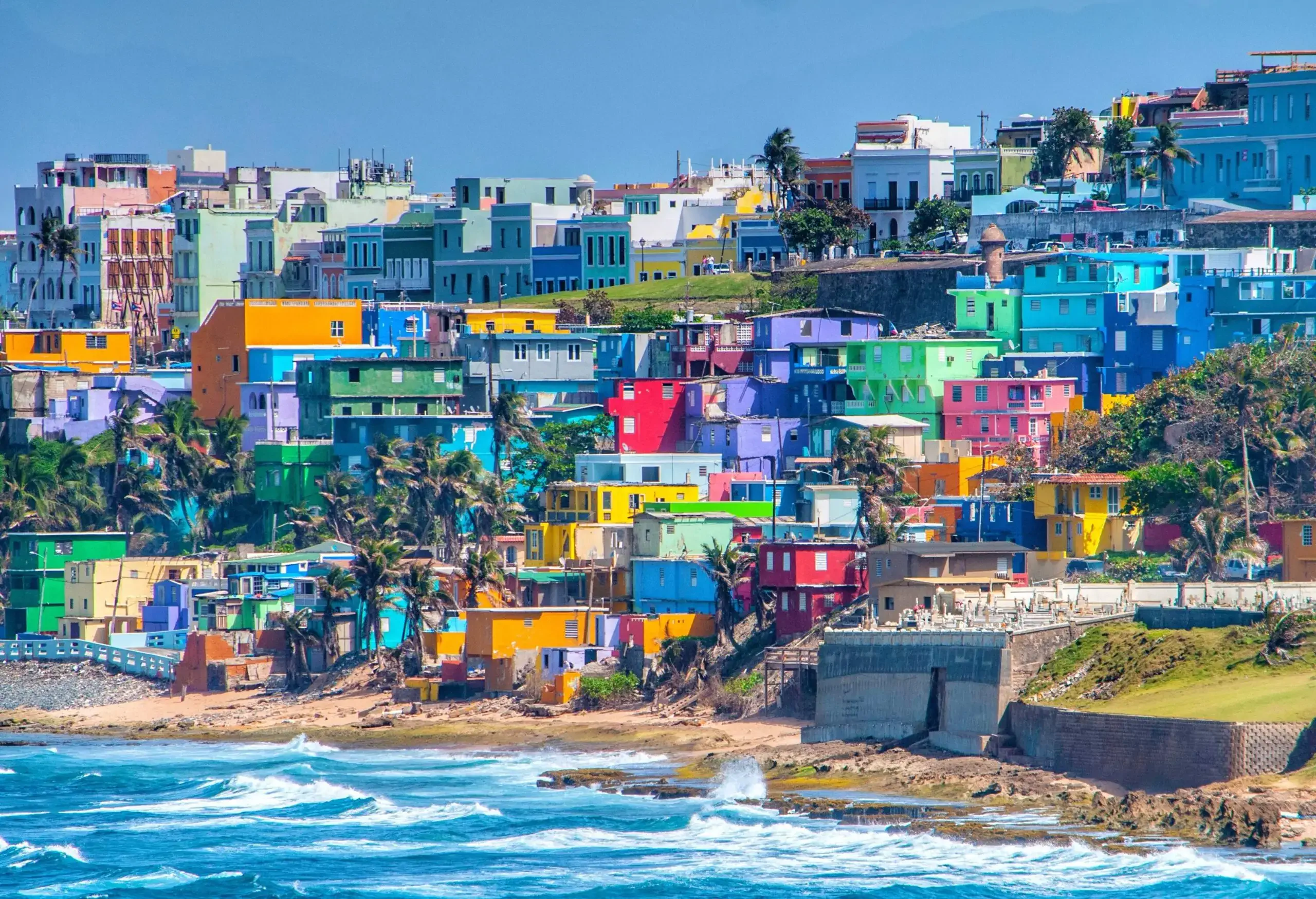
- Old San Juan: A Step Back in Time: This historic district of the capital city, San Juan, is a UNESCO World Heritage site and a must-visit. Wander through cobblestone streets lined with colorful colonial buildings, explore ancient fortresses like El Morro and Castillo San Cristóbal, and discover charming plazas. Old San Juan is a hub for history, architecture, local culture, fantastic food (from street vendors to upscale restaurants), and lively nightlife. It’s a prime example of landmarks that tell a compelling story.
- El Yunque National Forest: A Tropical Rainforest Oasis: Just a short drive from San Juan, El Yunque National Forest is the only tropical rainforest in the U.S. National Forest system. Here, you can hike through lush trails, swim in refreshing waterfalls, and marvel at exotic flora and fauna. It’s an essential attraction for nature lovers and adventurers.
- Bioluminescent Bays: Nature’s Light Show: Puerto Rico is home to three of the world’s few bioluminescent bays, where microorganisms in the water glow when agitated. Kayaking through these glowing waters at night is an ethereal and unforgettable experience. The most famous include Mosquito Bay on Vieques (often considered the brightest in the world), Laguna Grande in Fajardo, and the bay in La Parguera.
- Stunning Beaches and Island Escapes: Puerto Rico boasts some of the most beautiful beaches in the Caribbean. Flamenco Beach on the island of Culebra consistently ranks among the world’s best, renowned for its pristine white sands and turquoise waters. Other popular choices include Luquillo Beach for its calm waters and local kiosks, and the secluded beaches of Vieques. For surfing enthusiasts, Rincón on the west coast offers fantastic waves and a laid-back vibe, perfect for a dynamic lifestyle of sun and surf.
Accommodation and Lifestyle Choices
Whether you’re planning a luxury travel escape, a budget-friendly adventure, a memorable family trip, or an efficient business stay, Puerto Rico offers a diverse range of accommodation options to suit every preference and lifestyle.
- Luxury Resorts and Boutique Hotels: In areas like Dorado and San Juan, you’ll find world-class resorts offering opulent suites, infinity pools, golf courses, and fine dining. These establishments provide exquisite amenities and personalized services for those seeking an indulgent experience. Boutique hotels in Old San Juan provide charming, intimate settings with unique character, perfect for exploring the historic city on foot.
- Apartments and Villas: For longer stays, family trips, or those who prefer self-catering options, renting an apartment or a private villa through platforms like Airbnb or VRBO is an excellent choice. This allows for a more localized experience, offering flexibility and often better value, especially for groups.
- Budget-Friendly Stays: Hostels and guesthouses are available in popular tourist areas, providing affordable and communal lodging options for backpackers and budget-conscious travelers. Many offer basic amenities and a chance to meet fellow explorers, aligning with a more adventurous travel lifestyle.
- Booking and Reviews: It’s always recommended to read reviews and use reputable booking platforms to find the best deals and ensure your chosen accommodation meets your expectations. Consider the proximity to attractions, local transport, and specific amenities like pools or kitchens when making your selection.
Essential Travel Tips for an Enjoyable Stay
To make your trip to Puerto Rico as smooth and enjoyable as possible, keep these practical tips in mind:
- Currency and Language: The official currency is the U.S. dollar, simplifying transactions for U.S. travelers. While Spanish is the primary language, English is widely spoken, especially in tourist areas and major cities. Learning a few basic Spanish phrases, however, will enhance your interaction with locals and show appreciation for their culture.
- Transportation: Renting a car is highly recommended for exploring the island beyond San Juan, offering the freedom to discover hidden gems. Taxis and ride-sharing services are readily available in urban areas. Public transportation is less extensive, so plan accordingly.
- Best Time to Visit: The peak tourist season is from December to May, offering pleasant temperatures and lower humidity. Hurricane season runs from June to November, so travelers during this period should stay updated on weather forecasts and consider travel insurance. However, off-peak travel can offer fewer crowds and potentially better deals on hotels and flights.
- Safety: Puerto Rico is generally safe for tourists, but like any destination, it’s wise to be aware of your surroundings, especially at night, and take precautions against petty crime. Stay informed through local news and follow advice from your accommodation providers.
- Packing Essentials: Pack light, breathable clothing, swimwear, comfortable walking shoes for exploring, and sandals for the beach. Don’t forget sunscreen, a hat, insect repellent (especially for evening visits to the rainforest or bioluminescent bays), and a reusable water bottle to stay hydrated. A light rain jacket can be useful, especially when visiting El Yunque.
Embarking on Your Unforgettable Puerto Rican Journey
In conclusion, for U.S. citizens, the answer to “Does Puerto Rico need a passport?” is a resounding no, making it an incredibly accessible and appealing destination for domestic travel. With just a valid government-issued ID, you can easily access an island rich in history, vibrant culture, and stunning natural beauty that feels wonderfully exotic without the complexities of international customs and immigration. For non-U.S. citizens, standard international travel rules apply, necessitating a valid passport and potentially a visa or ESTA.
Puerto Rico truly offers something for everyone. From the historic charm of Old San Juan and the ecological wonders of El Yunque National Forest, to the magical glow of its bioluminescent bays and the serene beauty of world-class beaches like Flamenco Beach, the island promises an unforgettable array of experiences. Whether you’re seeking a luxurious resort stay, a budget-friendly adventure, or a memorable family vacation, the diverse accommodation and lifestyle options cater to every traveler’s needs.
So, pack your bags, prepare your identification, and get ready to immerse yourself in the warm hospitality and captivating allure of Puerto Rico. Your seamless journey to this Caribbean paradise awaits, offering a world of discovery just a flight away.
LifeOutOfTheBox is a participant in the Amazon Services LLC Associates Program, an affiliate advertising program designed to provide a means for sites to earn advertising fees by advertising and linking to Amazon.com. Amazon, the Amazon logo, AmazonSupply, and the AmazonSupply logo are trademarks of Amazon.com, Inc. or its affiliates. As an Amazon Associate we earn affiliate commissions from qualifying purchases.