
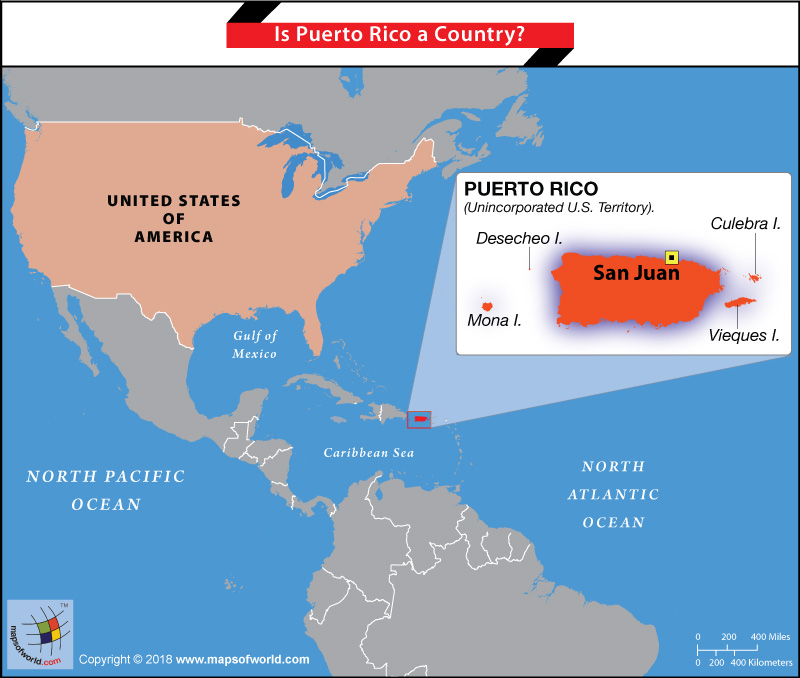
The question of whether the United States “owns” Puerto Rico is one that frequently arises, sparking discussions among travelers, historians, and political enthusiasts alike. It’s a query that delves deep into the complexities of history, political status, and the unique cultural identity of this captivating Caribbean island. For anyone planning a trip, or simply curious about the geopolitics of popular destinations, understanding this relationship is key to appreciating Puerto Rico’s charm and distinctiveness. While the answer isn’t a simple yes or no, the legal and historical ties are clear: Puerto Rico is an unincorporated territory of the United States, a commonwealth that enjoys a special relationship without being a state or an independent nation. This unique status has profound implications for its people, its economy, and perhaps most importantly for our readers, its appeal as a vibrant travel destination, offering a seamless blend of American convenience and authentic Caribbean allure.
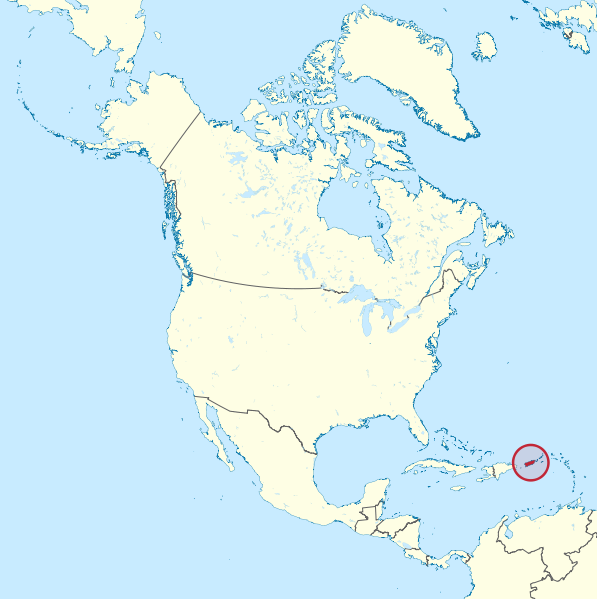
The island, a jewel nestled between the Atlantic Ocean and the Caribbean Sea, boasts stunning natural beauty, a rich tapestry of history, and a culture that is both proudly Puerto Rican and subtly influenced by its ties to the mainland United States. From the cobblestone streets of Old San Juan to the lush rainforests of El Yunque National Forest and the breathtaking bioluminescent bays, Puerto Rico offers an unparalleled array of experiences for every type of traveler. This article aims to clarify the intricate relationship between Puerto Rico and the United States, exploring its historical roots, its current political framework, and the tangible benefits and unique aspects this status presents for tourism, accommodation, and lifestyle choices on the island.
A Legacy Forged in History: Puerto Rico’s Journey to its Current Status
To truly grasp the contemporary relationship between Puerto Rico and the United States, one must journey back in time, understanding the pivotal historical events that shaped its destiny. The island’s story is one of colonial transitions, marked by significant power shifts that ultimately led to its current designation.
From Spanish Colony to U.S. Territory
For over 400 years, Puerto Rico was a colony of Spain, serving as a crucial strategic outpost in the Caribbean. This prolonged period of Spanish rule left an indelible mark on the island’s culture, language, architecture, and traditions, elements that are still vibrantly present today and contribute significantly to its unique identity. However, the late 19th century brought about a dramatic change. The Spanish-American War of 1898 proved to be the turning point. As a consequence of Spain’s defeat, Puerto Rico, along with Cuba and Guam, was ceded to the United States under the Treaty of Paris.
This transfer of sovereignty did not immediately grant full constitutional rights or statehood to Puerto Rico. Instead, it embarked on a path as an unincorporated territory, a status determined by the U.S. Congress. Over the ensuing decades, various legislative acts defined and redefined the island’s relationship with the mainland. The Foraker Act of 1900 established a civilian government and designated Puerto Ricans as “citizens of Puerto Rico,” while the pivotal Jones-Shafroth Act of 1917 conferred U.S. citizenship upon all Puerto Ricans. These legislative milestones cemented Puerto Rico’s position as part of the American political family, albeit without the full representation and rights afforded to states. This historical journey underscores that while the United States exercises sovereignty over Puerto Rico, the relationship is distinct from direct “ownership” in the traditional sense, evolving into a unique commonwealth status that balances self-governance with federal oversight.
Understanding Puerto Rico’s Current Political Status
The legal and political framework governing Puerto Rico today is complex, often misunderstood, and fundamentally different from that of a U.S. state. Its status as an unincorporated territory means it is subject to the authority of the U.S. Congress, but only certain parts of the U.S. Constitution apply.
The Rights and Responsibilities of U.S. Citizenship
Since 1917, Puerto Ricans have been U.S. citizens, which carries significant implications for their rights and responsibilities. They can travel freely to and from the mainland United States without a passport, serve in the U.S. military, and are subject to federal laws. However, unlike citizens residing in the 50 states, Puerto Ricans living on the island cannot vote in presidential elections, and their sole representative in Congress is a Resident Commissioner who can speak and participate in committee votes but cannot vote on the final passage of legislation on the House floor. Furthermore, residents of Puerto Rico do not pay federal income tax on income earned on the island, although they do pay other federal taxes, such as Social Security and Medicare. This unique blend of rights and limitations defines the everyday lives of Puerto Ricans and shapes their relationship with the federal government.
The Ongoing Debate: Statehood, Independence, or Enhanced Commonwealth
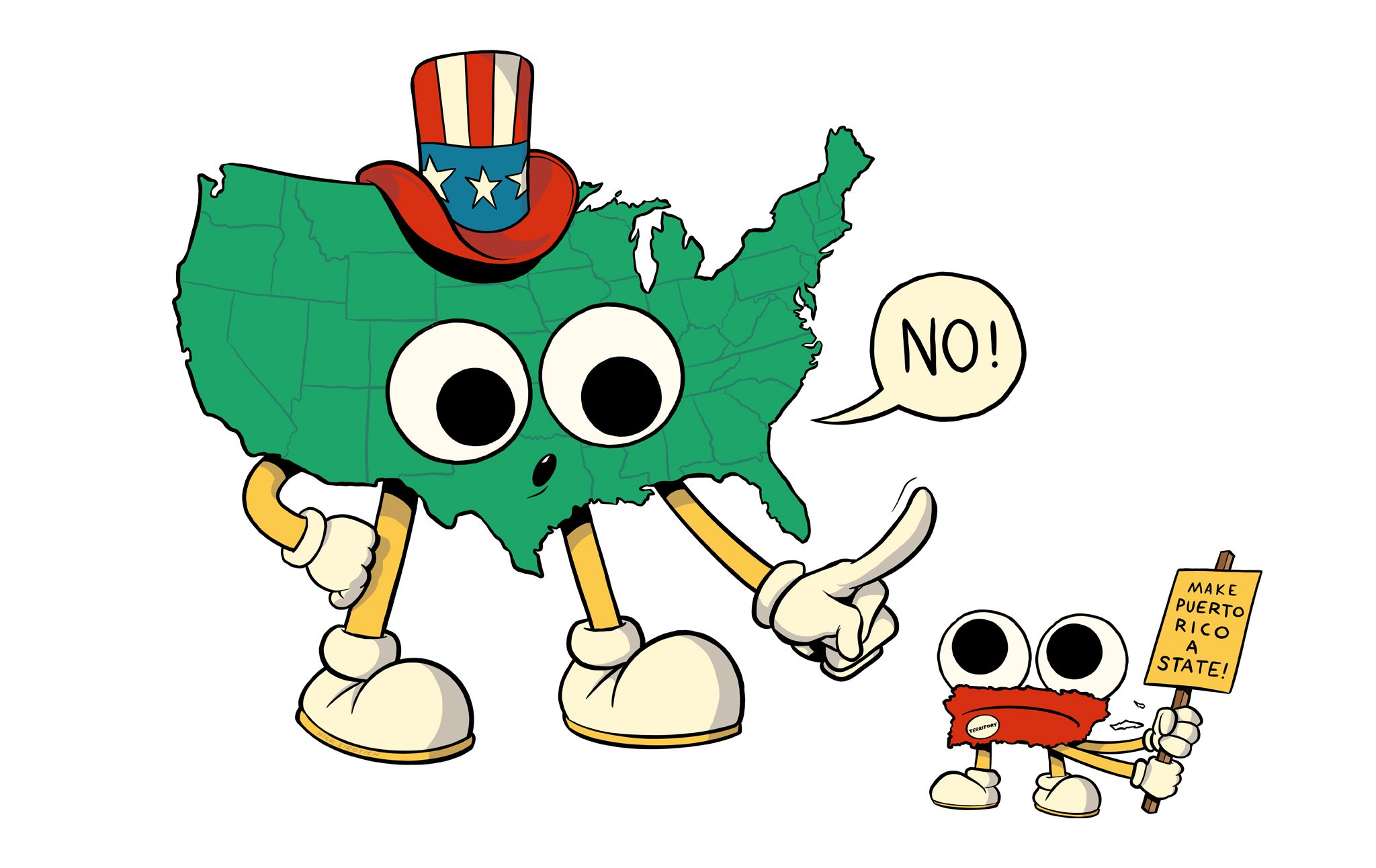
The question of Puerto Rico’s ultimate political status is a persistent and often passionate debate within the island. Throughout its history as a U.S. territory, various plebiscites have been held, allowing citizens to express their preference among statehood, independence, or an enhanced commonwealth status. Each option has its proponents and detractors, advocating for different visions of Puerto Rico’s future.
- Statehood would grant Puerto Rico full political representation, allowing its residents to vote in presidential elections and have full voting members in Congress. It would also mean full integration into the federal tax system.
- Independence would sever political ties with the United States, establishing Puerto Rico as a sovereign nation with its own foreign policy and complete control over its economy.
- Enhanced Commonwealth (or Free Association) seeks to redefine and strengthen the current territorial relationship, potentially granting more autonomy while maintaining certain ties and benefits with the United States.
This ongoing political discourse is a testament to the vibrant democratic spirit of the island and its continuous search for self-determination. While the debate is largely internal, its outcome would undoubtedly reshape Puerto Rico’s future, influencing everything from economic policy to the nuances of its tourism appeal. For now, however, its status as a commonwealth offers a distinctive blend that is highly advantageous for visitors.
The Impact on Travel and Tourism: A Seamless Caribbean Getaway
For travelers, Puerto Rico’s status as a U.S. territory is a significant advantage, simplifying logistics and enhancing the overall travel experience. It bridges the gap between a domestic trip and an international adventure, offering the best of both worlds.
Seamless Travel for U.S. Citizens
One of the most compelling reasons Puerto Rico is a top destination for U.S. citizens is the ease of travel. No passport is required for entry from the mainland United States, making it as straightforward as flying to another state. This eliminates the need for international travel documents and simplifies customs procedures, a huge benefit for families, budget travelers, or those seeking last-minute getaways. The official currency is the U.S. dollar, meaning no currency exchange hassles. English and Spanish are the official languages, with English widely spoken in tourist areas, further easing communication. U.S. postal services are available, and major cell phone carriers offer service without roaming charges, ensuring connectivity. These conveniences create a familiar and stress-free environment, allowing visitors to focus entirely on enjoying their vacation.
A Unique Blend of Cultures: American Convenience, Caribbean Charm
Puerto Rico’s commonwealth status has fostered a remarkable cultural synthesis. While rooted deeply in its Spanish and Taíno heritage, elements of American influence are evident in its infrastructure, consumer goods, and certain aspects of daily life. This fusion creates a destination that feels both exotic and accessible. Travelers can savor authentic local cuisine like mofongo and pasteles, dance to the rhythm of salsa, and explore centuries-old fortifications, all while enjoying modern amenities, reliable services, and familiar safety standards. This cultural blend extends to the hospitality sector, where world-class hotels and resorts coexist with charming guesthouses and local paradores, offering a diverse range of accommodation options to suit every preference and lifestyle, from luxury escapes to budget-friendly stays.
Infrastructure and Accessibility
The ties to the United States have also contributed significantly to Puerto Rico’s infrastructure. The island benefits from modern airports, well-maintained roads (though some rural areas may be more challenging), and a robust telecommunications network. Major airlines offer frequent flights from various U.S. cities to Luis Muñoz Marín International Airport (SJU) in San Juan, making the island highly accessible. This infrastructure supports a thriving tourism industry, providing visitors with comfortable hotels, resorts, and a range of services from car rentals to tour operators. The presence of reputable American brands in hospitality, retail, and dining further enhances the feeling of familiarity and security for travelers, complementing the authentic local experiences.
Exploring Puerto Rico: A Traveler’s Guide to this Enchanting Island
Beyond its unique political status, Puerto Rico is simply a breathtaking destination, offering an incredible variety of attractions and activities. It caters to all types of travel lifestyles – whether you’re seeking a luxury retreat, an adventurous family trip, a romantic couples’ getaway, or a solo exploration.
Must-Visit Landmarks and Attractions
Puerto Rico is brimming with iconic landmarks and natural wonders that captivate every visitor.
- Old San Juan: A UNESCO World Heritage site, this historic district is a kaleidoscope of colorful colonial buildings, cobblestone streets, and magnificent fortresses like El Morro and Castillo San Cristóbal. Wander through its charming plazas, discover quaint shops, and indulge in its vibrant culinary scene. It’s a perfect spot for history buffs and culture seekers.
- El Yunque National Forest: The only tropical rainforest in the U.S. National Forest System, El Yunque is a paradise for nature lovers. Hike through lush trails, discover cascading waterfalls, and listen to the enchanting calls of the coquí frog. It’s an essential experience for adventurous and family travelers.
- Bioluminescent Bays: Puerto Rico is home to three of the world’s five bioluminescent bays, with Mosquito Bay in Vieques being the brightest. Kayaking through these glowing waters at night is an ethereal, unforgettable experience. Another notable bay is near Fajardo.
- Stunning Beaches: From the pristine white sands of Flamenco Beach on Culebra to the lively shores of Luquillo Beach near El Yunque, Puerto Rico offers an incredible array of coastal beauty perfect for relaxation, swimming, and water sports.
- Ponce: Known as the “Pearl of the South,” Ponce boasts neoclassical architecture, a historic firehouse, and the renowned Museum of Art of Ponce, offering a glimpse into Puerto Rico’s artistic heritage.
Accommodation Options for Every Lifestyle
Whether you dream of a luxurious escape, a comfortable family stay, or a budget-conscious adventure, Puerto Rico’s accommodation sector is incredibly diverse.
- Luxury Resorts: For those seeking an indulgent lifestyle, world-class resorts like Dorado Beach, a Ritz-Carlton Reserve or the Condado Vanderbilt Hotel in San Juan offer opulent suites, private beaches, gourmet dining, and exceptional amenities. These properties are perfect for romantic getaways or high-end business stays.
- Boutique Hotels and Guesthouses: Throughout Old San Juan and other charming towns, boutique hotels provide a more intimate and culturally immersive experience. Many offer unique architectural styles and personalized service, ideal for travelers looking for local flair.
- Family-Friendly Resorts: Destinations such as the Wyndham Grand Rio Mar Puerto Rico Golf & Beach Resort near Río Grande or the Hilton Ponce Golf & Casino Resort offer extensive facilities including pools, kids’ clubs, and diverse dining options, ensuring a fun and comfortable stay for families.
- Vacation Rentals and Apartments: For longer stays, group travel, or a more independent experience, platforms offering vacation rentals provide a wide selection of apartments, villas, and houses, particularly popular in coastal areas and cities like Caguas. This option allows for a more localized experience, often including self-catering facilities.
- Budget Accommodation: Hostels and more economical guesthouses are available in key tourist hubs, making Puerto Rico accessible for budget travelers who still want to experience all the island has to offer.
When booking accommodation, it’s always advisable to compare prices, read recent reviews, and consider the specific amenities that align with your travel style. Many online booking platforms provide comprehensive comparison tools, making the process straightforward.
Culinary Delights and Local Experiences
No trip to Puerto Rico is complete without indulging in its vibrant food scene and engaging in local activities. From casual street food to fine dining, the island offers a gastronomic journey.
- Food Tours: Join a food tour in Old San Juan to sample traditional dishes like mofongo, pasteles, alcapurrias, and bacalaítos, often paired with local rum or coffee.
- Local Markets: Visit local markets for fresh produce, exotic fruits, and handcrafted goods, offering a true taste of local life and supporting local communities.
- Music and Dance: Immerse yourself in the infectious rhythms of salsa, bomba, and plena. Many venues offer live music and opportunities to learn basic dance steps, creating memorable cultural experiences.
- Adventure Activities: Beyond the beaches and rainforest, consider activities like zip-lining, surfing, snorkeling, scuba diving, or even exploring the remnants of the Arecibo Observatory (currently undergoing reconstruction after damage).
The blend of natural beauty, rich history, warm hospitality, and the unique political landscape makes Puerto Rico a truly compelling travel destination.
In conclusion, while the question “Does the United States own Puerto Rico?” might imply a simple proprietary relationship, the reality is far more nuanced. Puerto Rico is a self-governing commonwealth within the United States, an unincorporated territory whose residents are U.S. citizens. This special status, born from a rich and complex history, profoundly shapes its present and future, offering a distinctive cultural landscape and an incredibly accessible, diverse, and enriching travel experience. For those seeking an exotic Caribbean escape with the conveniences and familiarity of a domestic trip, Puerto Rico stands out as an unparalleled choice, inviting travelers to explore its stunning landmarks, savor its vibrant culture, and indulge in its myriad lifestyle offerings.
LifeOutOfTheBox is a participant in the Amazon Services LLC Associates Program, an affiliate advertising program designed to provide a means for sites to earn advertising fees by advertising and linking to Amazon.com. Amazon, the Amazon logo, AmazonSupply, and the AmazonSupply logo are trademarks of Amazon.com, Inc. or its affiliates. As an Amazon Associate we earn affiliate commissions from qualifying purchases.