
The question “Is it safe to go to Puerto Rico?” is a common one for prospective travelers, often tinged with concerns ranging from natural disasters to personal security. As an enchanting Caribbean destination, Puerto Rico offers a vibrant tapestry of rich culture, stunning natural beauty, and a unique blend of Spanish, Taino, and American influences. Its status as a U.S. territory often leads to assumptions about safety standards, but like any travel destination, understanding the local context is key to a smooth and enjoyable trip.
For the vast majority of visitors, Puerto Rico is indeed a safe and welcoming place. The island thrives on its tourism industry, and significant efforts are made to ensure visitor safety, particularly in popular tourist zones. However, a responsible traveler approaches any new destination with awareness and preparation. This comprehensive guide aims to address safety concerns, provide practical tips, and ultimately empower you to enjoy an unforgettable experience in this incredible destination. We’ll delve into everything from navigating urban areas to understanding local customs, ensuring your focus remains on the breathtaking beaches, historic landmarks, and the infectious rhythm of salsa rather than unnecessary worries.

Understanding Safety in Puerto Rico: A Holistic View
Assessing the safety of any travel destination requires a nuanced perspective, considering various factors from crime rates to environmental conditions and health advisories. Puerto Rico presents a unique profile, being part of the United States yet retaining a distinct cultural identity and facing specific regional challenges.
General Crime Rates and Tourist Areas
When discussing crime, it’s important to differentiate between violent crime, which rarely targets tourists, and petty crime, which can occur anywhere travelers congregate. Like many popular destinations globally, Puerto Rico experiences its share of crime. However, the island’s tourist-heavy areas are generally well-patrolled and considered safe, particularly during the day.
San Juan, the capital city, is the primary entry point for most travelers and home to iconic neighborhoods like Old San Juan, Condado, and Isla Verde.
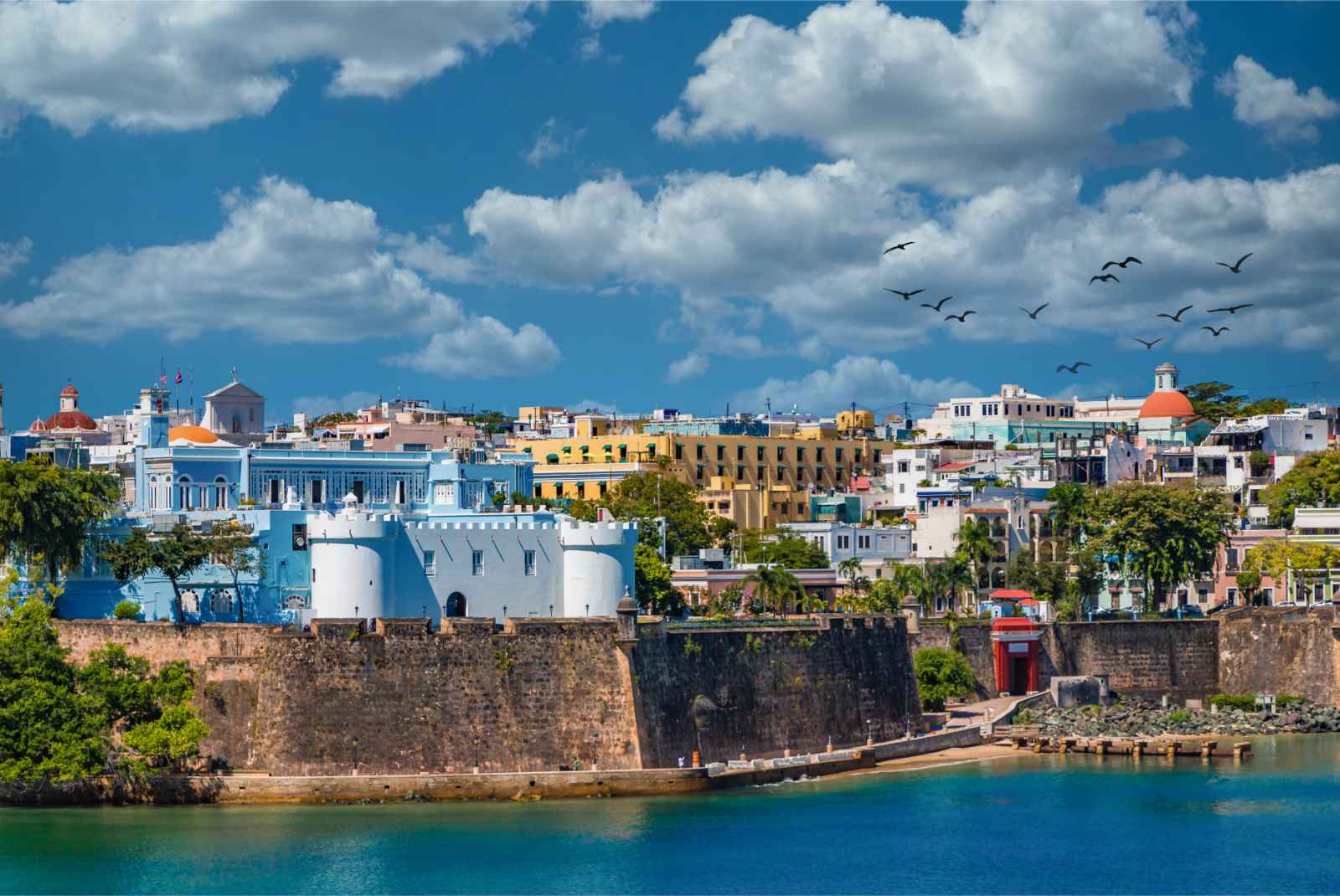
- Old San Juan, with its colorful colonial buildings and historic forts like El Morro and San Cristobal, is a bustling area filled with shops, restaurants, and museums. It’s heavily trafficked by tourists and locals alike, making it one of the safest places to explore. The presence of police is visible, and walking around, even in the evenings, is common practice, though general urban precautions are always advised.
- Condado and Isla Verde are known for their luxurious resorts, beautiful beaches, and vibrant nightlife. These areas cater extensively to tourists, and security at hotels and public spaces is typically robust.
Outside of these main tourist hubs, crime rates can vary. It’s generally recommended to avoid venturing into unfamiliar or less-populated neighborhoods, especially at night, without local guidance. Petty crimes like pickpocketing, bag snatching, and car break-ins are the most common issues affecting tourists. These incidents are largely preventable with basic precautions:
- Be aware of your surroundings: Keep an eye on your belongings in crowded places.
- Don’t flash valuables: Try not to display expensive jewelry, cameras, or large amounts of cash.
- Secure your bags: Keep wallets in front pockets and purses slung across your body.
- Avoid walking alone at night: Especially in poorly lit or deserted areas.
Compared to many major cities across the United States mainland, the overall violent crime rate in Puerto Rico is comparable or even lower in tourist zones. The key is to exercise the same level of caution you would in any unfamiliar urban environment.
Navigating Natural Disasters and Health Concerns
Puerto Rico, being a tropical island in the Caribbean, is susceptible to certain natural phenomena and health considerations that travelers should be aware of.
Hurricanes: The Atlantic hurricane season officially runs from June 1st to November 30th, with peak activity typically between August and October. Puerto Rico has a history with powerful storms, most notably Hurricane Maria in 2017. While devastating, the island has made significant strides in rebuilding infrastructure and improving preparedness.
- Monitoring weather: If traveling during hurricane season, it’s crucial to monitor weather forecasts from reliable sources like the National Hurricane Center.
- Travel insurance: Consider travel insurance that covers weather-related cancellations or interruptions.
- Hotel policies: Familiarize yourself with your accommodation’s natural disaster preparedness plans.
Earthquakes: While less frequent and typically of lower intensity than hurricanes, Puerto Rico is located in an active seismic zone. Small tremors are not uncommon. Significant earthquakes, like those in early 2020 that affected the southern region, are rarer but can occur. Most modern buildings are constructed to withstand seismic activity, but knowing what to do in an earthquake (drop, cover, hold on) is always prudent.
Health Concerns:
- Mosquito-borne illnesses: Diseases like dengue, Zika, and chikungunya are present in Puerto Rico. While outbreaks are not constant, it’s wise to take precautions, especially during the rainy season.
- Repellent: Use insect repellent containing DEET, picaridin, or oil of lemon eucalyptus.
- Protective clothing: Wear long sleeves and pants, especially at dawn and dusk.
- Accommodation: Choose accommodations with screened windows or air conditioning.
- Sun exposure: The tropical sun can be intense. Use high-SPF sunscreen, wear hats and sunglasses, and stay hydrated to prevent sunburn and heatstroke.
- Tap water: In most major cities and tourist areas, tap water is treated and generally safe to drink according to United States standards. However, for those with sensitive stomachs or when venturing to rural areas, bottled water is a safer alternative.
- Medical facilities: Puerto Rico has a well-developed healthcare system with modern hospitals and clinics, especially in San Juan and other major cities. Ensure your travel insurance covers medical emergencies abroad.
- Food safety: Practice common food safety measures. Eat at reputable establishments, and if trying street food, observe its preparation and choose vendors with high turnover.
By being informed and taking sensible precautions, you can significantly mitigate the risks associated with natural phenomena and health concerns, allowing you to fully enjoy your Puerto Rico adventure.
Practical Safety Tips for Travelers
Responsible travel involves adopting a proactive mindset. By integrating a few practical safety tips into your travel routine, you can significantly enhance your security and peace of mind while exploring Puerto Rico’s captivating attractions.
Accommodation and Personal Belongings
Your choice of accommodation and how you manage your personal items play a crucial role in your overall safety.
- Choose reputable accommodations: Whether you opt for a luxury resort, a boutique hotel, or a vacation rental through platforms like Airbnb, always book through trusted channels. Read recent reviews, paying attention to comments about safety, location, and the responsiveness of staff or hosts. Major hotel brands like Marriott, Hilton, and Hyatt typically offer consistent security standards.
- Utilize hotel safes: For valuable items like passports, extra cash, and expensive electronics, use the in-room safe. If there isn’t one, inquire about safety deposit boxes at the front desk.
- Secure your belongings: When out and about, carry only what you need. Keep wallets in front pockets or use a money belt. Be mindful of your phone, especially in crowded areas or on public transport, as it can be an easy target for snatching.
- Lock up: Always lock your hotel room or vacation rental doors and windows, even if you’re just stepping out for a moment. Don’t open your door to strangers without verifying their identity.
- Be discreet: Avoid overtly displaying expensive items, large wads of cash, or designer brands, which can draw unwanted attention.
Transportation and Exploring the Island
Navigating Puerto Rico’s transportation network and exploring its diverse landscapes requires a degree of caution.
- Rental cars: Renting a car offers freedom to explore beyond San Juan. Always book from reputable agencies. When parking, choose well-lit, secure lots. Never leave valuables visible in the car, even if you’re just stepping away for a short time. Lock all doors while driving, especially in urban areas. Be aware that some roads, particularly in rural or mountainous regions, can be narrow, winding, and poorly lit at night. Drive defensively and be mindful of pedestrians and other drivers.
- Taxis and ride-sharing: In San Juan and major tourist areas, use official taxis. These are typically metered or operate on fixed rates to common destinations. For ride-sharing apps like Uber or Lyft, verify the driver and vehicle information matches what’s displayed in the app before entering. Avoid unofficial rides.
- Public transport: Outside of San Juan’s limited bus and train system (Tren Urbano), public transportation is less developed. If you do use public buses, be aware of your surroundings, especially during off-peak hours or in less familiar areas.
- Beach safety: Puerto Rico’s beaches are beautiful but some can have strong currents or undertows. Always heed warning flags and signs. Swim in designated areas, ideally where lifeguards are present. If you’re not a strong swimmer, avoid venturing too deep. Be cautious of your belongings on the beach; don’t leave them unattended.
- Hiking and outdoor activities: When exploring natural wonders like El Yunque National Forest, stay on marked trails. Inform someone of your hiking plans, especially if going solo. Carry enough water, wear appropriate footwear, and be prepared for sudden weather changes.
Respecting Local Culture and Customs
Embracing the local culture not only enriches your travel experience but can also contribute to your safety by fostering positive interactions.
- Language: While English is widely spoken in tourist areas and by many Puerto Ricans, especially younger generations, knowing a few basic Spanish phrases can go a long way. It shows respect and can be helpful in situations where English isn’t as prevalent.
- Dress code: Puerto Rico is generally relaxed, but modest attire is appreciated when visiting religious sites or more formal establishments. In general, dress comfortably and appropriately for the tropical climate.
- Courtesy and respect: Be polite and patient. Puerto Ricans are known for their warmth and hospitality. A smile and a “gracias” can open many doors.
- Local advice: Don’t hesitate to ask hotel staff, tour guides, or trusted locals for advice on safe areas to visit or places to avoid. They often have the most current and relevant information.
- Sensitive topics: Avoid engaging in political discussions or sensitive topics with strangers, especially concerning Puerto Rico’s relationship with the United States.
- Photography: Always ask for permission before taking close-up photos of individuals, particularly children.
By being mindful of these practical tips, you can navigate Puerto Rico with confidence, minimize potential risks, and immerse yourself fully in the island’s vibrant charm.
Unforgettable Experiences While Staying Safe
Puerto Rico is an island of endless discoveries, from its historic streets to its lush rainforests and dazzling coastlines. Experiencing its magic safely is entirely achievable by making informed choices about where to go and where to stay.
Top Destinations and Attractions with Safety in Mind
Many of Puerto Rico’s most iconic attractions are also among its safest, benefiting from robust tourism infrastructure and visible security.
- Old San Juan: This UNESCO World Heritage site is arguably the safest and most tourist-friendly area on the island. Stroll its cobblestone streets, admire the colorful architecture, and explore the impressive fortifications of El Morro and San Cristobal. During the day and into the evening, the area is vibrant and well-lit, with numerous restaurants and shops.
- El Yunque National Forest: As the only tropical rainforest in the United States National Forest System, El Yunque National Forest is a must-visit. Its well-maintained trails, visitor centers, and clear signage make it safe for hikers of all levels. However, be mindful of weather conditions, especially rain which can make trails slippery, and always stay on marked paths.
- Bioluminescent Bays: Puerto Rico boasts three of the world’s five Bioluminescent Bays. The most famous and brightest is Mosquito Bay on Vieques island, followed by Laguna Grande in Fajardo and La Parguera in Lajas. Tours to these bays are conducted by licensed operators, often in kayaks or electric boats, ensuring a safe and controlled experience, usually accompanied by knowledgeable guides.
- Beaches: Puerto Rico is renowned for its stunning beaches.
- Luquillo Beach: Near El Yunque National Forest, it’s known for its calm waters, ideal for families. The kioskos (food stands) nearby offer a safe and delicious culinary experience.
- Flamenco Beach on Culebra: Consistently ranked among the world’s best beaches, its pristine sands and clear waters are well-visited, and its remote location contributes to a generally tranquil and safe atmosphere. Access is typically via ferry or small plane, with the main concern being seasickness on rough ferry days.
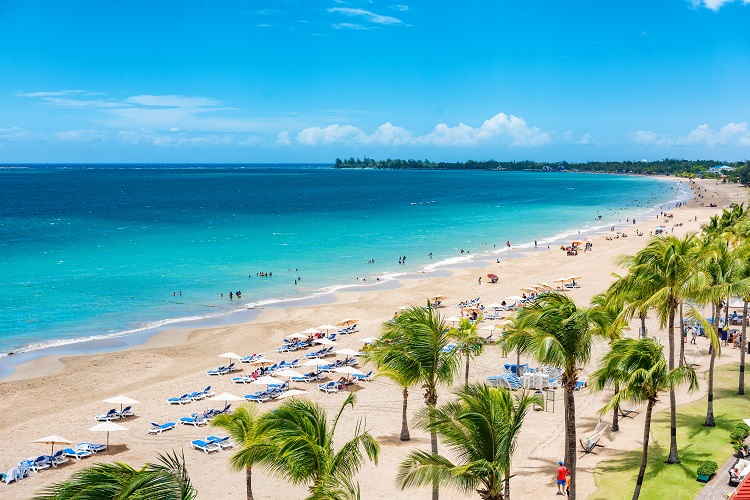
- Beaches in Condado and Isla Verde: These resort-lined beaches are popular, well-maintained, and often have lifeguards, making them a safe choice for swimming and sunbathing.
- Ponce: Known as the “Pearl of the South,” Ponce offers a beautiful historic city center with unique architecture. Exploring its plazas, museums, and promenade is generally safe during the day.
- Porta del Sol (West Coast): Towns like Aguadilla and Rincón on the west coast are popular for surfing and a laid-back vibe. They are generally safe, especially in areas frequented by tourists and expats.
- Arecibo & Camuy: This region is home to natural wonders like Cueva Ventana (Window Cave) and Rio Camuy Cave Park. Both are well-managed tourist attractions with guided tours, ensuring visitor safety while exploring the geological marvels.
Choosing the Right Accommodation for Peace of Mind
Your accommodation choice significantly impacts your feeling of safety and overall travel experience.
- Location, Location, Location: Prioritize accommodations in well-regarded, well-lit neighborhoods, especially if you plan to walk around in the evenings. For San Juan, sticking to Old San Juan, Condado, or Isla Verde is highly recommended. In other towns, research the specific area your lodging is in.
- Resorts vs. Boutique Hotels vs. Vacation Rentals:
- Resorts: Often provide a highly secure environment with controlled access, security personnel, and a range of amenities. They are excellent for travelers prioritizing convenience and a contained, worry-free experience.
- Boutique Hotels: Many offer personalized service and unique charm. Research their security features and read reviews about the neighborhood.
- Vacation Rentals (Airbnb, VRBO): Can offer a more authentic local experience. Crucially, choose properties with high ratings and positive security-related reviews. Look for features like secure entry systems, well-lit access, and responsive hosts. Ensure the listing explicitly mentions safety features.
- Amenities and Security Features: Check for amenities that contribute to safety, such as 24-hour reception, secure parking, in-room safes, and good lighting in common areas.
- Read Reviews: This cannot be stressed enough. Traveler reviews on platforms like TripAdvisor, Google, and the booking sites themselves often contain invaluable, firsthand information about the safety of an area, the security of a property, and the responsiveness of staff to any issues.
By thoughtfully selecting your destinations and lodging, you can confidently explore the wonders of Puerto Rico, knowing that you’ve put measures in place to ensure a secure and delightful journey.
Final Thoughts: Embracing Your Puerto Rican Adventure
So, is it safe to go to Puerto Rico? The resounding answer for most travelers is yes, absolutely. Like any vibrant destination, Puerto Rico comes with its own set of considerations, but these are largely manageable with common sense, awareness, and preparation. The warmth of its people, the richness of its culture, and the breathtaking beauty of its landscapes far outweigh any minor inconveniences or concerns.
Puerto Rico is not just a destination; it’s an experience that awakens the senses, from the rhythmic beats of salsa in Old San Juan to the tranquil sounds of coqui frogs in El Yunque National Forest, and the mesmerizing glow of the Bioluminescent Bays. The island has shown incredible resilience and continues to welcome visitors with open arms, eager to share its unique charm.
By following the practical advice outlined in this guide – being mindful of your belongings, choosing reputable accommodations and transportation, understanding local customs, and staying informed about natural conditions – you empower yourself to have a safe, enjoyable, and truly unforgettable adventure. Don’t let unwarranted fears overshadow the opportunity to discover this extraordinary Caribbean jewel. Pack your bags, prepare to be enchanted, and immerse yourself in the magic that is Puerto Rico. Your island escape awaits!
LifeOutOfTheBox is a participant in the Amazon Services LLC Associates Program, an affiliate advertising program designed to provide a means for sites to earn advertising fees by advertising and linking to Amazon.com. Amazon, the Amazon logo, AmazonSupply, and the AmazonSupply logo are trademarks of Amazon.com, Inc. or its affiliates. As an Amazon Associate we earn affiliate commissions from qualifying purchases.